




Agata Kurzela Studio’s approach for the Zayed National Museum brings a distinct identity through a curation of Emirati designers throughout the 3,000 sqm space
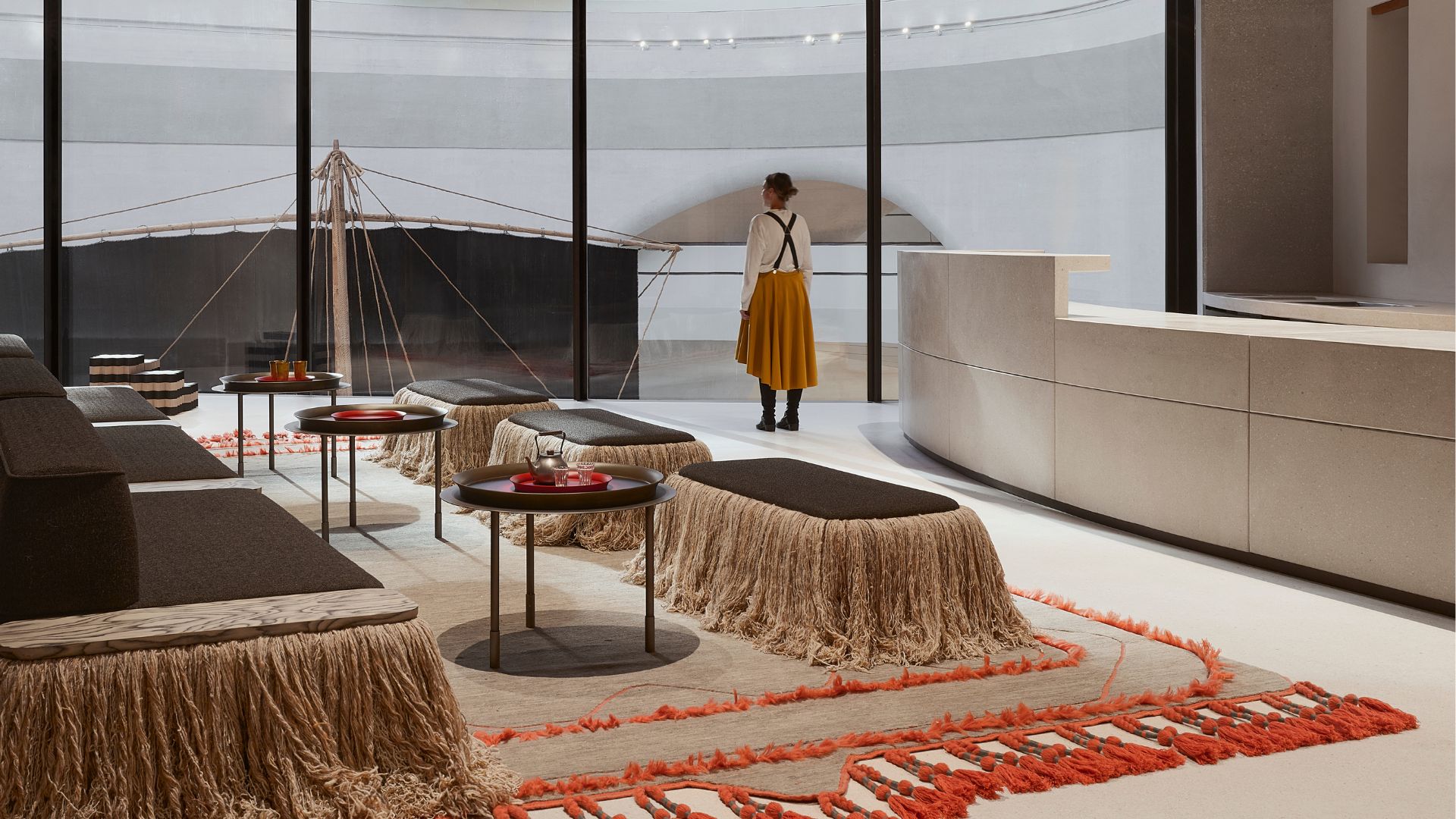



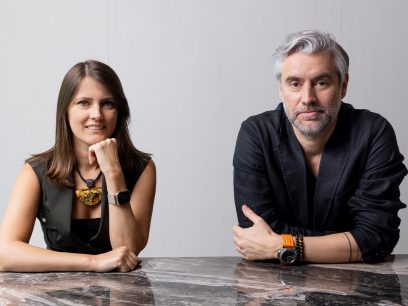
Where does one begin designing the interiors of a space designated to be the UAE’s national museum? “By creating interiors that would sit in dialogue with the architecture while expressing Emirati culture through contemporary materials, spatial, and artistic language,” shares Agata Kurzela, founder of Agata Kurzela Studio. The studio was asked to lead the creative direction, interior design, curatorship, and furnitures, fixtures and equipment across a constellation of public, VIP, and research spaces inside the newly unveiled museum.
Adopting an approach that looked at spatially interpreting the museum, the studio moved away from just presenting history to bringing forth the talents of Emirati designers through project-specific pieces. Most of the pieces offer a contemporary take with a resonant story behind them, looking into history, materials, and rituals – creating a dialogue against the contemporary architecture designed by Foster + Partners. “The defining quality of the project lies in its curatorial structure. Each space is conceived as a cultural chapter,” shares Kurzela.
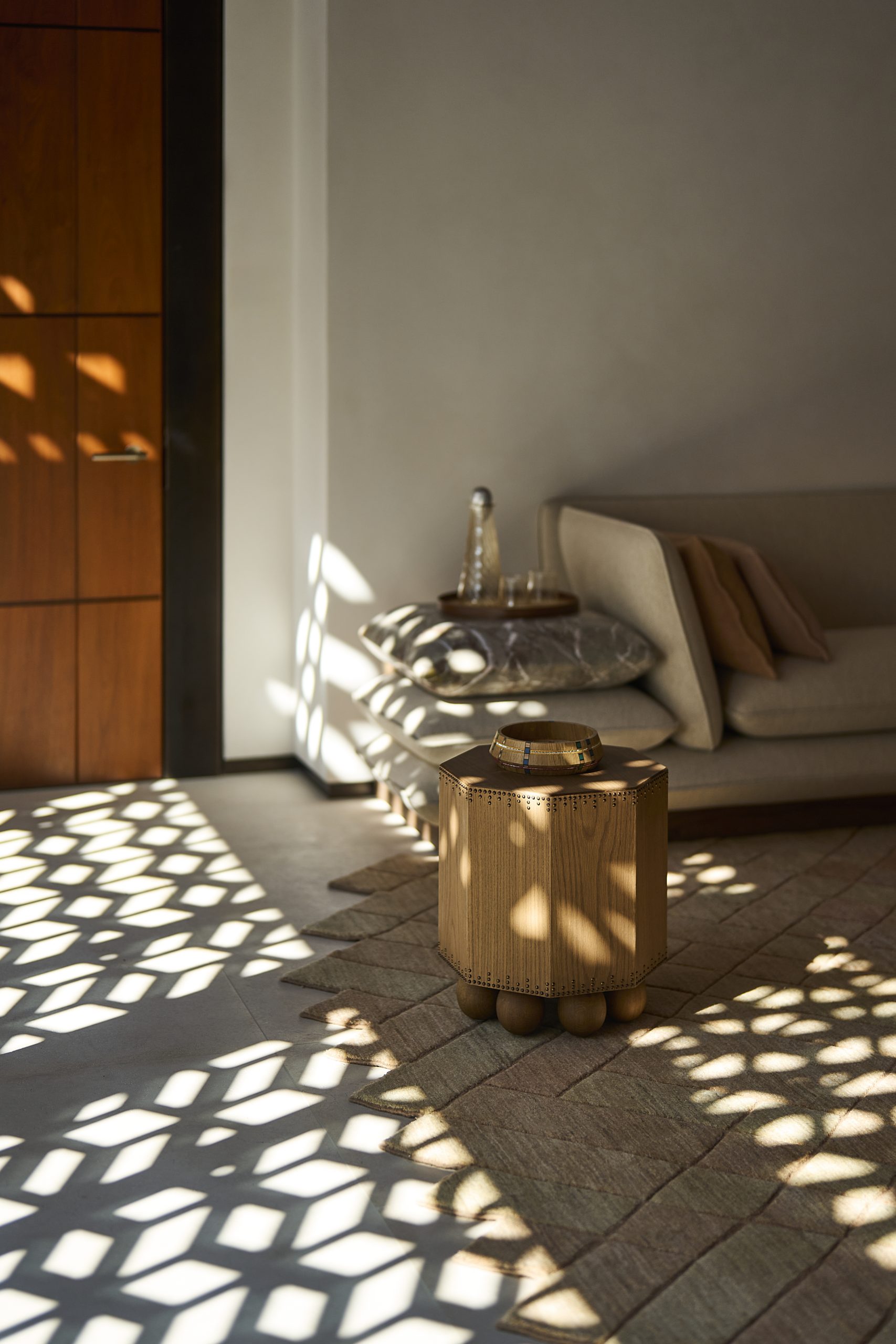
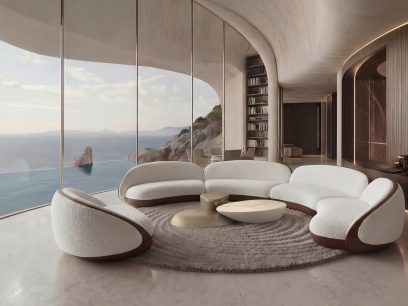
The atmospheres shift deliberately across the museum. Public zones remain quietly sculptural and monumental, calibrated to support pause and orientation within the architectural scale. By contrast, other spaces designed by the studio invite curiosity, unfolding warmth through nuanced combinations of colour, shadow, and tactile surfaces. Al Liwan – a modular seating system is developed by Agata Kurzela studio and is conceived as a near-infrastructural element that dissolves into the architecture at the public atrium. The Al Shaheen Majlis on arrival expresses the tradition of welcoming guests with gahwa – Emirati coffee. A sequence of interconnected meeting spaces on the first floor is organised around a central courtyard, is informed by the cadence of the al durour calendar, the traditional system that maps the year through climatic and ecological phases. The meeting environments consist of two majlises and one boardroom. Both Al Hurr majlises represent seasonal conditions with distinct spatial and chromatic identities – Al Sheta (winter) and Al Qaith (extreme heat) – while the Boardroom reflects Al Saif (summer). Cultural meaning is embedded within the tactility of surfaces, the weight of objects, and the atmospheres produced through light and proportion.
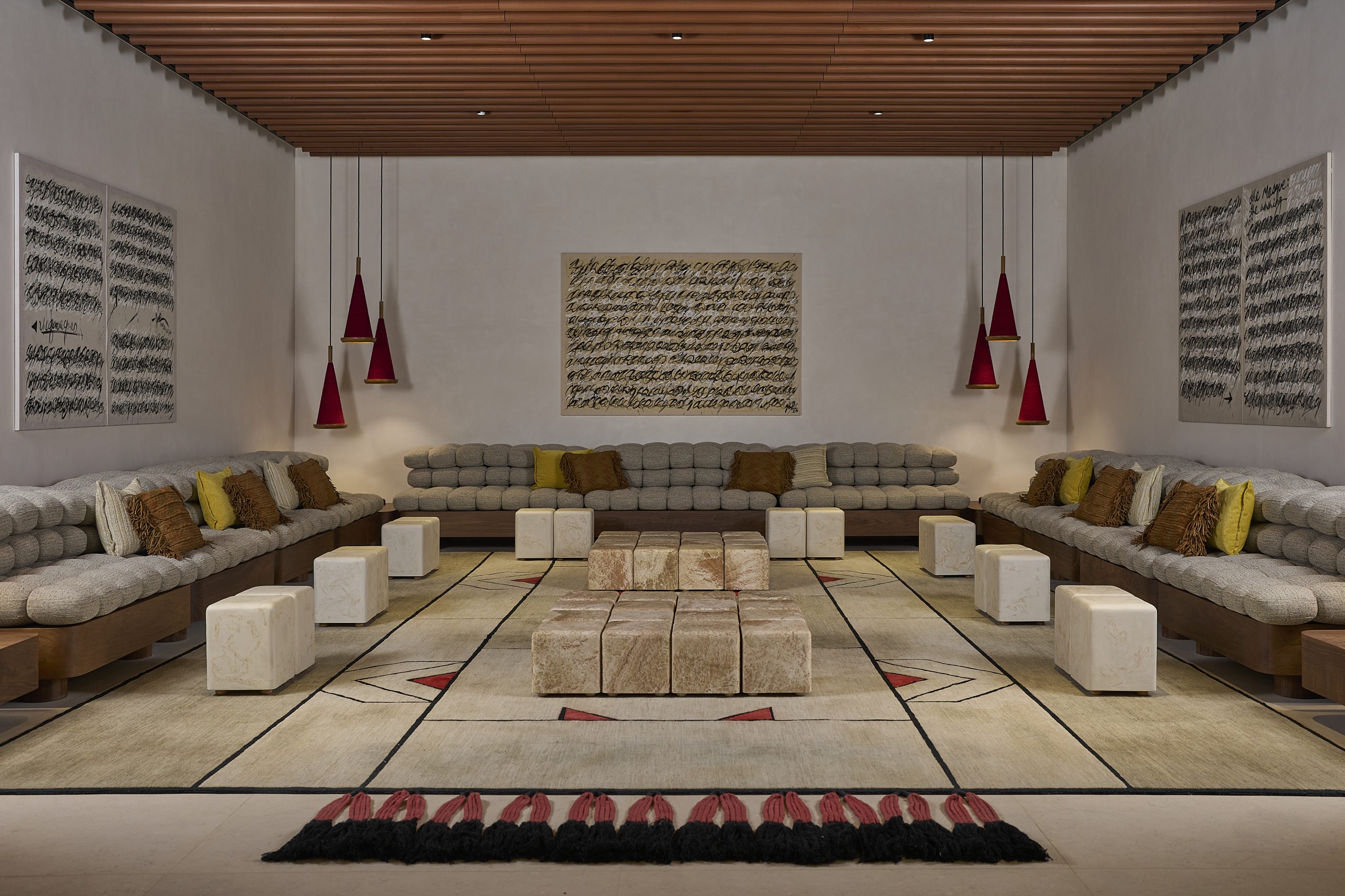
Al Shaheen Majlis
The Al Shaheen Majlis introduces warmer references inspired by the welcoming ritual of gahwa, decorative traditional doors flanked by an Al Bab carpet and camels through the Jamal carpet with long fringes reminiscent of a soft animal fur. All carpets used in the project are by Zuleya. The arrival area of this majlis brings together works by Abdalla Al Mulla, who developed an adaptable modular bead bench that sits upon the Jamal carpet, flanked by large sculptural ceramic pots by Michael Rice. The Ned sofa and table system developed by Omar Al Gurg was adapted from an ultimate residential comfort to a more formal setting, the tables executed in stone and papyrus-based biomaterial. Roudha Al Shamsi was responsible for pendant lighting; Irthi wove safeefah cushions from local leather. The space is framed by a series of artworks by Juma Al Haj. Roudha Al Shamsi was responsible for pendant lighting, and safeefah cushions by Irthi are woven from local leather.
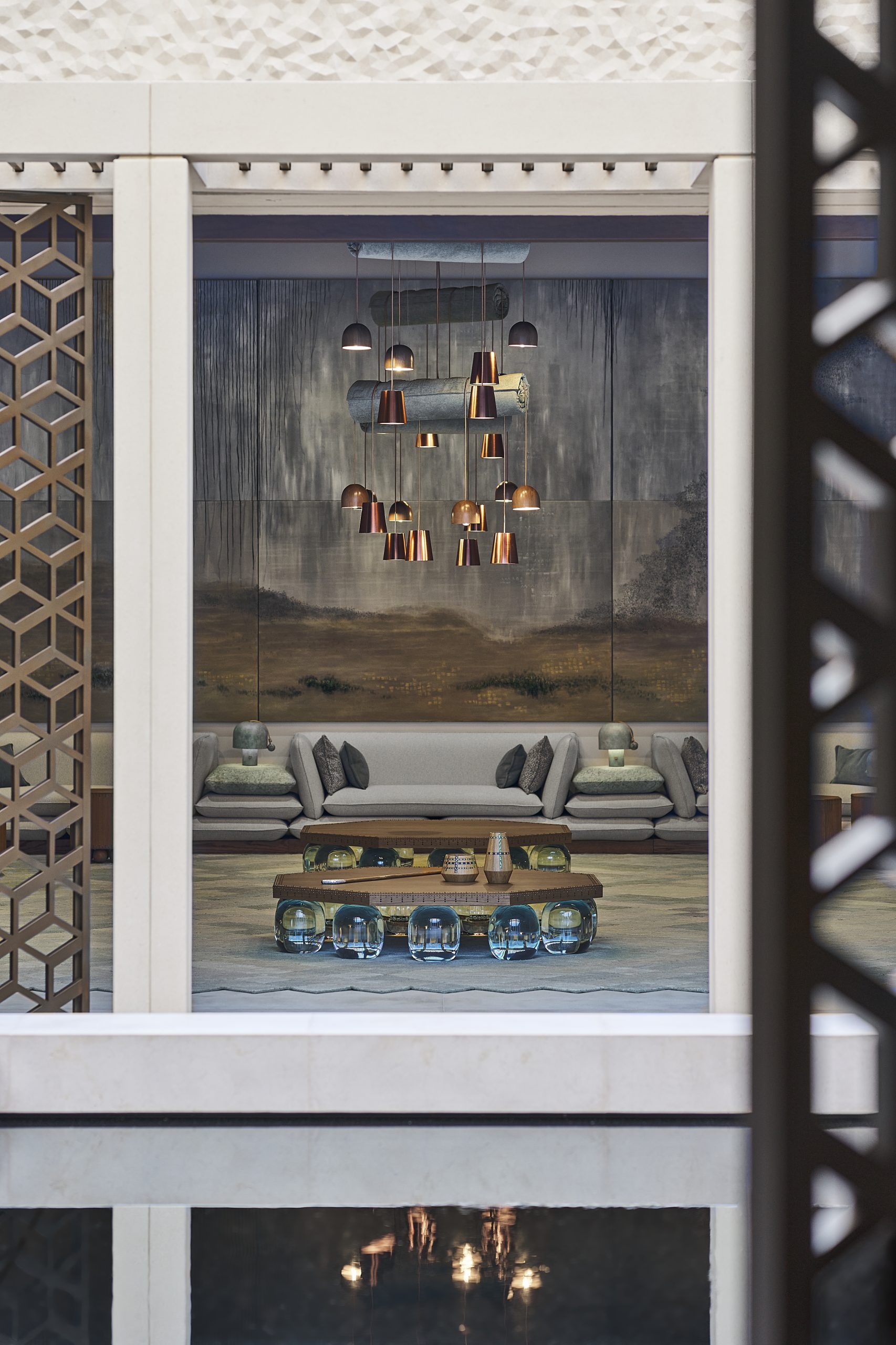
Al Hurr 1 majlis
The Al Hurr 1 majlis is inspired by winter (Al Sheta). It features a custom sofa system by Aljoud Lootah featuring stone tables, solid yet visually lit. The system references an arrangement of stacked cushions, whose spontaneous and adaptable form was at the origin of a traditional Emirati majlis seating, here reinterpreted and synthesised. A bespoke EBB table light by Alya Al Ghefeli is rendered in metal patina, stone and camel leather, while feature pendant lights are by Khalid Shafar, octagonal tables are by One Third Studio, carpets by Agata Kurzela, and the embroidered artwork is by South African, Dubai-based artist Stephanie Neville.
Al Hurr 2 majlis features a custom sofa system by Aljoud Lootah, a Shade and Shadow floor light by Lodge Interior, a custom octagon table by One Third Studio, carpets by Agata Kurzela studio, and artwork again by Stephanie Neville. In the boardroom, inspired by Al Saif, Afra Al Dhaheri’s kandura-imprint wall panels establish a cultural surface language, complemented by a pendant light by Agata Kurzela studio and manufactured in collaboration with Nader Gammas, custom cabinetry by One Third Studio, carpets by Agata Kurzela studio, and seating by Vitra.
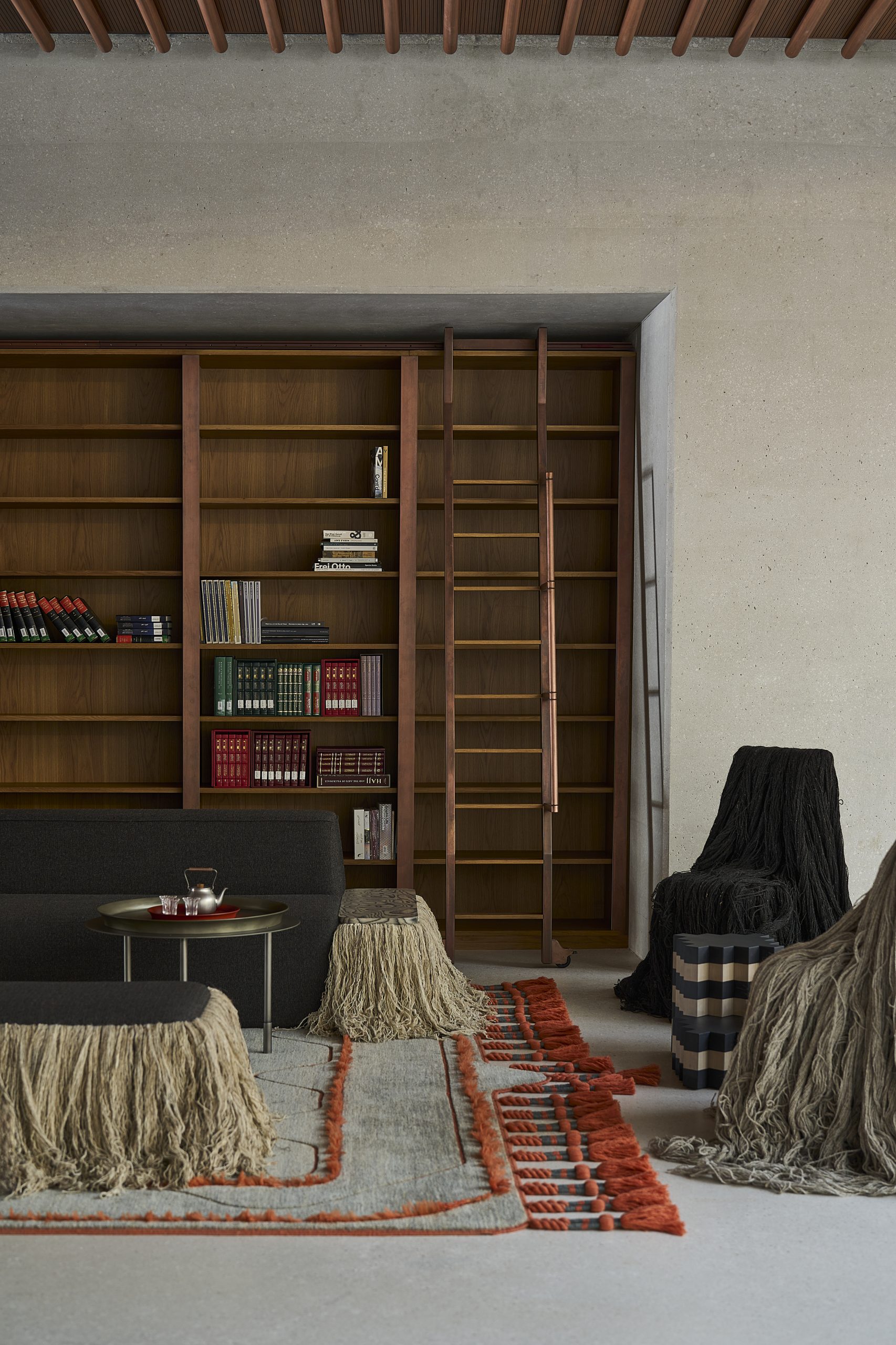
The Research Library is composed of a library space and a sitting area that overlooks the monumental Magan Boat, whose black woollen sail visually connects to the materials that originate in a Bedouin tent and that are at the core of the centre’s design. It introduces a more graphic register; high contrast, tactile, and grounded, drawing on the material logic of the raw wool of a Bedouin tent.
The space integrates custom shelving spanned by a system of movable ladders clad in burnished bronze, timber desks, sofa systems, lighting, coffee tables and rugs by Agata Kurzela studio, side modular tables co-designed with Abdalla Al Mulla, Nomad chairs by Latifa Saeed, Vitra task seating, carpets by Agata Kurzela with custom tarboushes by Loretta Bilinskaite.
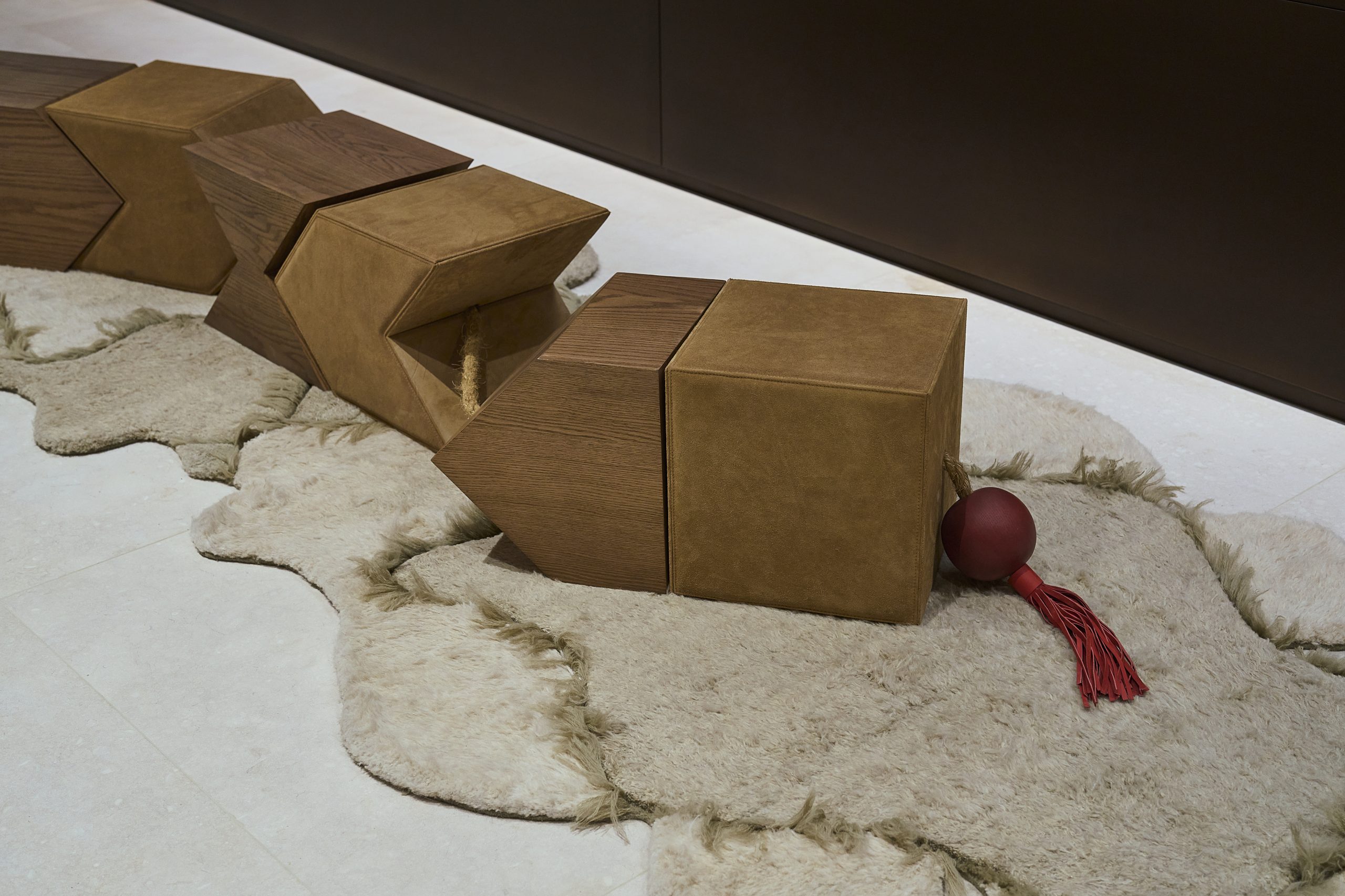
Execution was treated as a curatorial and research-led process. Agata Kurzela studio conducted extensive prototyping, material trials, and full-scale mock-ups, working closely with local workshops and regional craftspeople. From testing the limits of the kilns and ceramic glazes to research-focused development of local tassels to on-site validation of bespoke furniture systems, the project evolved through continuous dialogue between concept and fabrication. This deliberate, investigative methodology ensured that every component aligned not only technically, but culturally.
“Designing within a national monument required a careful negotiation between presence and humility,” shares Kurzela. “The interiors needed to hold emotional and cultural weight without competing with the architecture’s authority.” Together, these collaborations embed contemporary Emirati and regional authorship directly into the museum’s spatial identity.
Photography – Sebastian Bottcher
identity hosted a live panel in collaboration with IF Hub on creating intelligent and resilient design at their showroom
We take a look at how Nammos Dubai translated the spirit of Mykonos at its outpost at the Four Seasons Resort at Jumeirah Beach
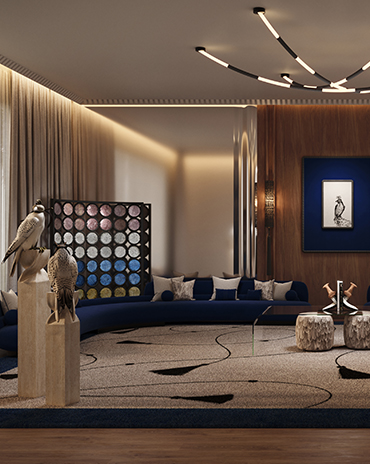
Emirati founded and owned interior design studio Lodge completes two distinct majlises
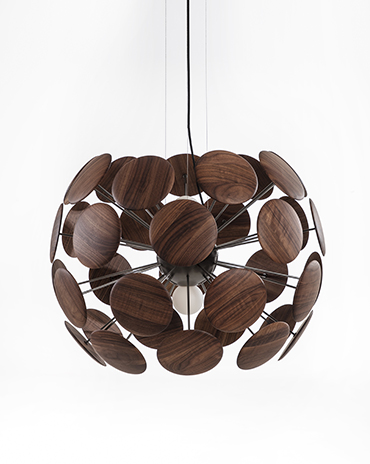
Porada’s Ortensia was showcased at Salone del Mobile 2026, demonstrating the company’s expertise with wood
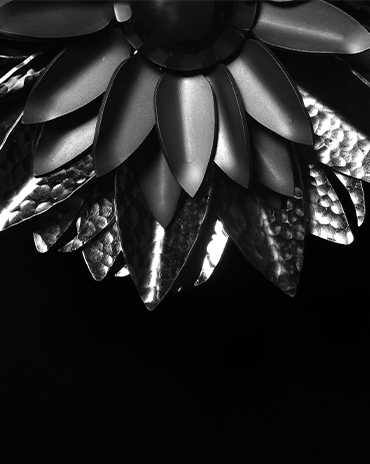
We interview the founders of the collectible design house in an exclusive interview prior to their launch
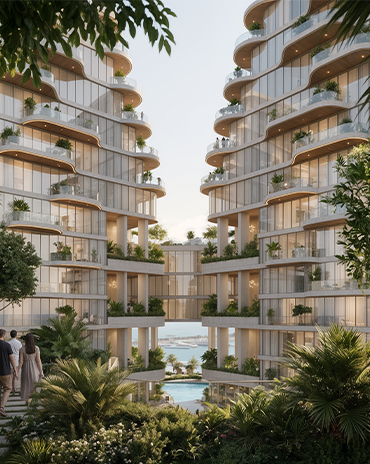
Luca Vigliero, XBD Collective’s new Executive Director shares exciting developments for the studio’s expansion
We take you through the finest showcases at the exhibition in collaboration with the Spanish Institute for Foreign Trade (ICEX)
Art has the power to illuminate histories and tell human stories across time and geography. At the newly opened Black Gold Museum in Riyadh, Saudi Arabia, it does just that
At DLR Group, collaboration across teams is key. We speak to Henrique Dias, Principal and Middle East Hospitality and Mixed-Use Director, and Vaida Buchrotaite, Principal and International Interior Design and Operations Director, on how the group shapes hospitality projects across the region
The UAE design-and-build studio delivers a Japanese-inspired coworking destination at Reem Mall, spanning 22,000 sq ft
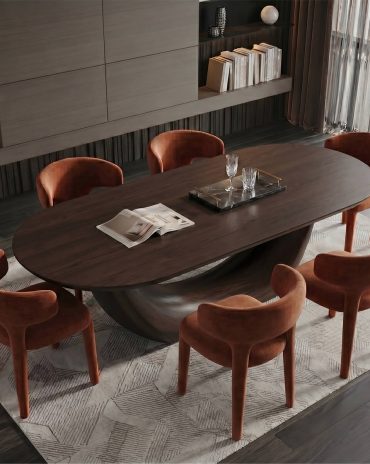
Chattels&More explores the timeless elegance of wood in its latest collection
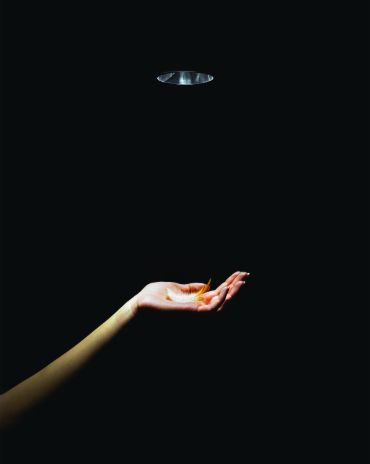
The brand's latest Laser Evo offers over a million design options.