




At DLR Group, collaboration across teams is key. We speak to Henrique Dias, Principal and Middle East Hospitality and Mixed-Use Director, and Vaida Buchrotaite, Principal and International Interior Design and Operations Director, on how the group shapes hospitality projects across the region



For us, every hospitality project starts with alignment – getting the right people in the room and setting a clear, shared direction from day one,” says Buchrotaite, setting the tone when we ask her about the starting point for developing a hospitality project. A focused kick-off charrette is done first, where the client, operator and internal teams get together to define the ambition of the project, understand operational drivers, and establish what success really looks like beyond just program and area schedules. “From there, we move quickly into design visioning – but always grounded in place. We don’t believe in importing a style or applying a generic ‘hospitality language’,” she shares. An important focus is research on regional context that informs the team’s process while defining their hospitality projects. “Culture, rituals, materials, and subtle details that make a destination unique. That’s where the real narrative begins,” shares Buchrotaite.
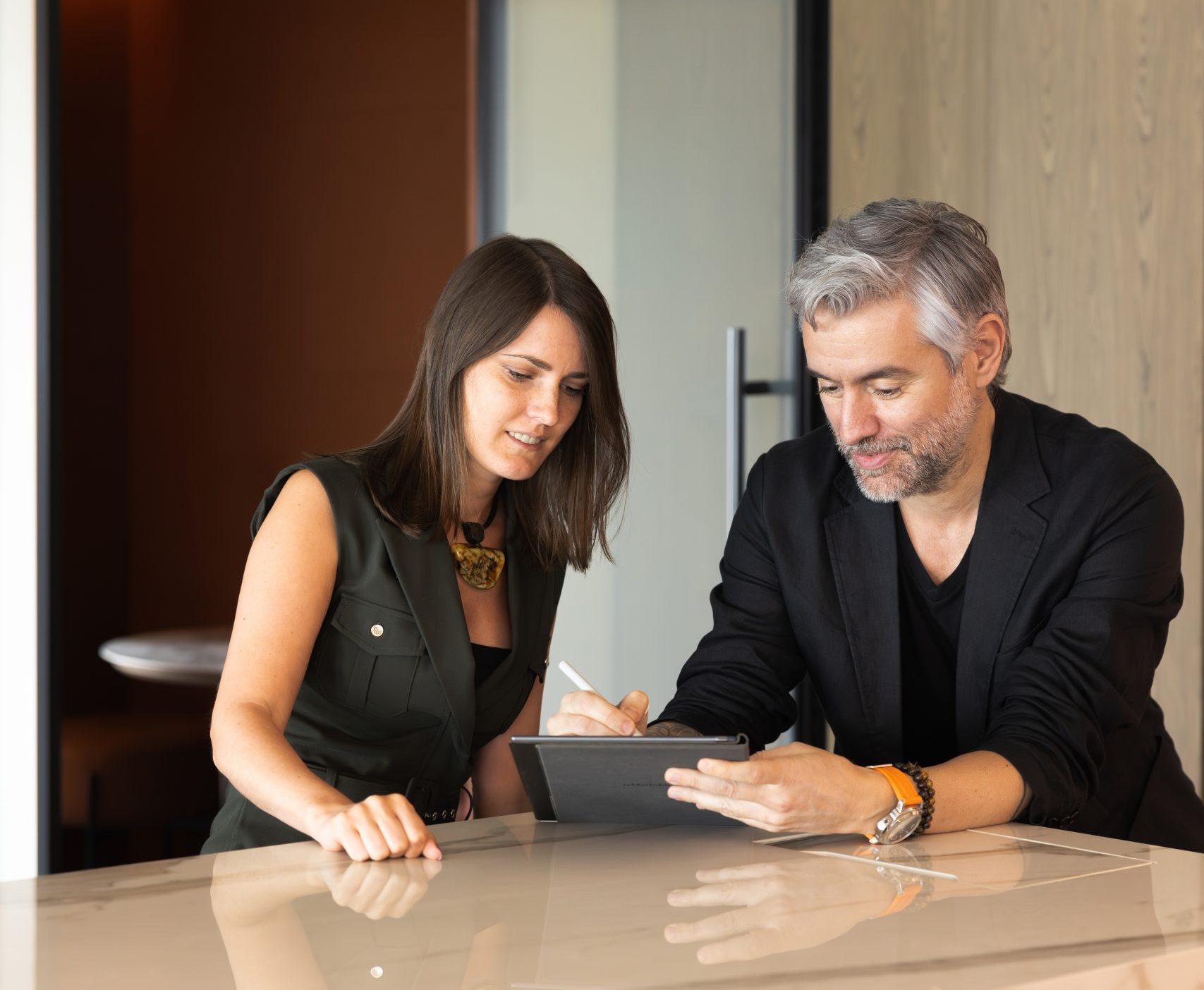
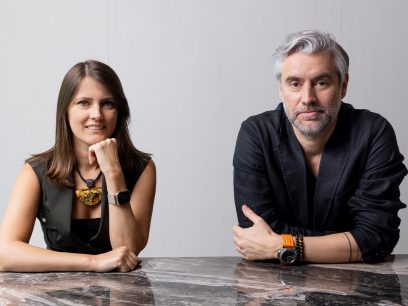
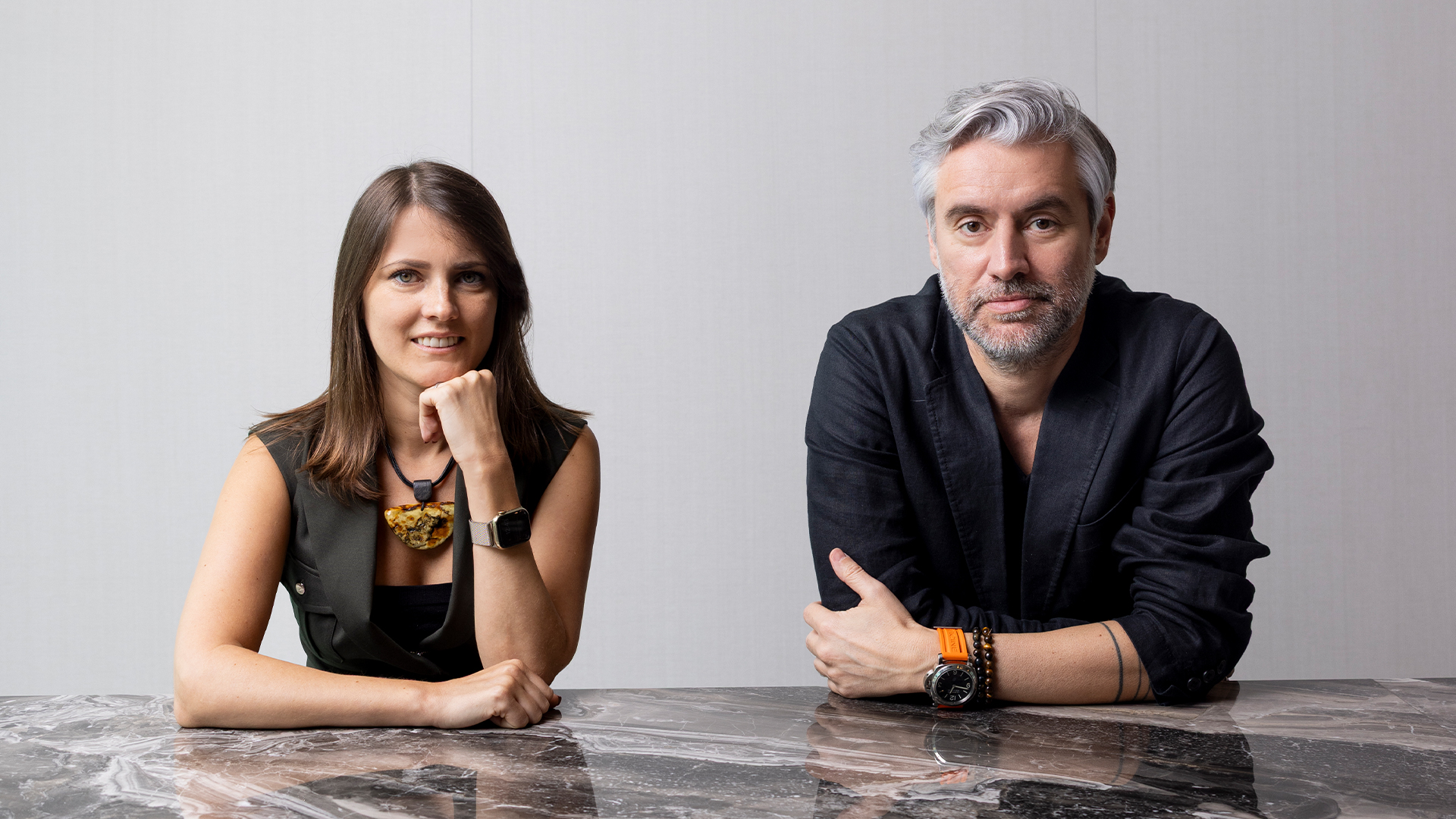
Vaida Buchrotaite, Principal and International Interior Design and Operations Director and Henrique Dias, Principal and Middle East Hospitality and Mixed-Use Director
“Culture, rituals, materials, and subtle details that make a destination unique. That’s where the real narrative begins”
As opposed to forming a story once the project is complete, Buchrotaite’s team focuses on discovery by unveiling chapters layer by layer. Canopy by Hilton The Point in Abha, emerges as a common example. “For example, something as specific as the flower reeds worn by men during ceremonies became the inspiration for the ballroom chandelier design. It’s a small cultural detail, but when translated thoughtfully, it creates something authentic and memorable. Similarly, reception panelling can take cues from the surrounding Asir mountain formations, while patterns and colour palettes across the rest of the spaces draw directly from the craftsmanship of local women – elements you see across the city,” she shares. The focus seems to embed meaning into decisions and create spaces that transcend beauty. Instead, the focus lies in creating something that feels rooted, intentional, and impossible to replicate elsewhere.
Teams work in sync, as opposed to silos. Buchrotaite shares the sentiment of working together in one poignant line: “Interior designers are not decorators, and architects are not just façade designers; we operate as one embedded team,” she says. The teams work together across a variety of functions, from inception, planning, zoning, and user-experience to realise an experience that feels seamless, cohesive, and well-resolved.
To bring about a sense of synchronicity for mega-projects, Dias shares that this comes from creating a shared logic rather than a repeated visual language. The real challenge, he shares is more on making the journey feel seamless and intentional. “What we establish early is a common experiential DNA,” he shares. “How arrival is choreographed, how public spaces connect, how landscape carries continuity, and how material language reinforces a sense of belonging across the wider ecosystem.” He cites Saudi Arabia where this approach holds relevance as hospitality being embedded within the giga-scale destinations is a priority. “Guests are no longer experiencing a standalone hotel; they are moving through a larger narrative of culture, retail, wellness, entertainment, and public life,” he shares.
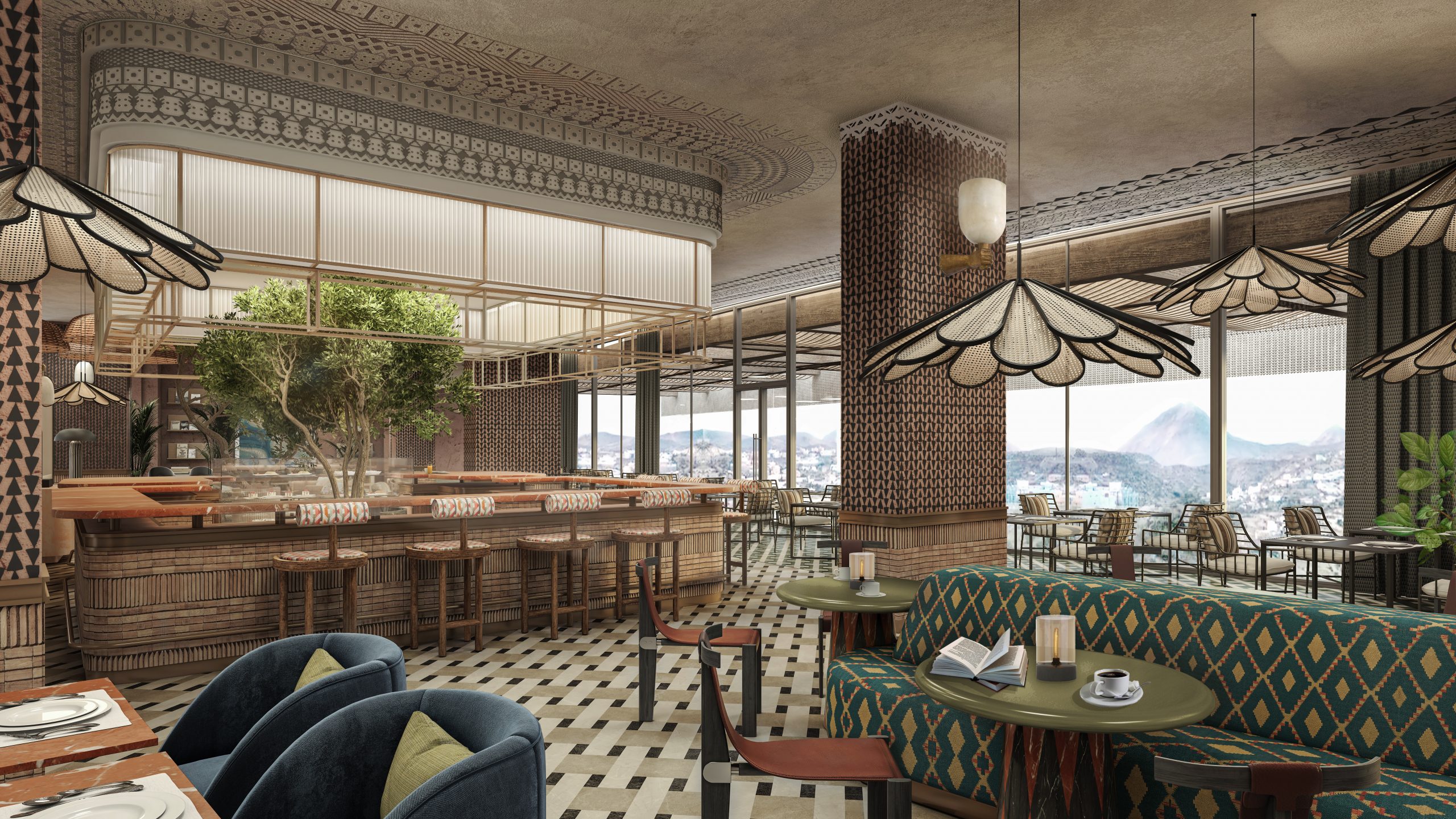
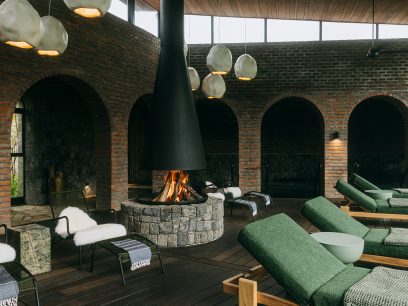
Restaurant concept of Canopy by Hilton The Point in Abha
“A project I often reference is Canopy by Hilton The Point, because it demonstrates how brand identity becomes strongest when it is inseparable from place.” Shares Dias. “Rather than treating the Canopy ethos as a fixed set of standards, we allowed the character of Abha, the mountain landscape, the cultural richness of Aseer, and the region’s artistic heritage to shape how the brand was expressed. That, to me, is where hospitality branding becomes truly innovative: not when a brand is imposed on a destination, but when the destination becomes the brand’s most authentic expression.”
Shifting Themes, Trends, and Technology
When asked about what the latest considerations were for hospitality, Buchrotaite shared that there still seems to be a focus on what she calls refined, minimal luxury. “It’s less about bold, lifestyle-driven palettes and more about material honesty, texture, and quiet elegance,” she said. “It’s not a one-directional trend. Our portfolio spans everything – from ultra-minimal resorts to richly detailed, traditional environments, and even more playful, industrial, or entertainment-driven spaces. Each has its place.” In markets with a diverse range of users, this may be perceived as particularly challenging. “You’re designing for a global audience with very different definitions of luxury and experience,” shares Buchrotaite. “While certain trends may lead at a given moment, in reality they all coexist – and that balance is what makes the region so dynamic.”
Dias adds that while aesthetics do matter in hospitality; context is critical. “In hospitality, they [aesthetics] only become meaningful when they translate into memory, wellbeing, and a sense of restoration,” he shares. Emotion out of the experience is key and is the goalpost. “Guests may first notice beauty, but what stays with them is the emotional residue of the experience,” shares Dias. “It is the calmness of arrival, the warmth of natural materials, the softness of filtered light, the shift in acoustics as they move from a vibrant social space into the privacy of their room, or the way a framed view creates a moment of pause.”
With a focus on sensory composition, the DLR team focuses on shaping guest experiences through rhythm, tactility, sound, scent, framing, and the emotional pacing between energy and retreat. Increasingly, this is also tied to wellness. “Luxury today is no longer only about visual richness; it is about how a space supports recovery, better sleep, mental clarity, social connection, and a deeper sense of human restoration,” shares Dias. “For me, the real role of aesthetics is to create emotion through space, but also to design environments that guests leave feeling better than when they arrived. Beauty is only the first layer; restoration is the lasting memory.”
When it comes to AI and technology, Dias is robustly positive. “The most successful technology in hospitality is the kind guests barely notice,” he shares. “Its role is not to make the experience feel more digital, but more intuitive. Whether through adaptive room settings, seamless arrival, intelligent concierge systems, or back-of-house efficiencies, technology should remove friction and allow the human side of hospitality to become even stronger.”
He shares he is most excited about how AI influences design. “It allows us to understand guest movement, dwell patterns, circulation logic, and operational behaviour far earlier in the process, giving us a more intelligent framework for shaping experience before the building is even realised,” he shares. “For me, the benchmark is simple: technology should make hospitality feel more human, not less,”
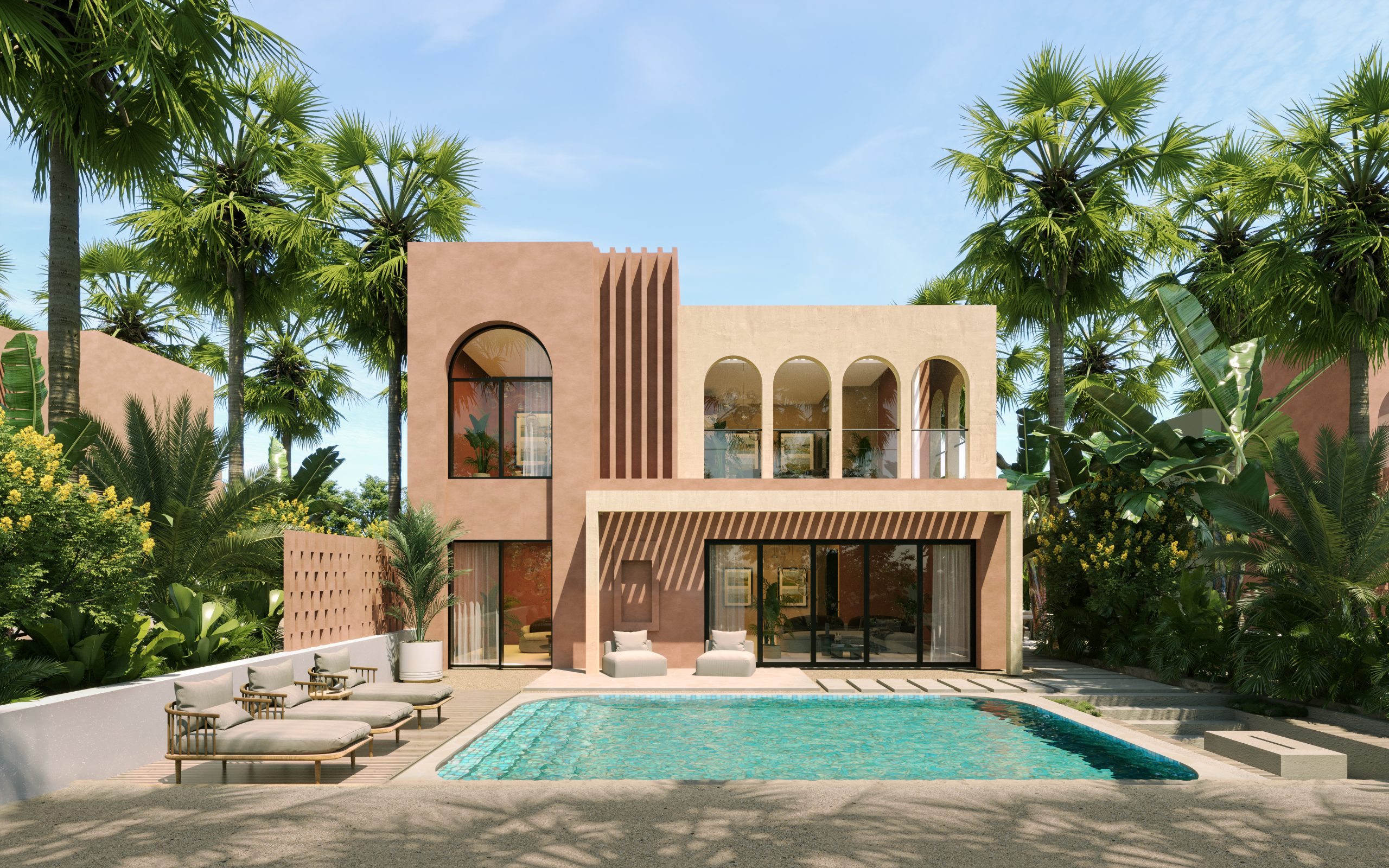
A contemporary three-bedroom villa designed around indoor-outdoor living, blending sculpted arches, shaded terraces, and tropical landscaping
Sustainability equated to quality
Dias also argues that sustainability is not an added value. “Guests today are far more conscious of how spaces are made, how they age, and how authentically they connect to their environment,” he shares. A focus is given on healthier materials, better daylight, natural ventilation, a stronger connection to the landscape, and spaces that feel built to last rather than designed for short-term visual impact. “That has shifted the design conversation much earlier for us,” he shares. “We now begin with endurance: how a space performs over time, how gracefully it ages, and how it can remain emotionally and operationally relevant without constant reinvention. For me, the most sustainable hospitality experiences are the ones that still feel timeless a decade later. That sense of longevity, calm, and authenticity is increasingly what both operators and guests are looking for.”
On operating in Saudi Arabia
With a lot of active projects in the region, Buchrotaite claims that hotel operators are focused on very similar goals as the rest of the region. This includes efficiency, a strong ROI, and clear positioning. According to Buchrotaite, in Saudi Arabia, there’s an added layer: every project is expected to be a destination. “That doesn’t always mean ‘iconic’ in the traditional sense,” she shares. “Some projects are bold and statement-driven; others are more familiar and expected, but what they all have in common is the need to deliver an experience that stays with people. Not just something that photographs well, but something that creates a memory.”
Another focus is on fit-for-purpose destinations. “Whether it’s a business hotel supporting a new wave of remote work, a resort offering a genuine escape, or a family-oriented development built around ease and entertainment – the success comes from how well it’s curated for its end user,” Buchrotaite shares. It’s all about creating a space that people remember long after they leave.
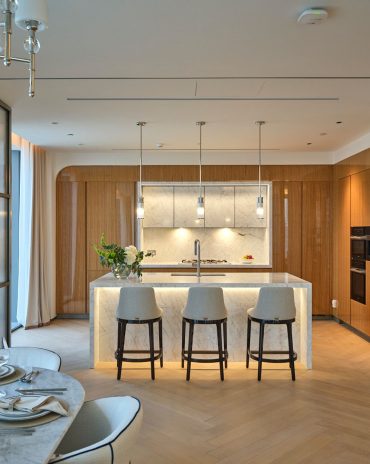
Poliform Blends Seamlessly with this Branded Residence
Bold, tactile pieces with raw material honesty
The Cut arrives at IF HUB, offering a new perspective on kitchen design through its focus on materiality, craftsmanship and sensory experiences
Opened in 1987, the King Fahad Sports City Stadium in Riyadh is undergoing a major renovation designed by Populous to transform it into a state-of-the-art venue for the 2034 FIFA World Cup
This cliffside West Coast residence is a thoughtfully layered response to a practical, mid-century-inspired architectural framework, shaped to reflect the lives and values of the people who call it home
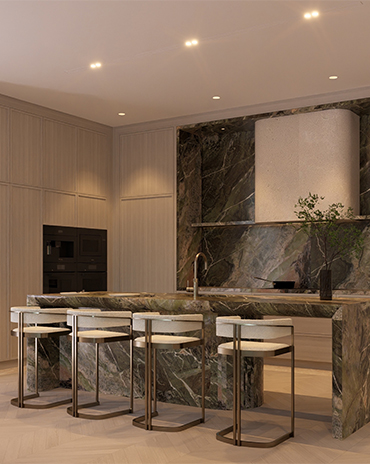
West One transforms a villa in Jumeirah Golf Estates that maximises its view of the sunset
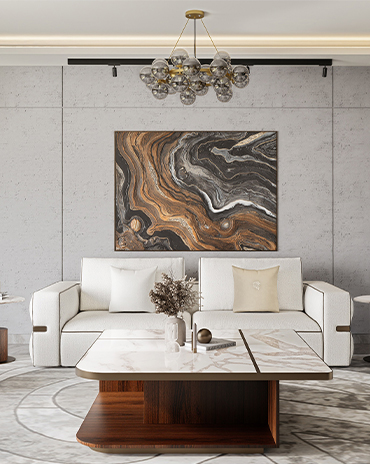
Interiors UAE highlights the beauty of materiality and craft by creating furniture that stands the test of time
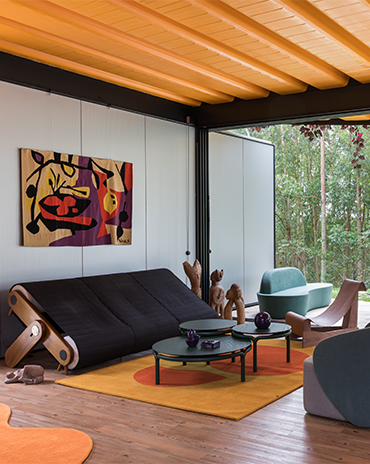
Tropical Modernism up close
We honor these product designers as part of the id50.

Here are the debuts of the id50 2026.
Take a look at the visionaries from our id50 2026

Meet the global firms with local presence that form a part of this year's id50