




Take a look at the visionaries from our id50 2026



Shahira Fahmy, Founder, Shahira Fahmy Architects (SFA)
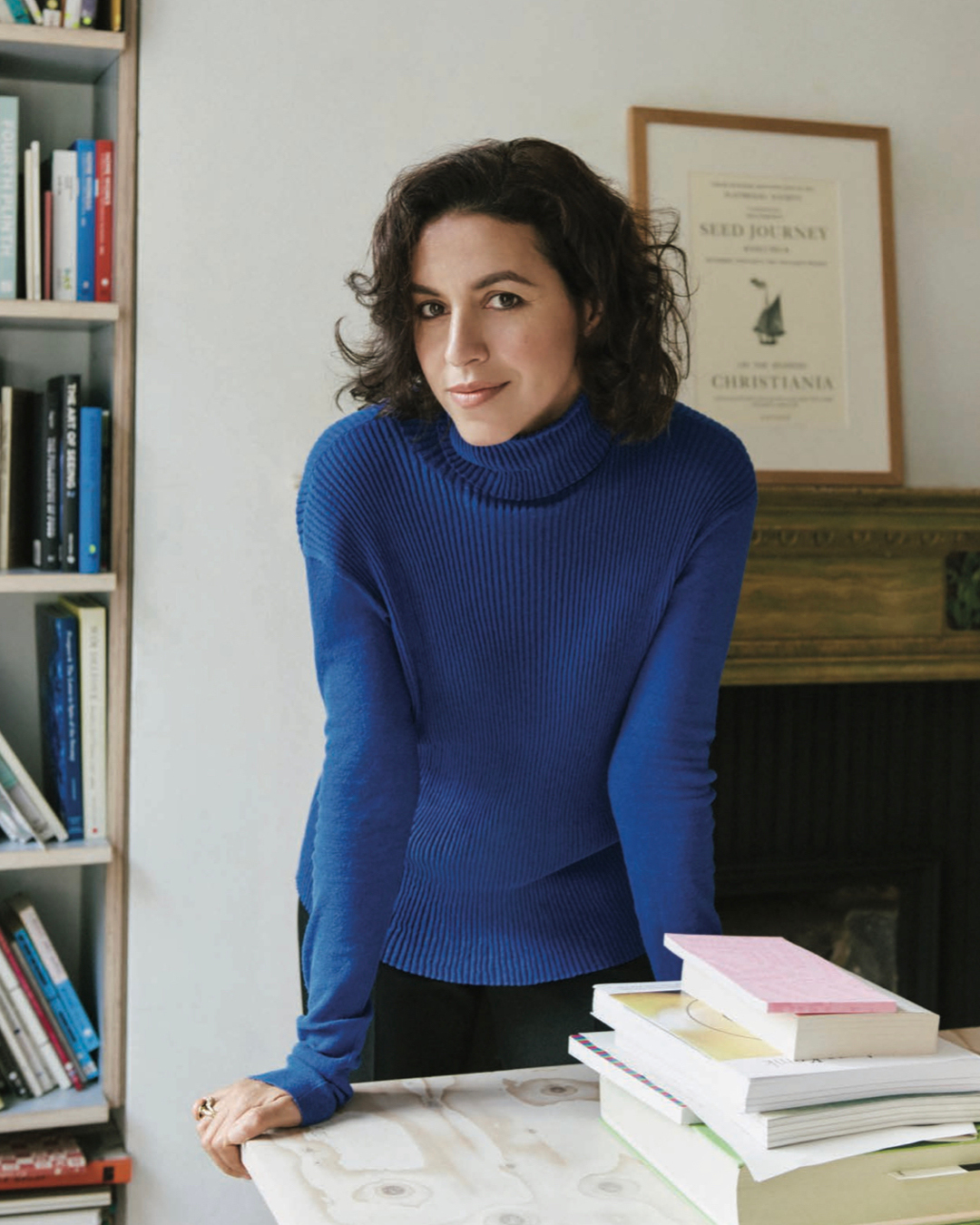
Fahmy embarked on a career in architecture after discovering it early in life. “Since I was always drawn to both art and mathematics, architecture felt like the perfect combination of the two,” she shares. “A key turning point came during my university years, when inspiring mentors encouraged me to develop my skills and pursue the profession seriously.” Fahmy established her eponymous practice in Cairo, Egypt in 2005 and expanded to Dubai, UAE in 2024. A graduate of Cairo University, she taught there for a decade and has lectured internationally, including at Columbia GSAPP and The American University in Cairo. Her award-winning work has earned multiple honours, including three fellowships at Harvard University.
As an award-winning architectural and design consultancy, SFA has built a strong reputation in heritage restoration and rehabilitation, particularly in mudbrick architecture through its work in AlUla Old Town, a 12th-century heritage site nominated for the Aga Khan Award for Architecture (2025). Guided by the ethos “a language discovered rather than designed,” the practice has extensive experience across architectural design, master planning, urban planning, interior design consultancy, and FF&E. Its portfolio spans projects in London, Saudi Arabia, Switzerland, New York, and the wider Middle East, grounded in a historically sensitive approach that promotes inclusivity within the built environment.
Key projects include the restoration and rehabilitation of Zone 1 in AlUla Old Town, including Dar Tantora The House Hotel and the first private residence in AlUla Old Town, Beit Bin Nouh, for the Royal Commission for AlUla (2024); the expansion of the Delfina Foundation (London, 2011); the winning scheme for the “100 Architects 100 Houses” competition in AlUla (2022); and finalist recognition in the invited international competition for the master planning of the historical city centre of Badr, Al Madinah (2024). SFA is also currently shortlisted in a confidential invited international competition for a cultural asset project in Diriyah.
Shaun Killa, Design Director and Founder, Killa Design
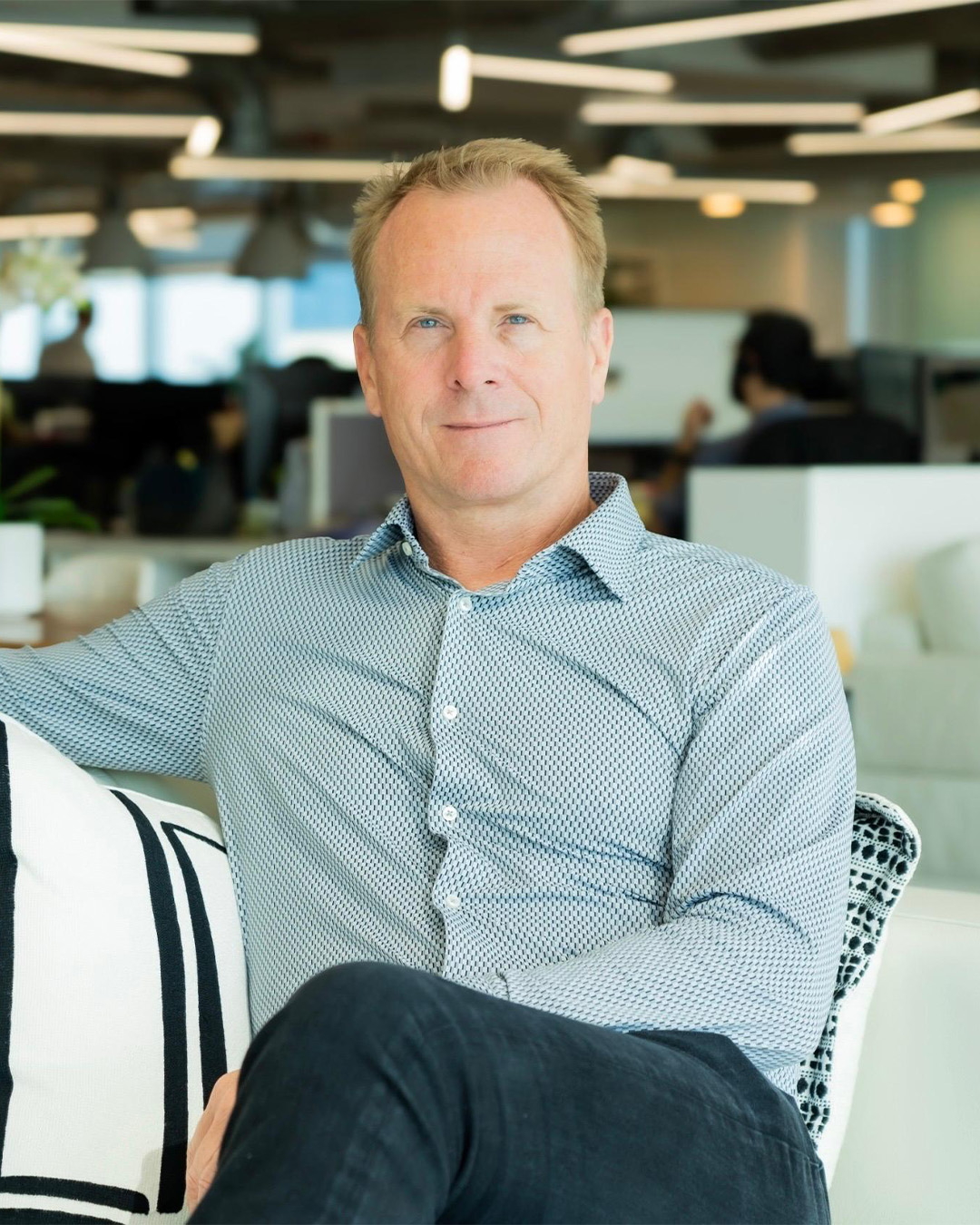
Shaun Killa is an award-winning architect, Design Director & Founder of Killa Design, with international experience spanning over 30 years. “My journey into architecture began in childhood. I was always drawn to both mathematics and art, and my stepfather, an architect with his own practice specialising in residential developments, exposed me to the field early on,” shares Killa. “At around 12 or 13, I started spending weekends at his office, where I became immersed in the design process, drafting plans, elevations, and sections. As I became more involved, I started building models for some of his developments and hospitality projects. There was something incredibly rewarding about translating a design into a physical model, and the fact that I was being paid for it only reinforced my passion. By my later years in high school, I was certain that architecture was my calling, despite my stepfather’s attempts to persuade me otherwise. I researched universities and ultimately pursued my degree in architecture, determined to push the boundaries of design.”
Killa’s career began in Dubai in 1998, after moving from South Africa to join Atkins as an architect. Over 16 years, he progressed to Regional and then Global Director of Architecture, contributing to some of the region’s most recognisable landmarks, including the Burj Al Arab and Bahrain World Trade Centre, the world’s first building to integrate wind turbines.
In 2015, Shaun founded Killa Design, winning two major competitions within the studio’s first few weeks, the Museum of the Future and Address Beach Resort. Since then, he has led the practice in delivering some of the world’s most forward-thinking projects, including the Museum of the Future, Shebara Resort, Jumeirah Marsa Al Arab and Address Beach Resort.
Killa’s work is defined by a belief that architecture should go beyond image. It should respond to context, create meaning and improve the way people experience the world around them. Under his leadership, Killa Design has grown into a global studio with work across the UAE, Saudi Arabia, the Maldives, Angola, the United States, Iceland and beyond, continuing to push the boundaries of design, sustainability and human-centred architecture.
Lina Ghotmeh, Founder, Lina Ghotmeh – Architecture
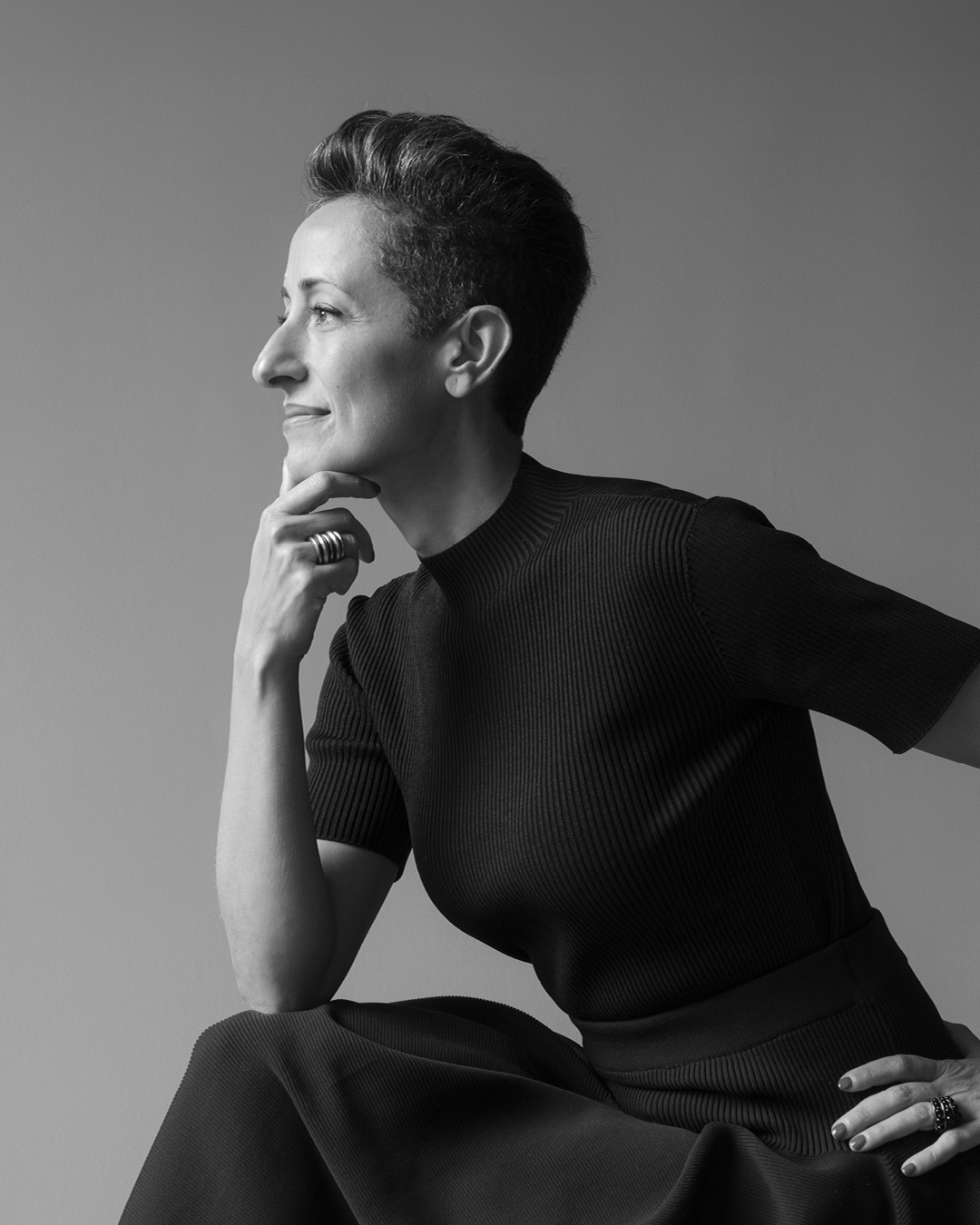
Ghotmeh is a Lebanese-born Paris based architect. Her internationally acclaimed firm is renowned for her award-winning, sustainable, and ecologically sensitive designs. Raised in Beirut, Ghotmeh’s work explores themes of rebirth, natural materials, and traditional craftsmanship, seamlessly blending history with sustainability to shape a visionary and inclusive approach to architecture.
At the heart of the firm’s philosophy is what Ghotmeh calls the “Archaeology of the Future” – a design ethos that fosters a deep connection between architecture, history, nature, and materials. Each project reflects this approach, creating built environments that are both contextually rooted and forward-thinking.
Among the firm’s most notable works is Stone Garden in Beirut, and exhibited at the Venice Biennale, MAXXI in Rome, and the Cooper Hewitt Museum in New York. Other significant projects include the 22nd Serpentine Pavilion (2023) in London, Ateliers Hermès – France’s first low-carbon, energy-positive building – the Estonian National Museum and the Bahrain Pavilion for Expo 2025 in Osaka, which has been awarded the Gold Award for Best Architecture and Landscape in the self-built pavilions under 1,500 square meters category.
Ghotmeh’s practice is also behind the upcoming redesign of the Western Range galleries of the British Museum ; the Qatar’s permanent pavilion of La Biennale di Venezia and the AlUla Contemporary Art Museum in Saudi Arabia.
Beyond practice, Ghotmeh is engaged in architectural education. She has held prestigious academic positions, including the Louis I. Kahn Professorship at Yale, the Gehry Chair at the University of Toronto (2021 – 2022), and the Kenzo Tange Professorship at Harvard GSD (2024).
Her work has earned numerous accolades. What drew Ghotmeh to architecture was archaeology, and surprisingly – medicine. “What fascinated me was understanding human beings, their histories, and the traces they leave behind,” she shares. “Archaeology taught me to read layers of memory and identity, especially growing up in Beirut. The turning point was realizing that I wanted not only to uncover stories from the past, but also to create new ones. Architecture offered that possibility: it combines research, care for people, and the act of building. In many ways, I still approach architecture with the curiosity of an archaeologist, but with the opportunity to shape spaces for the future.”
A sought-after speaker at conferences and workshops worldwide, Ghotmeh brings a unique, cross-cultural perspective to contemporary architectural challenges. Her practice spans a diverse range of projects – from small-scale objects to landmark cultural institutions – continuously pushing the boundaries of architecture with a humanist and forward-thinking approach.
Vera Dieckmann, Founder and Creative Director, XO Atelier
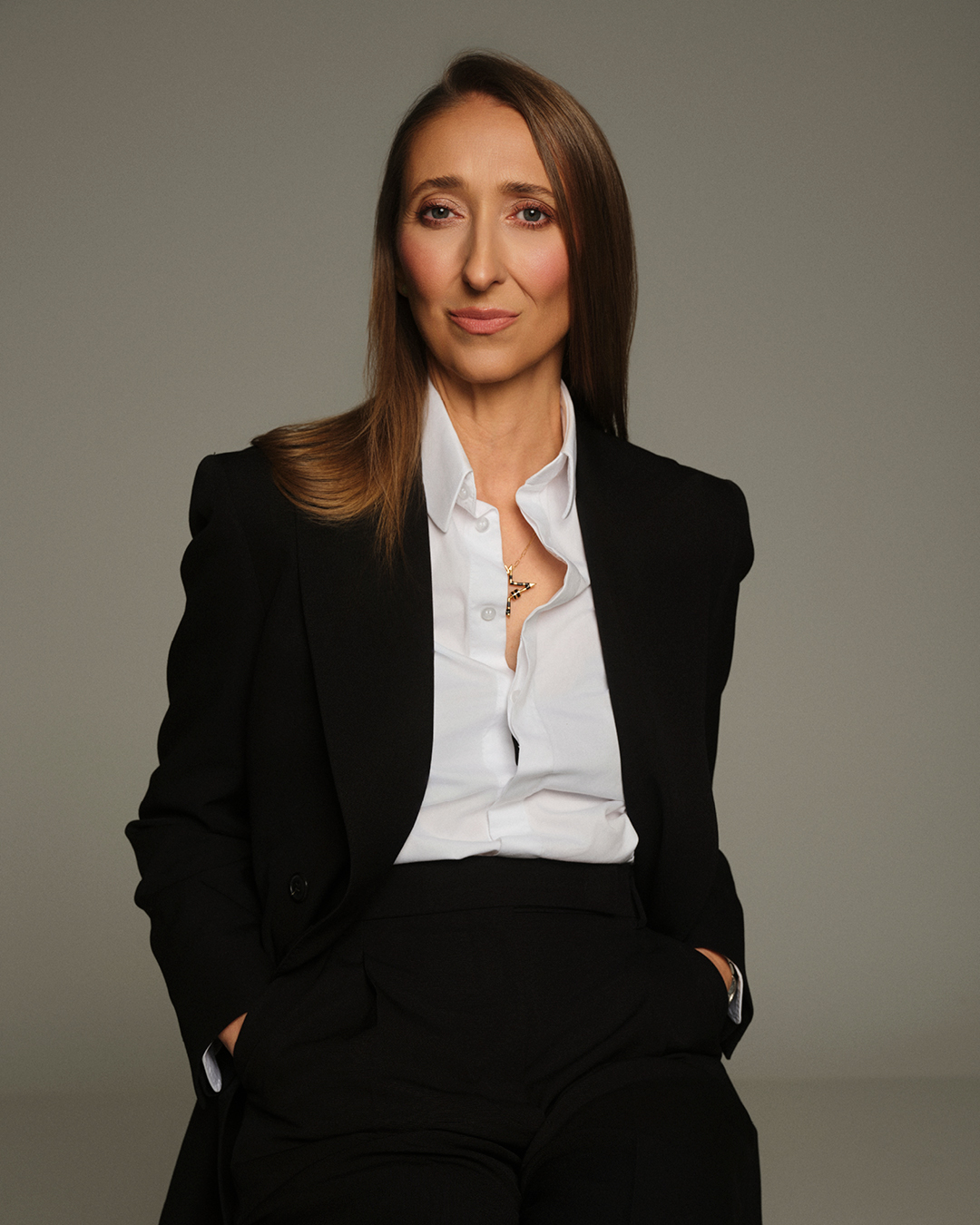
Dieckmann is the founder and creative director of XO Atelier, a Dubai-based boutique interior architecture and design studio founded in 2021. With an international background in hospitality, luxury residential, commercial, and product design, her work is defined by a refined minimalism focused on atmosphere, emotion, and timeless spatial experiences rather than decorative storytelling.
A key turning point in Dieckmann’s journey towards architecture came at the age of 17. Initially drawn to fashion design, she realised her deeper passion was the ability to create something lasting – transforming an idea or vision into a physical reality that people can experience over time. This desire to shape spaces, emotions, and environments ultimately led her to pursue architecture and interior architecture instead of fashion.
Her educational and professional background in hospitality and luxury residential design strongly shaped the philosophy of XO Atelier, where materiality, lighting, proportion, and emotional atmosphere are central to every project. The studio’s recent works include Cartel Marina in Abu Dhabi, Cartel Al Ain, Kneaded Bakery, Aura Café Dubai, as well as several private residences and commercial office projects across the UAE.
In December 2025, XO Atelier further expanded its creative direction into product design through a collaboration with Lasvit, reinforcing the studio’s focus on craftsmanship, sculptural design, and contemporary collectible pieces.
Laila Al-Yousuf, Design Director and Partner, SAY Studio

Al-Yousuf has led the SAY Studio team to successfully deliver projects for global clients such as PwC, Facebook, LinkedIn, Google, Pepsi, Uber, and Hewlett Packard Enterprise. An Emirati designer, Al-Yousuf is a LEED AP that is passionate about sustainability and wellness in design. She conceptualised the ‘Surge for Water’ design competition, attracting other designers to design for a cause. Surge has brought access to clean water to over 1 million people in 11 countries.
SAY’s studio’s latest projects include the new regional headquarters for IFF in Dubai Science Park. Recent projects include the transformation of a three-storey villa in Motor City into a modern family home. In Saudi Arabia, the team successfully completed Deloitte’s headquarters in the heart of the King Abdullah Financial District. One of the most meaningful projects of Al-Yousuf’s career is a pro bono design project for a high-risk pregnancy clinic, which came after her own miscarriage. Despite the emotional challenges involved, she felt her personal journey could make a difference in designing a warm and comfortable space for the women who would use the space. This experience inspired the studio so much that earlier this year, it launched an open call to find an individual or initiative where pro bono design could make a difference once again.
“My fascination with interiors began long before it became a professional career,” Al-Yousuf shares. “As a child, I was endlessly curious about the spaces around me – constantly asking why certain environments felt inspiring or memorable, and how design could shape the way people think and feel. Whether it was repainting walls, or moving furniture around, I’d love experimenting with how small changes could completely transform an experience. Looking back now, I have always been drawn to the powerful relationship between people and place, and it continues to drive the work I do today.”
Pallavi Dean, Founder and Creative Director, Roar
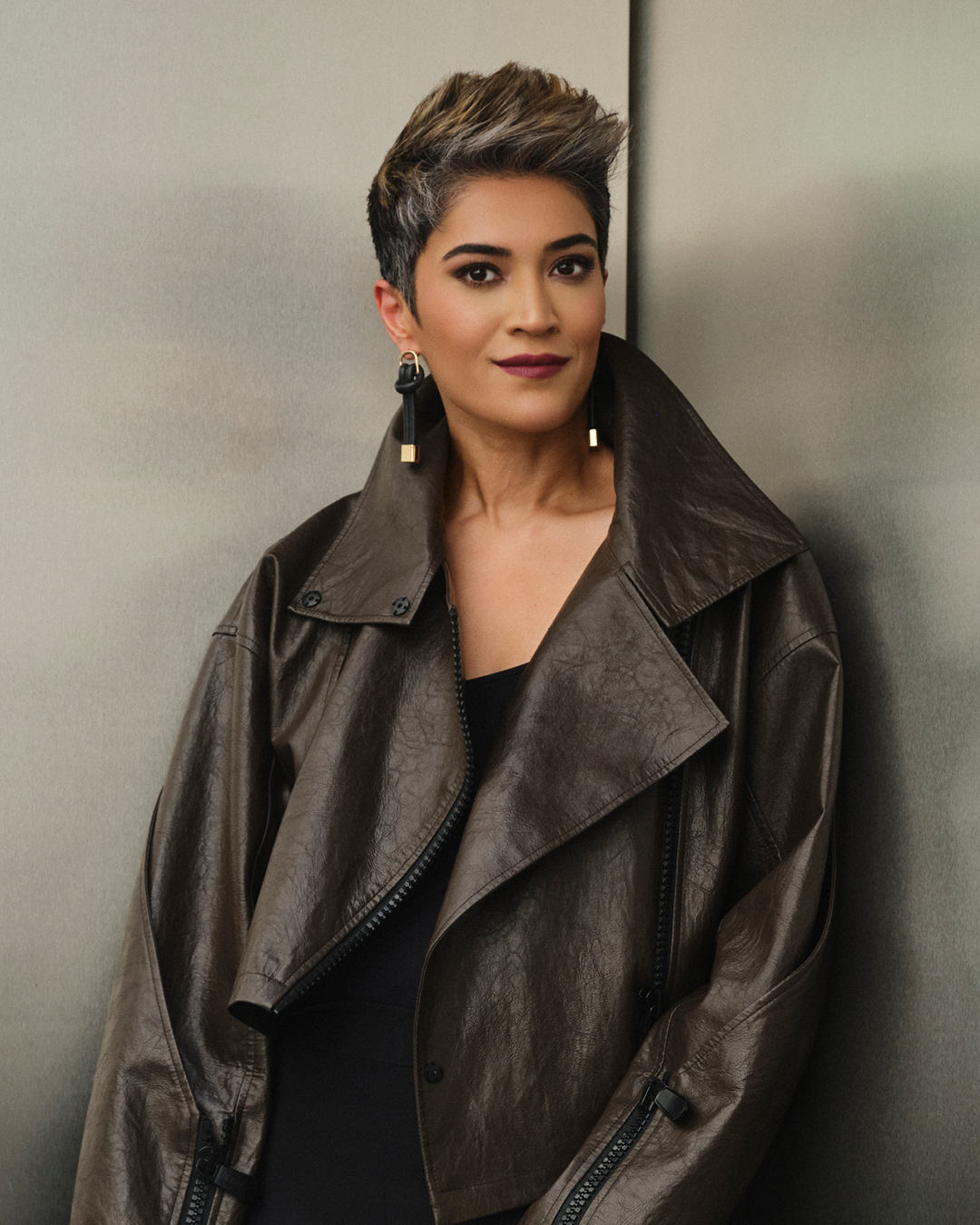
This is a big year for Roar. The studio is currently working on a great mix of projects globally and locally. Internationally, that includes an office in Boston, a luxury private villa in Mumbai, and the fit-out for two corporate buildings in Frankfurt. Closer to home, they have projects across Dubai, Abu Dhabi and Sharjah, including a school, a hotel refurbishment, several workplace projects and a longevity clinic. Most of these are currently on the drawing boards, so 2027 is shaping up to be a very exciting year for the firm.
Spearheaded by Dean, she shares, “I’ve always felt like an interior designer living in an architect’s body. At university, I started out in visual communications program, but my professors pulled me into the world of architecture and three-dimensional design. After practicing architecture for five years, I realised my passion was really interiors and how people emotionally experience space. Since then, I’ve explored set design and product design too. Honestly, there was never one defining “tipping point.” I’m quite fluid creatively. At my core, I simply see myself as a designer, regardless of the discipline.”
Rabah Saeid, Founder, Styled Habitat
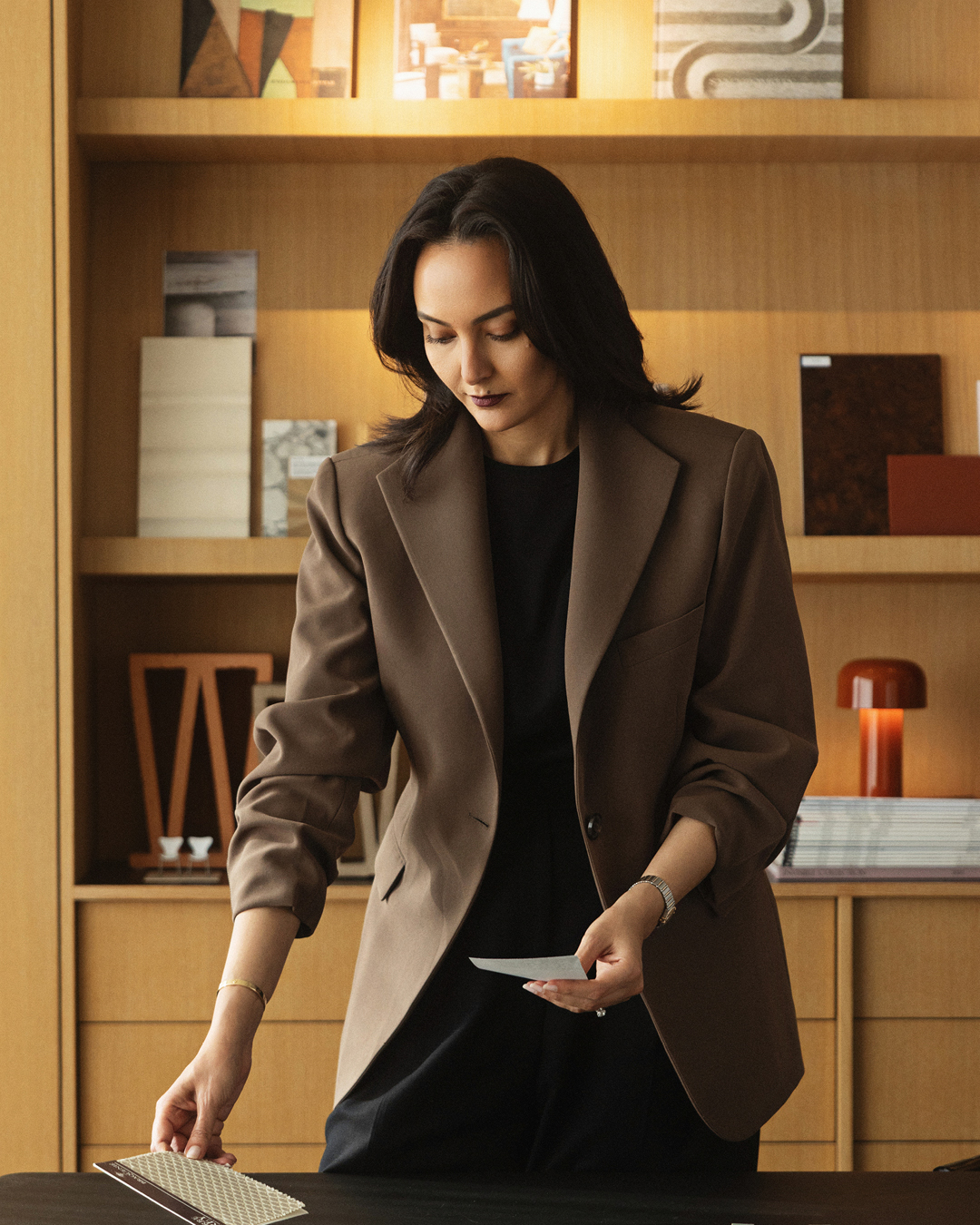
“I had not grown up around anyone in the creative field,” shares Saeid. “No one had shown me that was a world I could belong to. Yet looking back, moving around from a young age had exposed me to diversity in style, architecture, and aesthetics. So much shaped my viewpoint before I ever realised it. With the purchase of our first home, I was confronted with decisions about finishes and fixtures. Daunting at first, and then a creative act I enjoyed and was completely absorbed by. I did not have the language for what I was doing yet. I only knew that something was fully engaged during those hours in a way it wasn’t engaged anywhere else. I enrolled in interior architecture. The path was long and crowded with life, but the direction was clear.” An American-Sudanese designer, Saeid is a member of the American Society of Interior Designers. She is renowned for her approach to crafting immersive residential, commercial, and cultural spaces that captivate the senses and tell compelling stories where spaces and emotions harmonise. Her work, defined by expressive narratives and a distinctive point of view, has been widely recognised across the region through reputable design awards and widespread editorial features.
Saeid’s design philosophy is designing to the tension that plays out between restrained, understated, sensual attraction, and the warmth of belonging. Saeid’s work not only garners recognition but also challenges conventions. Her belief in the importance of respecting historical context, local nuances, and architectural integrity underscores her commitment to demonstrating that thoughtful design is not just an aesthetic endeavour but a profound journey that respects and transcends the constraints of time and tradition.
Paul Nulty, Founder, Nulty
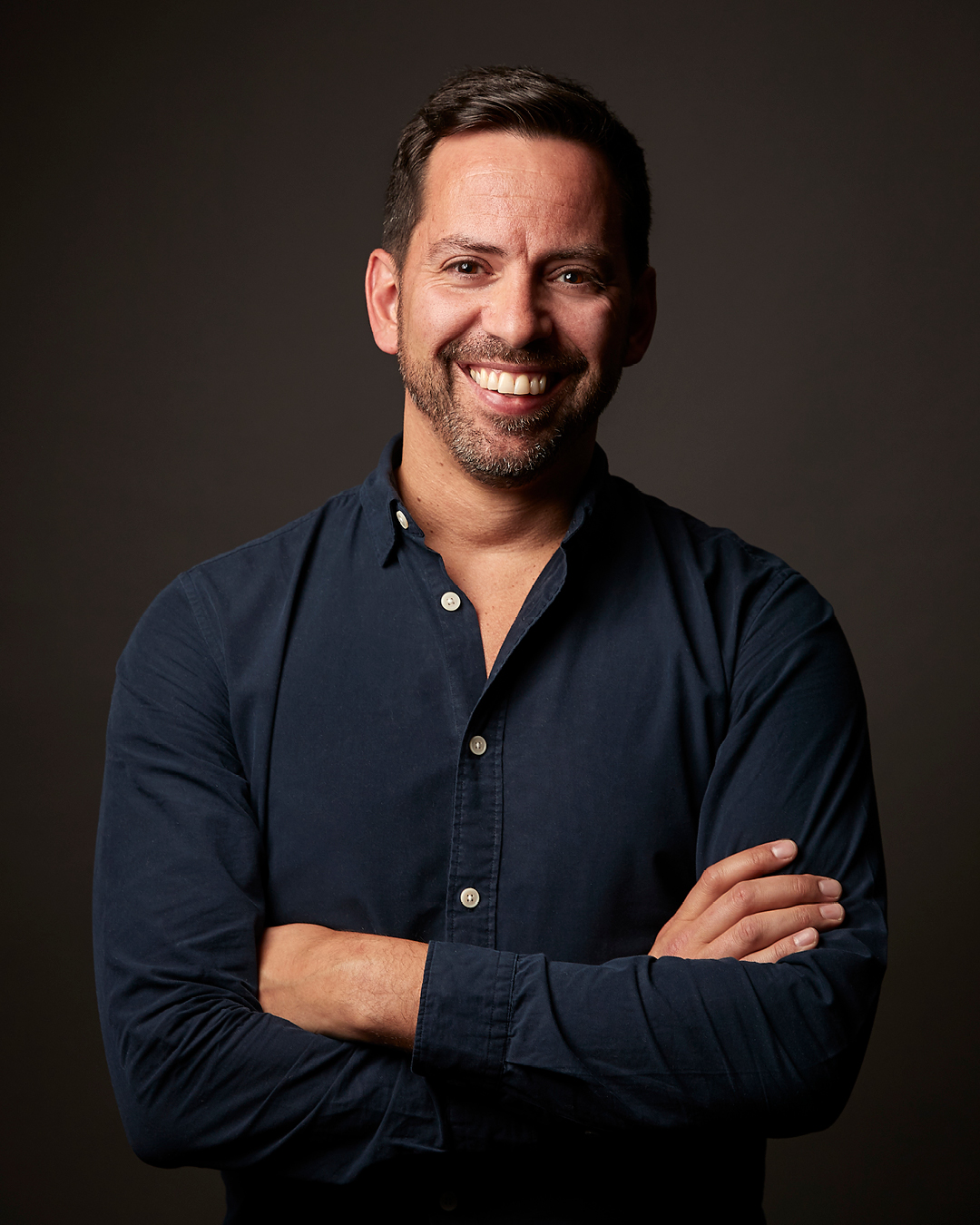
Nulty is an award-winning lighting design consultancy working with leading developers, architects and interior designers across the globe. Launched in London in 2011, Nulty’s mission is to be more than a lighting design practice. The team is committed to redefining architectural lighting design by pushing design boundaries and leading the industry towards more creative ways of working with light. What began as a guiding philosophy has evolved into a global movement. Today, Nulty is one of the largest independent lighting design consultancies in the world, with studios in Europe, the Middle East, Asia and North America.
Under Nulty’s leadership, Nulty Dubai has expanded its reach across MENA, delivering lighting design at every scale – from city-wide lighting masterplans, public realm schemes, mixed-use developments and hospitality resorts to independent boutiques, F&B outlets and private residences. Celebrating ten years in the region this year, the team’s diverse portfolio of work includes award-winning schemes for DIFC Gate Village, The Chedi Hegra in AlUla, Atmosphere Burj Khalifa, 25hours Hotel Dubai One Central, the Waldorf Astoria Lusail and Marina Mall in Abu Dhabi.
Alongside Nulty’s project work, Nulty champions the importance of light both within and outside of the lighting industry. He studied for a BTEC in Performing Arts before progressing to a BA in Performance Design at the Liverpool Institute for Performing Arts. While training as a set designer, he discovered his passion for architectural lighting design, inspired by how a theatre designer can create atmosphere and drama through light alone. These principles shaped his career as a lighting designer, giving him a unique understanding of the relationship between space and light, and the power to use light to create an emotional connection.
Agata Kurzela, Creative Director, Agata Kurzela Studio
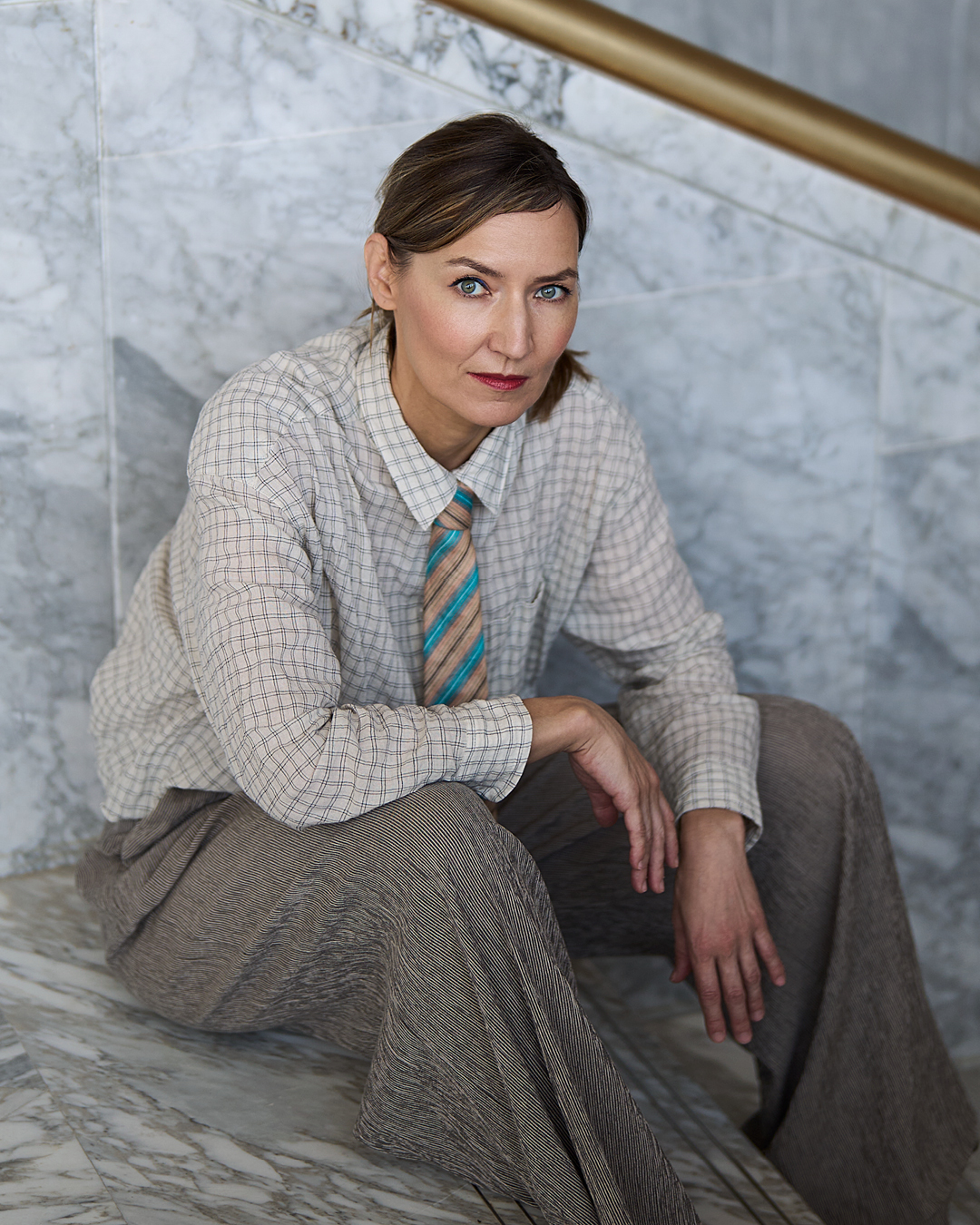
Kurzela launched her practice in 2020. A blend of contemporary creativity, technological insight, and contextual awareness distinguishes her studio’s work. Her niche is trandforming functional, poetically engaging spaces across various disciplines, including product design, installations, interior design, and architecture. Kurzela supports her clients from concept to completion with projects of differing scales throughout the Middle East, Europe, and beyond.
She holds a Master of Science in Engineering, specializing in Architecture and Urban Planning, from Gdańsk University of Technology, and has studied Sustainable Community Development through a collaboration between Uppsala Technical University and the Technical University of Gdansk. Among her recent projects is the interiors of the Zayed National Museum. The project was achieved through a curatorial, research-led process; integrating architectural scale with material intimacy, bringing together established and emerging regional voices through extensive collaborations with local designers, artisans, and makers. Earlier projects include a Government Office and a Royal Lounge for Formula One in Abu Dhabi.
Architecture for Kurzela was something she describes as a convergence of two separate pursuits. “As a child, I would happily spend hours with my nose buried in mathematics books, fascinated by logic, patterns, and problem-solving. In quite a contrast, some of my fondest memories are of sitting with my grandfather on his sunlit patio; a paint palette in hand, painting together for hours,” she shares. “A fascination with space itself came later – its depth, proportions, and the way we experience it.”
Mustafa Khamash, Creative Director, Kart Group
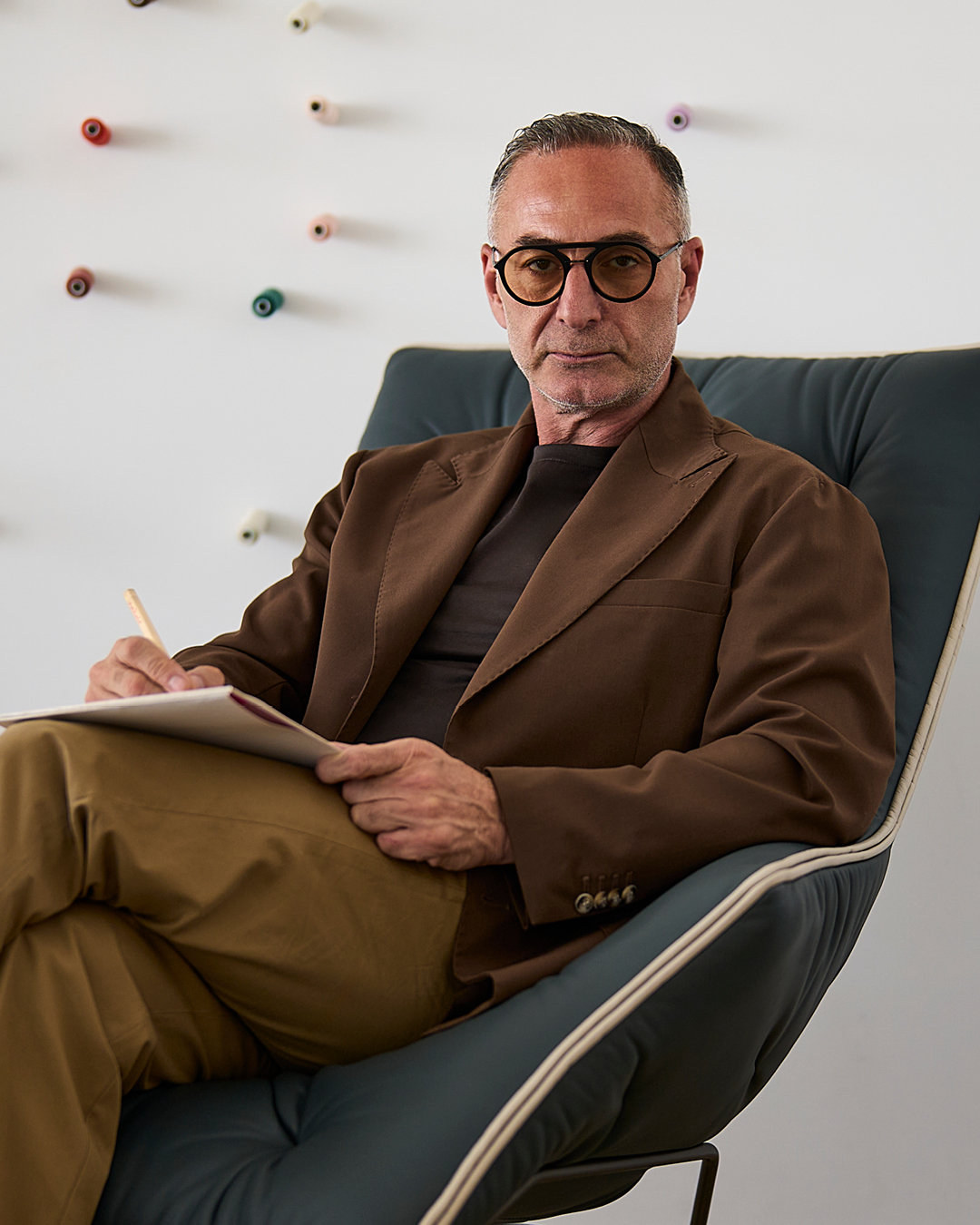
Mustafa Khamash is an award-winning Emirati architect. Kart Group is a multidisciplinary practice with a legacy spanning more than two decades. The firm has become recognised for delivering sophisticated, award-winning environments for government, royal, and corporate clients across the region. Khamash is distinguished by his unique role as a trusted advisor to senior leadership and public entities across the GCC.
His architectural approach was developed during his formative years at the Istituto Universitario di Architettura di Venezia. Khamash’s early career was shaped by working alongside the legendary Paolo Piva, followed by high-level international collaborations with Zaha Hadid Architects and Philippe Starck.
Recent projects include the Al Maktoum Archives, a vital institutional project dedicated to preserving and celebrating the historical and cultural heritage of Dubai’s ruling family. Another project is the Government Experience Exchange Office (GEEO.) The residential portfolio features exclusive luxury residential projects spanning the UAE and North Africa, including bespoke high-end villas in Al Khawaneej, a penthouse on Palm Jumeirah, and a project in Dar Mira in Rabat, Morocco. Khamash is also involved in the creation of public art installations that operate at the intersection of architecture, sculpture, and national identity. Significant public contributions to the UAE’s urban fabric includes Haddad at the Dubai International Financial Centre, The Vision in Dubai Design District, and Frontliner at Dubai Science Park.
Beyond his private practice, Khamash is a pivotal figure in the UAE’s design ecosystem, dedicated to fostering the next generation of regional talent. Through a strategic collaboration with Dubai Holding, Kart Group established a comprehensive scholarship program with the Dubai Institute of Design and Innovation. Khamash describes his tipping point as realising architecture is one of the few professions where art, innovation, business, and human impact come together. “What started as a passion for creativity evolved into a mission to create spaces and artworks that inspire people, elevate communities, and leave a lasting legacy,” he shares.
Ghida Chehab, Founder, Studio Baab
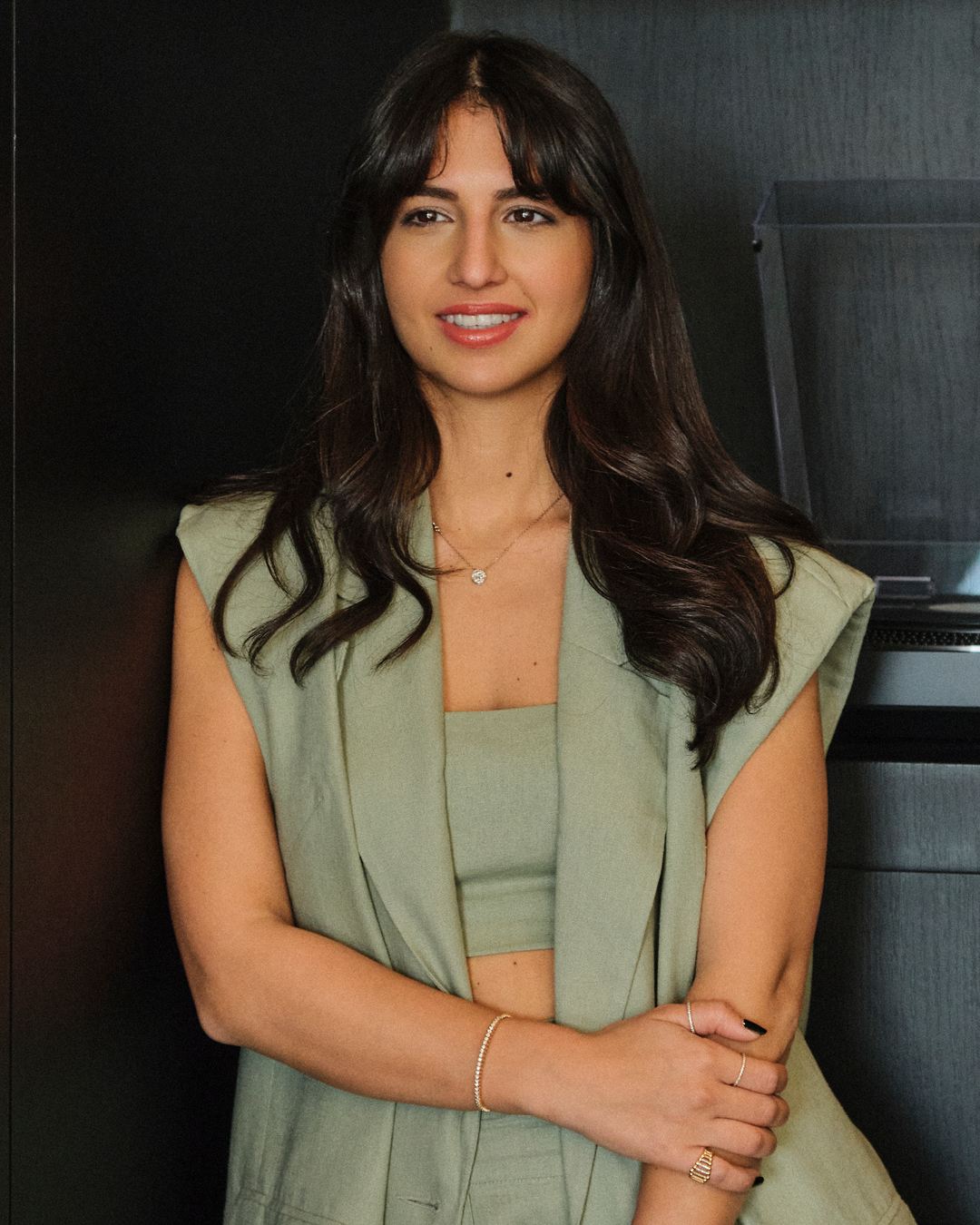
Growing up in Lebanon, Chehab was naturally drawn to the richness of her surroundings; from the layered character of Beirut’s streets to the diversity of its architecture and built environments. “I always admired the craftsmanship found in traditional Lebanese spaces, where detail, material, and proportion come together,” she shares. “Over time, I became fascinated by how spaces can quietly shape experience, how they can hold memory, evoke emotion, and influence the way we move and feel within them. My path into architecture and interior design came from this curiosity. It felt like a way to explore the relationship between culture, materiality, and everyday life, and to translate that into something tangible. Today, that early inspiration continues to guide my work, with a focus on creating spaces that have their own character: where material, light, and form come together in a balanced and thoughtful way.”
Chehab founded Studio Baab as a “progressive interdisciplinary architecture and design practice based in Dubai, crafting spaces that are thoughtful, immersive, and enduring.” The studio’s portfolio spans hospitality, retail, and commercial environments, including projects such as Trio Cafés and Ganache Chocolatier. Each project is approached with a distinct vision, balancing contemporary expression with timeless design principles to create spaces that are both functional and memorable.
“Our methodology begins with a story,” shares Chehab. “We curate design through the lens of dynamism, authenticity, and materiality, balancing functionality with aesthetics to create spaces that are fresh, timeless, and emotionally resonant.”
Kristina Zanic, Founder, Kristina Zanic Consultants
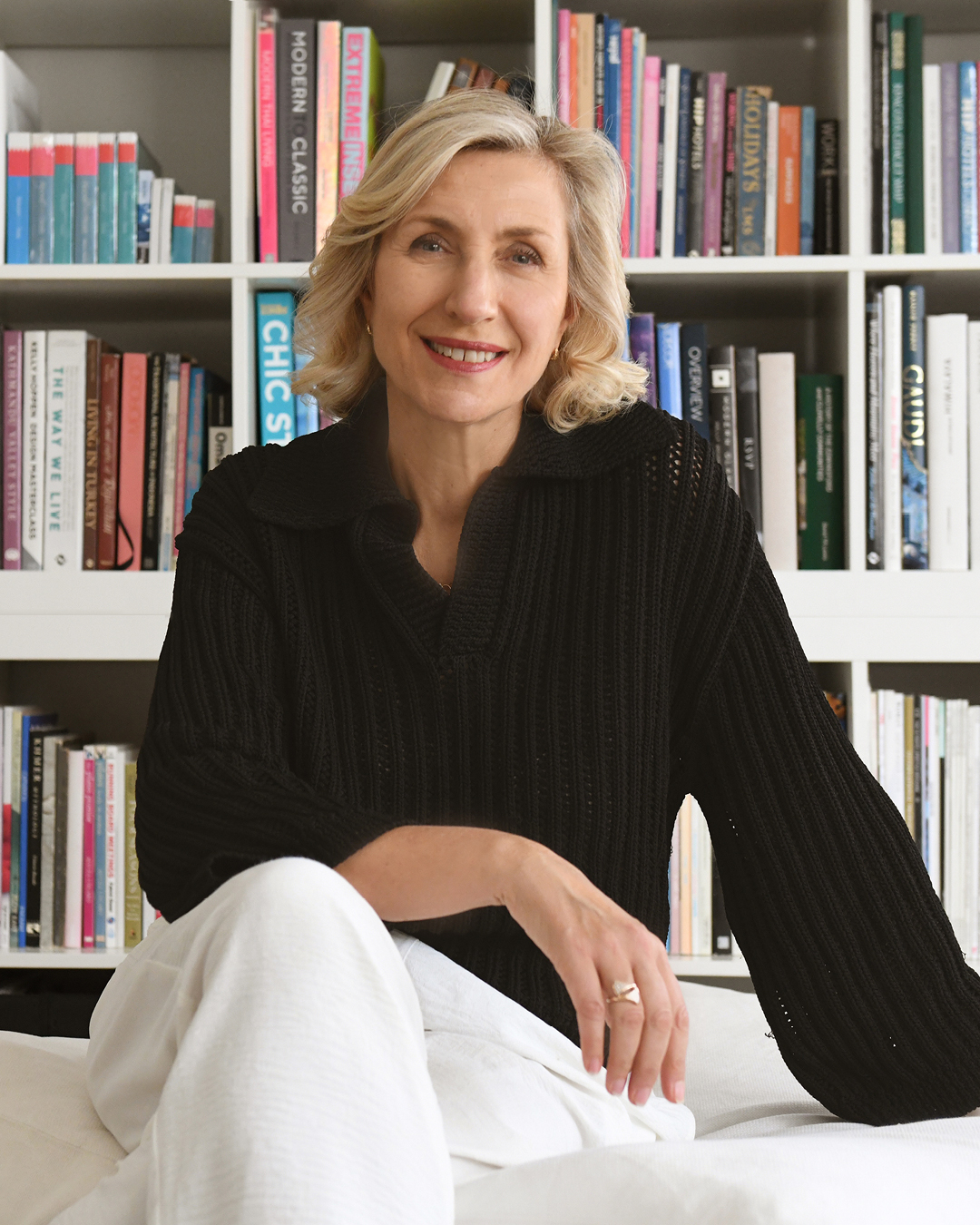
Zanic is an internationally acclaimed interior designer and entrepreneur with more than four decades of experience shaping exceptional interiors in over 20 countries. She founded Kristina Zanic Consultants in 2012 and has since grown the studio into a leading multinational design practice. Throughout her career, Zanic has been recognised for her creative vision, leadership, and contribution to the design industry, earning numerous accolades and a place among the region’s most influential designers. She has also served as a speaker at leading industry events and as a judge for international design competitions.
Under Zanic’s leadership, Kristina Zanic Consultants has grown into a leading global interior design studio with creative hubs in Dubai, London, Riyadh, Bangkok, and Clark. Since 2012, the firm has delivered projects across Europe, the Middle East, Asia, and Africa, earning a reputation for thoughtful design and a strong international perspective. Today, KZC is known for creating exceptional hospitality, residential, commercial, and branded environments worldwide. The studio’s most recent projects include Intercontinental The Red Sea on Shura island, Saudi Arabia, whose “Natural Maze” concept transforms circulation into fluid, organic spaces that encourage exploration and connection to the landscape. Another project is SO/ Ras Al Khaimah. Originally designed as a wellness retreat, the property was reimagined as a fashion-led, ultra-all-inclusive destination. Inspired by the “concept store” narrative, the design blends local art, fashion-forward thinking, and storytelling to guide guests through curated environments that merge hospitality, art, fashion, and culture.
“A defining moment in my career was realising that great design is not simply about how a space looks, but about how it is experienced and remembered,” shares Zanic. “Early hospitality projects played a key role in shaping that perspective. Working on projects where every detail contributed to the guest journey showed me how thoughtfully designed environments can shape human connection and interaction. That experience gave me the confidence to pursue this path and the motivation to continually push creative boundaries. As my career progressed, working on large-scale destination developments and collaborating with internationally recognised hospitality brands deepened my understanding of luxury, guest experience, and the importance of creating a strong sense of place. These opportunities reinforced my belief that the most successful projects are rooted in authenticity and storytelling. Exposure to diverse regions and cultures has further strengthened my appreciation for contextual design and the role local identity plays in shaping memorable destinations.
Today, I see design as a balance between creativity, functionality, cultural understanding, and commercial purpose. The opportunity to bring those elements together in a way that resonates with people and reflects the character of a place remains one of the most rewarding aspects of this profession.”
Omar Nakkash, Founder, Nakkash Design Studio
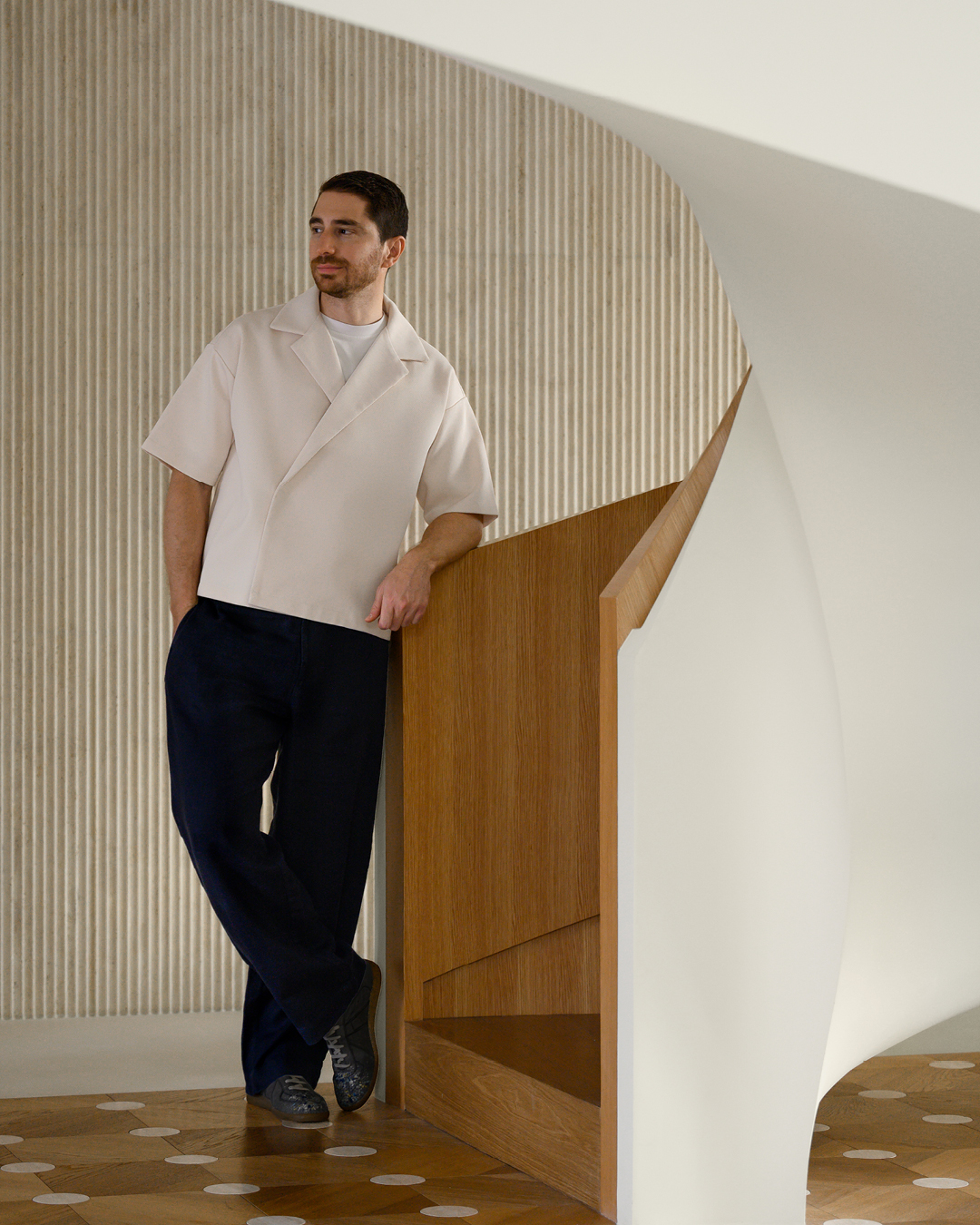
‘A concept-driven, human-centered studio where the whole is greater than the sum of its parts.’ That’s how Nakkash describes his studio that he founded in 2015. Nakkash Design Studio is a multidisciplinary architecture and design practice based in Dubai, UAE. The studio takes a holistic approach to design, placing the occupants and their individual needs at the center of every decision. The result is a portfolio of harmonious spaces that balance function and aesthetics with quiet precision. The practice works across residential and commercial sectors, with projects spanning interior, graphic, and product design. Recent projects include the Dubai Chamber of Commerce, Parlour at One Central DIFC and Villa Traversa, a 6-bedroom residence in Meadows, Dubai.
Nakkash received his bachelor’s degree in Design and Management from Parsons School of Design, New York, before moving to Milan to complete graduate studies in Interior Design at Scuola Politecnica di Design. He returned to the UAE in 2012 and founded Nakkash Design Studio in 2015. “I always knew I would end up in the arts or architecture,” he shares. “Art class was where I felt most at ease, most myself. The real tipping point came around the age of eight, when I came home with a painting of Van Gogh’s Sunflowers. My father, who is an architect, saw it and something shifted. That moment quietly confirmed the direction I was already heading in.”
Firas Alsahin, Co-Founder and Design Director, 4SPACE Design
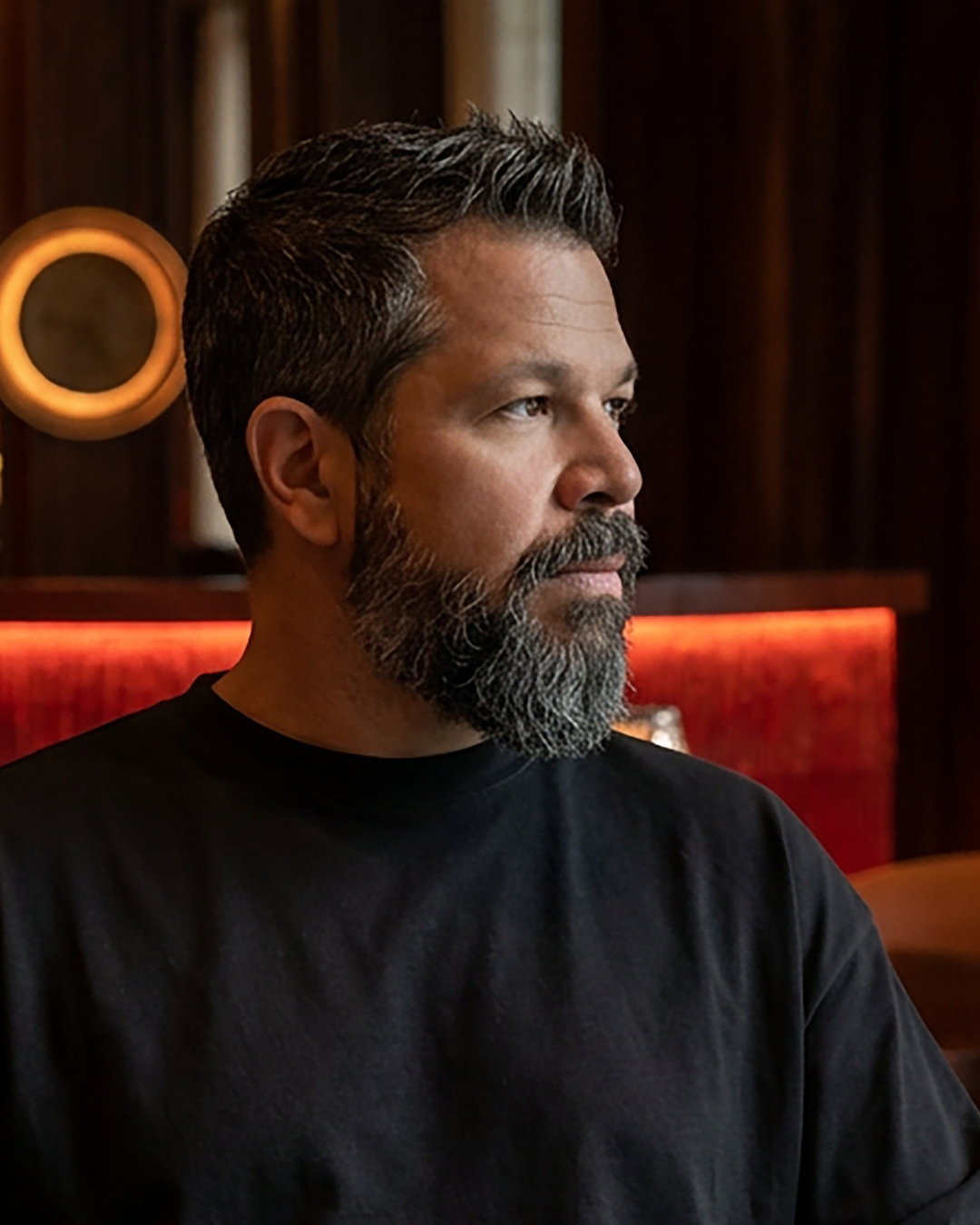
Alsahin established 4SPACE Design in Dubai, UAE in 2012 with Amjad Hourieh. Over the years, Alsahin has shaped 4SPACE into one of the region’s most prolific design practices, with over 300 completed projects spanning F&B, hospitality, retail, and large-scale entertainment destinations.
Alsahin is well-known in the space for the integration of AI into the design process, exploring how emerging technology and craft can coexist in spatial storytelling. Recent projects include MEI – a contemporary Japanese dining concept where restraint becomes the design language and BE Club Headquarters, which Alsahin describes as a space where workplace, hospitality, and identity share one continuous choreography.
“As a kid I was obsessed with sci-fi, with technology, with Lego – I was always building worlds. But my parents had a different plan: my father is a surgeon, and I was supposed to follow him. The tipping point came when I rebelled and entered the fine arts faculty drawing competition in Damascus – with only three days to prepare. I passed with one of the highest grades, and in that moment I knew this wasn’t a hobby, it was who I am,” shares Alsahin. “Looking back, nothing really changed – I’m still that kid building futuristic worlds, just at full scale now, and with AI instead of Lego bricks.”
Reem Al Qamzi, Founder, Rqitects
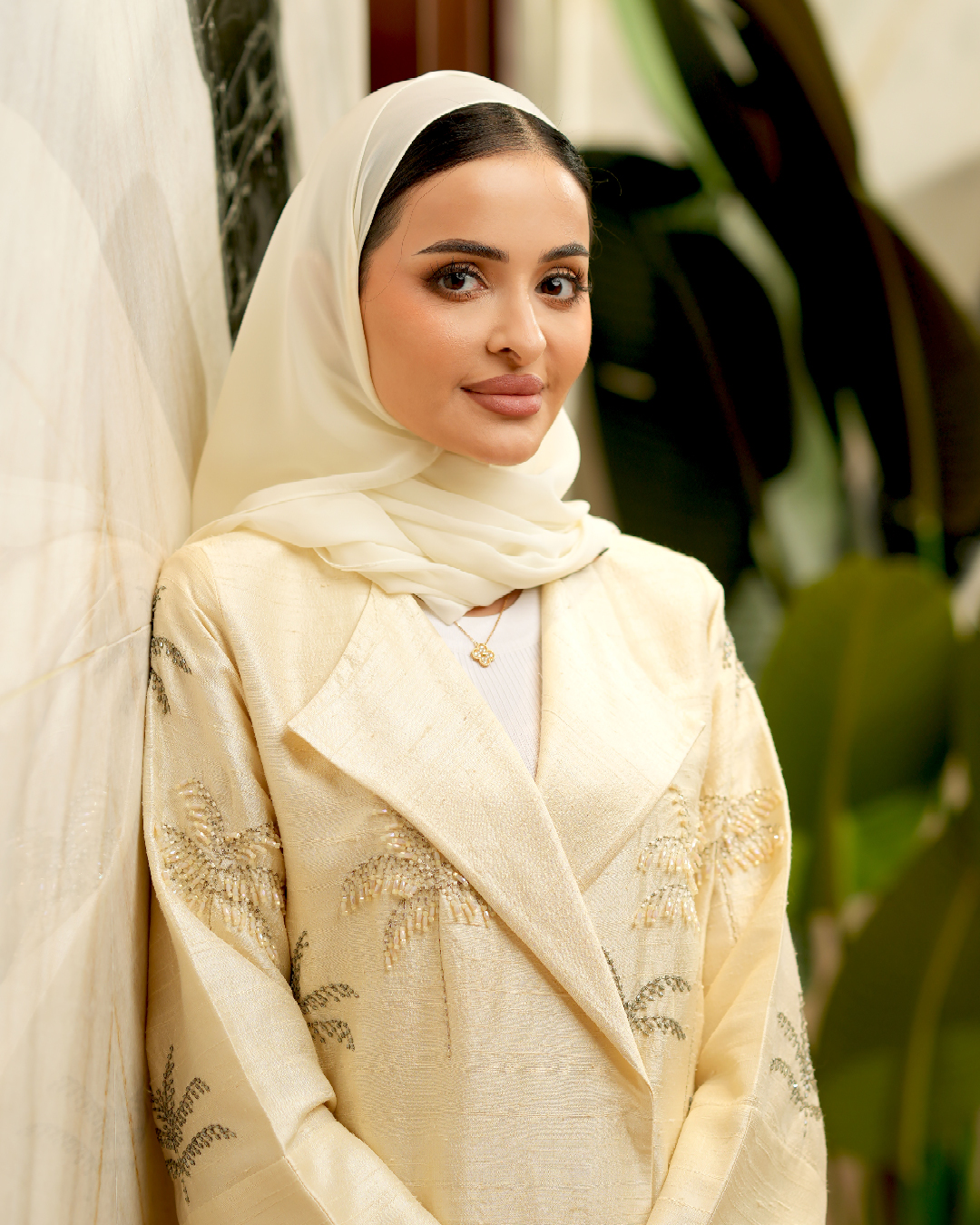
Driven by a lifelong fascination with design and an unwavering passion for reimagining spaces, Al Qamzi approaches every project with intention and depth. Her work goes beyond function and aesthetics. Al Qamzi aims to create environments that evoke emotion, inspire genuine connection, and deliver memorable experiences that leave a lasting impression on all who encounter them.
“I’ve always been fascinated by creating and design. From a young age, I was drawn to reimagining spaces and objects, constantly thinking about how they could be improved, transformed, or experienced differently. As I grew older, I realized that architecture was the perfect blend of creativity and purpose. It allowed me to create something meaningful while positively impacting the way people live, work, and connect,” she shares. “It sparked a journey that eventually led me to establish my own practice and create spaces that resonate with the people who use them.”
Waleed Arafa, Founder and Principal, Dar Arafa Architecture
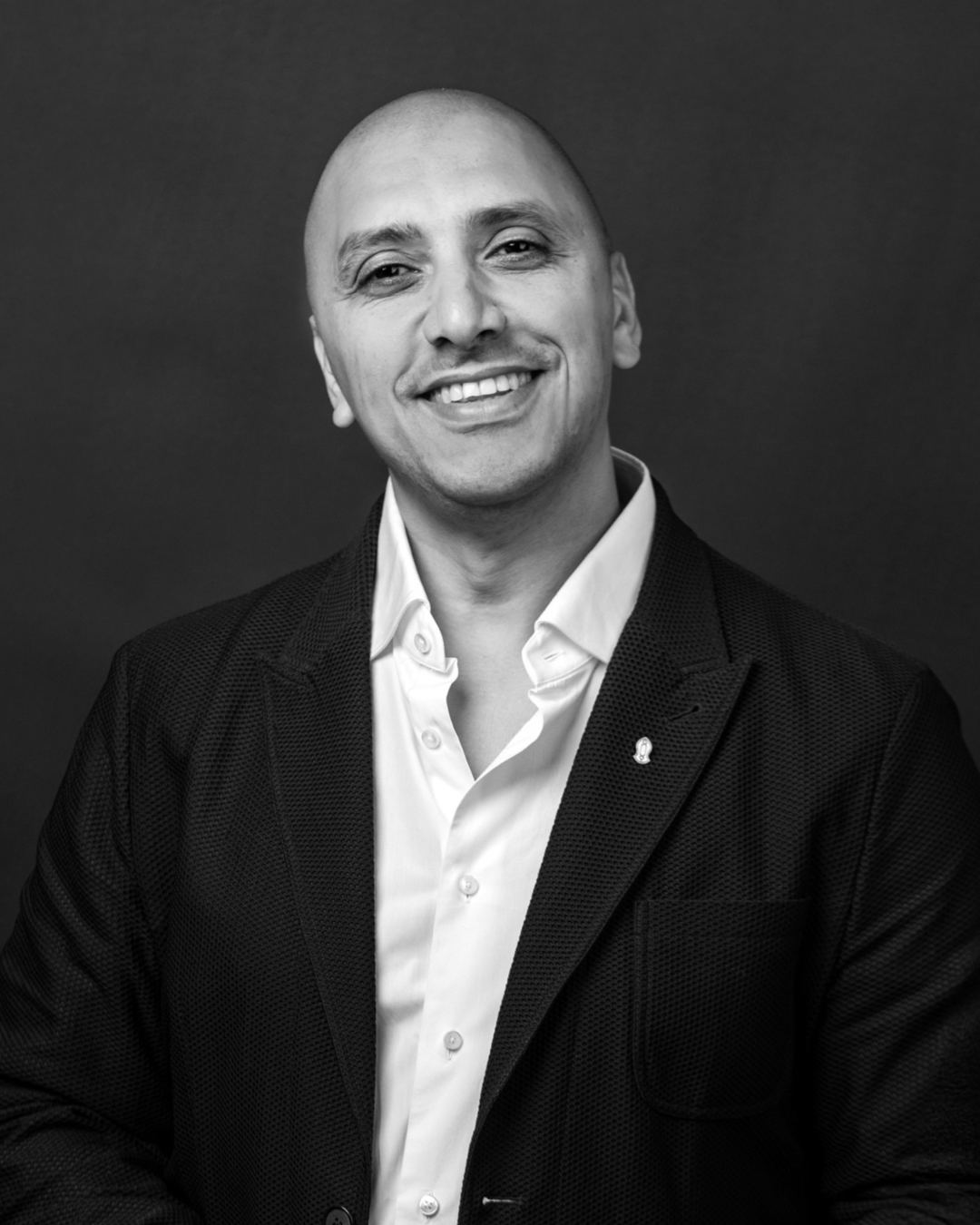
“As a high school fresh grad, I was obliged to make choices for a university major. I was in fear of having to part with my different and sometimes seemingly opposed interests in order to pursue just one of them. I did a casual placement with an architectural studio in Cairo and it was there where I realised that architecture is a unique profession where excellence is strongly related to maintaining and growing your knowledge in various fields. I did not have to leave one of my interests for the sake of another. Architecture brought all of my interests in one place. I jumped into the rabbit-hole and ever since I have been enjoying and exploring architecture’s wonderland,” shares Arafa.
Arafa leads a team of young Egyptian architects at Dar Arafa Architecture, which he founded in Cairo, 2006. Arafa earned a B.Sc. in Architecture, Ain Shams University, Cairo, 2001, a post-graduate degree in the Conservation of Historical Buildings, from the Architectural Association School of Architecture in London, UK, 2015. His thesis was titled: ‘The Mosque in Britain: British Heritage’. Waleed is currently an MA Researcher, History of Islamic Art & Architecture, at the American University in Cairo. His work attained global recognition having been awarded, shortlisted and nominated for many international awards. Arafa thinks that Islam may provide new perspectives on architecture and help the world overcome its current creative, intellectual, and spiritual impasse. His approach is based on finding ways to continuing the discontinued architectural past of countries with an established legacy in the architecture of Islam, such as and especially Egypt.
Henrique Dias, Principal AND Middle East Hospitality and Mixed-Use Design Leader, DLR Group
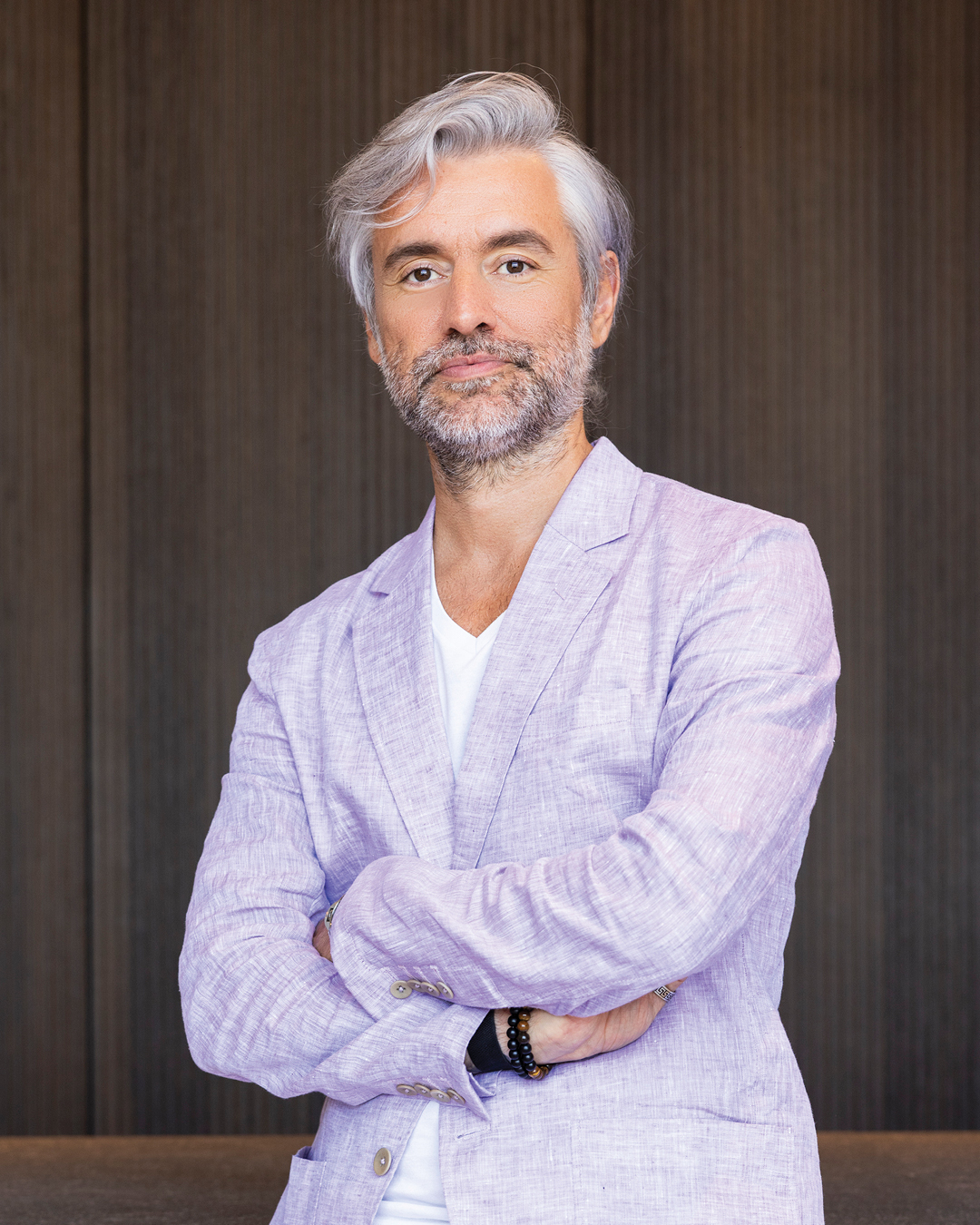
Dias approaches every project with curiosity and a respect for local culture. He’s helped guide DLR Group’s growth in Saudi Arabia, the UAE, Iraq, and Egypt, leading teams that create places people remember, his projects reflect a balance between ambition and authenticity, always grounded in the needs of each community.
Dias’s portfolio includes some of the region’s most ambitious hospitality, mixed-use and experiential developments. Among them is the Dubai Kartdrome, Entertainment Center & Offices project in Dubai, where architecture is shaped by the geometry and movement of motorsport culture. The development integrates karting, entertainment, F&B, and corporate spaces into a unified destination defined by fluid circulation, operational efficiency, and immersive spatial experiences.
In Saudi Arabia, Dias also leads the design of SUMOU, a large-scale mixed-use development that brings together residential, retail, office, and public realm experiences into a connected urban environment. Designed around walkability, shaded public spaces, and activated ground levels, the project reflects his integrated approach to placemaking and city-building, combining architecture, landscape, interiors, and master planning into one cohesive vision.
Dias is widely respected for his hands-on approach and willingness to try new things. At DLR Group, he encourages the use of new technologies to help teams imagine, test, and refine their ideas in real time. Instead of relying on abstract concepts, Dias is known for bringing creativity and practicality together, ensuring that his projects not only stand out but also work well for the people who use them. As the Middle East continues its rapid urban transformation, Dias remains focused on creating architecture that balances heritage, sustainability, technology, and human experience. His work reflects a belief that architecture should create long-term cultural and social value while remaining grounded in the realities of place, climate, and community. Through this approach, he continues to shape some of the region’s most forward-looking developments and reinforce DLR Group’s position as a leader in integrated design.
When asked what made Dias decide to become an architect, he says, “For me, I don’t think there was ever a real “tipping point.” I honestly feel architecture was always there somehow. My grandmother used to tell me that when I was around three years old, it was already the first thing I said I wanted to be. Not a firefighter, not a police officer, not an astronaut. I wanted to build a house for her, with a garden and a dog.
From that moment on, I never really stopped imagining and designing spaces in my head. Of course, at that age they were just very basic sketches and floor plans, but they were always my idea of what a family home should feel like. Looking back now, I think that says a lot about how I still see architecture today. For me, it was never just about buildings – it was always about people, emotions, and creating spaces that become part of someone’s life.”
Sumaya Dabbagh, Founder, Dabbagh Architects
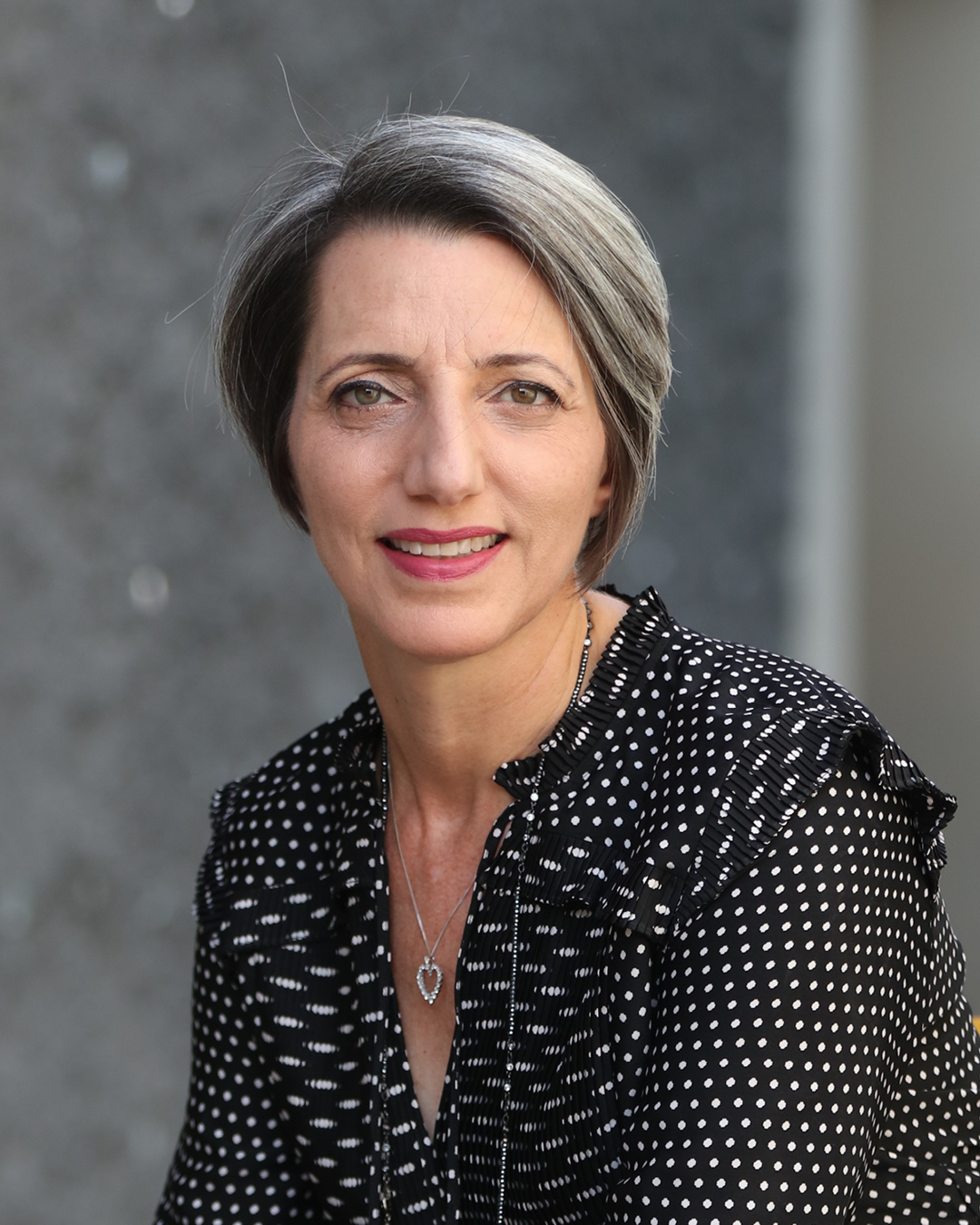
Dabbagh Architects is a RIBA Chartered architectural practice based in Dubai, UAE. Under Dabbagh’s leadership, the firm has become a pioneering force in Gulf architecture. Founded in 2008, the practice is dedicated to creating contemporary architecture that is deeply rooted in cultural and environmental sensitivity. Their work explores themes of place, memory, and belonging, shaping built environments that are meaningful, enduring, and responsive to their context.
Recently completed projects include the Al Ain Museum, (Oct 2025) and the Ali Bin Abdulla Gargash Mosque (Feb 2026). The firm has earned global recognition for its pioneering designs. The Mleiha Archaeological Centre (2016) and Gargash Mosque (2021) exemplify a new architectural language in the Gulf, blending tradition with contemporary expression. Both projects were nominated for the Aga Khan Award for Architecture and have won multiple international accolades, including the Architecture MasterPrize.
Beyond built projects, Dabbagh Architects’ exploration of materials and meaning is showcased in their ‘Earth to Earth’ installation, presented at the Sharjah Architecture Triennial (2023-24). This work further amplifies their philosophy of architecture as an evolving dialogue between place, materiality, and human experience. Beyond her architectural contributions, Dabbagh is dedicated to breaking stereotypes and challenging limitations for women in the profession. By demonstrating the influence and impact women can have in shaping the built environment, she has become an inspiring role model for future generations of architects.
Her tipping point in deciding to follow architecture as a profession was a book called ‘Poetics of Space’ by Gaston Bachelard “His articulation of the emotional response to buildings demonstrated in literary works such as prose and poetry, had ignited my curiosity to understand and study how the tangible forms can influence intangible feelings through architecture,” she shares.
Dina Murali, Co-founder and Design Director, DZ Design
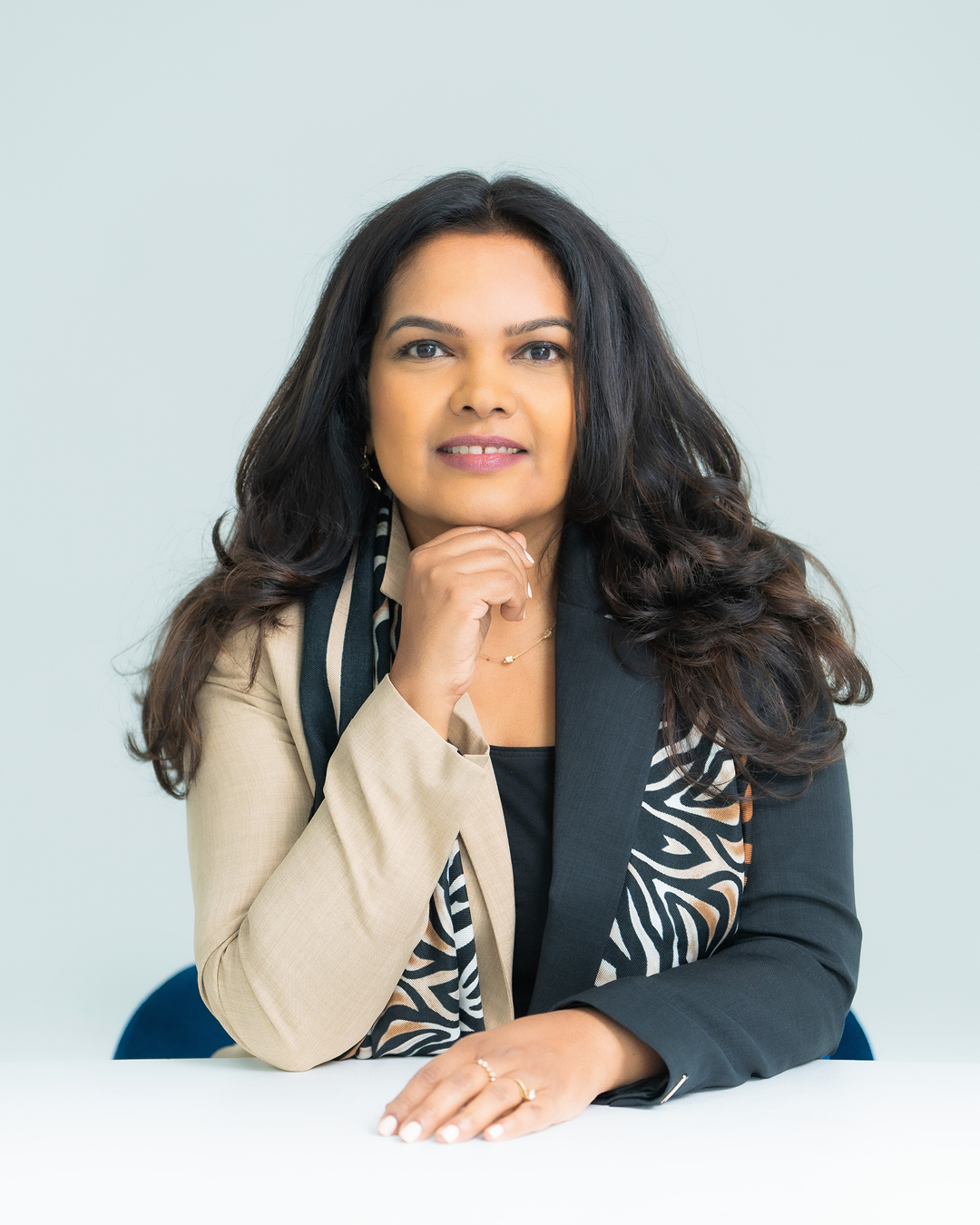
DZ Design is a Dubai-based architecture and interior design studio recognised for redefining luxury living across hospitality and multi-residential developments in the MENA and African regions.
DZ Design has secured several prestigious hospitality project wins, including Chadun Living in Riyadh, KSA. A frequent speaker on hospitality design panels, Murali brings a thoughtful perspective to the industry, blending creativity, comfort, and refined sophistication in every project. Her design philosophy is rooted in people-centric thinking that spaces must not only function seamlessly and look beautiful but also embody the brand’s narrative and create meaningful experiences. Murali is originally an architect and finds herself working on more interior design projects. “While working in architecture, the speed with which decisions were made in interiors really inspired me. Starting from flooring, wiring, HVAC to final finishing – all had to be planned swiftly in comparison to architecture of a building which would take years to build. Interior design literally took just months.”
Completed projects by DZ Design include the newly refurbished Pullman JLT, Gobi restaurant in The Ritz-Carlton RAK, a five-star ski resort in Azerbaijan, the Mövenpick Hotel in Dubai Healthcare City, and multiple residential towers in Business Bay and Mohammed Bin Rashid City. The studio’s award-winning work spans the hospitality and wellness sectors, including Amaseena at The Ritz-Carlton JBR, Sunny Wellness Spa in Sharjah Healthcare City, VEO gyms by Emaar, Semi-Sweet in Sharjah, and a series of high-end private villas, alongside large-scale commercial developments.
Chris Barnes, Founder, Broadway Interiors
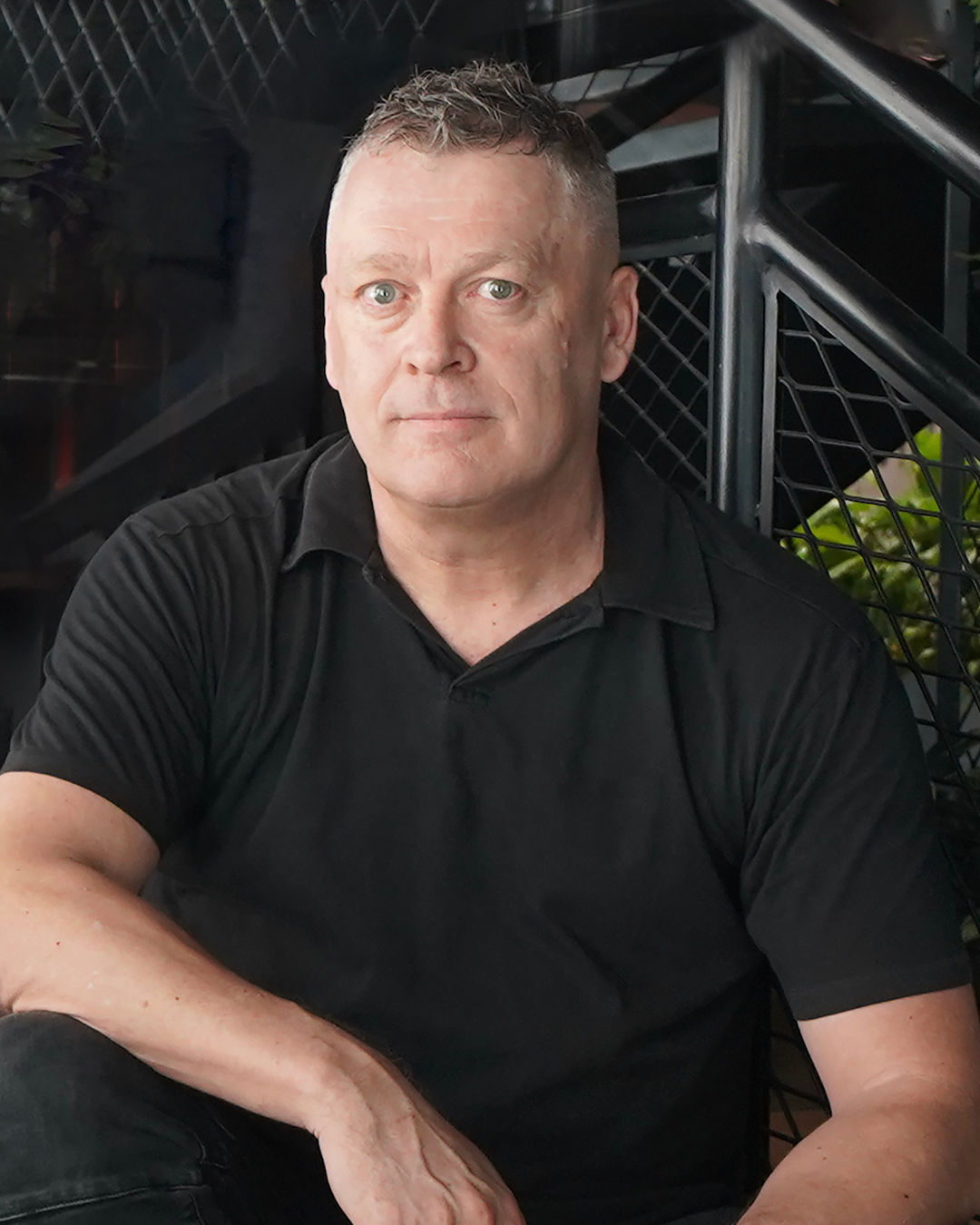
Barnes founded Broadway Interiors, a multi award-winning design consultancy established in 1999. As the creative force behind the studio, Barnes leads with a hands-on, client-focused approach, remaining actively involved in all aspects of the business – from concept design and tender strategy through to design guardianship and project delivery.
Barnes and his firm have built a diverse portfolio spanning hospitality and commercial sectors. Notable projects include award-winning F&B destinations such as CRANK Fit, Asia Asia and Ula, alongside major commercial developments for organisations including the Mohammed Bin Rashid Space Centre and Dubai Integrated Economic Zones Authority. Another recent project is VNTG Wine & Cheese Bar at the JW Marriott Marquis Hotel. The firm transformed the venue into a sophisticated wine-led dining experience centred around a modern interpretation of the wine cellar.
Beyond project delivery, Barnes is passionate about nurturing emerging talent and supporting the wider industry through student programmes and design initiatives. A member of the Chartered Institute of Building (MCIOB), he continues to push creative boundaries.
When asked for his tipping point to start Broadway Interiors, Barnes shared, “Arriving in Dubai, seeing the abundance of opportunity in interiors, the fast-track nature of the work and the shortage of skilled professionals to conduct those services. These all acted as drivers to push me to dive deep into the industry and ‘live the dream’ of working alongside my passion for creating spaces. Then soon after starting that actually not only was there a lot of work to undertake but significant creative freedom was available to challenge yourself and help push boundaries for the greater benefit of the end user experiences across all market sectors. As an interior designer, there is no greater buzz than seeing your spaces come alive and be appreciated and used by the masses.”
Sawsan Chammas Haber, Founder and Creative Director, Dipiugi
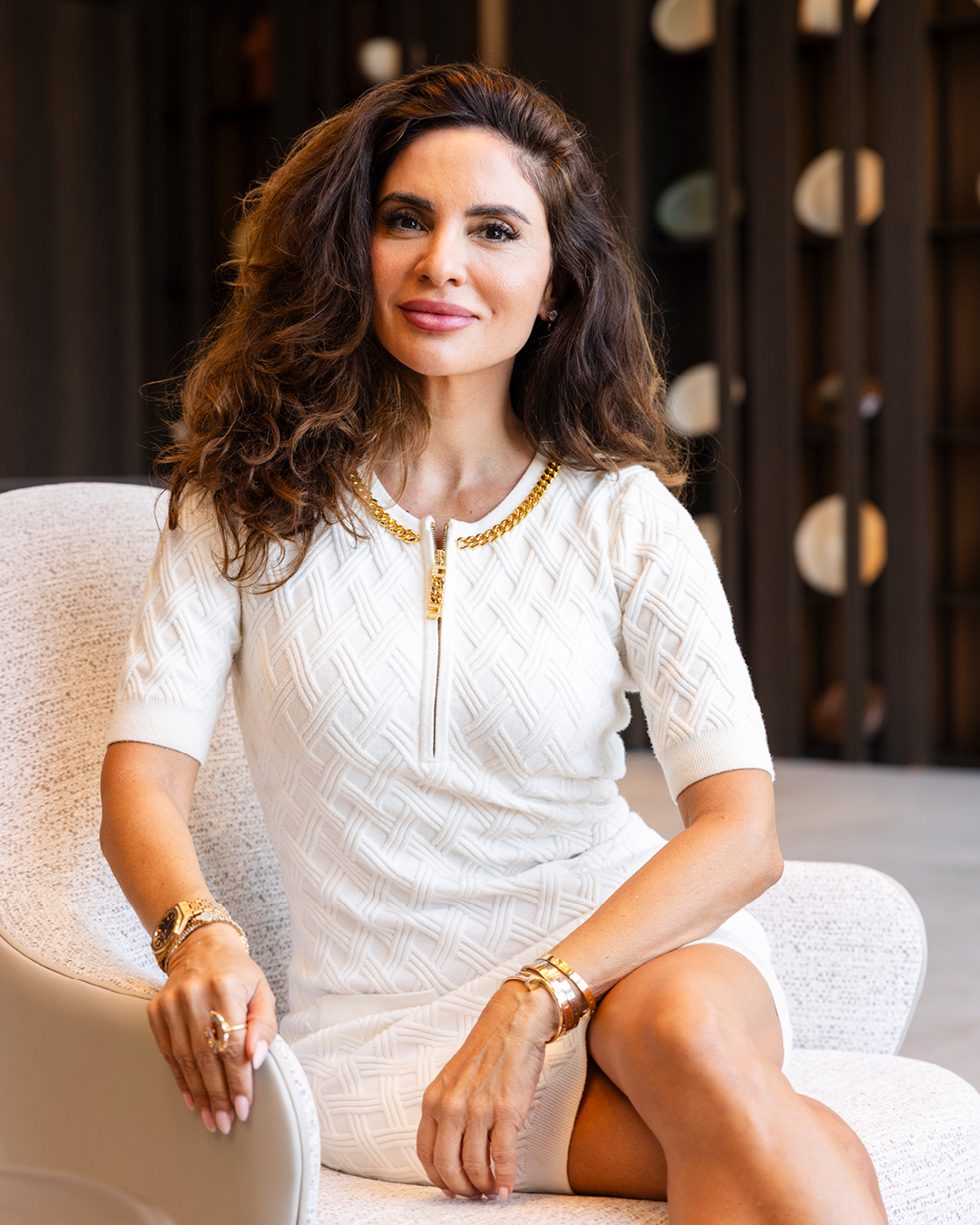
Chammas Haber is an interior architect and design influencer. With over 30 years of experience, she has handled luxury projects from Lebanon to Dubai. She set up her firm in Dubai in 2003 and has an exemplary portfolio of luxury homes in addition to corporate and commercial projects across the region.
Chammas Haber has also launched different furniture brands in Dubai, starting with K-Kids in 2003, Giovanni Sforza in 2008, and Estetik Decor in 2016. She was a weekly guest on MBC’s morning show for more than two years by showcasing her work through home makeovers, and sharing interior design tips with viewers. Her current projects include a mansion for a Lebanese family in Oman, and villas in Meydan and Jumeirah islands in Dubai, UAE.
“At a very young age, I learned to introduce myself by saying, “Sawsan Chammas, interior designer,”” she shares. “It was my mother’s dream, and she lovingly taught me to say it long before I truly understood what it meant. Years later, as a teenager searching for my own identity and questioning everything around me, I found myself drawn back to that profession that had been planted in my mind so early in life. I began exploring it with curiosity and discovered a magical world where creativity, architecture, emotion, and beauty come together to transform the way people live. I fell in love with the idea of creating spaces that inspire, comfort, and tell stories. What started as my mother’s dream slowly became my own passion. That was the moment I realised it wasn’t just a career path – it was my calling. I understood that interior architecture was not something I had chosen; it was something I was born to do,” she shares.
Paul Bishop, Founder and Design Principal, Bishop Design
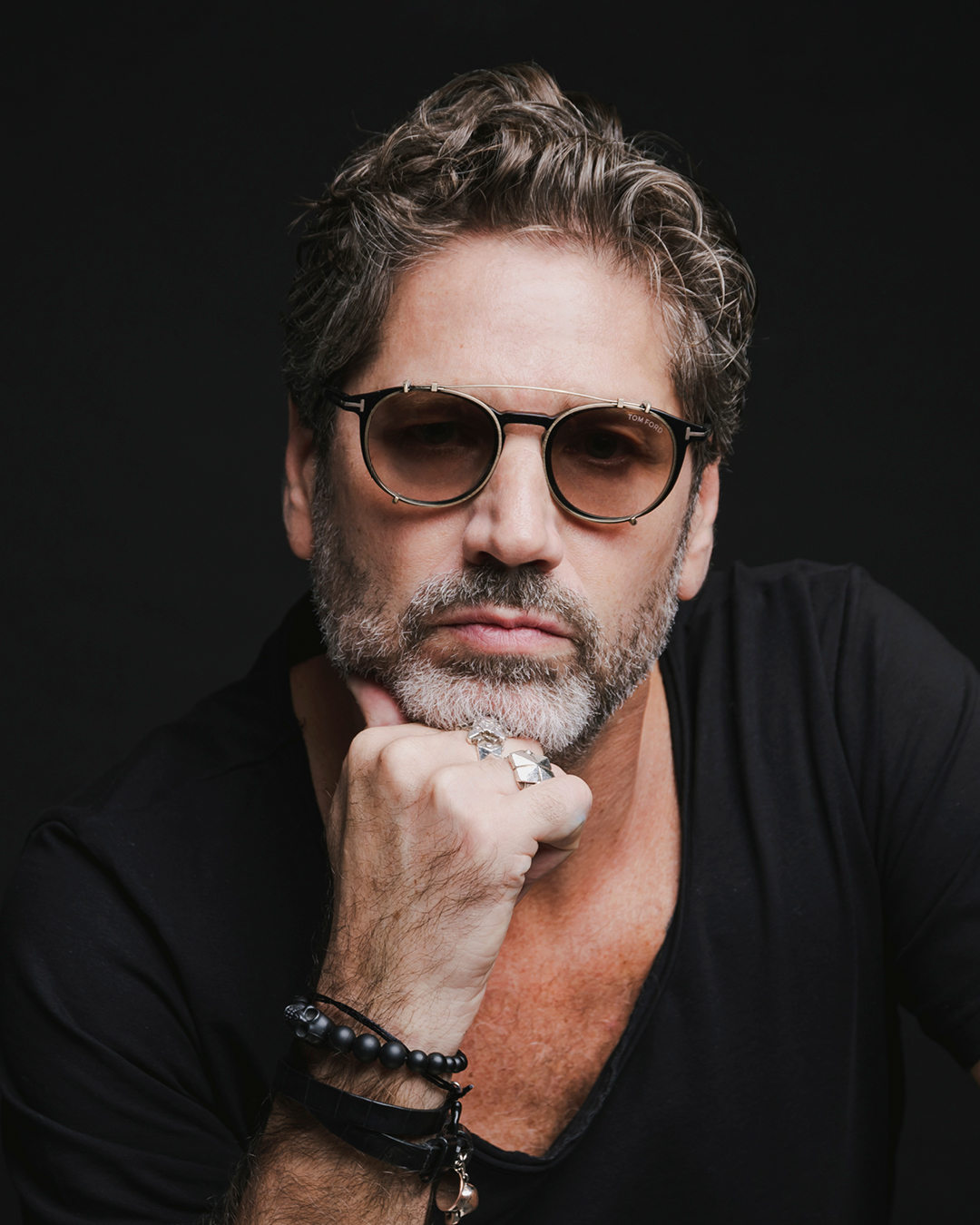
Bishop’s journey into interior design began with a deep fascination for art, film, culture, and storytelling from an early age. Growing up in the U.K., he developed a passion for design during his teenage years, which led him to pursue formal studies in Interior Design, Furniture & Product Design, and ultimately a master’s degree in interior architecture.
Inspired by a diverse mix of creatives, designers, architects, and filmmakers, Bishop was drawn to the power of design to shape emotions, behaviours, and experiences. This fascination with creating immersive environments ultimately led him to specialise in hospitality design, where he has spent more than two decades crafting memorable destinations across the globe.
He founded internationally recognised, multi-award-winning studio Bishop Design in 2004 and since then, the studio has shaped some of the world’s most distinctive hospitality environments. His work is characterised by a layered, eclectic approach, sometimes provocative, and always intentional, where contrasting elements are brought together with precision to create environments that are both visually striking and commercially intelligent.
Working across the Middle East, Europe, Africa, and the Americas, Bishop has collaborated with leading hospitality brands, operators, and developers including Rosewood Hotel Group, IHG Hotels & Resorts, Marriott International, SLS Hotel & Residences, Major Food Group, Ennismore, Groot Hospitality, and Sunset Hospitality. He has also partnered with Michelin-starred chefs such as Massimo Bottura, Henrique Sá Pessoa, and Björn Frantzén. Recent projects in the GCC include two concepts for Rosewood Doha – Koo Madame, an elevated Chinese dining destination that reinterprets the glamour of 1920s Shanghai through a contemporary lens, and Stoke & Stoker, a bar destination inspired by the romance and glamour of the historic Orient Express.
Neydine Bak and Dewald Struwig, founders and creative directors, Verhaal
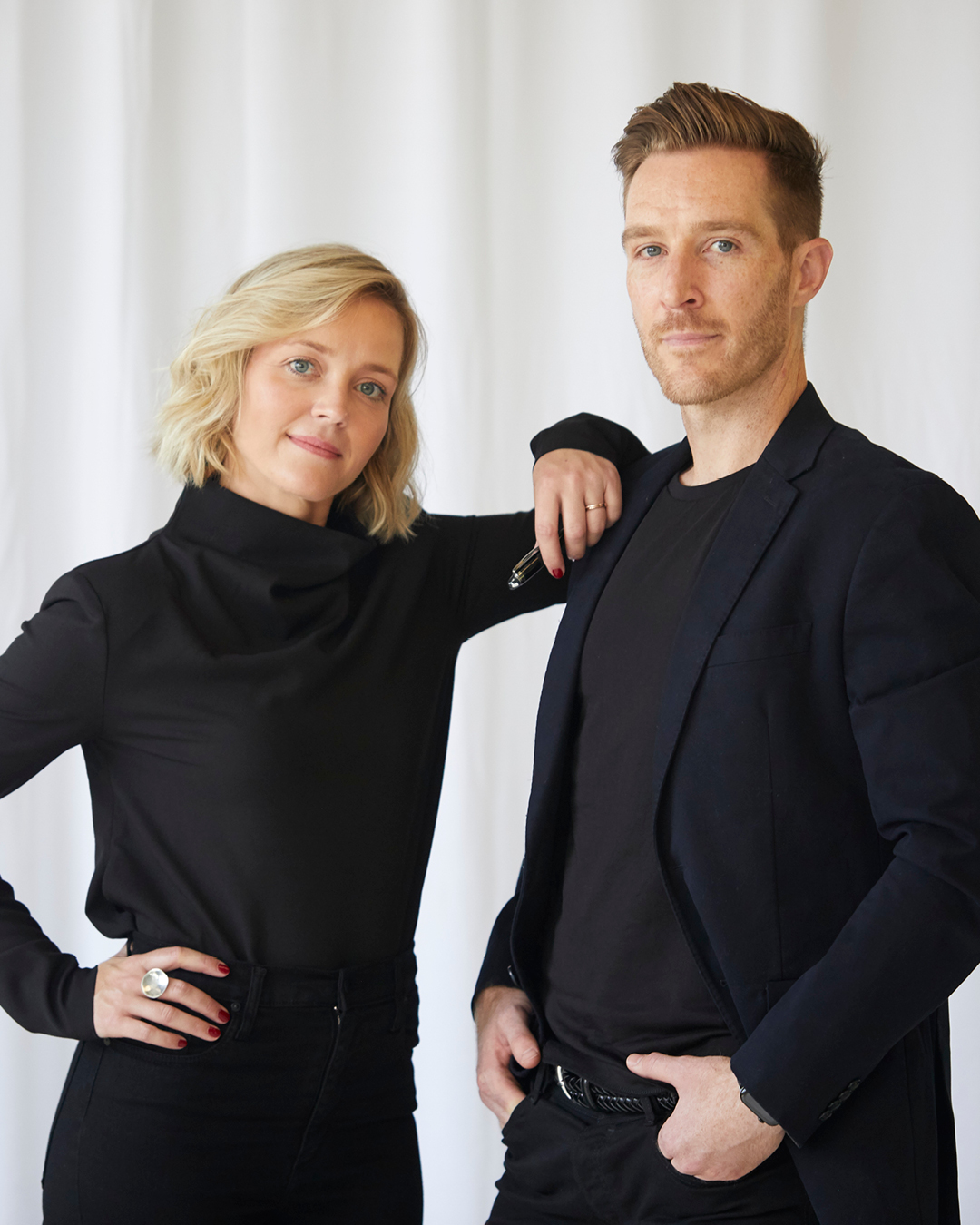
Neydine Bak and Dewald Struwig are the founders and creative directors of Verhaal, an award-winning interior architecture and design studio specialising in luxury, story-driven hospitality for discerning food and beverage operators. Established in 2016 in Australia and now based in Dubai since 2022, Verhaal is built on the belief that spaces should be experienced as narratives – where art, emotion and memory are woven into every detail.
Originally from South Africa, Bak and Struwig bring over 30 years of combined experience across hospitality and the built environment. Their work is informed by a warm, intuitive sense of South African hospitality paired with a refined, global understanding of luxury, which they translate into distinctive environments across the GCC and internationally.
At the heart of their practice is a merging of interior architecture, art and storytelling. They craft immersive spaces defined by atmosphere, concept and material poetry, expressed through a refined yet playful use of colour, texture, pattern and bespoke craftsmanship. Working closely with a global network of artisans and makers, their interiors are layered, tactile and richly expressive.
Balanced perfection is the Verhaal standard, delivering impeccable, tailored service from concept to completion. Obsessed with texture, pattern and colour, Verhaal is synonymous with artistic and artisanal embellishment – each project conceived as a beautifully told story in spatial form.
Stuart Allen, Founder and Managing Director, Allen Architecture Interiors Design (AAID)
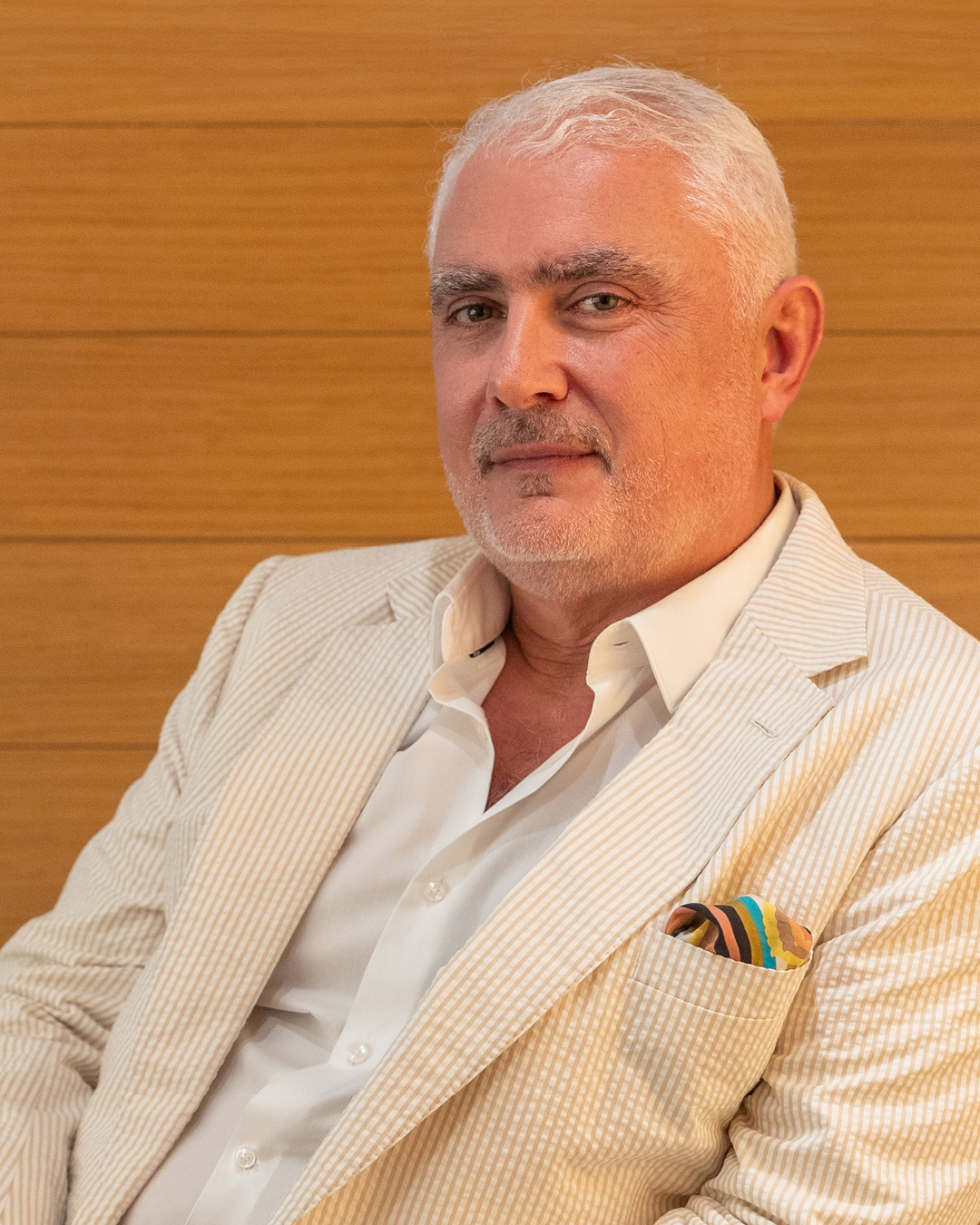
With more than 30 years of international design experience, Allen has built a career defined by instinct, integrity, and a commitment to creating spaces that are both intelligent and deeply human. As Founder and Managing Director of AAID, he leads a Dubai-based studio whose work spans workplace, hospitality, residential, F&B and lifestyle environments across the UAE, Saudi Arabia, Qatar and the wider GCC.
Born in the U.K., educated in Texas, and professionally shaped in New York, Allen brings a global perspective to a practice firmly rooted in the Middle East. After relocating to Dubai in 2010 to lead a newly established design and architectural firm, he acquired and rebranded the studio in 2015 as Allen Architecture Interiors Design (AAID). Since then, he has guided its growth while fostering long-term partnerships with international brands, regional clients, and leading developers.
Today, AAID’s portfolio spans private villas in Saudi Arabia, exclusive members’ clubs in Dubai and Abu Dhabi, and corporate headquarters for OFC, Qiddiya, Eaton, and ADA. Allen remains closely involved in both the creative and technical direction of every project, ensuring each responds thoughtfully to its context, budget, programme, and end-user. His design philosophy rejects formulaic solutions in favour of a tailored approach that reflects client ambitions, cultural context, and operational realities. Equally passionate about mentorship, Allen is committed to elevating design standards across the region, nurturing talent at every stage of their careers.
“It was really by accident, or coincidence – maybe destiny,” he shares. “My interest in art, combined with my curiosity for mathematics and technical design, started to point very clearly towards architecture. The design side made me want to do more, but I was equally interested in understanding the engineering of architecture – how things worked, how they stood, and how they came together,” he shares. “Looking back now, it feels obvious that this was always my path. The way I would unknowingly observe details when entering a space, my need to touch textures and materials, my sometimes-unwanted opinions on how something should look or be presented, and even my instinctive nesting qualities – all of it was quietly leading me here.”
Noora Al Awar, Fatima Al Zaabi and Afnan Amin, Founders, Studio D04
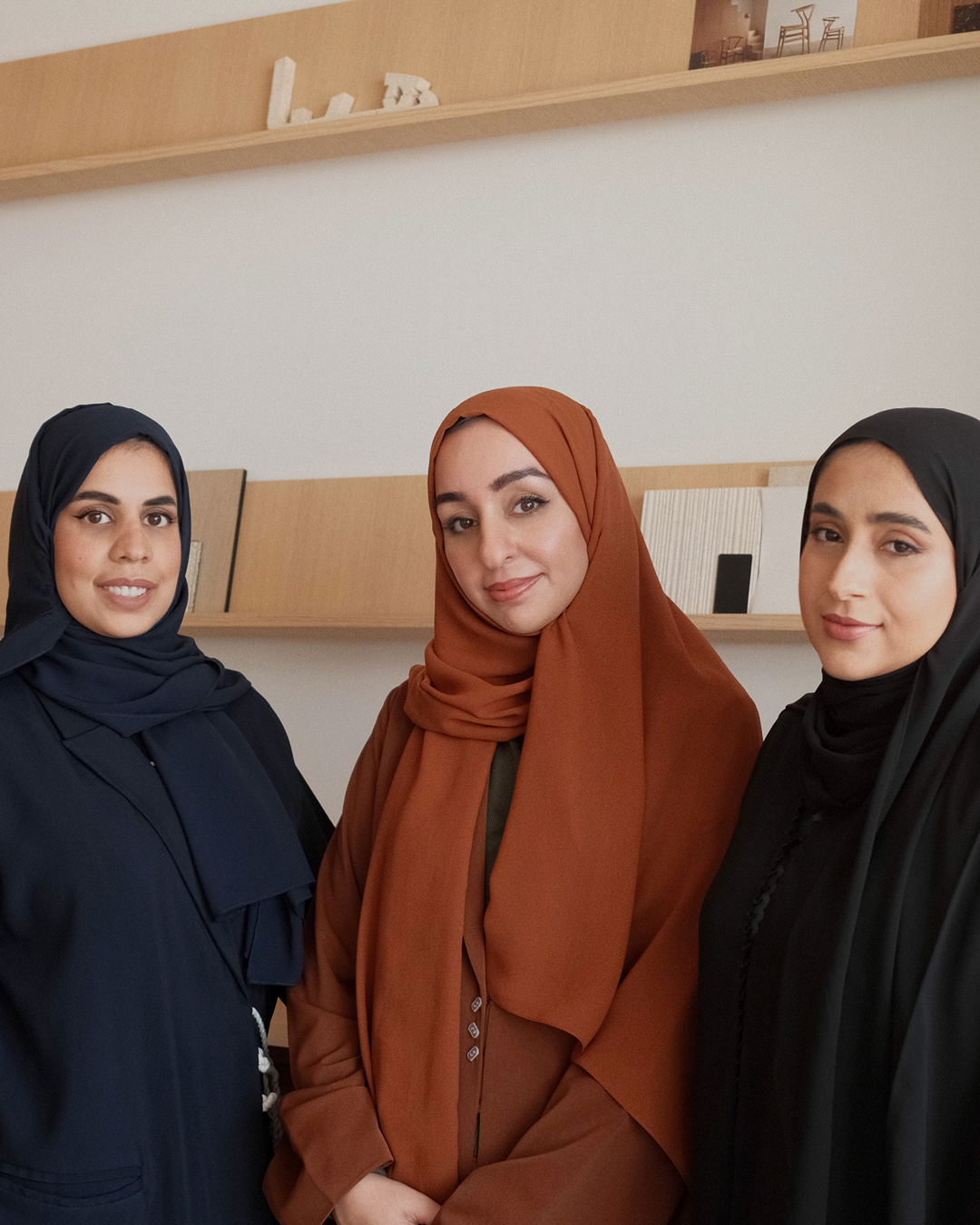
Studio D04 is an award-winning multidisciplinary practice based in Dubai, working across architecture, interior design and product design. Led by partners Fatima Al Zaabi, Noora Al Awar and Afnan Amin, the studio creates work that is both functional and poetic, exploring space and light, context and place, materials and craft, environment and region. Built on the belief that design here should be authored rather than imported, Studio D04 shapes spaces that are unique to their users, responsive to place, and timeless yet functional. The studio’s recent projects include AR Residence and a renovation of an old villa in Al Safa in Dubai, UAE.
“We shared the same desire to create architecture that resonates with the local context, one that speaks to Dubai’s story through an authentic lens,” shares Al Awar. “It was a realisation that design in this region was often imported, not authored. We wanted to challenge that. We had conversations about architecture and identity and we a common vision: to redefine what “local” design could be. The studio was born out of that conviction, that design should provoke, question, and expand our cultural imagination, and pursuing it stopped feeling like a choice and started feeling like a responsibility.”
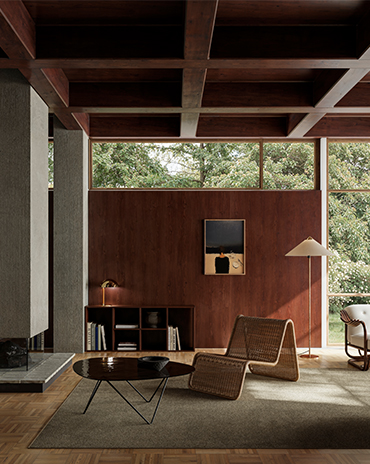
Summer finds that evoke a sense of rest and relaxation
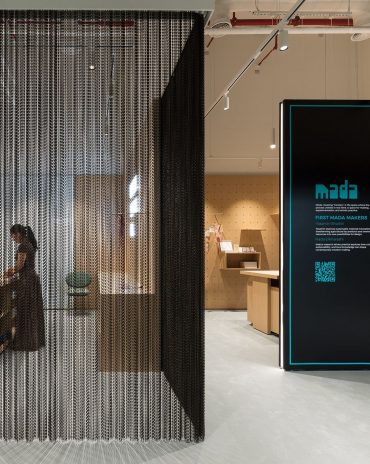
Doha Design District’s new platform, ‘Mada and Sada’, is less about what creativity produces and more about what makes it possible.
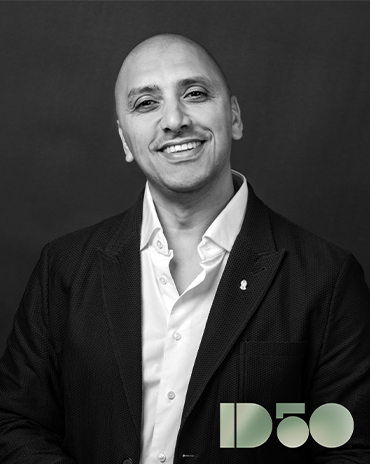
Meet Waleed Arafa, Founder and Principal, Dar Arafa Architecture
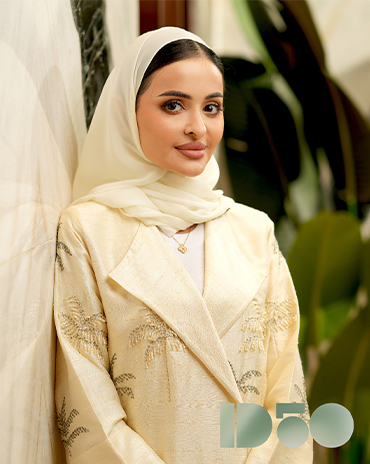
Meet Reem Al Qamzi, Founder, Rqitects
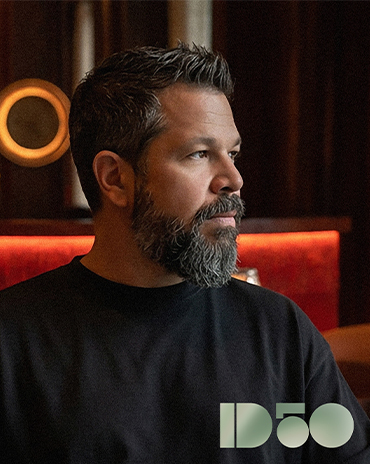
Meet Firas Alsahin, Co-Founder and Design Director, 4SPACE Design
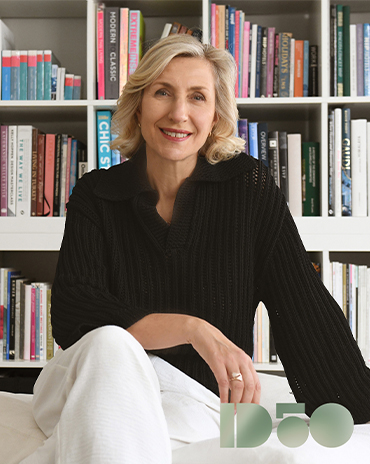
Meet Kristina Zanic, Founder, Kristina Zanic Consultants
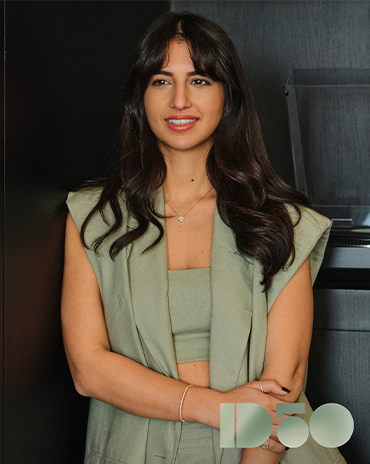
Meet Ghida Chehab, Founder, Studio Baab
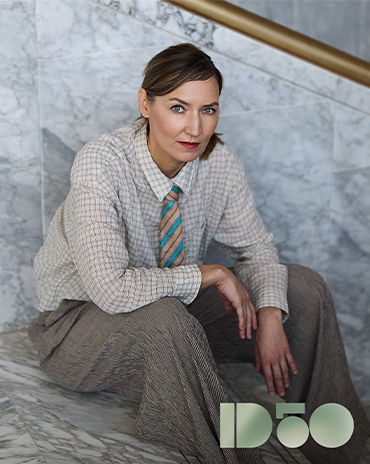
Meet Agata Kurzela, Creative Director, Agata Kurzela Studio
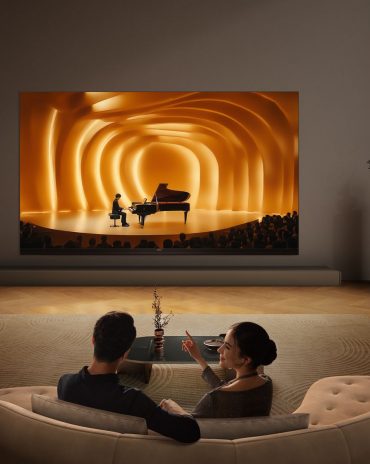
We take you through the design aspects of the TCL X11L
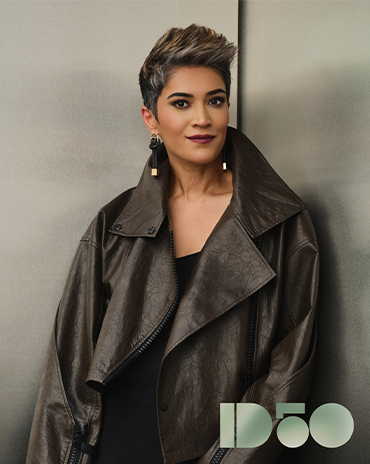
Meet Pallavi Dean, Founder and Creative Director, Roar
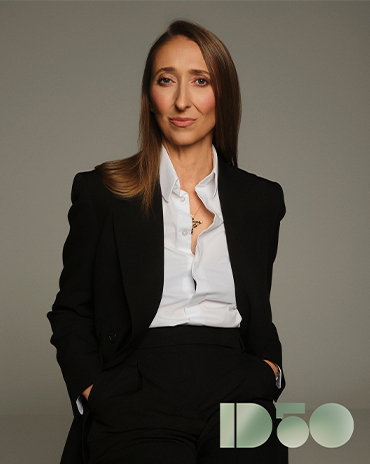
Meet Vera Dieckmann, Founder and Creative Director, XO Atelier
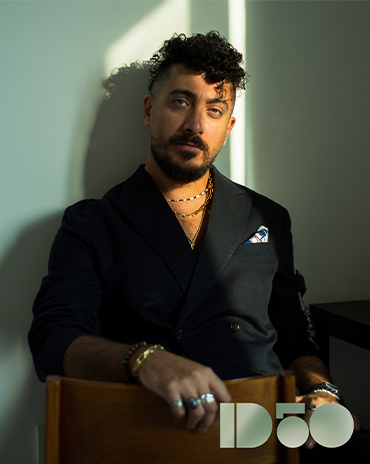
Marco Maximus, Design Director, KEANE