




Meet the global firms with local presence that form a part of this year's id50




Ignacio Gomez, Global Design Principal, Aedas
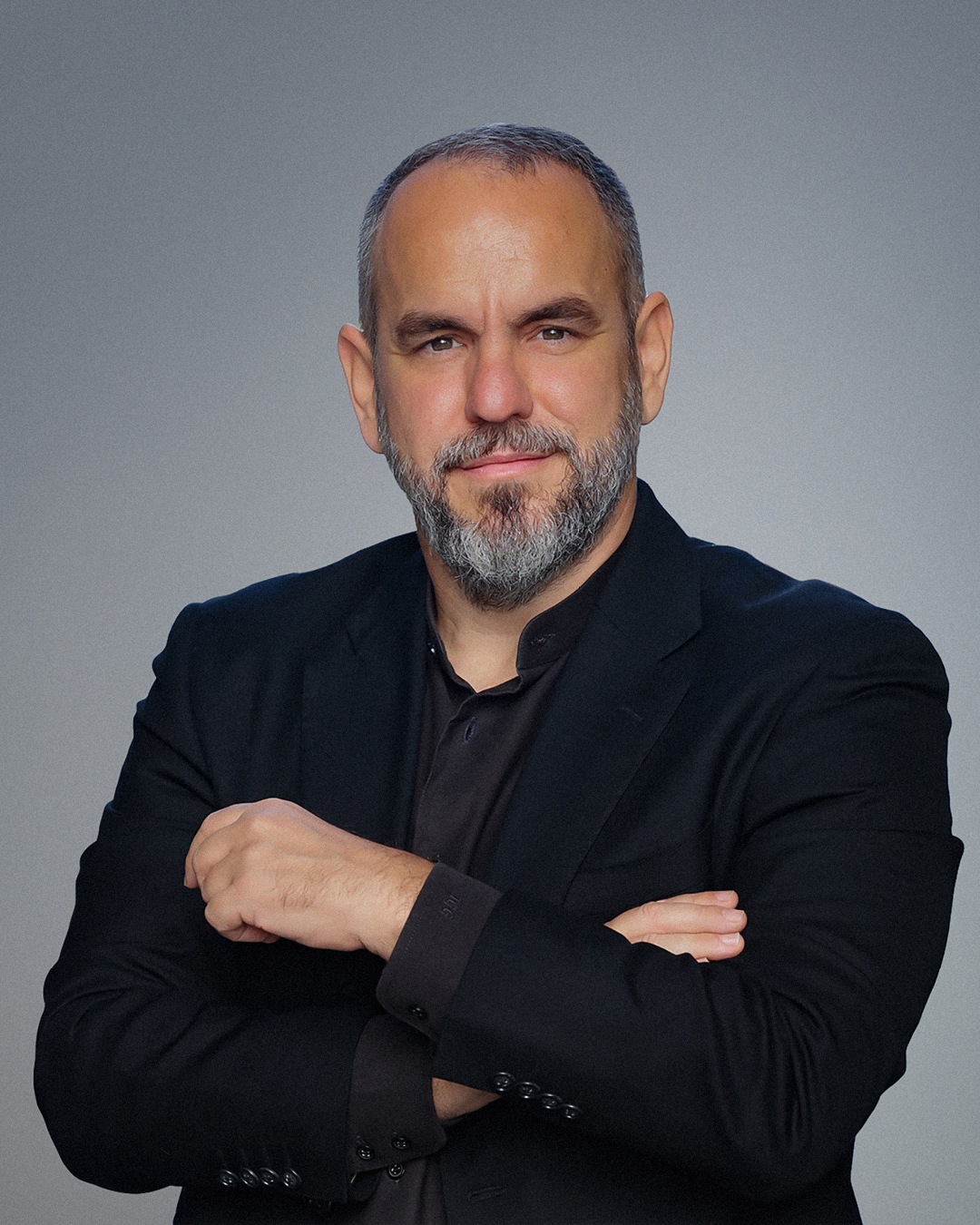
Gomez’s tipping point came when he didn’t really know what architecture was. “I was seven or eight years old in my hometown of La Línea de la Concepción, Cádiz, Spain. My father was involved in small real estate developments and often took me with him to meetings, municipality offices, lawyers and notaries. As a child, all those places felt grey, dark and incredibly boring. I could never understand what people were doing or why it mattered. Then one day he took me to an architect’s studio.
Everything changed. The drawing boards, pencils, rulers, markers and models felt magical. I was fascinated that people could make a living, actually make money creating drawings. It seemed almost unbelievable to me. Until then, work had looked administrative, bureaucratic and distant. Here, ideas were becoming reality through imagination, skill and craft.
Looking back, what stayed with me was something deeper than drawing itself. Architecture seemed to possess a profound order. Materials, proportion, light and geometry could transform ideas into something tangible and lasting. Great architecture has the ability to freeze time and energy into physical form.
More importantly, it taught me a lesson that has stayed with me throughout my life: follow what fascinates you. As a child, drawing was what I loved most. The architect’s studio was the first place where I saw that passion could become a profession. That visit did not lead to a dramatic decision. It created a quiet obsession that never left me.”
With over 21 years of experience in architecture and nearly two decades of practice in the Middle East, Gomez has contributed to one of the most significant periods of urban transformation in the Gulf, leading design across hospitality, residential, cultural, transport, leisure, and master planning projects.
His work is shaped by a clear belief: architecture must respond to people, place, climate, culture, and time. This approach has guided projects that engage with the evolving identity of the region, from contemporary hospitality destinations and transport infrastructure to adaptive reuse and culturally rooted developments. Alongside practice, Gomez contributes to the wider architectural community as a speaker, critic, and mentor. He is frequently invited as a guest critic at universities and has spoken at leading architecture and design platforms across the MENA region. Through his role at Aedas, he continues to shape design thinking with a focus on contextual architecture, cultural identity, urban transformation, and the development of the next generation of architects.
Adriana Graur, Creative Director – Middle East, dwp
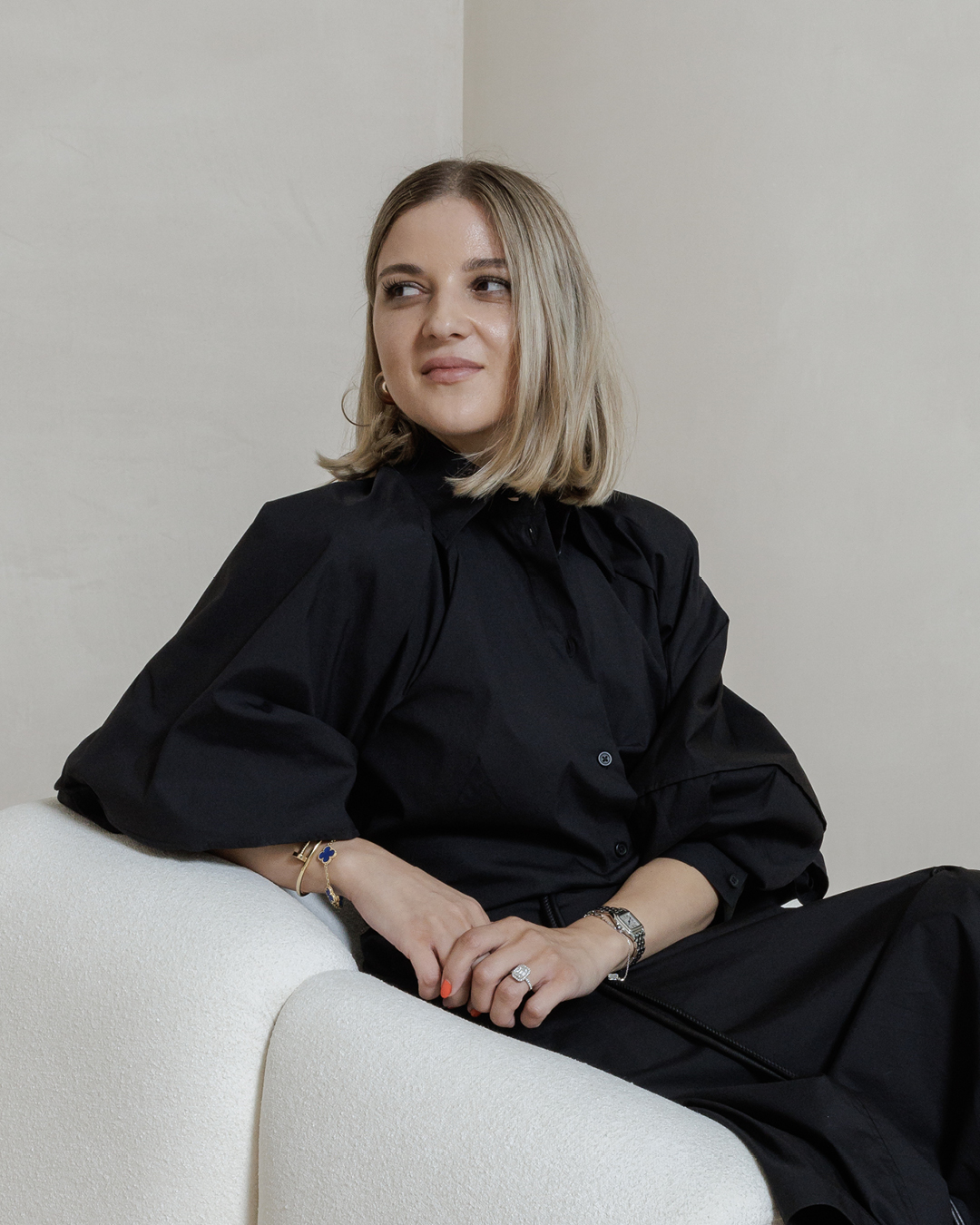
Graur is widely recognised as one of the region’s most influential interior designers, celebrated for creating spaces that balance conceptual clarity, emotional resonance, and functionality. Her work is shaped by a deep understanding of culture, context, and human behaviour, resulting in environments that are both meaningful and enduring. Her career reflects a journey of creative excellence and strategic leadership. At dwp Dubai, under global guidance and her local direction, the studio has grown from a team of two into a thriving collective of more than 30 designers. Together, they have delivered a diverse portfolio spanning hospitality, residential, workplace, and mixed-use projects across the Middle East and beyond, helping redefine contemporary interior environments.
Graur approaches every project as an opportunity to create meaningful experiences. Through thoughtful storytelling, materiality, and spatial planning, she crafts interiors that respond to the aspirations of their users while remaining timeless in their appeal. Her leadership extends beyond design delivery, fostering a culture of collaboration, innovation, and continuous learning. She has also championed the integration of emerging technologies, including AI-driven design tools, alongside sustainable practices that support the future of the industry.
Her passion for design began unexpectedly. As a teenager, she dreamed of becoming an astronaut, captivated by the mysteries of the universe. Encouraged by her father to attend a single architecture class, she discovered a different way of understanding the world. “That afternoon I understood architecture is the cosmology of the human-sized. What I thought I would find in the stars, I began to find in the line of a wall, the way a doorway asks the body to slow, the small involuntary smile when a floor plan is right. Design, the way I have understood it since that first class at 15, is not about decoration. It is about emotion, creative thinking, and a life well lived. The room is where life happens. Life is what the room is for,” she shares.
Jason Burnside, Managing Director, Godwin Austen Johnson (GAJ)
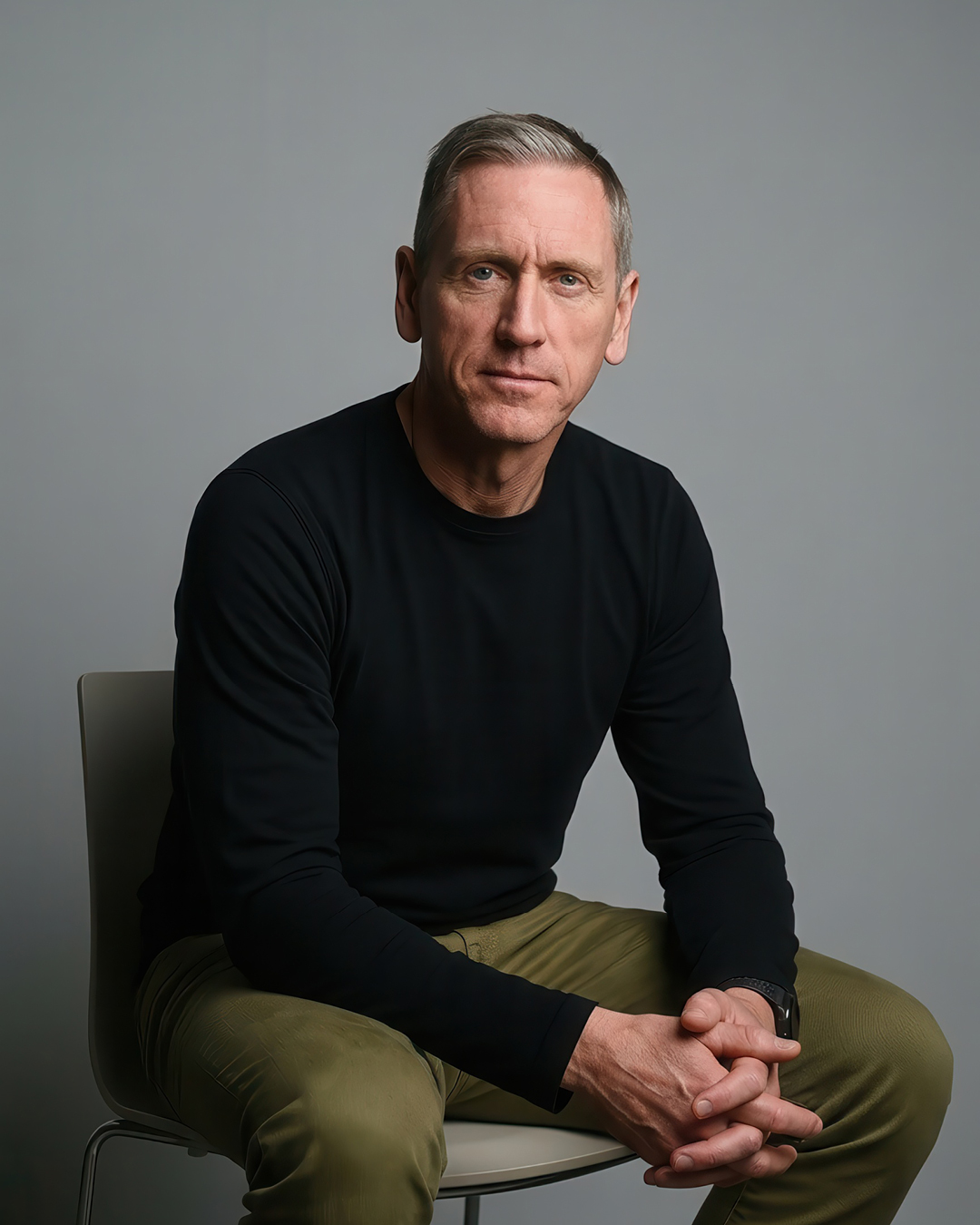
Burnside’s path into architecture began in his teenage years, driven by a fascination with the way buildings shape human experience. Growing up in Donegal, Ireland, where traditional career paths often gravitated towards the trades, his interest in design was sparked by the striking St Aengus Chapel by architect Liam McCormick. Inspired by its powerful sense of place and architectural expression, he pursued his studies at the University of Dundee, graduating in 1996. He began his professional career in London with a small urban design practice, where he spent five years working across architecture and planning. This formative experience instilled a broader understanding of the built environment, teaching him to view buildings not as isolated objects but as integral components of the wider urban fabric. In 2001, Burnside relocated to Dubai to join Godwin Austen Johnson, arriving at a pivotal moment in the city’s evolution.
Specialising in residential, hospitality, leisure, education, and mixed-use developments, he has played a key role in designing over 30 schools across the region, establishing Godwin Austen Johnson as a leader in educational architecture. Promoted to Managing Director in 2023, Burnside has shaped GAJ’s strategic direction, driving its financial performance and business growth. His leadership has seen the firm consistently deliver award-winning projects, further strengthening its position as one of the region’s leading architectural practices.
Known for balancing design quality with technical rigour and practical delivery, Burnside brings a thoughtful and commercially grounded approach to architecture. His focus on team leadership and project excellence ensures Godwin Austen Johnson continues to evolve while maintaining its reputation for contextual, sustainable, and innovative design. Recent projects include the Saudi Arabia Museum of Contemporary Art (SAMoCA) in Diriyah, Serenia Living, which was recently handed over, and the Jafar Centre at Dubai College.
Bruno Gomes, Director, Concept Design Department, Dewan Architects + Engineers
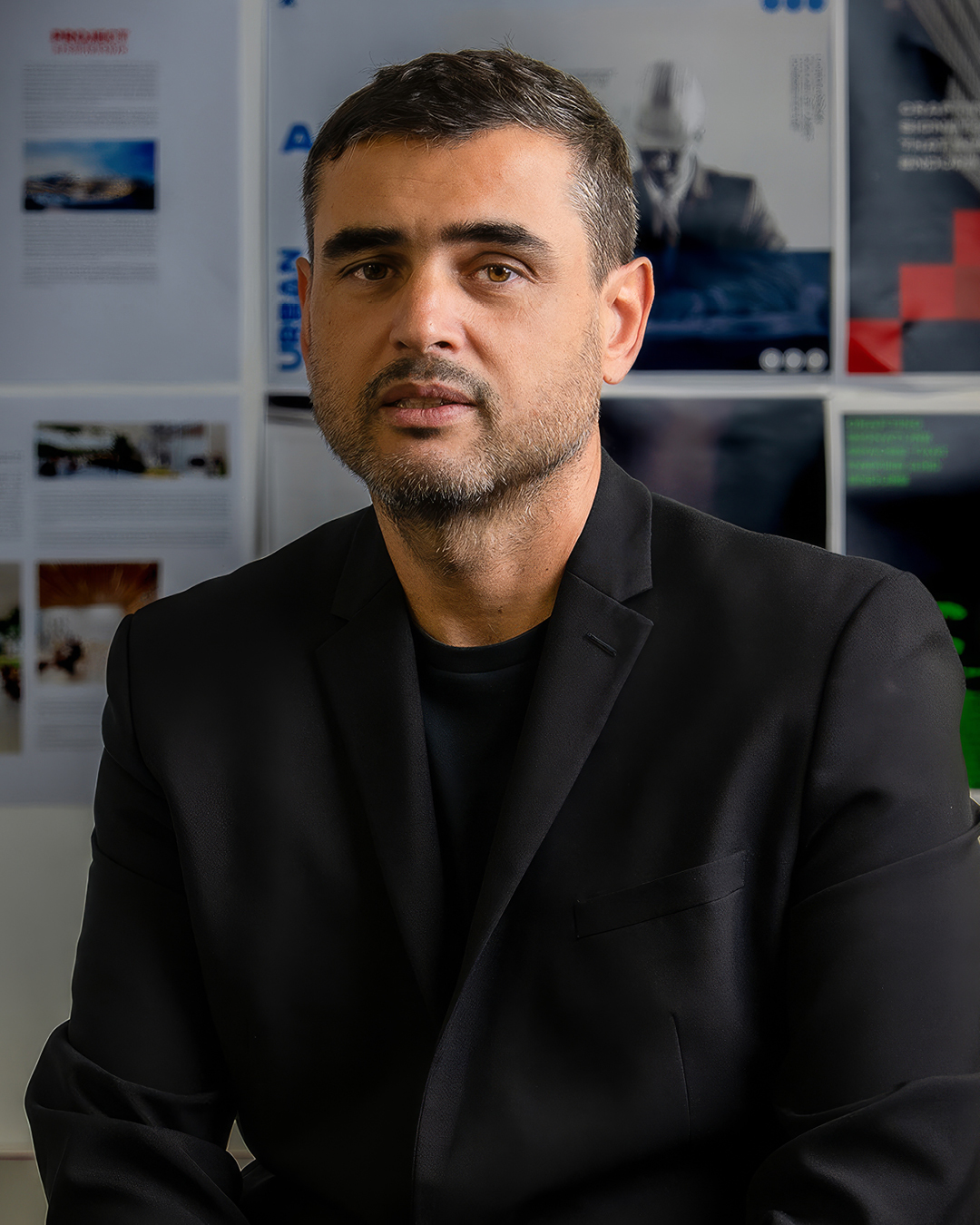
Bruno Gomes is an accomplished architect with 23 years of international experience across Europe, the Middle East, and Asia, including more than 18 years in the region. Educated in Portugal and Italy, he has worked on a wide range of projects, from cultural institutions and pavilions to large-scale urban developments. His portfolio includes landmark projects such as The Mukaab and The Line in Saudi Arabia, as well as the Opportunity Pavilion at Expo 2020 Dubai, demonstrating his ability to balance visionary concepts with context-driven design.
Proficient across all stages of the architectural process, from concept development to detailed delivery, Bruno combines creative thinking with technical expertise. His multidisciplinary background and global perspective inform an architectural approach that bridges cultures, embraces innovation, and creates meaningful, enduring environments. “The tipping point that led me to become an architect comes from my roots, growing up between the countryside and the city,” shares Gomes. “Experiencing both worlds gave me an appreciation for the beauty of natural landscapes, but also an awareness of how quickly they can disappear through development. From a young age, I was curious about how we could improve the way people live without losing the places that make a location special. Architecture felt like a way to contribute to that balance, creating spaces that enhance quality of life while respecting the environment and the memories attached to it,” he shares. “For me, architecture is about people and their experiences. It is about shaping places that create lasting memories, connect us to our surroundings, and help us build a better future without forgetting what is already valuable.”
Samer Charara, Director and Studio Chair, Woods Bagot
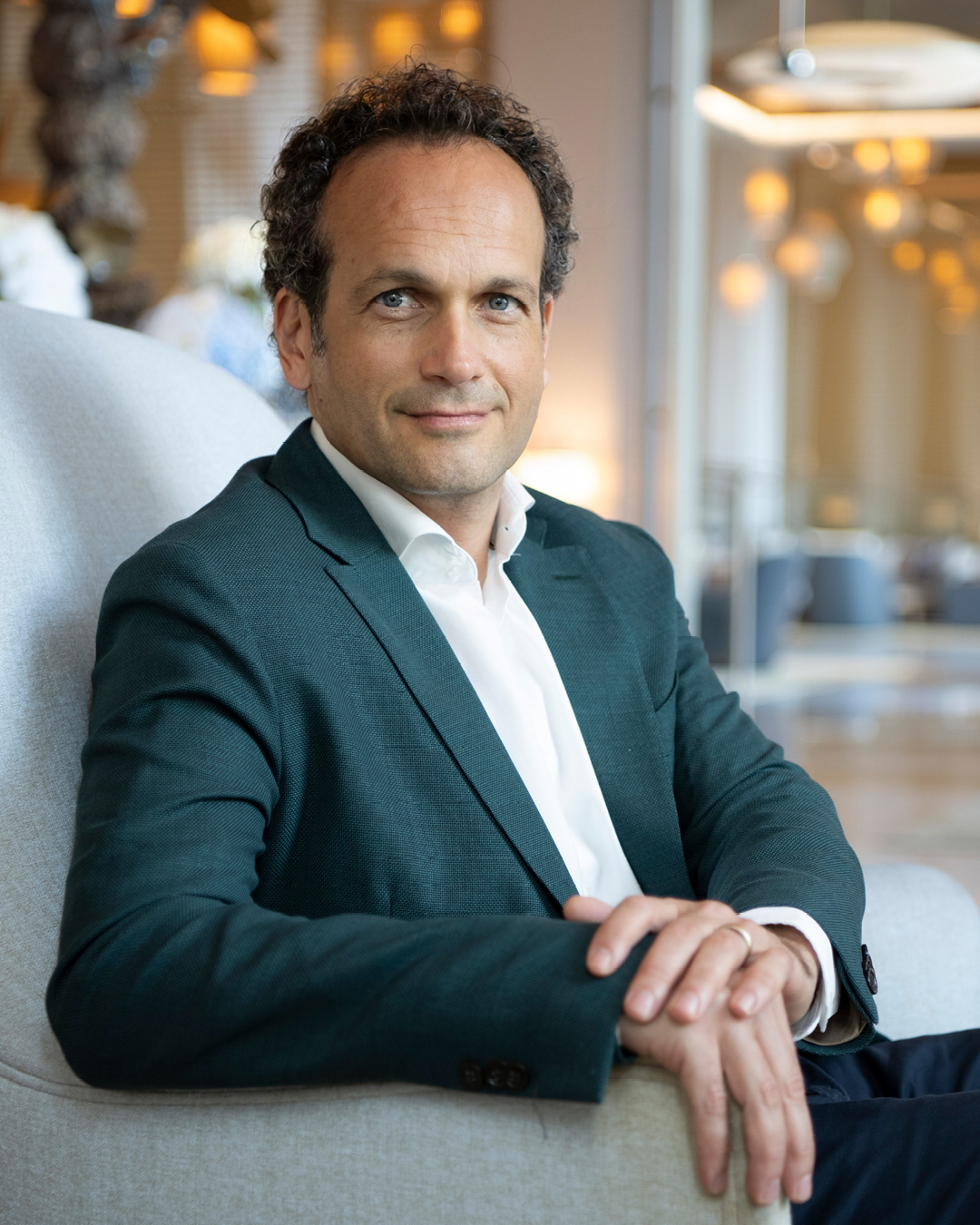
With over 25 years of continuous presence in the Middle East, Woods Bagot has developed a diverse portfolio across mixed-use, residential, hospitality and workplace sectors, contributing to the shaping of some of the region’s most recognisable urban environments. Working closely with ambitious clients and long-term partners, the studio’s work reflects a shared commitment to delivering places that are both commercially successful and meaningful to the communities they serve, grounded in a consistent focus on quality, collaboration and local understanding.
Among its recent projects, Woods Bagot has worked closely with Dubai Holding to evolve Dubai Design District (d3), expanding its role as a creative hub through a masterplan that brings together culture, business and public life within a walkable, connected environment. The project reinforces the district’s position within Dubai’s creative economy, supporting the vision of its stakeholders through a mix of residential, commercial and cultural spaces anchored by a strong public realm. In parallel, Six Senses Residences Dubai Marina for Select Group reflects a shift toward more considered living, shaping a high-rise residential tower around wellbeing, aligning with the operator’s ambition to deliver a lifestyle centred on longevity, sustainability and everyday quality of life. Director Samer Charara says, “For us reaching 25 years in the Middle East reflects more than longevity, it represents a deep understanding of the region, its ambitions and the pace at which its cities continue to evolve. That perspective allows us to work closely with our clients to create places that are enduring, relevant and connected to the people and communities they serve, while helping shape the future of the regions built environment.”
Kerem Cengiz, Managing Director, LWK+ PARTNERS, Middle East
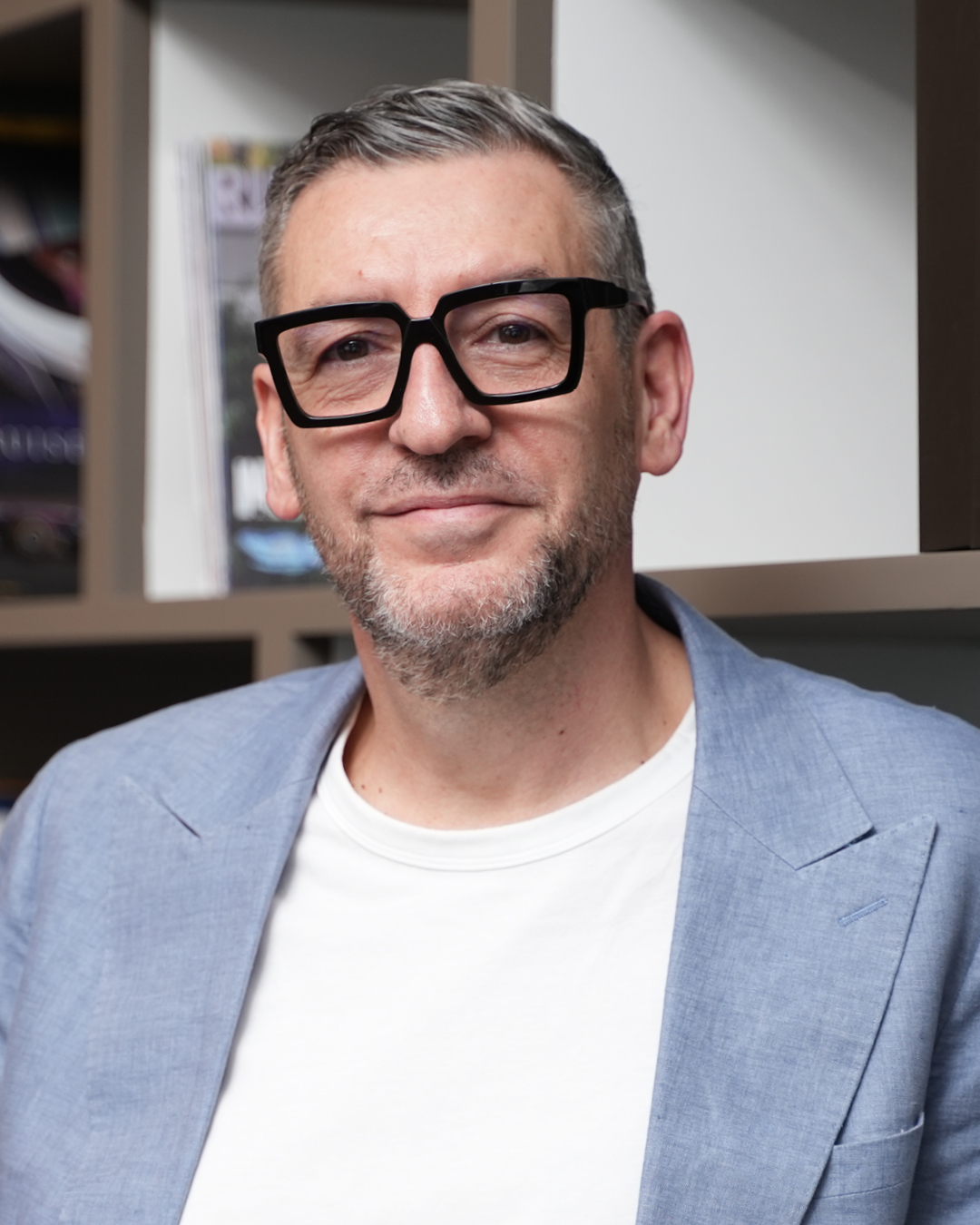
Cengiz plays a pivotal role in shaping the future of urbanism across the region. With over 25 years of experience spanning Europe, Asia, and the GCC, he brings a refined, context-driven approach to architecture, master planning, and placemaking. His work focuses on aligning commercial objectives with cultural depth and spatial intelligence to create environments that are not only functional, but enduring and meaningful. Rather than approaching projects solely through design, Cengiz operates at the intersection of strategy, stakeholder alignment, and urban foresight. He translates complex ambitions whether from investors, civic leaders, or developers into frameworks that empower creative teams to deliver lasting impact. His leadership style is collaborative and systems-oriented, fostering multidisciplinary teams that integrate architecture, interior design, landscape, and urban strategy into a cohesive ecosystem. “I don’t think it was one single, dramatic moment,” says Cengiz when asked about his tipping point. “It was more a gradual realisation that I was already reading the world architecturally; through streets, thresholds, movement, light, memory and the way people occupy space. Coming from a multi-cultural background, I have always been interested in the “in-between”: between cultures, disciplines, scales, the imagined and the real. Architecture became the place where those tensions could be made productive,” he shares.
“The tipping point was understanding that architecture is not simply about buildings. It is a way of translating human aspiration, culture, economics, climate, technology and responsibility into environments that can genuinely improve daily life. Once I understood that, the discipline became impossible to switch off. It gave me a language wide enough for curiosity and serious enough for consequence: a way to turn ideas into places, and places into meaningful human experience.” The firm is currently pursuing projects in Phase 1 Sultan Haitham City and a development called Nine Collective.
Pooja Shah-Mulani, Managing Partner – Creative, LW
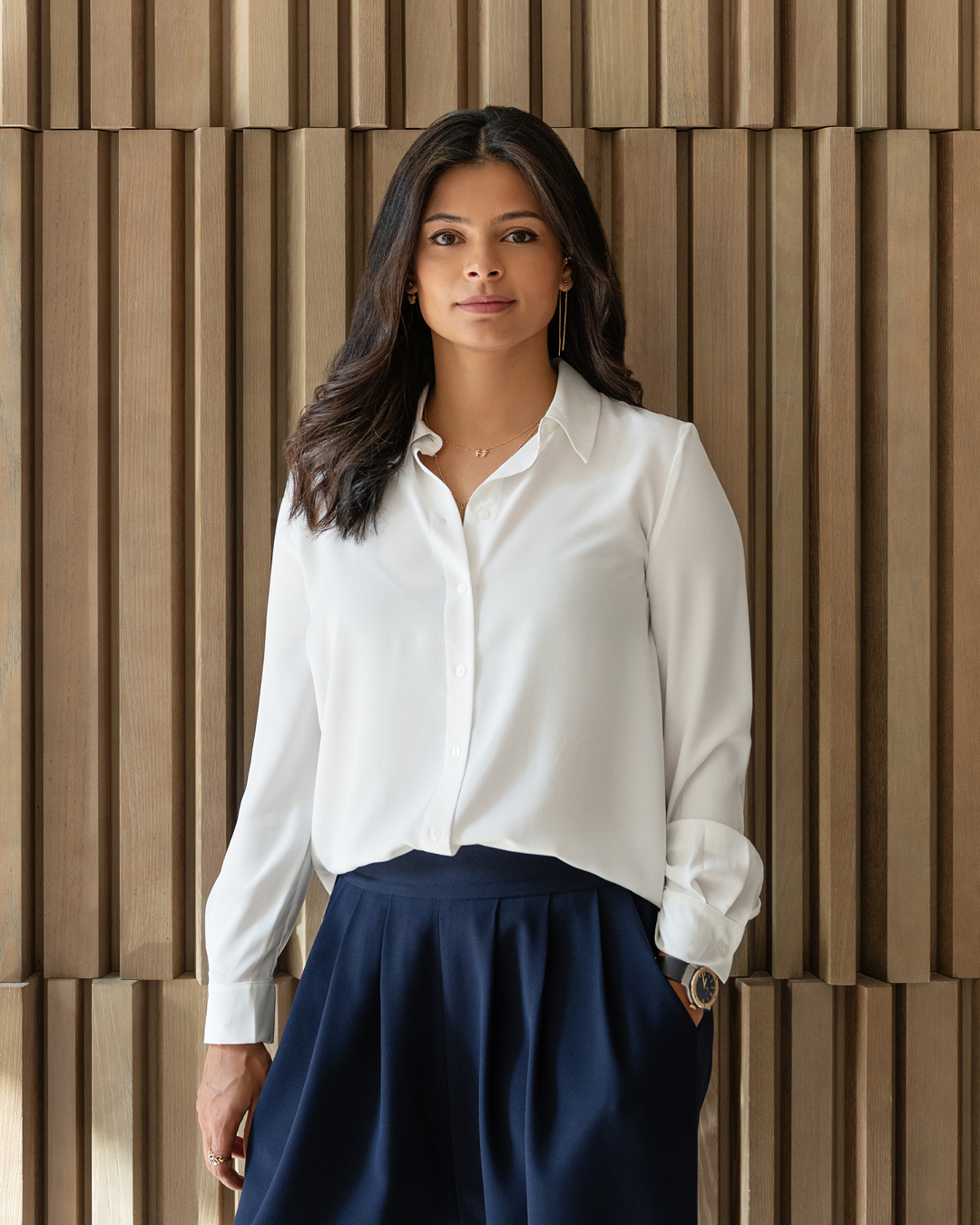
An award-winning creative force and strategic leader with a global perspective, Shah-Mulani has been with LW Design since 2012 and today serves as the firm’s Creative Managing Partner. With over a decade of experience and an instinct for crafting spaces that resonate emotionally, Shah-Mulani has played a key role in LW’s transformation from a regional studio into a global hospitality design powerhouse. Her strength lies in blending narrative, strategy, and authenticity, translating deep human insight into spaces that connect with guests and reflect the soul of their locations. “Design is like theatre,” she says, “Every element must perform in harmony to create lasting emotion.” Her approach is immersive and intuitive, yet firmly grounded in commercial reality.
Shah-Mulani’s unique ability to bridge client aspirations with operational goals and guest expectations has made her a trusted partner to global brands like Marriott, Four Seasons, Hilton, and many more. Guiding the studio into a dynamic era of global expansion, she leads LW’s strategic footprint across Africa, Europe, Asia, and North America while breaking boundaries across new sectors and typologies. In addition to her creative leadership, Shah-Mulani champions mentorship, culture, and cross-disciplinary collaboration within LW and the broader design community. Her work and influence have been widely recognised through numerous accolades and industry honours.
In 2026, Shah-Mulani centers on a fundamental shift toward diversified experience design, where holistic well-being, fluid hybrid spaces, and timeless, culturally rooted narratives take center stage. Under her leadership, the studio’s portfolio has seamlessly integrated luxury hospitality with an evolving philosophy of wellness that honours local heritage while dissolving traditional design boundaries.
This approach is exemplified at the Mandarin Oriental Downtown Dubai, where Shah-Mulani led the design of two distinctive signature venues on the 36th floor. The double-height Sky Lobby offers a tranquil garden-in-the-sky experience. Another is a restaurant called Yù & Mì, which draws inspiration from 1930s Shanghai, blending theatrical glamour with urban sophisticcatoin
Expanding beyond urban destinations, Shah-Mulani has strengthened the firm’s presence in luxury wilderness hospitality. Following the success of The Ritz-Carlton Masai Mara Safari Camp in Kenya, the upcoming JW Marriott Mount Kenya Rhino Reserve Safari Camp in Solio will merge contemporary refinement with the spirit of a conservation retreat.
Her global portfolio also includes the avant-garde W KAFD in Riyadh, the cultural revitalisation of InterContinental Table Bay in Cape Town, and Verdala in Malta, a heritage-led wellness destination. Together with projects such as Netsu, these openings reflect her ability to craft immersive, place-driven experiences across diverse geographies and scales.
“Milan was my tipping point,” shares Shah-Mulani. She had moved to Milan to pursue a master’s degree. “Until then, I thought design was simply a creative career. Once I arrived, I realised it was an entire world with endless possibilities. That realisation completely changed the trajectory of my life.”
Marco Maximus, Design Director, KEANE
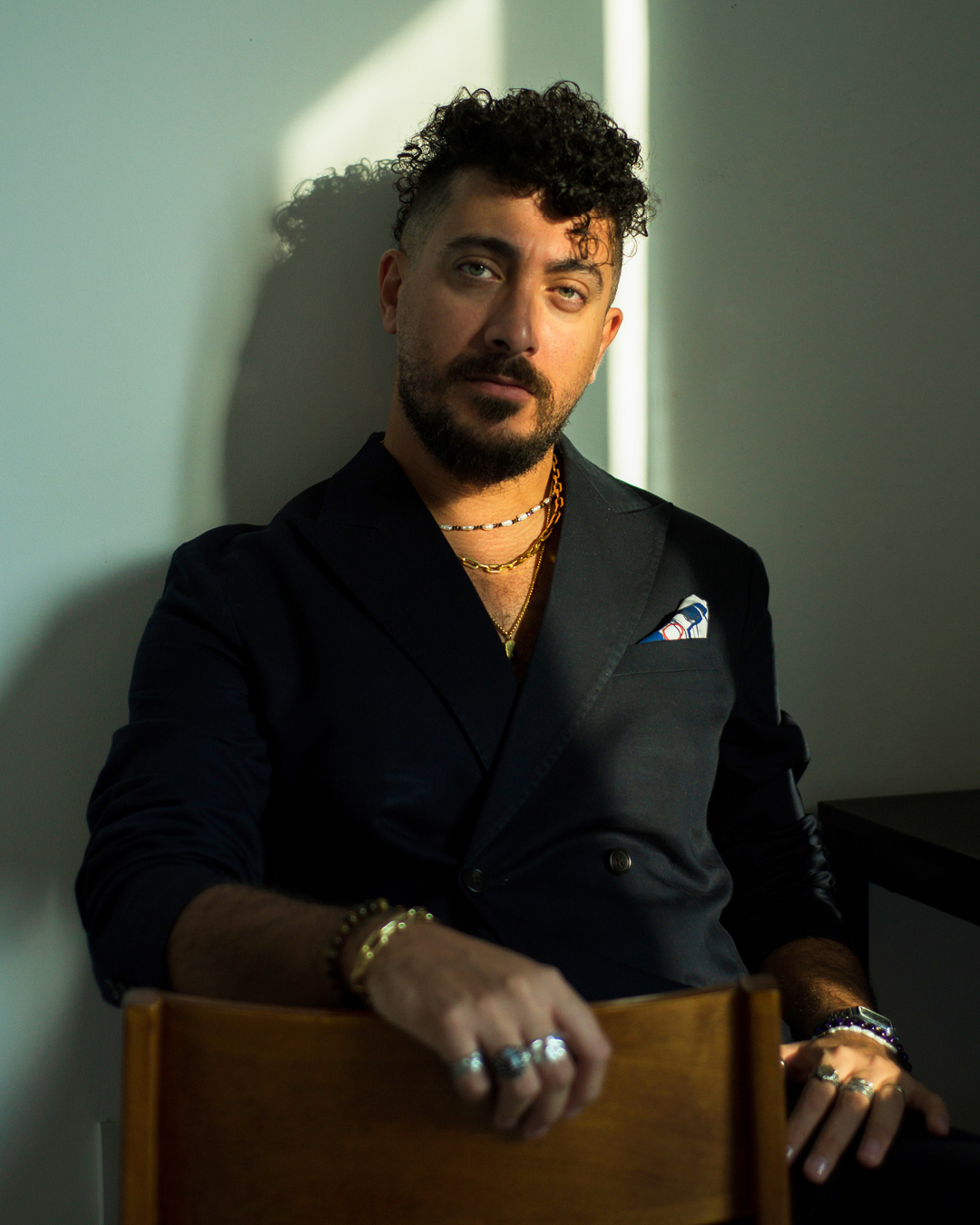
Maximus leads the creative direction for hospitality, lifestyle, and cultural projects across the region at KEANE. His approach focuses on designing experiences and creating interiors that carry identity, emotion, atmosphere, and a strong sense of place.
His work often begins with a story: a cultural reference, a forgotten ritual, a material memory, or a moment of human behaviour. From there, the design develops into layered hospitality environments that feel distinctive, commercially relevant, and emotionally memorable.
Recent projects include ERTH at Zayed National Museum in Abu Dhabi, Club 71 in Dubai, Attaché 2.0 in Riyadh’s Diplomatic Quarter, and several hospitality and lifestyle destinations across the region. Alongside his work at Keane, Maximus is also the co-founder and creative director of Lazza, a Dubai-based bakery concept, and recently designed Tala, a cordless table lamp created in collaboration with Duni Lighting that debuted at 3 days of design.
Maximus was educated as an architect at Cairo University, where he was exposed to architecture, interiors, urban thinking, technical detailing, history, and the wider industry. “That gave me a very holistic way of looking at design from the beginning,” he shares. “But even then, I was never only interested in the building as an object. I was always drawn to what happens inside it: the atmosphere, the identity, the story, the materials, the way people move, and the way a space makes you feel.” Maximus also developed interests in branding, cinema, and storytelling. “The actual tipping point came when I moved to Abu Dhabi as an architect,” he shares. “I was asked to help with an interior design submission on the first day, and something immediately clicked. It felt natural, almost like I had been trying to get there all along. Soon after, I moved into the interior design team, and from that point, the direction became clear.”
Michael Magill, Global Design LeaD, RSP and Managing Director, RSP Dubai
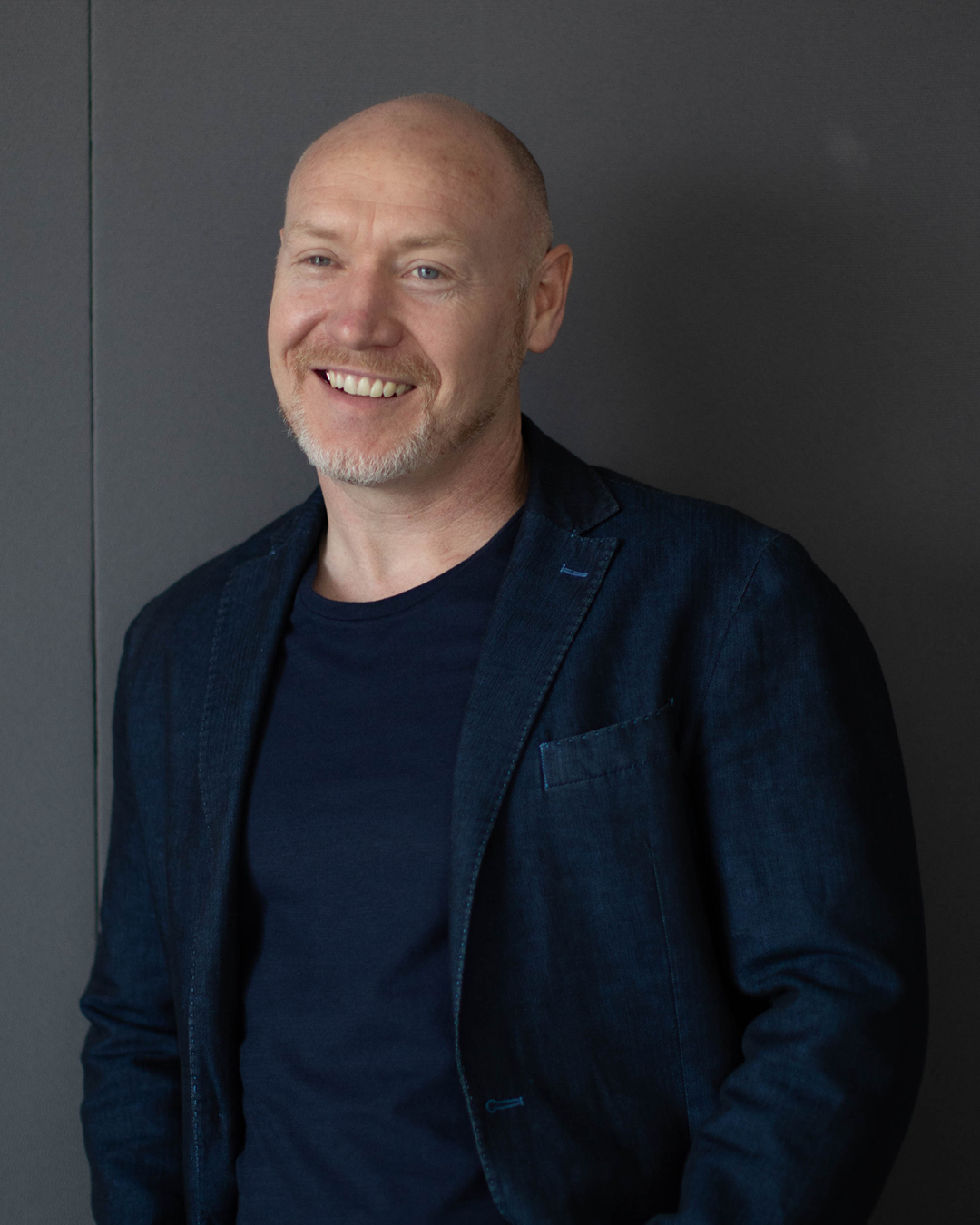
Magill oversees design strategy across an international network of studios while leading the firm’s operations in the Middle East. He was drawn to architecture through a fascination with how places influence the way people live. Magill has built his career on the belief that the most successful projects emerge from a deep understanding of people, culture, and place. This philosophy continues to shape both his work and his leadership at RSP. Under his leadership, RSP’s Dubai studio combines the capabilities of an international practice with the agility of focused design teams, enabling close client collaboration and a nuanced understanding of the people, culture, and place that shape each project.
With a career spanning Europe, Asia, and the Middle East, Magill is known for his ability to translate vision into impactful architecture, he has led the delivery of award-winning hospitality, residential, mixed-use, and master planning projects that balance design excellence with commercial success.
Under Magill’s leadership, RSP Dubai has evolved into a leading design hub, delivering projects that range from luxury hospitality destinations and branded residences to large-scale urban regeneration and master planning developments. Recent projects by the studio include the enhanced design of Keturah Resort on Dubai Creek, The Wilds master community by Aldar, and the interior design of Aldar’s wellness-focused Rise by Athlon community.
Shazad Azam, Founder and Chief Operating Officer, International Design Associates (IDA)
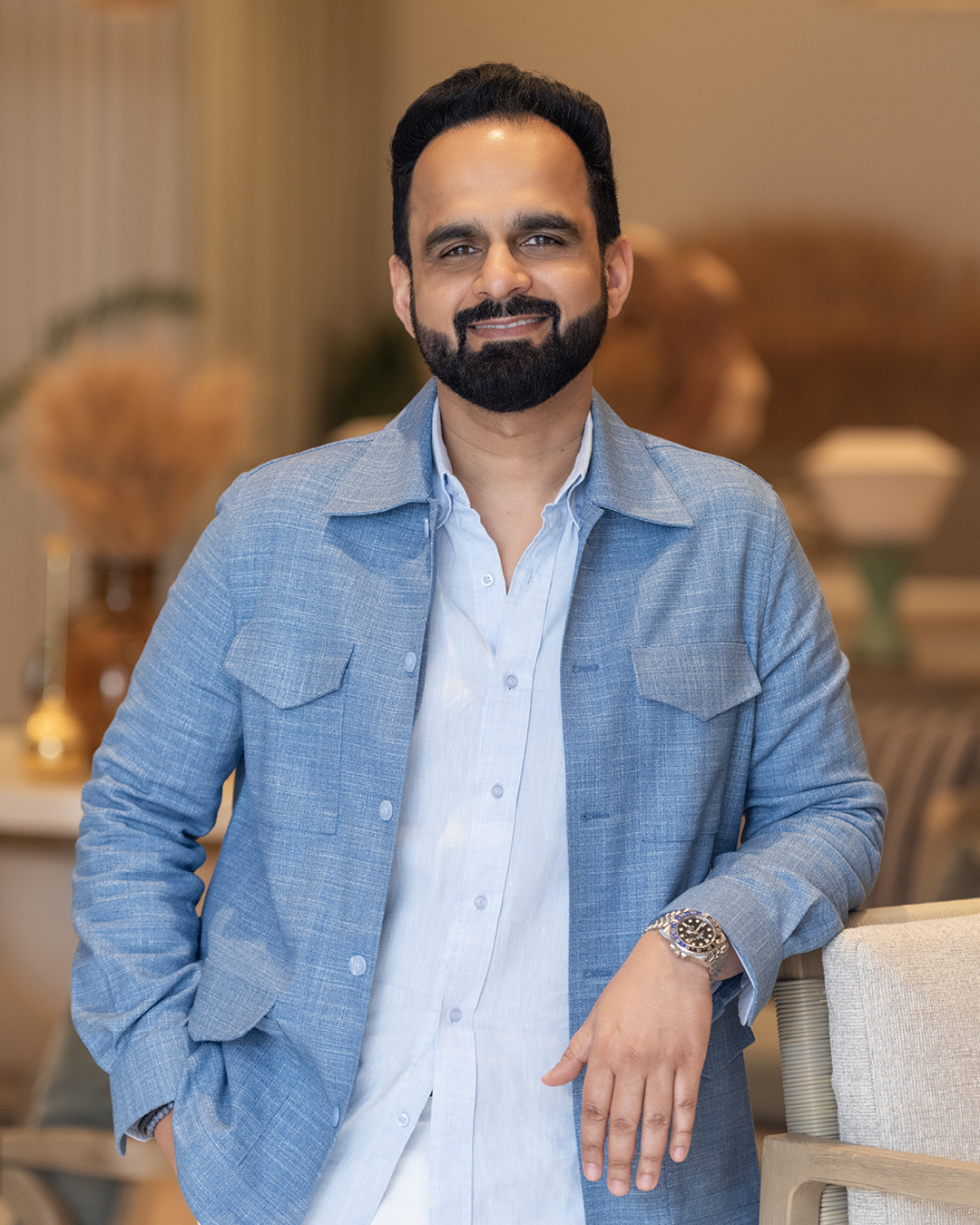
In 2013, Azam founded IDA as a small studio in Manama, Bahrain, with a clear vision to deliver thoughtful, people-centric design. Today, that vision has grown into an international multidisciplinary practice of more than 100 professionals, with offices spanning Bahrain, Saudi Arabia, Egypt, Pakistan, Thailand and London.
Under Azam’s leadership, IDA has become one of the region’s fastest-growing design firms, delivering luxury hospitality destinations, branded residences and mixed-use developments that combine strong commercial performance with memorable user experiences. The firm’s portfolio includes high-profile projects such as Sofitel Al Khobar, Curio Branded Residences in Riyadh, Gulf Hotel Autograph Collection in Bahrain, and Kempinski Marina Residences in Dubai.
Central to Azam’s approach is a belief in clarity, functionality and purpose. By removing unnecessary complexity, he creates environments that feel intuitive, emotionally engaging and deeply connected to the people who use them.
“As a child, I was convinced I was destined to become a fashion designer,” shares Azam. “My mother, however, had other ideas. She politely – but firmly – suggested I find something else to design, so I turned my attention from clothing to the world around me. Over time, that curiosity evolved into a passion. I became fascinated by how the built environment influences the way we think, feel, and connect with one another.”
Diane Thorsen, Design Principal, Global Hospitality lead, Gensler
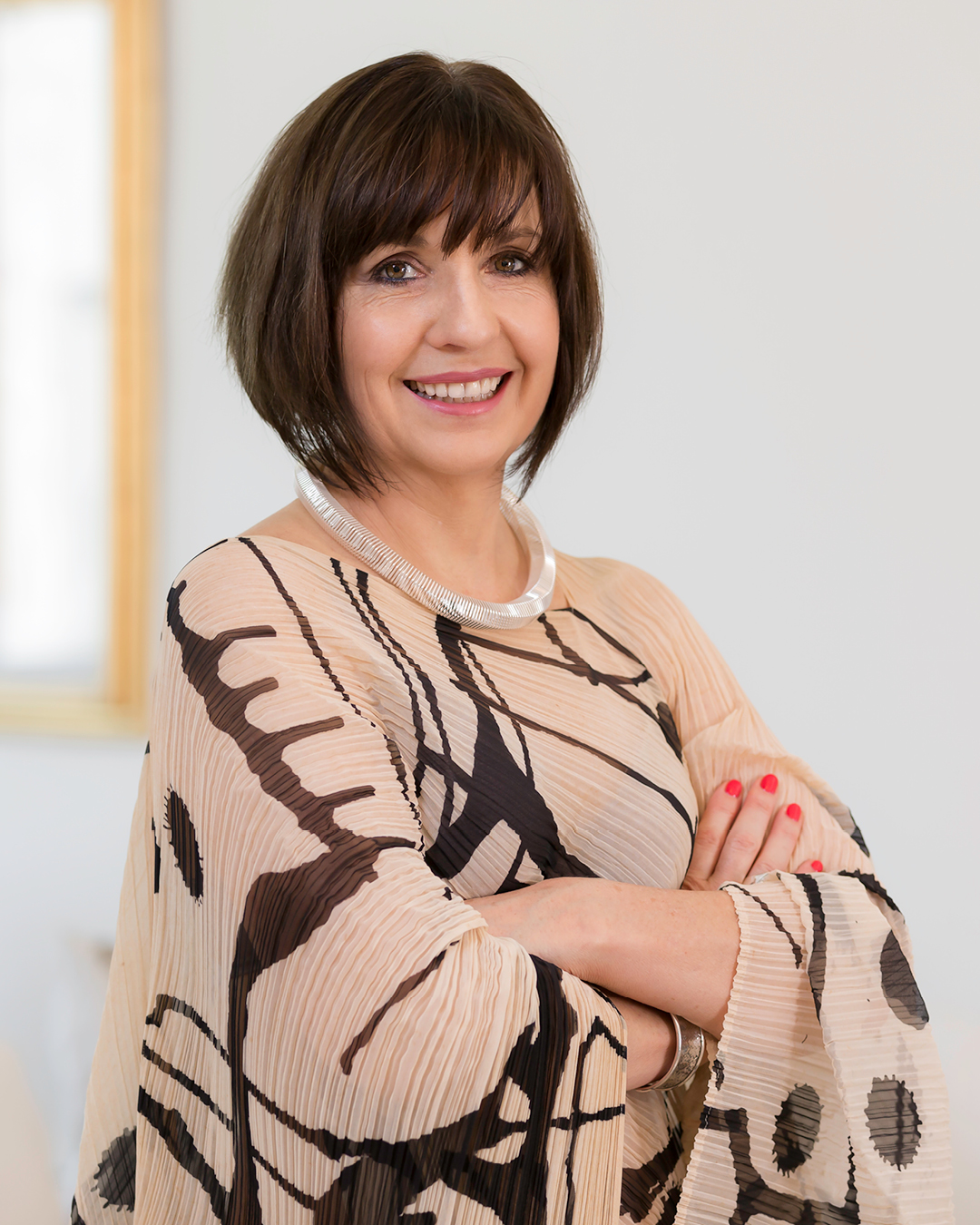
Thorsen believes that great design begins with understanding a client’s vision, their culture and designing from the inside out. Her extensive experience spanning over 30 years coupled with leadership ability has resulted in an award-winning design studio of thought leaders. Thorsen relocated to the Middle East in 2008, where she embraced the region’s nuances and responded with sensitivity to appropriate design solutions. Most notably, her designs for international hospitality and mixed-use developments display attention to detail, a love of local art, and quality of craftsmanship. Her award-winning work and design approach is informed by human centric design, creativity, collaboration, and a forward-thinking approach with a structured, detailed process.
A graduate of the Faculty of Art, Design and Architecture from the University of Johannesburg South Africa, Thorsen furthered her studies to include sustainability and is a LEED Accredited Professional and a WELL Building Accredited Professional. She is a Registered Interior Designer within the IIDA and serves on the advisory board of the American University in Dubai.
“My tipping point came from an early fascination with both art and the natural world,” she shares. “Growing up in South Africa, surrounded by extraordinary landscapes, I developed a deep appreciation for texture, pattern, color, and the way environments shape how people feel. I realised that design sits at the intersection of creativity and human experience, it has the power to influence emotions, behaviors, and memories. What drew me to architecture and interior design was the opportunity to create spaces that are not only beautiful, but also meaningful and impactful. That belief has stayed with me throughout my career and continues to inspire my work today.”
Recent projects in Dubai, UAE include Alaya Villas at Tilal Al Ghaf, and the The Nikki Beach Resort and Spa Ras Al Khaimah.
Summer finds that evoke a sense of rest and relaxation
Doha Design District’s new platform, ‘Mada and Sada’, is less about what creativity produces and more about what makes it possible.
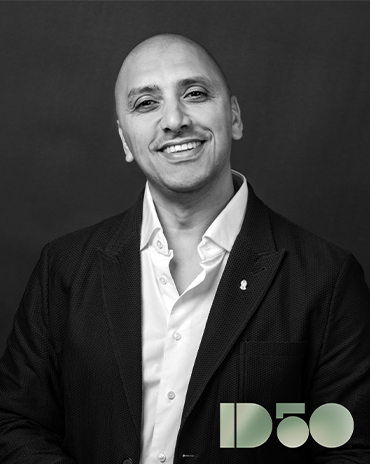
Meet Waleed Arafa, Founder and Principal, Dar Arafa Architecture
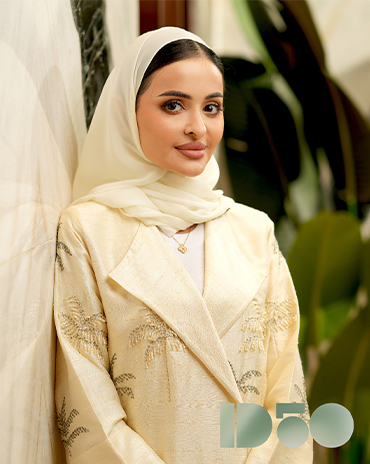
Meet Reem Al Qamzi, Founder, Rqitects
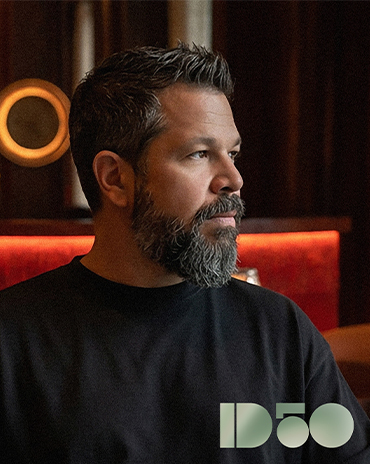
Meet Firas Alsahin, Co-Founder and Design Director, 4SPACE Design
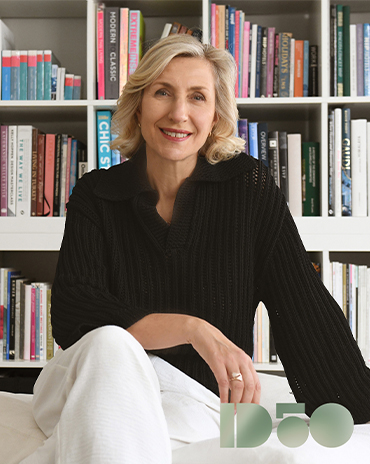
Meet Kristina Zanic, Founder, Kristina Zanic Consultants
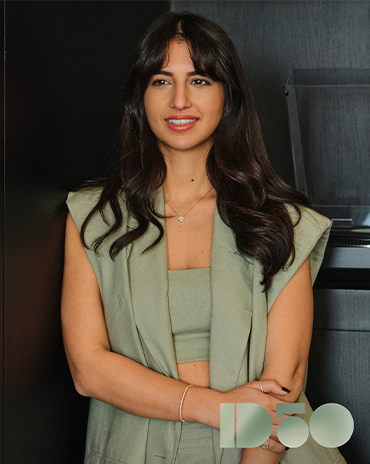
Meet Ghida Chehab, Founder, Studio Baab
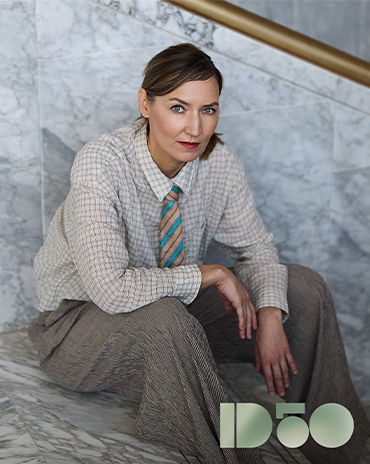
Meet Agata Kurzela, Creative Director, Agata Kurzela Studio
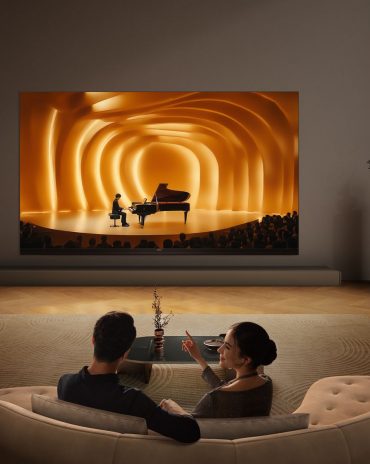
We take you through the design aspects of the TCL X11L
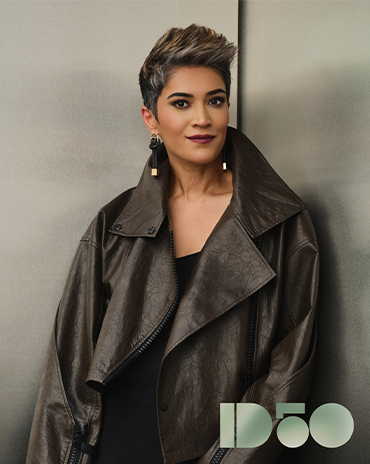
Meet Pallavi Dean, Founder and Creative Director, Roar
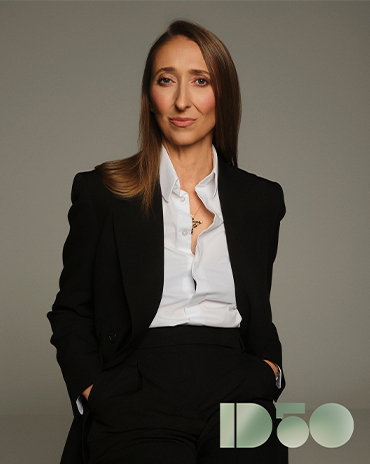
Meet Vera Dieckmann, Founder and Creative Director, XO Atelier
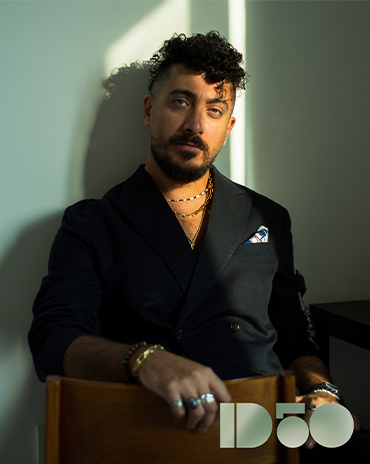
Marco Maximus, Design Director, KEANE