




Art has the power to illuminate histories and tell human stories across time and geography. At the newly opened Black Gold Museum in Riyadh, Saudi Arabia, it does just that
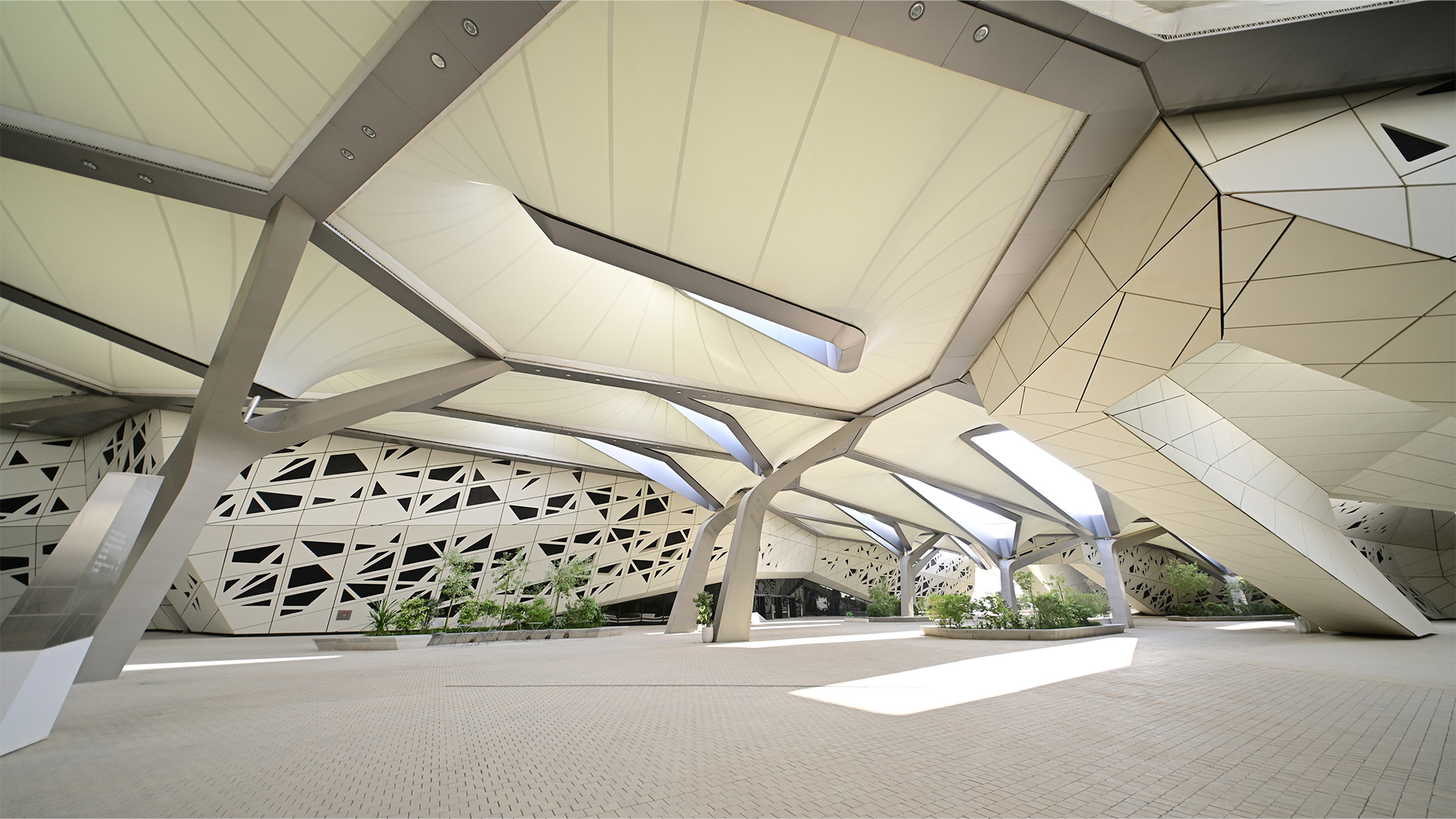



Riyadh’s recently inaugurated Black Gold Museum explores humanity’s relationship to oil through the lens of modern and contemporary art. Housed in Saudi Arabia’s King Abdullah Petroleum Studies and Research Center (KAPSARC), a landmark building designed by Zaha Hadid, the museum contains a staggering permanent collection of over 350 artworks by acclaimed artists, including Manal AlDowayan, Ahmed Mater, Muhannad Shono, Doug Aitken, Jimmie Durham, Dennis Hopper, Alfredo Jaar, George Sabra, and Pascale Marthine Tayou, among others. Incorporating over 170 preeminent artists from more than 30 countries, the museum’s vision is global and expansive.
The museum is arguably the first of its kind. As Director Jack Persekian explains, “Although other museums dedicated to petroleum exist in the world, the Black Gold Museum is unique, for it is not only concerned with petroleum’s discovery, biochemical composition, and subsequent industrialisation, it addresses the vital aspects of its socioeconomic, political, environmental and cultural impact on humanity, highlighting both the opportunities it created and the challenges it continues to raise.”
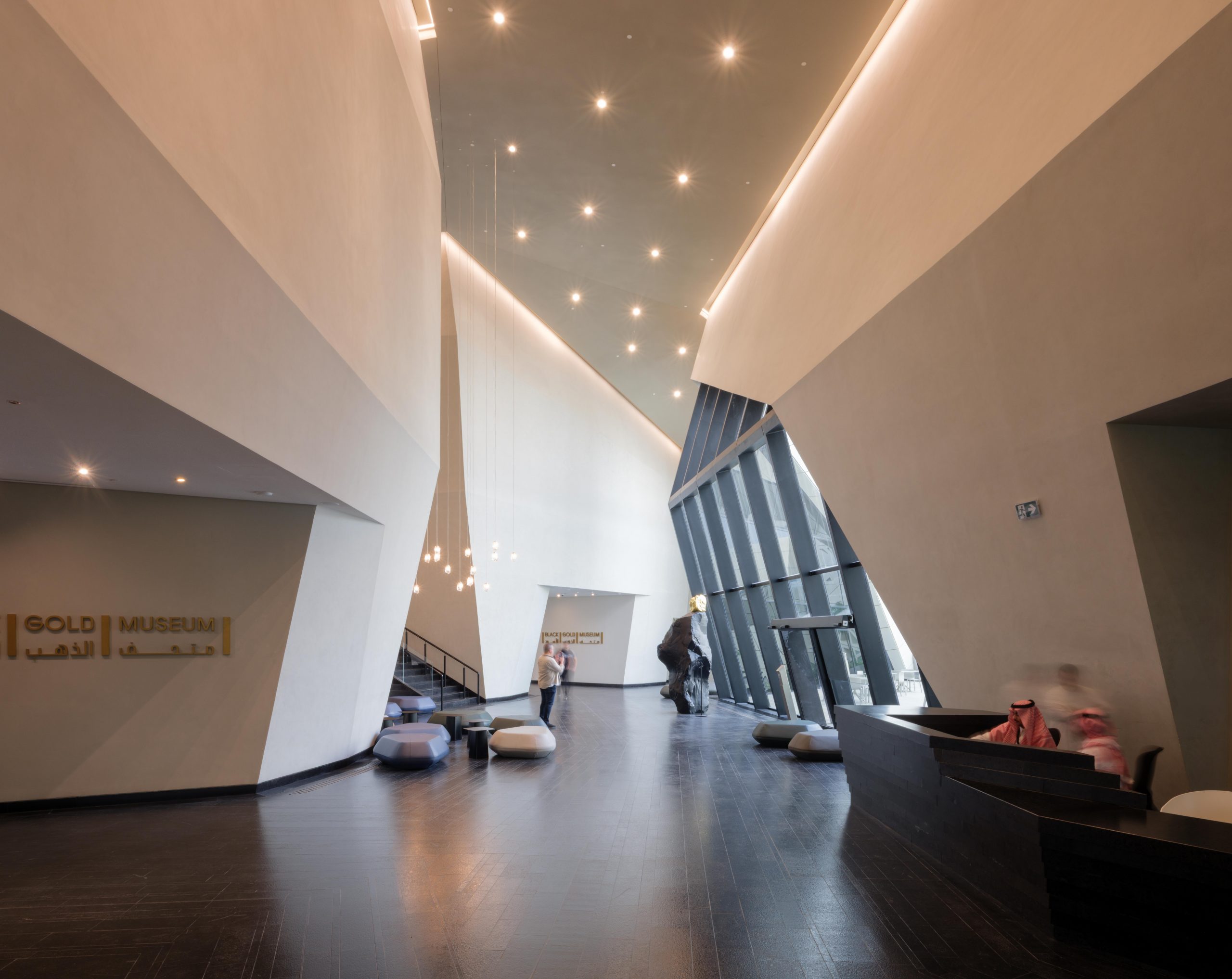
Patterns and layouts echo naturally occurring geometrical structures as well as the site’s existing architecture
Curatorially and spatially, the museum is organised into four themed galleries. Encounter focuses on the origins of oil, from its geological formation and discovery to its role in ancient civilisations. In Dreams artworks examine the role of oil as a resource fuelling progress, and an almost ‘invisible’ material inextricably linked to mass consumer culture and convenience. A more critical perspective is explored in Doubts, where artists interrogate the environmental and societal impact of oil. Finally, Visions looks to the future by taking an approach that centres on innovation, research and debate. In this context, art becomes a platform for questioning oil dependency, sustainability and energy transition. Curator Christian Janicot describes the museum as “a unique place where art reveals the invisible, and where artists become the narrators of this civilizational adventure. For who better than artists [to] help us see what we no longer perceive? Who better can transform raw material into emotion, questioning, and beauty?”
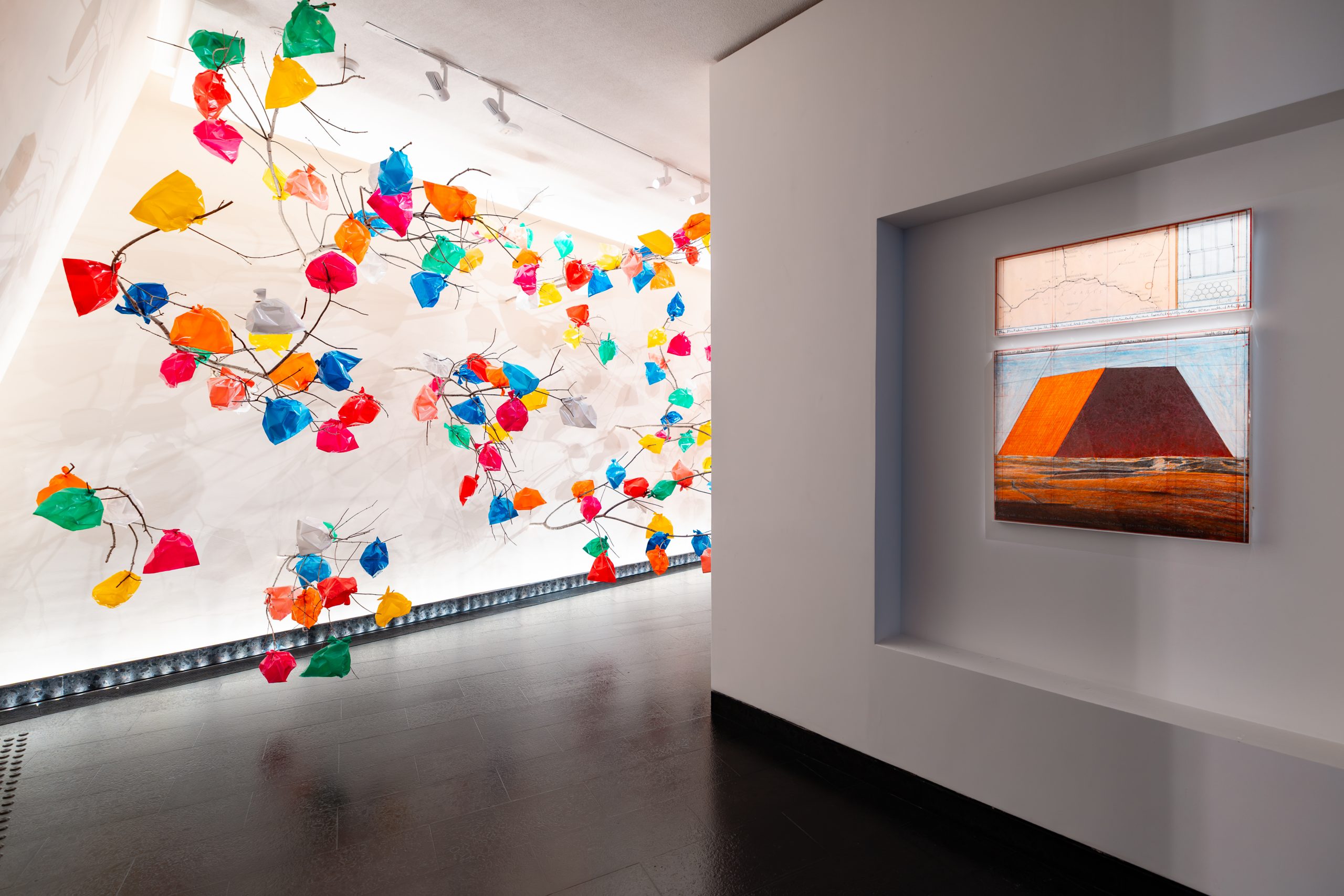
The museum contains a staggering permanent collection of over 350 artworks by acclaimed artists
DaeWha Kang, whose eponymous studio conceived the museum’s interior architecture and design, emphasises the importance of creating a space for visitors to come into a close and immersive relationship with the art exhibited. “Our ambition with the architecture has been to create galleries that enhance the visitor’s experience of this remarkable artwork – and to deliver those calm, uplifting moments of contemplation that serve the galleries and the art within them. All of this achieved not by building something new from the ground up, but by transforming what was already there,” explains Kang.
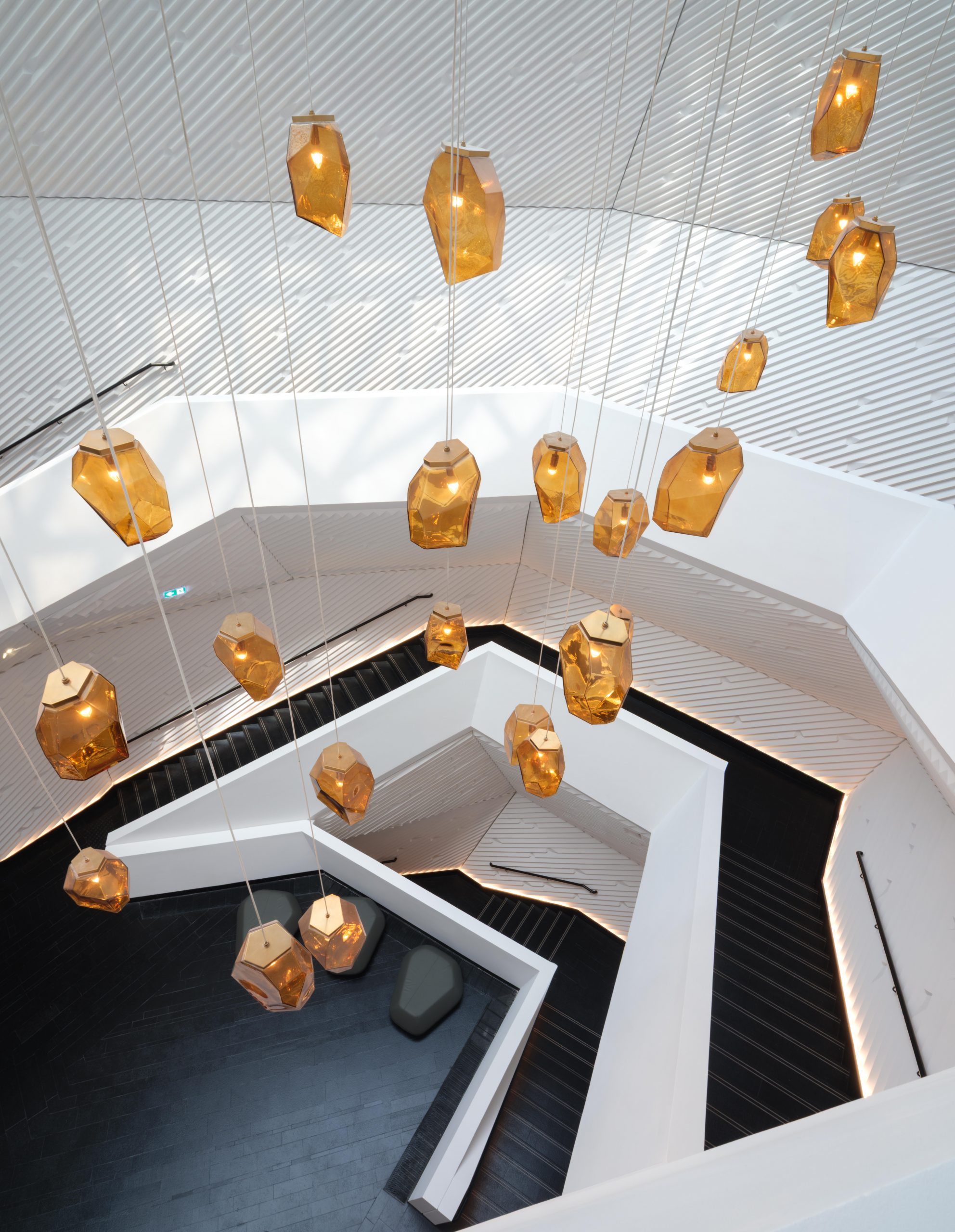
Materials, colour palettes and design elements draw inspiration from Saudi geology, including wadis and canyons
Rather than constructing a new building, the studio completely transformed the KAPSARC’s research library through adaptive reuse. Sustainability is at the core of the design, with minimal intervention, demolition and energy consumption involved in the build, and materials chosen for their durability and efficiency. Materials, colour palettes and design elements draw inspiration from Saudi geology, including wadis and canyons. Patterns and layouts echo naturally occurring geometrical structures as well as the site’s existing architecture.
In the current climate, the need to explore shared histories and the future of oil in relation to societies, economies and the environment is urgent. The Black Gold Museum confronts the complexities and ambiguities of this subject by curating a narrative told from multiple perspectives and across disciplines. As Janicot concludes, “I believe we have helped invent a new museum format: a way of telling a universal story through an experience that is at once historical, scientific, and artistic. For me, this cross-disciplinary approach is what defines culture today.”
Photography: Hassan Al Shatti
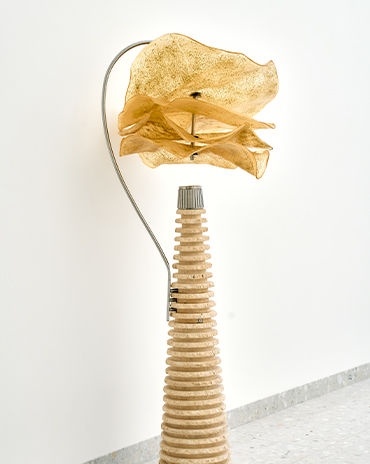
Where There is Uns by Joud Malhas and Rachel Antoun
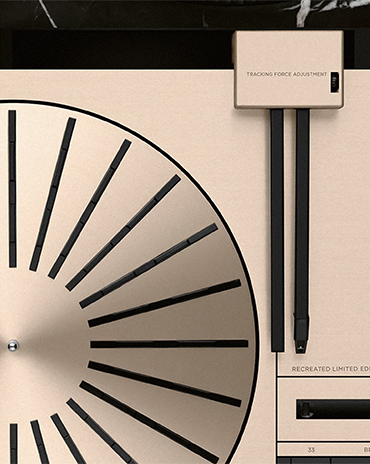
Bang & Olufsen was founded in a farmhouse in Struer, Denmark, where Peter Bang and Svend Olufsen were united by a singular belief: that technology should be as beautiful as it is functional
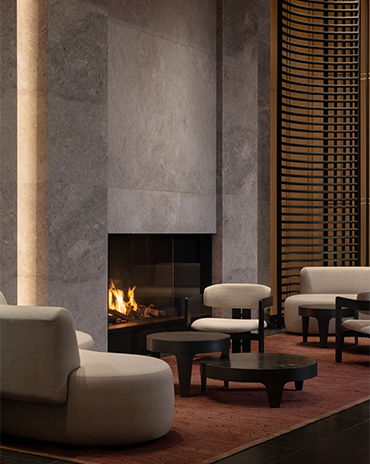
Inspired by a Japanese ryokan, Studio Munge completes Canada’s first Nobu hotel
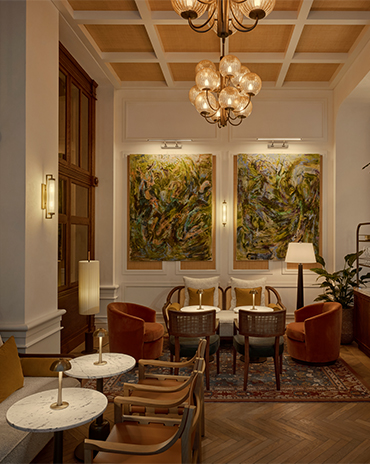
Set a stone’s throw away from Hyde Park, the Six Senses London has wellness at its heart
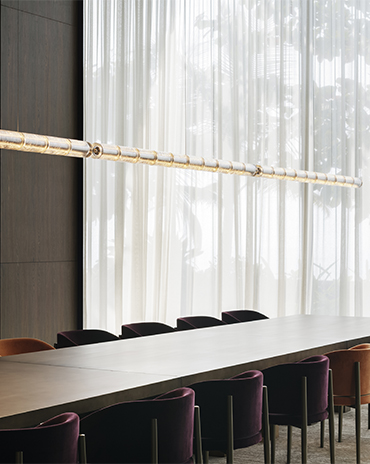
This home in Mumbai, India is an ode to Italian design
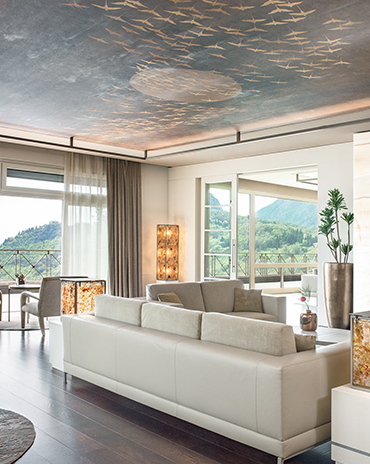
Five-star luxury property Lefay Resort & SPA Lago di Garda in Gargnano, Italy, features a renovation by Studio Apostoli and the Lefay Project Team blending contemporary luxury with natural materials
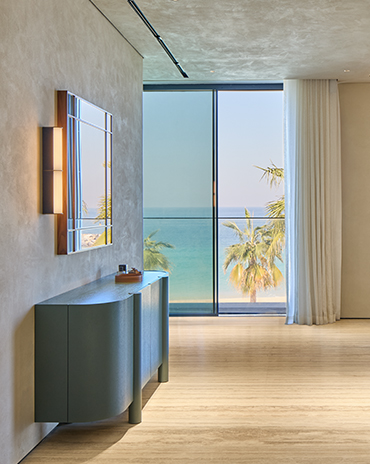
This villa in Jumeirah Bay by Delfina Design utilises natural materials to enhance its position as a beachfront home
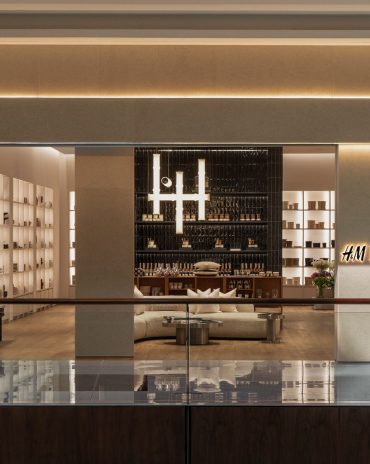
The store was unveiled on 23 May, marking a significant milestone for the brand in the region.
Studio M. completes a residence that echoes the building’s refined architecture
These design-led hotels offer inspiration at every turn
LW Design completes a sensitive reimagining of the iconic Table Bay Hotel at the V&A Waterfront in Cape Town, South Africa
This new, refined lounge showcases spectacular Dubai skyline views with style