




From the exhibition halls to the galleries of Paris, Maison&Objet 2026 revealed itself as a considered journey rather than a spectacle – one where living design, craftsmanship and cultural continuity shaped a quieter, more reflective future
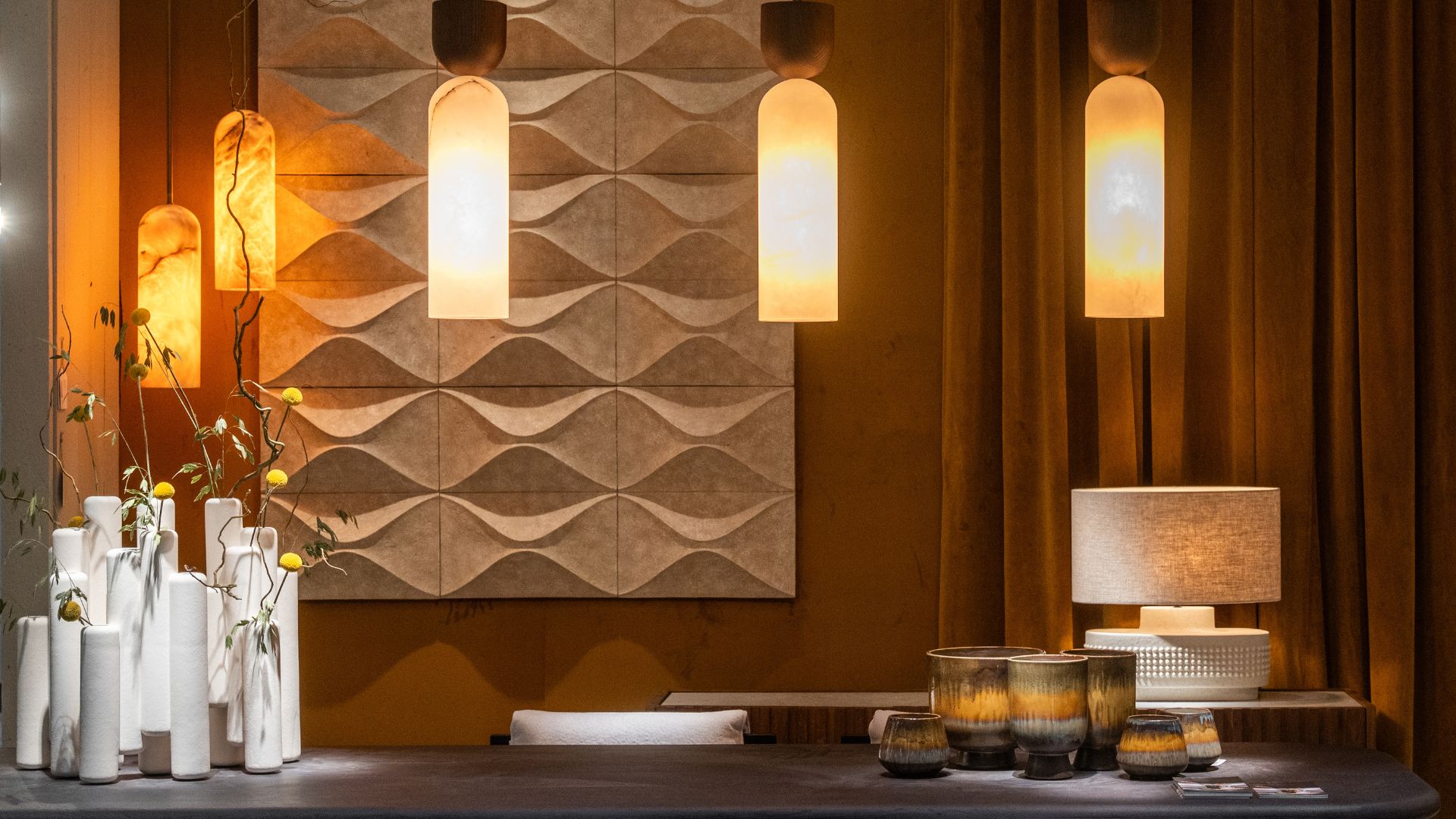



Maison&Objet has long been a marker of where design is heading, but in 2026 it felt less like a forecast and more like a moment of recalibration. Walking through the fair this year in Paris, I was struck not by excess or novelty, but by restraint – by a collective shift towards perception, craft and cultural continuity. This was a show less concerned with making more, and far more interested in seeing more clearly.
That idea was captured succinctly by Harry Nuriev, Designer of the Year 2026, whose words lingered well beyond his installation: “Transformism is not about invention – it’s about perception. Not about making more, but seeing more clearly.” It became a useful lens through which to experience the fair, framing a broader conversation about how design is evolving.
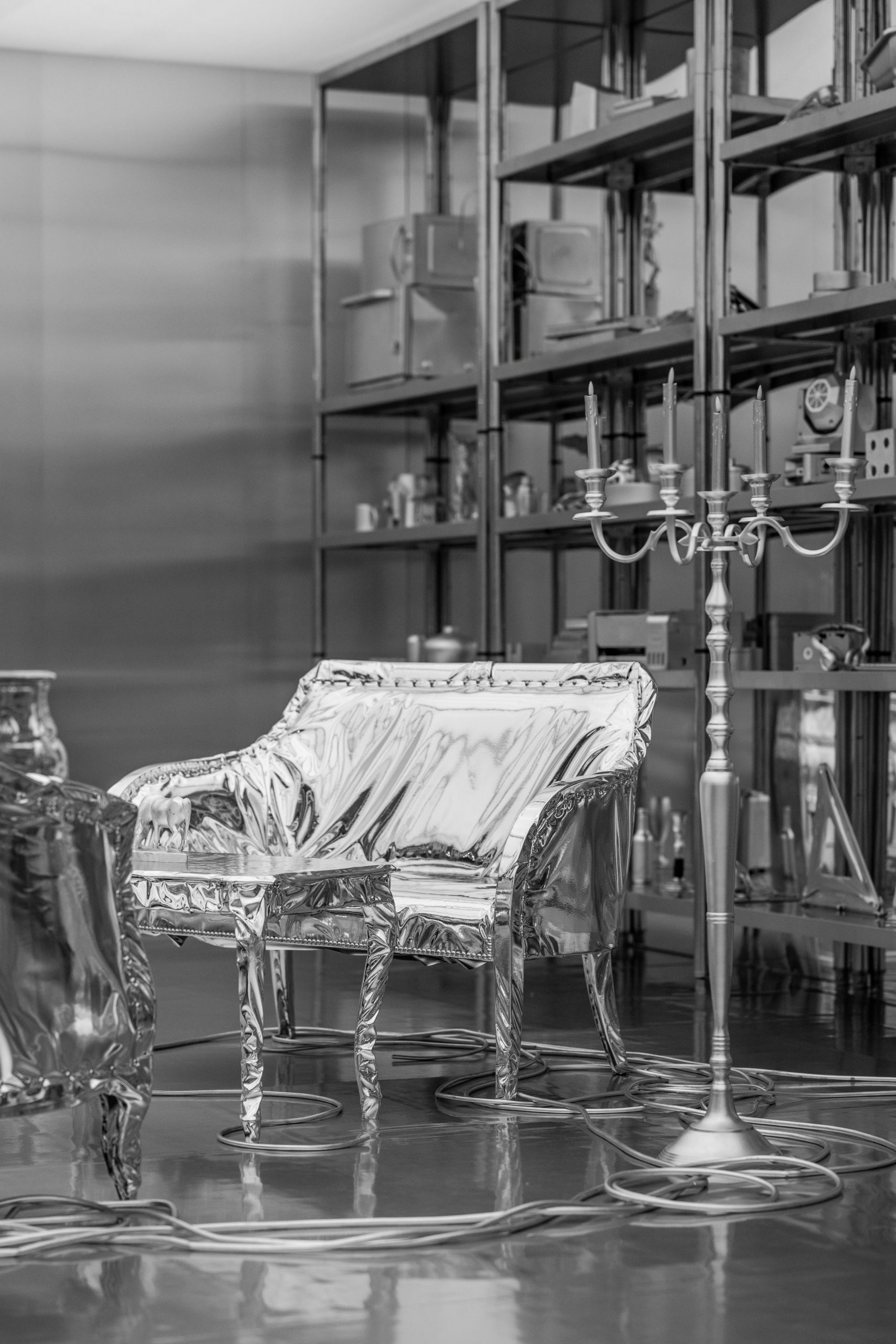
Harry Nuriev, Designer of the Year 2026;
This year, Maison&Objet placed the spotlight on living design – objects and environments shaped by narrative, memory and intent. Across the halls, four key themes emerged: Metamorphosis, Mutation, Baroque Revisited and Neo-Folklore. Rather than reading as competing trends, they felt interconnected, each exploring transformation through material, form and cultural reference. What united them was a renewed respect for artisanship, treated not as nostalgia but as a contemporary, evolving practice.
Several brands embodied this approach with quiet confidence. Talenti SPA presented outdoor collections that balanced sculptural presence with material restraint. Kana Objects demonstrated how subtle geometry and texture can elevate everyday forms, while Giopato & Coombes offered lighting that felt atmospheric rather than decorative – pieces designed to shape mood as much as space. Senimo and Lumen Centre also stood out, their displays composed and thoughtful, allowing the work to speak without spectacle.
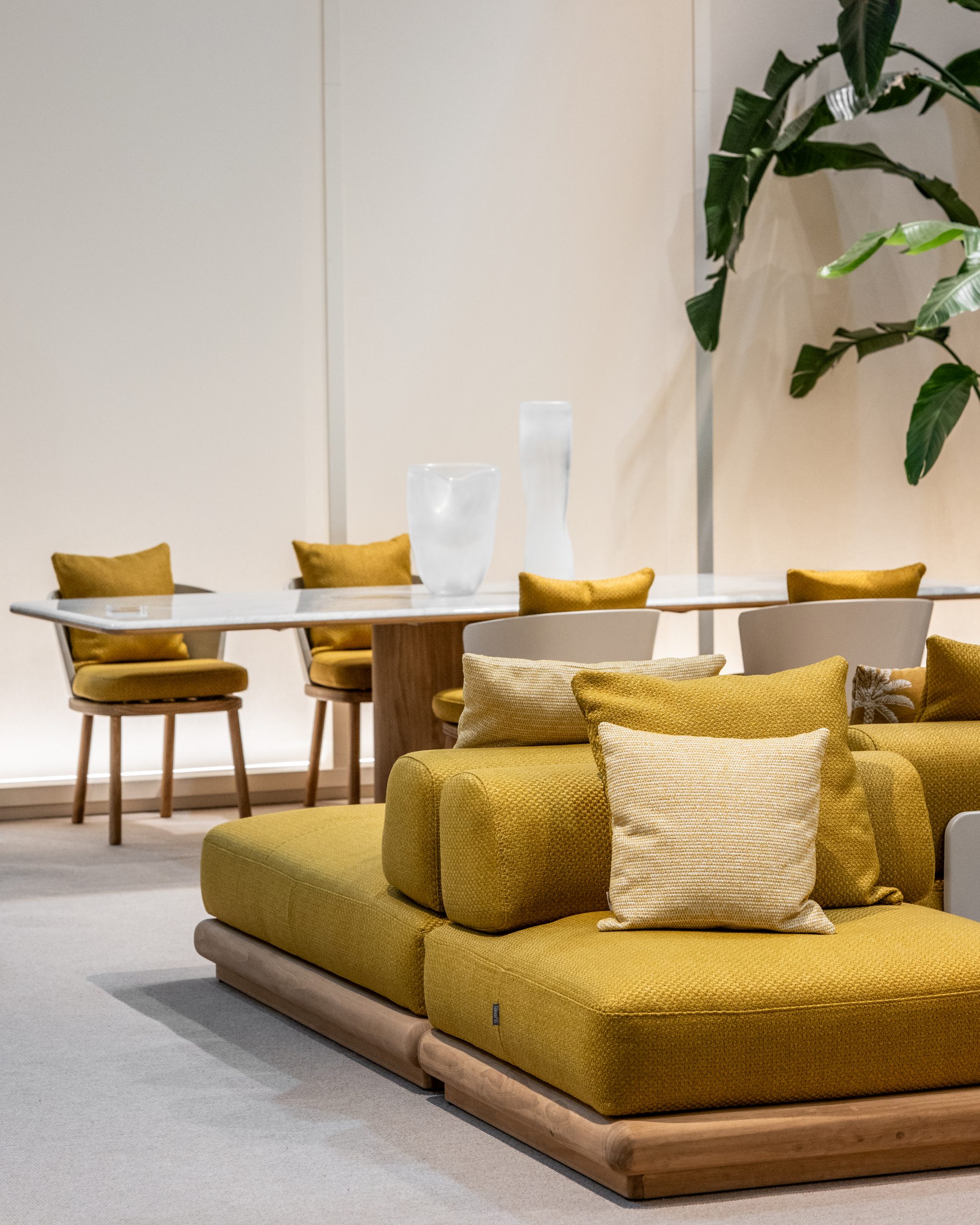
Talenti; Vips and Friends
The fair’s curated platforms added depth to the narrative. What’s New in Décor, curated by Elizabeth Leriche in Hall 2, was particularly resonant. Her scenography created an immersive journey where each installation reflected an exhibitor’s evolution, while collectively establishing a dialogue between past and future. It was less about trends as instructions, and more about trajectories – where design has come from, and where it might be heading.
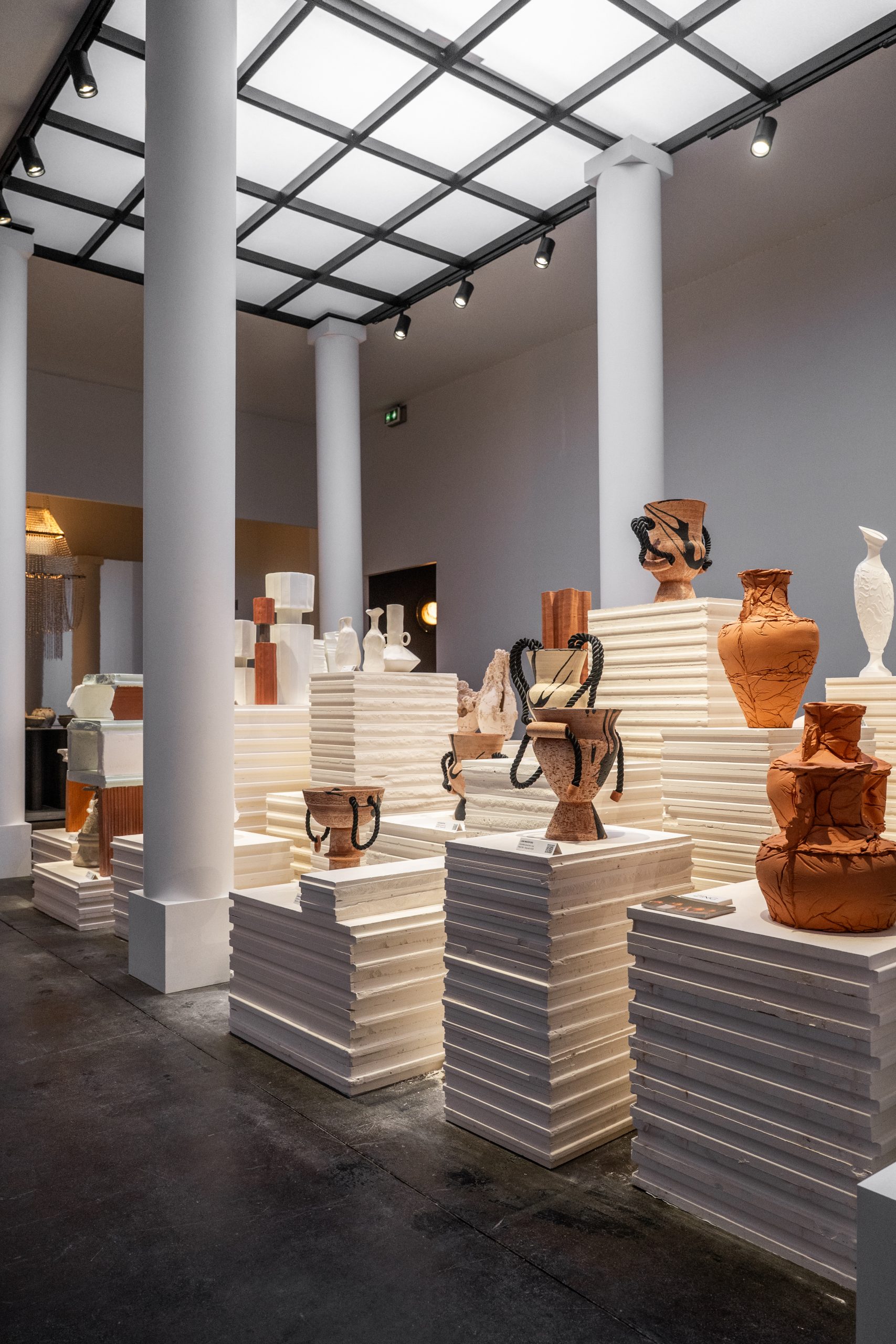
What’s New In Decor by Elizabeth Leriche
In Hall 4, What’s New in Hospitality, curated by Rudy Guenaire, offered a more experiential lens. His aviation-inspired scenography was futuristic and dreamlike, evoking the romance of ultra-luxury travel without tipping into fantasy. It suggested how hospitality design might balance escapism with sophistication in the years ahead.
Beyond the fairgrounds, Maison&Objet in the City extended the experience into Paris itself. Moving between galleries, showrooms and private presentations, I encountered founders of collectible design studios, art gallerists and furniture makers, reinforcing the idea that design thrives within cultural ecosystems rather than isolated platforms. Christie’s and Gilles & Boissier, in particular, offered moments where art, interiors and collectability intersected with clarity and confidence.
Paris in January was unforgivingly cold, a practical reminder for visitors to layer accordingly. Logistically, public transport remained the most efficient way to reach the fair, with the RER B and complimentary shuttles from Charles de Gaulle Airport offering seamless access. Leaving Maison&Objet 2026, I felt a sense of calm rather than overload. The fair did not shout for attention; it invited reflection. In doing so, it reaffirmed Paris as more than a host ciy – it positioned it as a cultural anchor, where design continues to evolve through perception, dialogue and purpose.
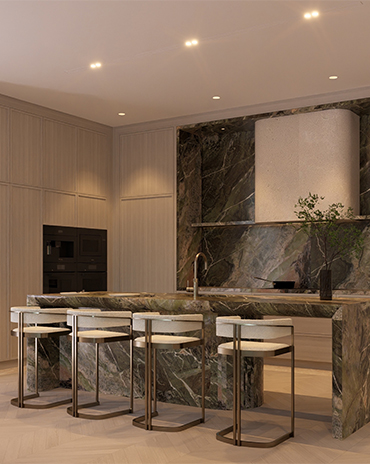
The Cut arrives at IF HUB, offering a new perspective on kitchen design through its focus on materiality, craftsmanship and sensory experiences
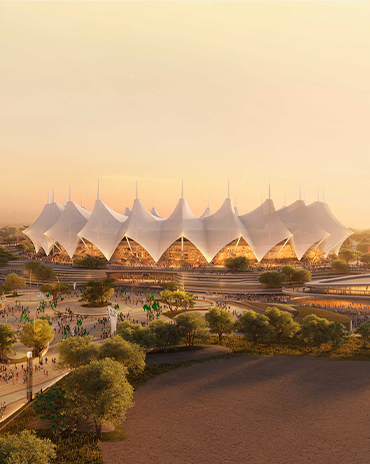
Opened in 1987, the King Fahad Sports City Stadium in Riyadh is undergoing a major renovation designed by Populous to transform it into a state-of-the-art venue for the 2034 FIFA World Cup
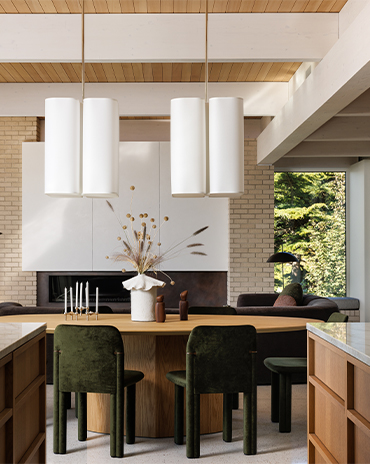
This cliffside West Coast residence is a thoughtfully layered response to a practical, mid-century-inspired architectural framework, shaped to reflect the lives and values of the people who call it home
West One transforms a villa in Jumeirah Golf Estates that maximises its view of the sunset
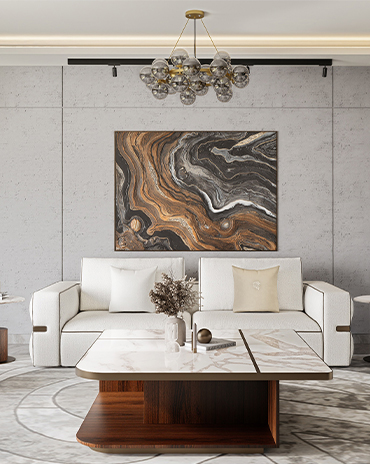
Interiors UAE highlights the beauty of materiality and craft by creating furniture that stands the test of time
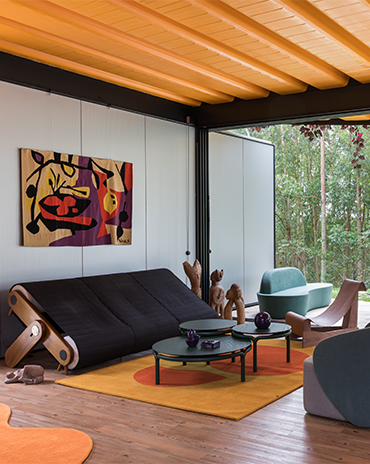
Tropical Modernism up close
We honor these product designers as part of the id50.
Here are the debuts of the id50 2026.
Take a look at the visionaries from our id50 2026
Meet the global firms with local presence that form a part of this year's id50
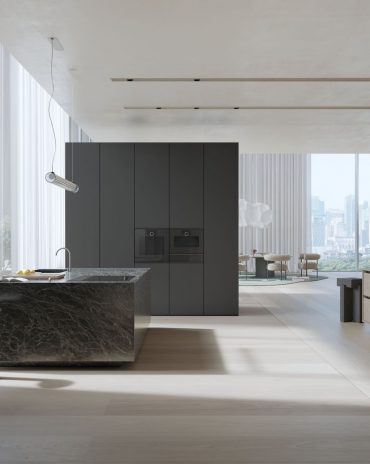
Sleek and clean, the Minimalistic series applies restraint in its design.

This year, we celebrate the interior designers, architects and product designers from the region – from emerging talent to the visionaries and global firms with local presence. We uncover their latest projects and what drew them to the profession.