




Minotti’s Dubai flagship frames interiors as architectural narratives, not displays
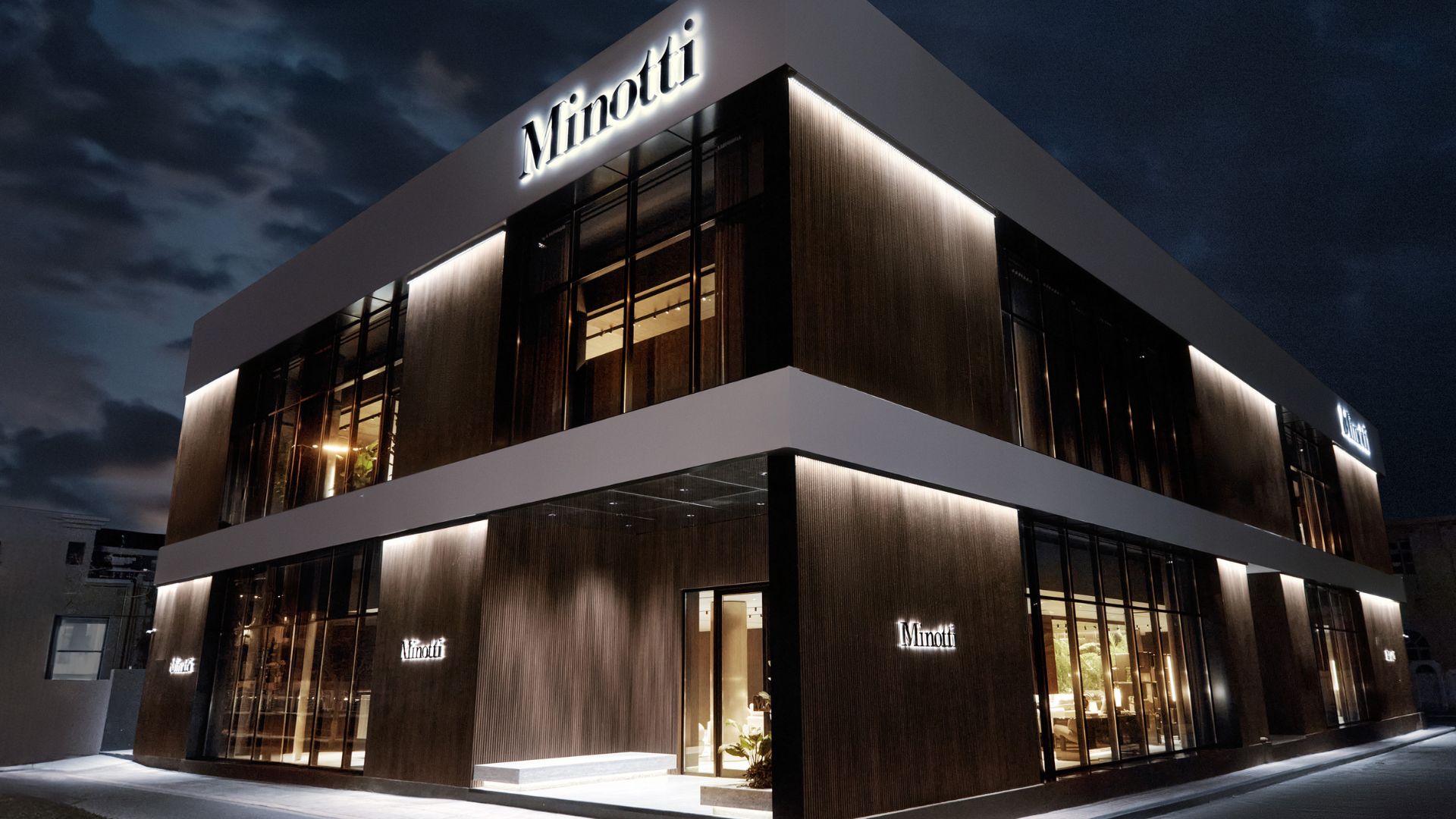



More than a year after opening its Dubai flagship in partnership with Al Tayer, Minotti continues to shape a distinctly contemporary idea of living, one defined by restraint, proportion, and an enduring sense of balance. Founded in Meda in 1948 and still guided by the Minotti family across its second and third generations, the brand’s design language has evolved quietly over decades, finding natural alignment with the Middle East’s increasingly fluid and design-conscious domestic spaces.
Set along Beach Road in Jumeirah, Minotti Dubai marked its first anniversary not as a retail milestone, but as a spatial statement. Spanning 900 square metres across two levels, the flagship was conceived by Minotti Studio as an architectural sequence rather than a showroom. Layered settings unfold with deliberate rhythm, encouraging visitors to read interiors as lived environments, where furniture, light, and materiality operate in dialogue rather than isolation.
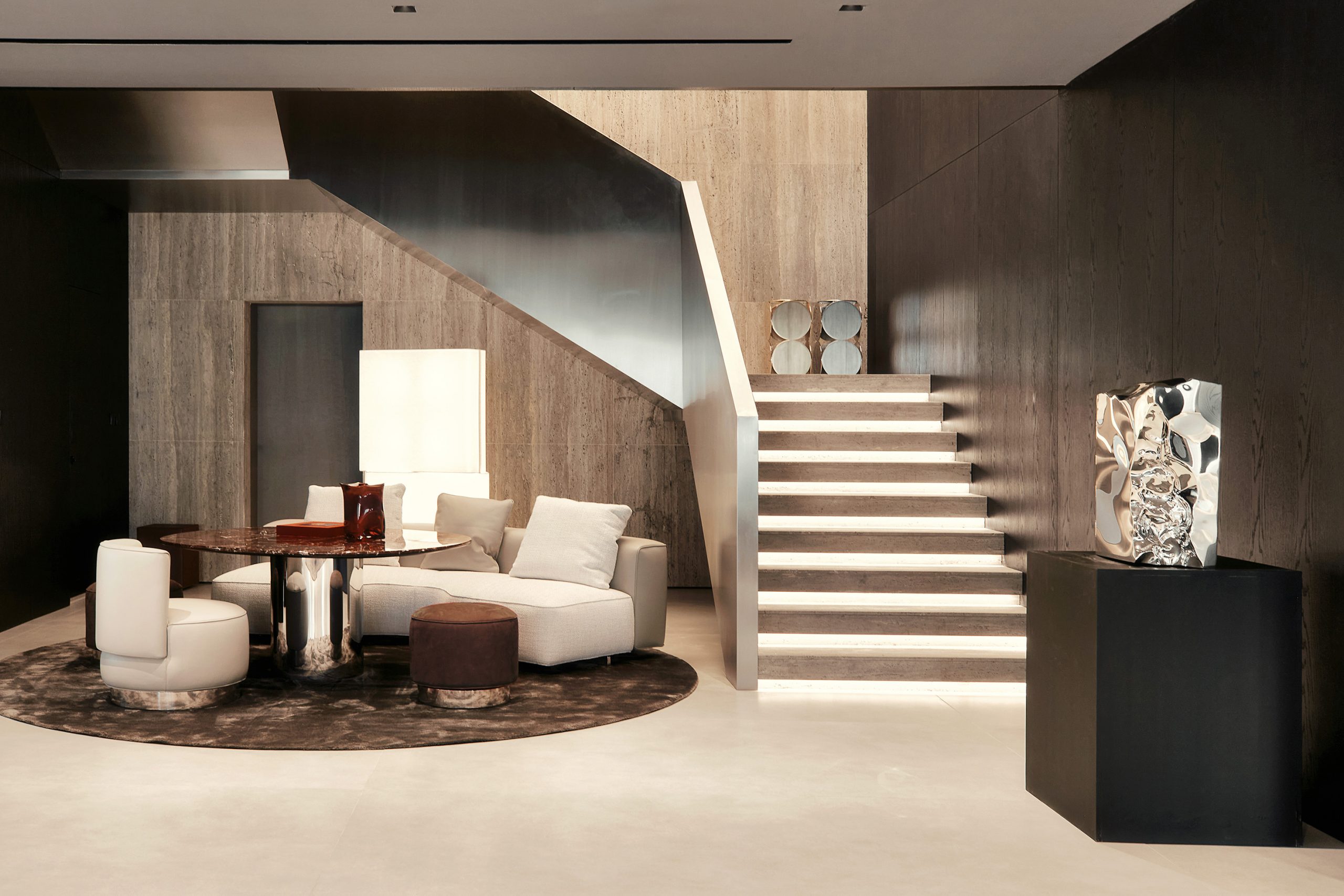
Minotti Dubai Flagship
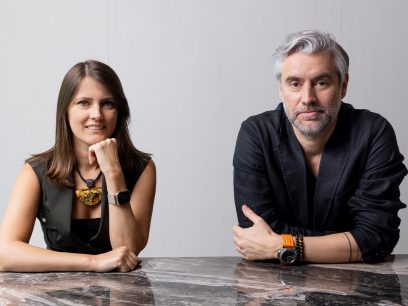
“The GCC are one of the most relevant markets for our brand,” comments Renato Minotti, co-CEO of Minotti, “and the opening of the first flagship store in Dubai a decisive achievement for our strategic and business objectives, as well as for the expansion of our network.”

Renato Minotti, co-CEO of Minotti
This sensibility mirrors broader shifts in how homes across the region are being imagined. Living spaces increasingly carry multiple roles, social, professional, private, often within a single open volume. Minotti responds not with statement pieces, but with systems: modular, enduring compositions designed to adapt over time, allowing design to recede into the rhythm of daily life.
Minotti’s latest collection articulates this philosophy through five designers each offering a nuanced interpretation of the brand’s DNA.
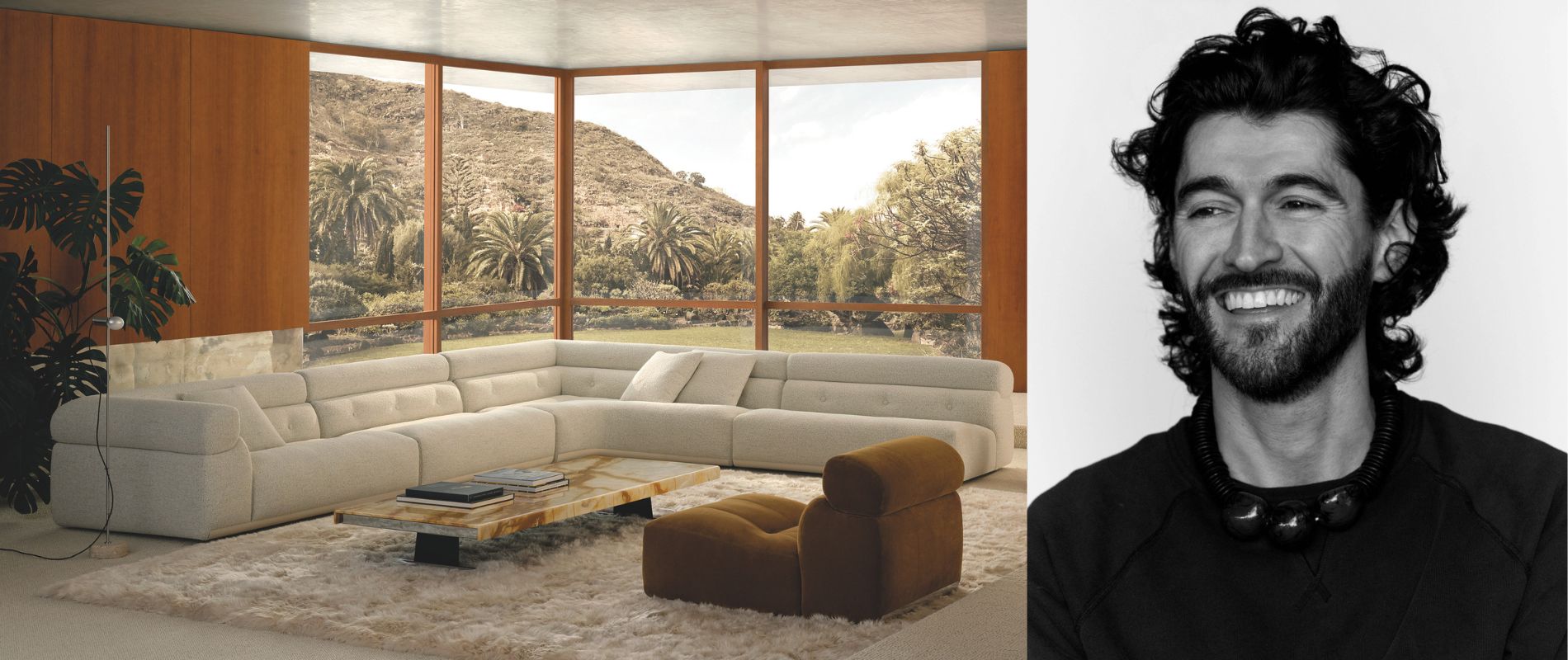
Minotti Giampiero Tagliaferri Coupé
Giampiero Tagliaferri introduces Coupé, a modular system informed by mid-century references and elevated through soft profiles and tailored detailing, a contemporary expression of comfort that adapts with daily life.
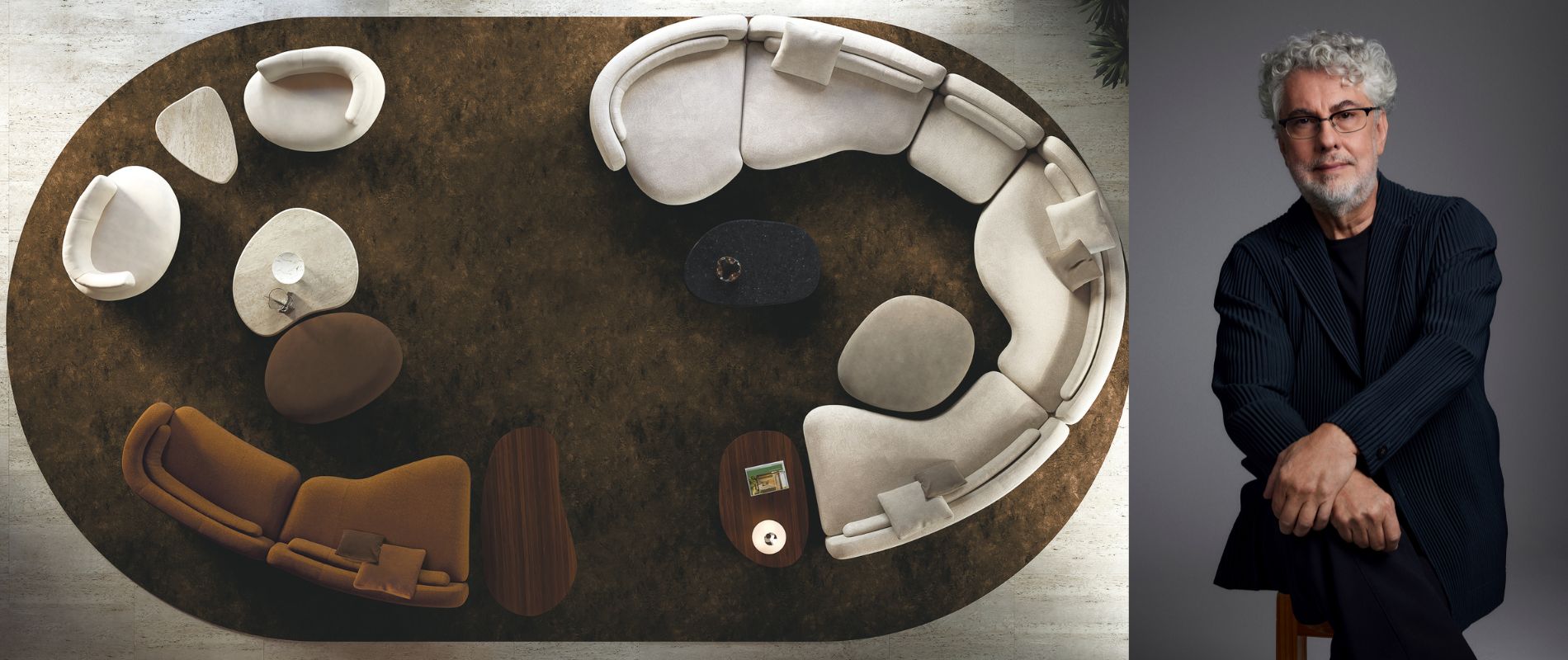
Minotti Marcio Kogan / Studio MK27 Bézier
Marcio Kogan of Studio MK27 reshapes the living room with Bézier, where curved modules form fluid, dynamic social landscapes.
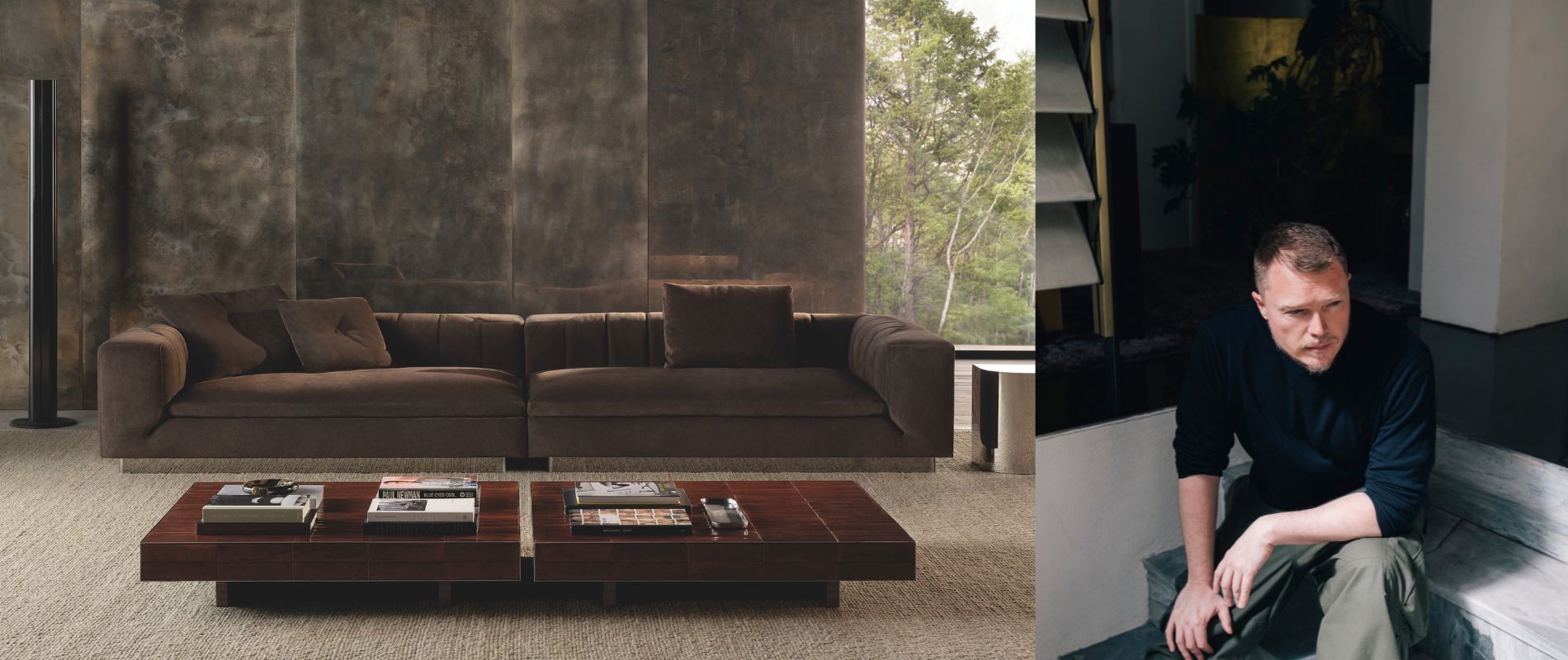
Minotti Hannes Peer Riley
Hannes Peer’s Riley continues an architectural dialogue, balancing monolithic structure with texture and rhythm. A recessed base lends visual lift, while quilting traces form with discipline and ease.
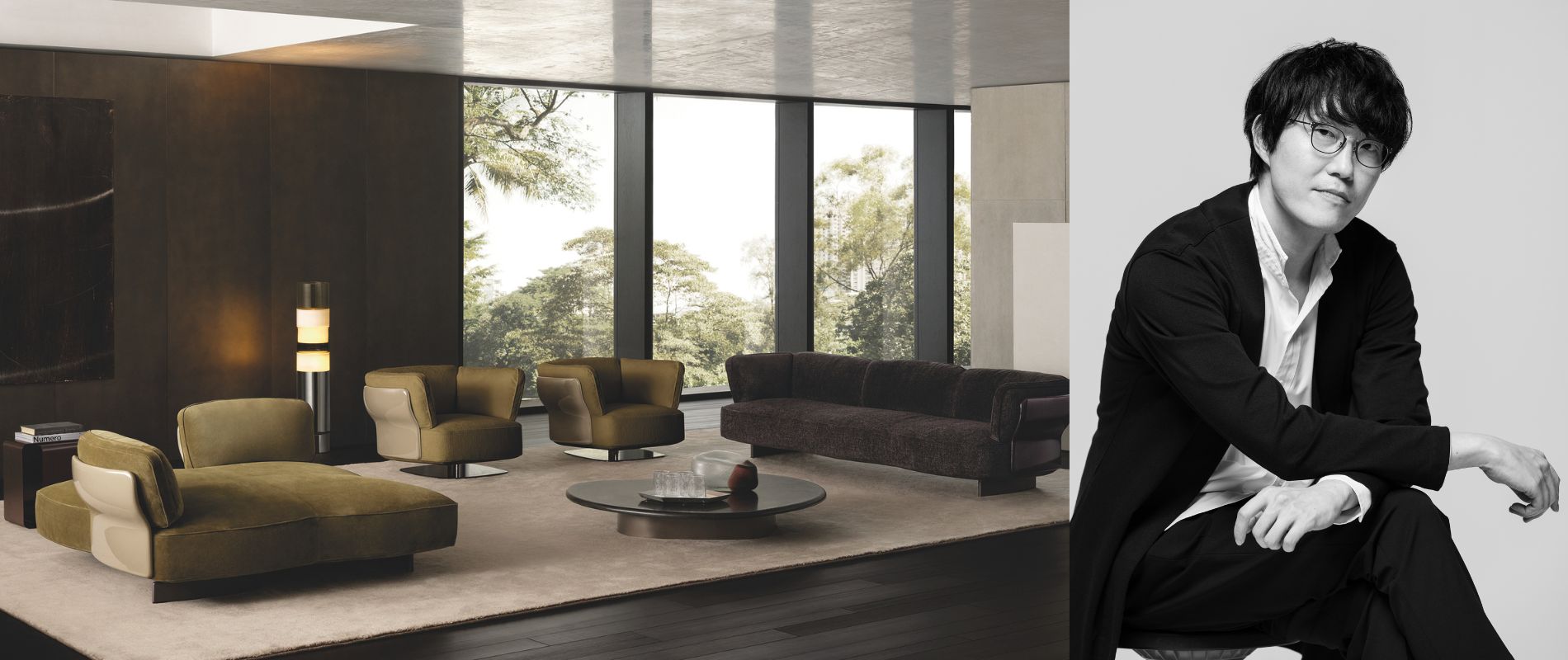
Minotti Nendo Saki
Nendo’s Saki approaches modularity with poetic restraint, inspired by the unfolding motion of a bud – expanding, contracting and supporting changing postures while maintaining calm spatial coherence.
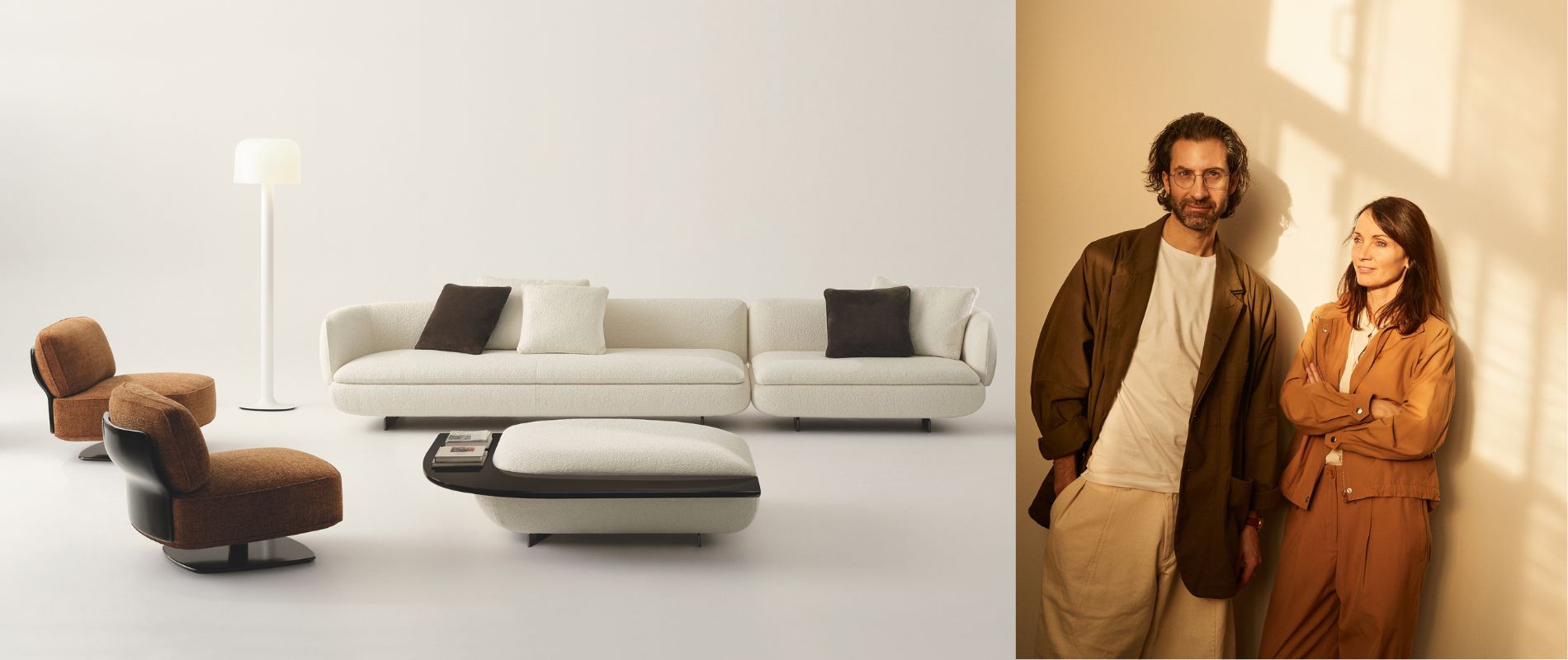
Minotti GamFratesi Vivienne
GamFratesi’s Vivienne family completes the sequence with enveloping geometry, balancing curved silhouettes with measured lines to deliver comfort without visual excess.
Together, the collections present a unified stance: modern living is defined not by spectacle but by adaptable environments that support daily rituals. More than a year on, Minotti Dubai stands as both destination and reference point, a space where the region’s evolving language of living is experienced, interpreted and shaped.
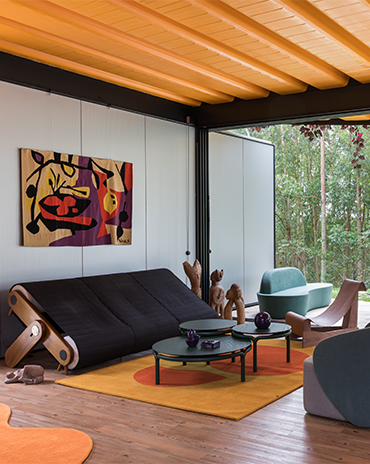
Tropical Modernism up close
We honor these product designers as part of the id50.

Here are the debuts of the id50 2026.
Take a look at the visionaries from our id50 2026

Meet the global firms with local presence that form a part of this year's id50
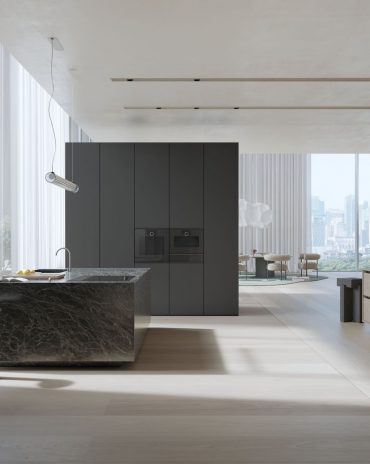
Sleek and clean, the Minimalistic series applies restraint in its design.

This year, we celebrate the interior designers, architects and product designers from the region – from emerging talent to the visionaries and global firms with local presence. We uncover their latest projects and what drew them to the profession.
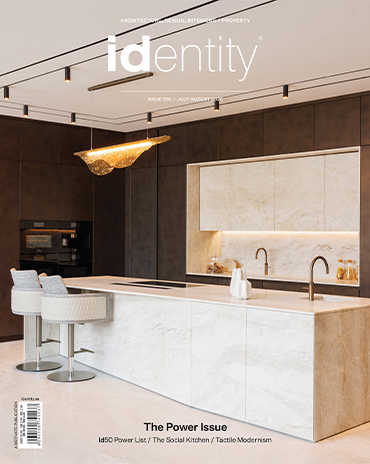
Read identity magazine's July-August 2026 edition on ISSUU or grab your copy
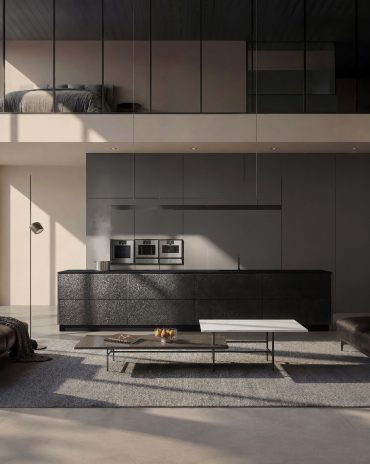
The German kitchen studio discusses why restraint, not statement, is the harder thing to achieve and what that means for the architects and designers it works with.
Where There is Uns by Joud Malhas and Rachel Antoun
Bang & Olufsen was founded in a farmhouse in Struer, Denmark, where Peter Bang and Svend Olufsen were united by a singular belief: that technology should be as beautiful as it is functional
Inspired by a Japanese ryokan, Studio Munge completes Canada’s first Nobu hotel