




A tribute to Galle Fort’s complex heritage, The Charleston blends Art Deco elegance with Sri Lankan artistry and Bawa-infused modernism



With its fortuitous location at the southernmost tip of Galle Fort – a UNESCO World Heritage site – The Charleston impresses upon its guests first geographically and then architecturally. From its perch, one takes in uninterrupted views across the weathered ramparts, past the fronds of wind-swept coconut palms and onwards towards the Indian Ocean.
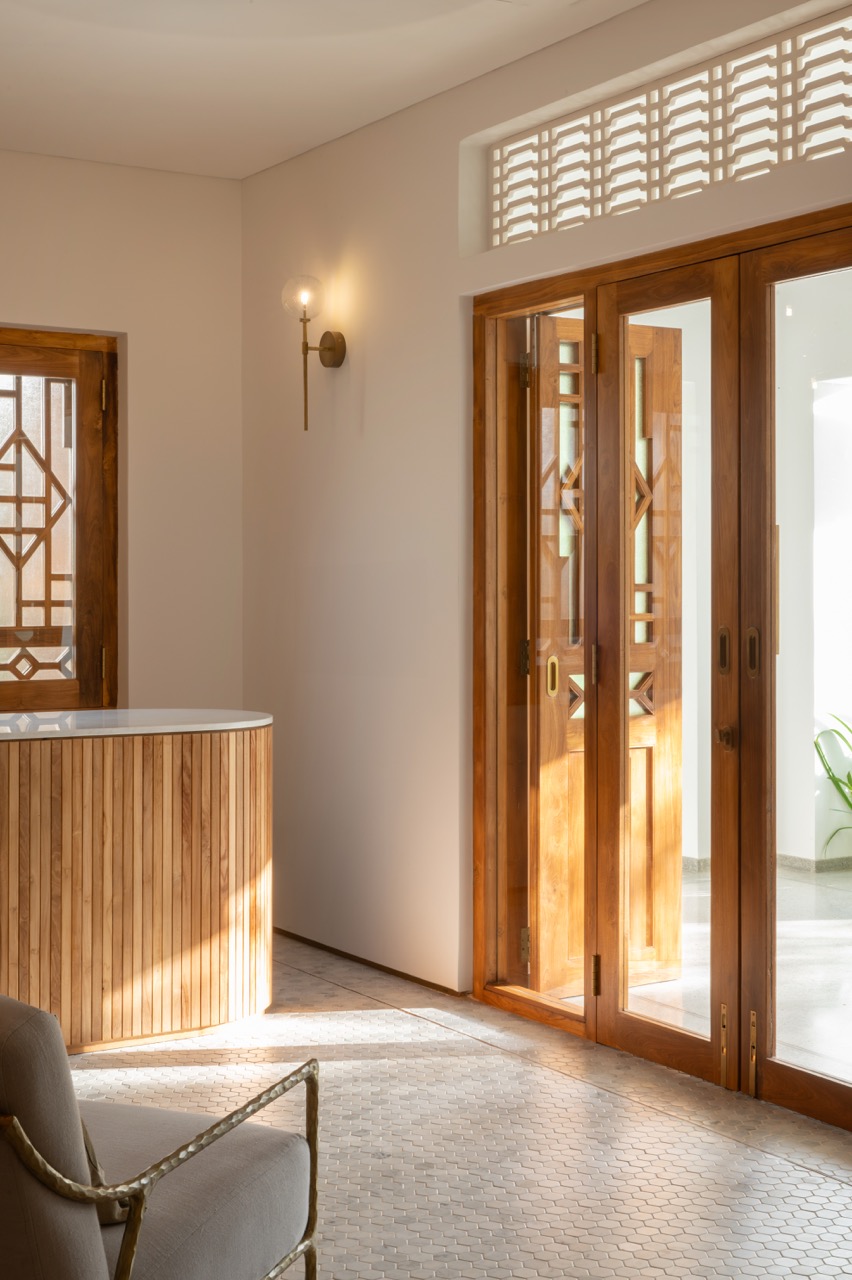
The hotel preserves the geometric elegance of deco while absorbing the climatic and material sensitivities of Bawa’s modernism
Originally built in 1924 as a merchant’s villa, The Charleston reopened its doors a century later, in 2024, as a nine-room boutique hotel. A rare example of Sri Lankan Art Deco, the property has been carefully restored to honour its heritage while embracing contemporary codes. Amid the predominantly Dutch colonial vernacular of Galle Fort – with its baroque gables, weighty teak columns and whitewashed masonry – The Charleston stands apart as a singular local expression of a global style, one that took root in Sri Lanka during the 1920s and ’30s as part of the broader influx of European architectural currents under British rule.
While Art Deco’s presence in Sri Lanka was modest, its legacy is significant, seen most notably in Colombo’s cinemas, civic buildings and residential enclaves. These imported motifs eventually gave way to a more regionally responsive idiom in the mid-20th century, most famously articulated through the work of Geoffrey Bawa and the emergence of tropical modernism. The Charleston, then, sits at an architectural intersection: it preserves the geometric elegance of deco while absorbing the climatic and material sensitivities of Bawa’s modernism.
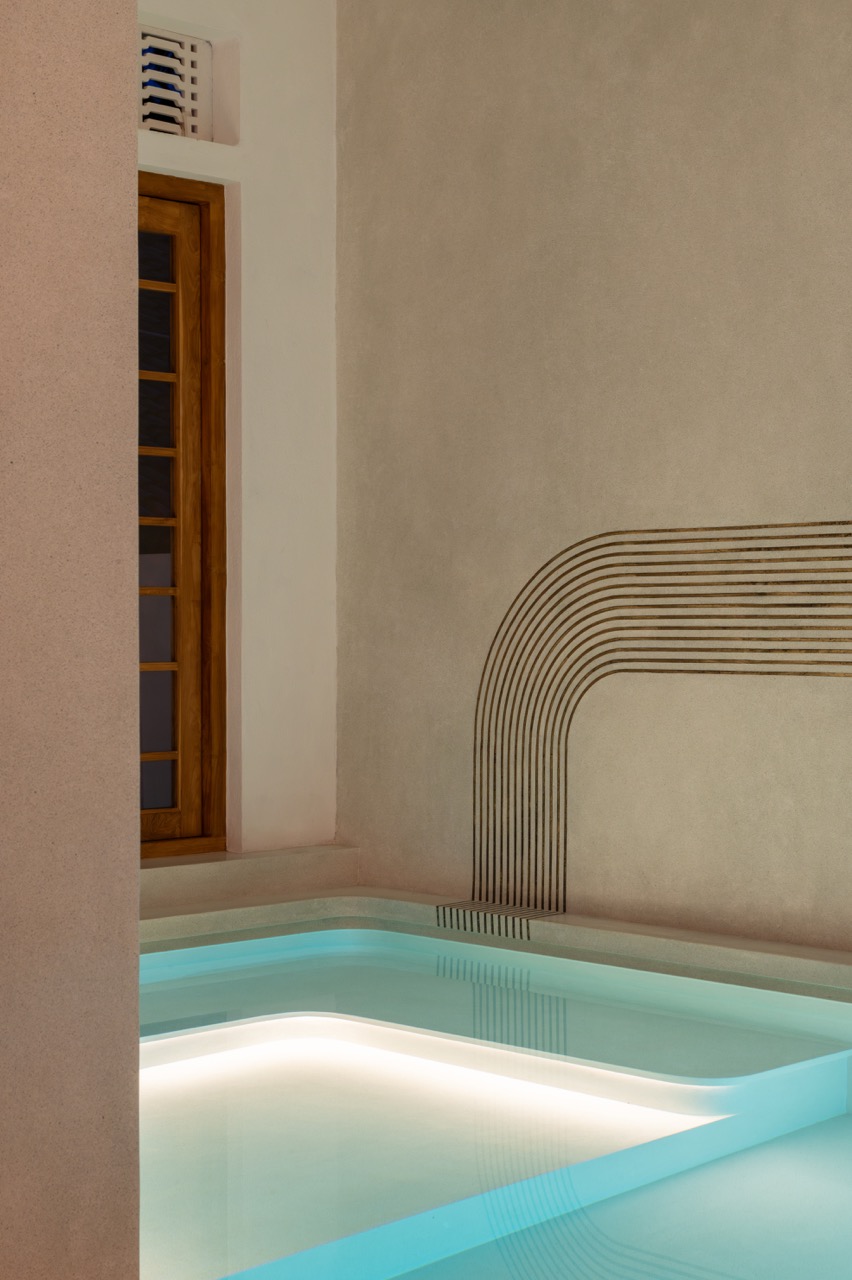
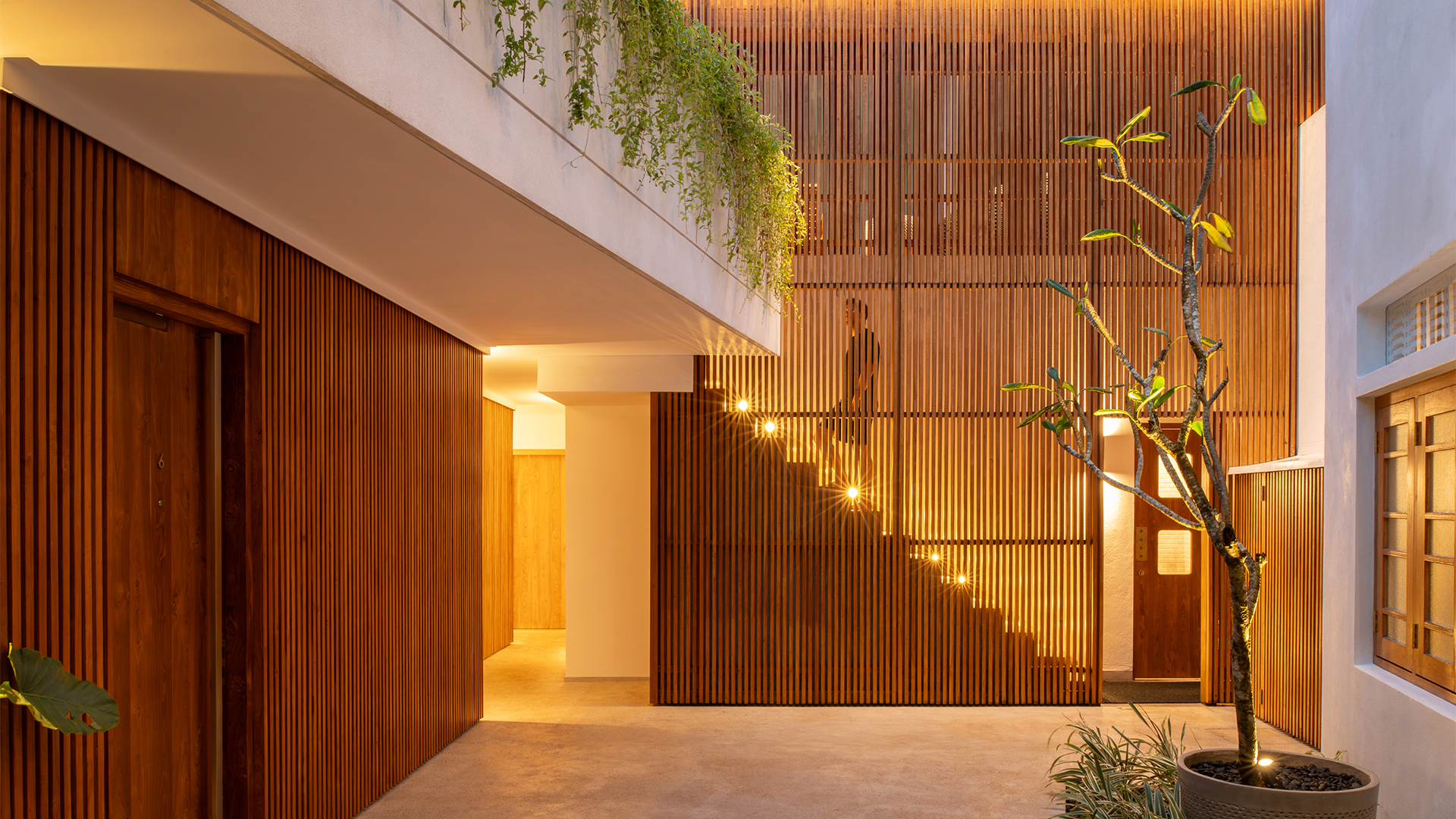
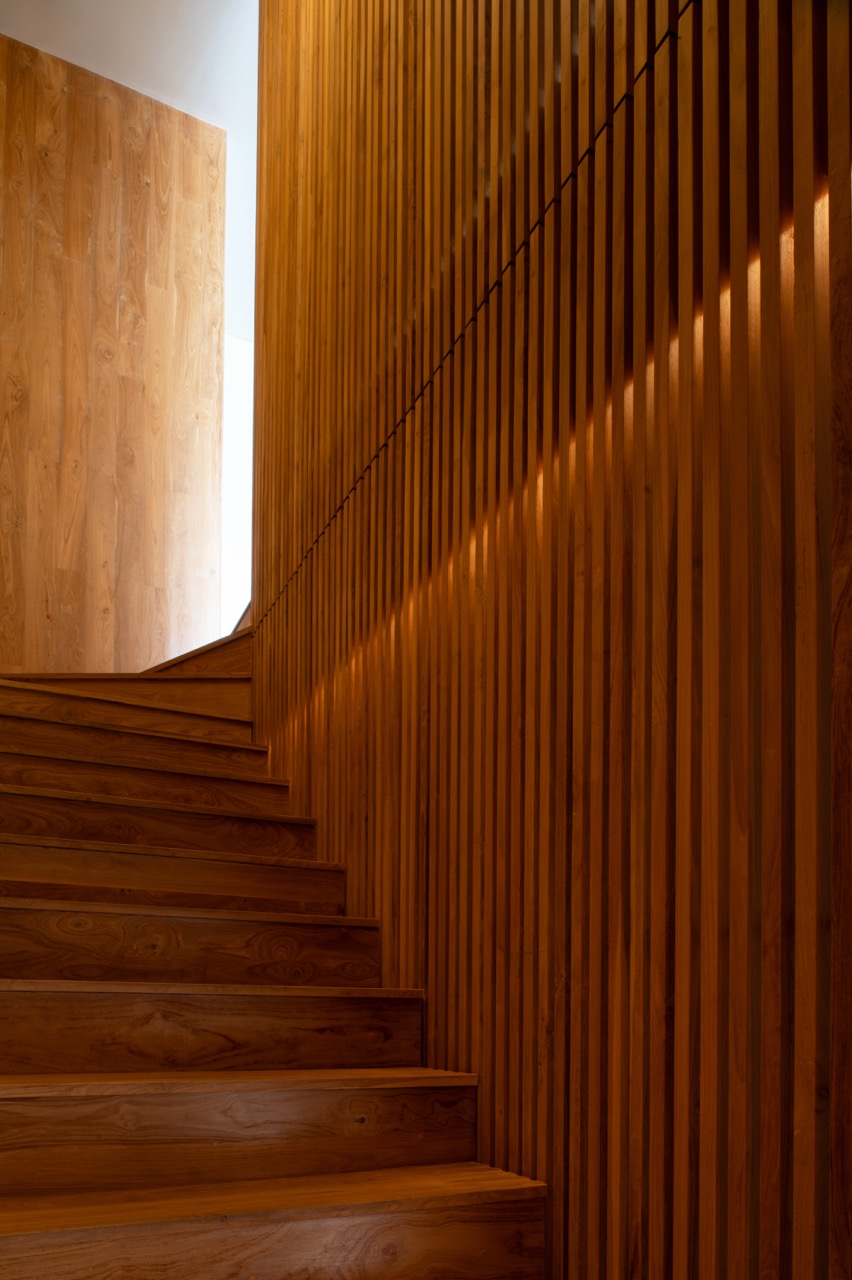
Upon arrival, guests pass over honeycomb Carrara mosaic flooring, flecked with brass terrazzo inlay – an expression of preservation and polish. Upstairs, on the pool terrace, plasterwork is subtly etched with vertical lines: a trace of the streamlined geometries of Art Deco. Here, whitewashed walls and gently finished timber detailing establish a sense of calm, making this an ideal setting for that first-morning coffee overlooking the sea or an afternoon pause by the lap pool. The vertical wooden panels that punctuate the façade, echo the formal repetition of Art Deco while drawing on the climate-conscious logic of tropical modernism. Inside and out, the original structure breathes through its contemporary expression.
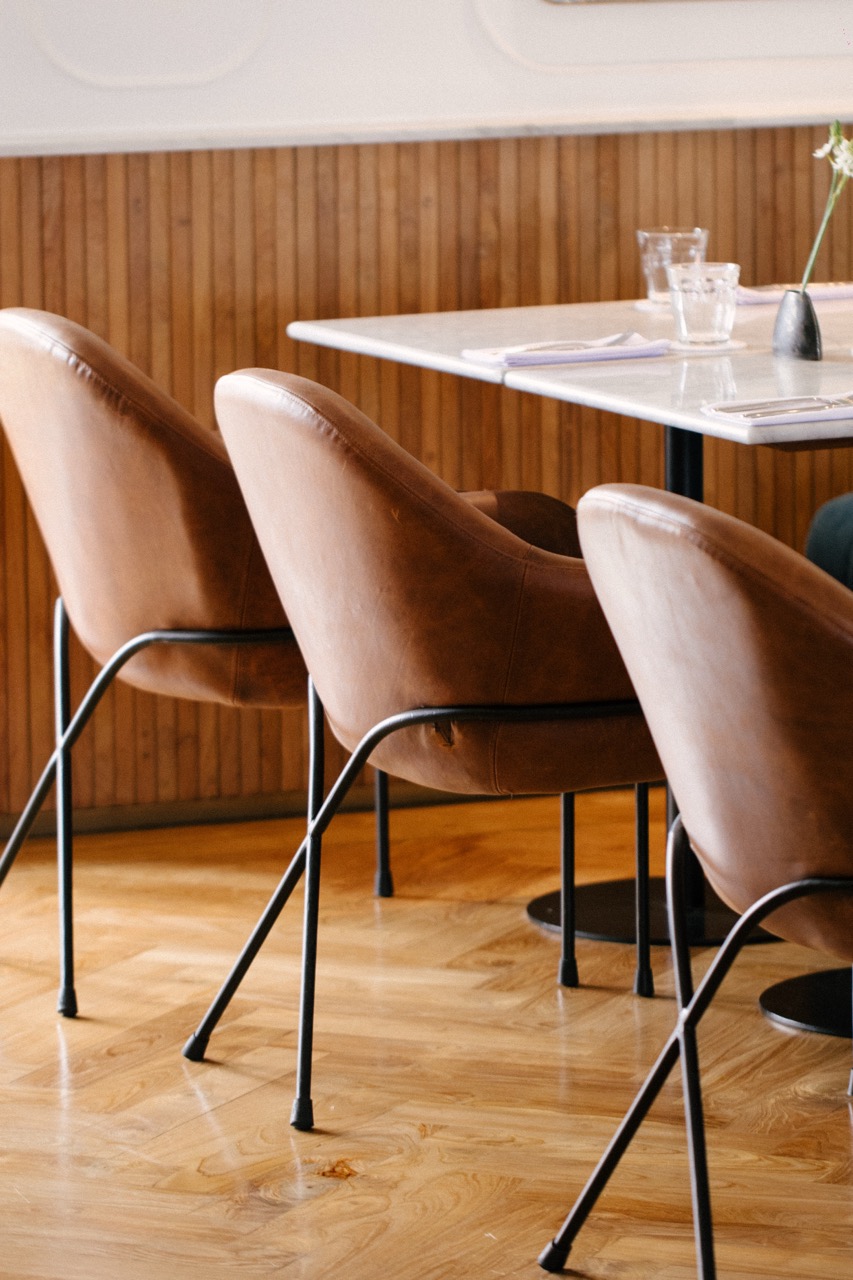
Club-style stools clad in tan leather are framed in clean-lined brushed-metal casing
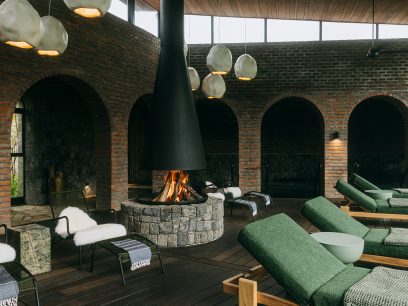
At the heart of The Charleston is Charlie’s Bar & Bistro, a moody and magnetic space named in homage to Charles Hulse – a much-loved Galle Fort figure known for his warmth and taste. The design here is an ode to him. Interiors evoke cinematic elegance: club-style stools clad in tan leather are framed in clean-lined brushed-metal casing, while a gently arched brass bar brings a flourish of old-world glamour to the space. Entry is via sliding glass doors bordered in bold black metalwork that retains the graphic symmetry of 1930s design. The material palette – leather, wood and brass – is rich in contrasts; such textures are softened by potted palms and the whirr of overhead fans. A teal, velvet couch forms a counterpoint to otherwise restrained hues, while carved timber armchairs, wrapped in plush sand-toned cushions, circle around a chessboard. Contemporary gestures converse with historical elements, as seen in the sculptural concrete side tables and the light installation that floats above the bar like a constellation of transparent bubbles. Along the corridors, contemporary Sri Lankan art lends a deeper register. Among the highlights is ‘Colourism’, a dreamlike mixed-media series by multidisciplinary artist Malki Jayakody. Her works explore themes of beauty, identity and bias, adding a conceptual layer to the hotel’s purposeful visual language.
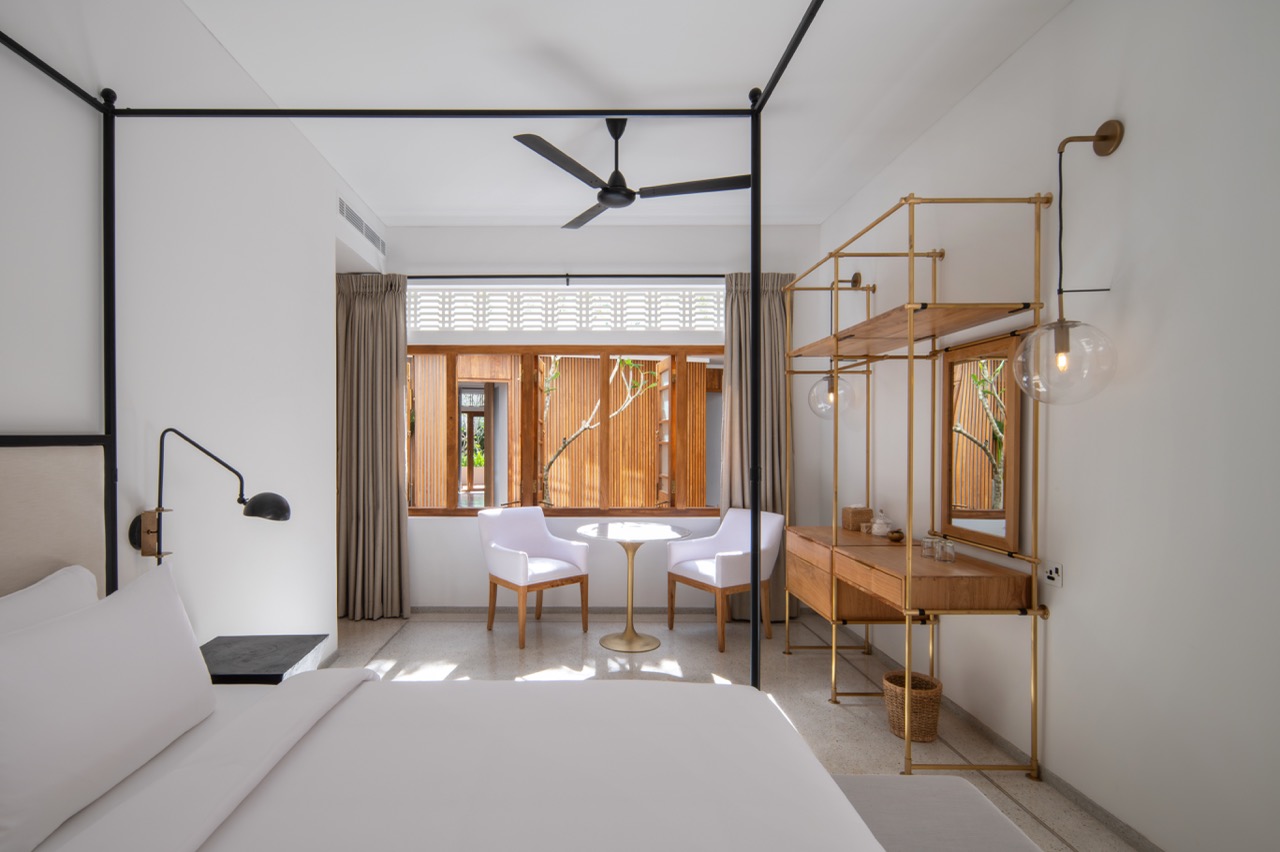
Four-poster beds, pared back to their essential lines, are reimagined in matte black metal, mirroring the industrial edge of the overhead fans
The guest rooms at The Charleston continue the hotel’s conversation between eras. Four-poster beds, pared back to their essential lines, are reimagined in matte black metal, mirroring the industrial edge of the overhead fans. Glass orb sconces, suspended from burnished brass fixtures, lend an ambient glow to crisp white walls. The palette throughout is understated but thoughtful: ivory and soft beige are grounded by natural wood and accented with notes of marble and matte gold. Elegance is rooted in proportion and poise. Bathrooms are sheathed in floor-to-ceiling veined marble, and bathed in flattering, layered lighting. In the courtyard bedroom, carved timber doors open onto a private terrace and the rhythms of Fort life. Here, the sounds of monkeys and peacocks drift in while the surrounding foliage offers privacy and softens the boundary between indoors and out.
Taken as a whole, The Charleston brings together multiple histories – colonial, modernist and regional – in a design language that feels both contextually rooted and undoubtedly refined.
Photography by Aiste Rakauskaite
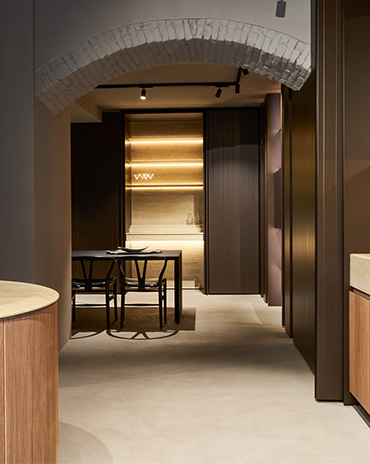
The Cut arrives at IF HUB, offering a new perspective on kitchen design through its focus on materiality, craftsmanship and sensory experiences
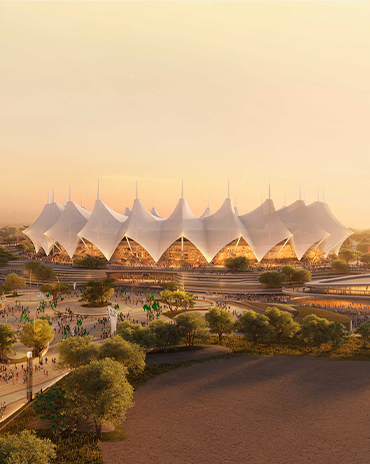
Opened in 1987, the King Fahad Sports City Stadium in Riyadh is undergoing a major renovation designed by Populous to transform it into a state-of-the-art venue for the 2034 FIFA World Cup
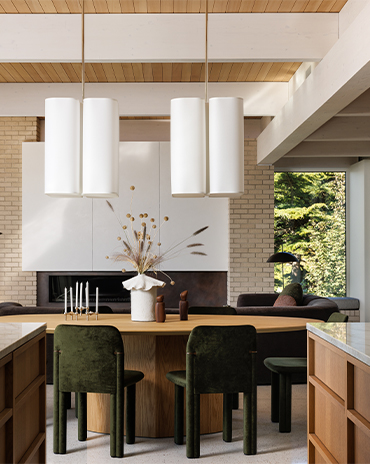
This cliffside West Coast residence is a thoughtfully layered response to a practical, mid-century-inspired architectural framework, shaped to reflect the lives and values of the people who call it home
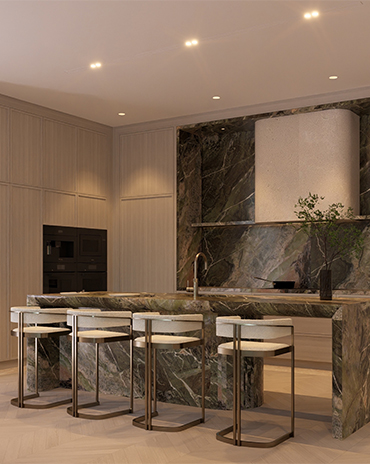
West One transforms a villa in Jumeirah Golf Estates that maximises its view of the sunset
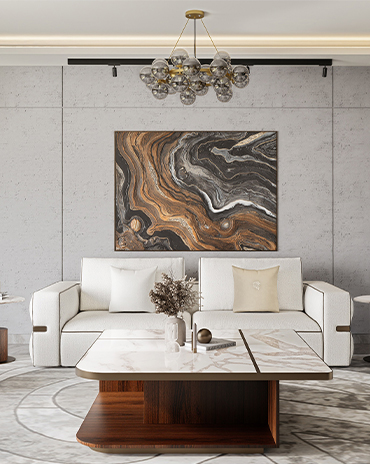
Interiors UAE highlights the beauty of materiality and craft by creating furniture that stands the test of time
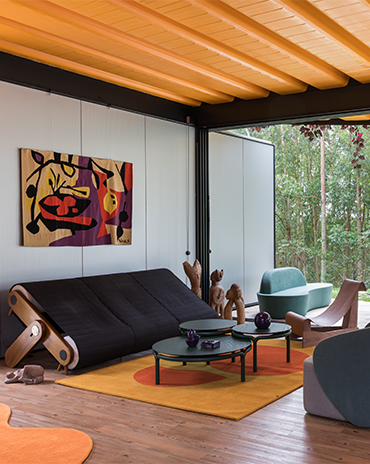
Tropical Modernism up close

We honor these product designers as part of the id50.

Here are the debuts of the id50 2026.

Take a look at the visionaries from our id50 2026

Meet the global firms with local presence that form a part of this year's id50
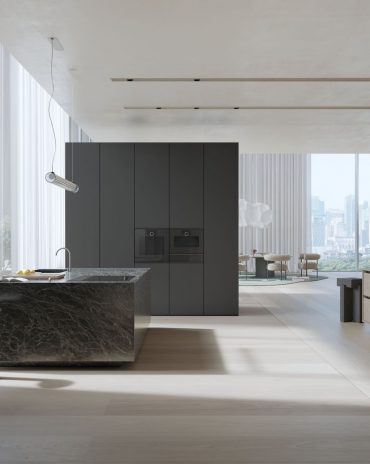
Sleek and clean, the Minimalistic series applies restraint in its design.

This year, we celebrate the interior designers, architects and product designers from the region – from emerging talent to the visionaries and global firms with local presence. We uncover their latest projects and what drew them to the profession.