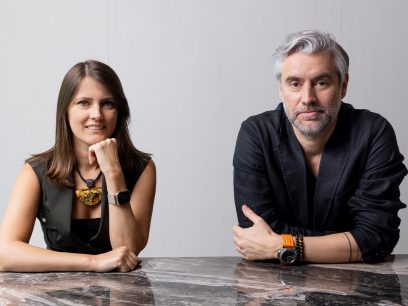





Noeline Conradie, Co-Founder and Lead Interior Designer of SharpMinds Consulting Engineers, shares how biophilic design actually works in offices and schools
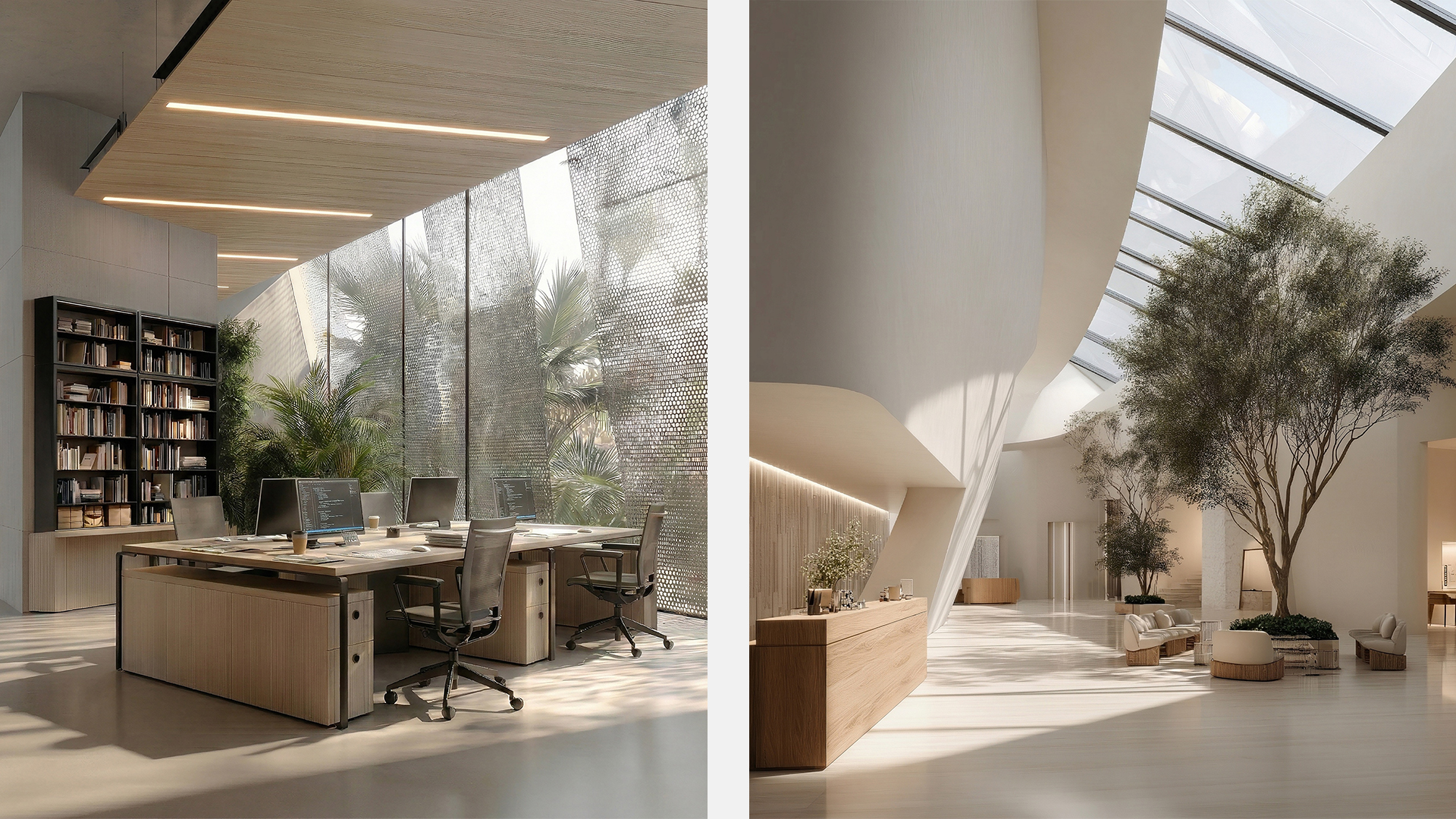



Biophilia, describes the innate human affinity for nature and living systems. It is not a stylistic preference, but a deeply rooted psychological and physiological necessity. We’ve all felt it – that sense of calm when you step into a space filled with natural light, greenery, and fresh air. As our buildings have become more sealed and efficiency-driven, that connection to nature has gradually been designed out. As urbanisation intensified, designers began to recognise that this disconnect isn’t simply emotional, but has significant cognitive and health impacts. Biophilic design at its core is all about bringing those natural conditions back into our spaces as a fundamental part of how they are designed.
This is where the distinction between surface and structural biophilia comes in. A green wall on its own does very little if it’s not connected to sightlines, daylight, air quality, and spatial experience. Structural biophilia, by contrast, embeds natural principles into the environmental and sensory logic of a building, shaping how spaces feel over time.
Workplaces and Cognitive Performance
In workplace environments, the evidence base is both extensive and precise. Studies by the Human Spaces found that employees working in environments enriched with natural elements experienced a 15% increase in wellbeing and a 6% increase in productivity. Research from the Harvard T.H. Chan School of Public Health demonstrates that improved indoor air quality, including lower carbon dioxide levels and reduced pollutants, can enhance cognitive performance by up to 61%. This shifts the conversation away from simply adding plants as decoration to thinking about ventilation strategies, material selection, and spatial planning.
Visual connection to nature matters just as much. People with direct views of greenery consistently report lower stress and higher satisfaction, but only if those views are thoughtfully integrated. In the UAE, developments such as Masdar City explore shaded courtyards and internal green corridors, offering a model for maintaining this connection within a climate that often necessitates enclosure.
Education and Cognitive Development
In schools, the conversation shifts from recovery to development, yet the underlying principles remain the same. The University of Salford HEAD Project found that classroom design can influence student progress by up to 16%, with daylight, air quality, and thermal comfort identified as key contributors. These are not peripheral considerations but are fundamental to how students learn. Beyond light and air, acoustic comfort becomes increasingly significant. Natural materials and spatial configurations that absorb sound help reduce cognitive fatigue and improve concentration. Even slight variations in temperature can support alertness better than completely static environments.

In the UAE, schools are beginning to reinterpret these ideas within a desert context. Shaded outdoor learning areas, courtyards, and passive cooling strategies create opportunities for environmental variation without direct exposure to extreme heat. This reflects a more nuanced approach to biophilia.
Biophilia in the Gulf Context
Across the Gulf, the challenge is both environmental and cultural. The real opportunity lies in rethinking how buildings mediate between indoors and outdoors. Transitional spaces, filtered light, and internal landscapes can reintroduce thoughtful natural components without compromising performance. In this context, biophilia becomes less about replication and more about interpretation.
Ultimately, biophilic design operates at the intersection of science and spatial experience. It demands more than visual gestures. It requires a deep understanding of how light, air, material, and spatial orientation influence human biology. When these principles are embedded into the architecture itself, the impact is not only measurable but transformative.

Where There is Uns by Joud Malhas and Rachel Antoun

Bang & Olufsen was founded in a farmhouse in Struer, Denmark, where Peter Bang and Svend Olufsen were united by a singular belief: that technology should be as beautiful as it is functional
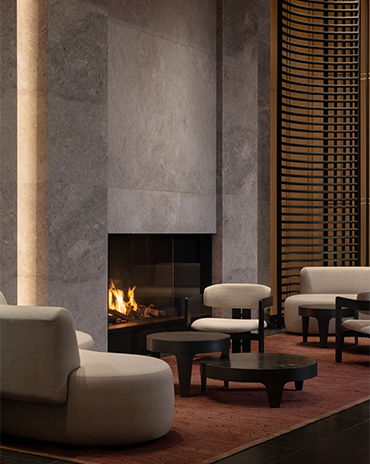
Inspired by a Japanese ryokan, Studio Munge completes Canada’s first Nobu hotel
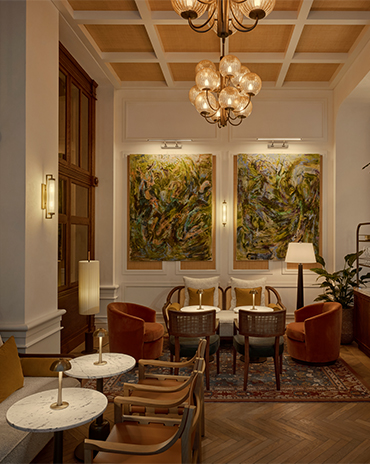
Set a stone’s throw away from Hyde Park, the Six Senses London has wellness at its heart
This home in Mumbai, India is an ode to Italian design
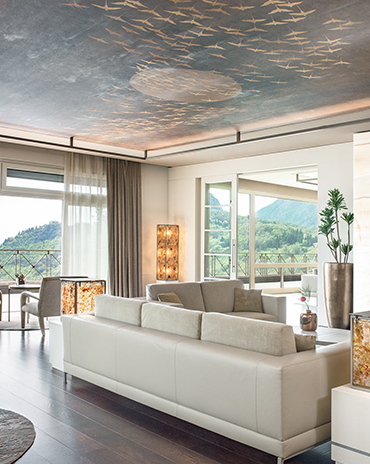
Five-star luxury property Lefay Resort & SPA Lago di Garda in Gargnano, Italy, features a renovation by Studio Apostoli and the Lefay Project Team blending contemporary luxury with natural materials
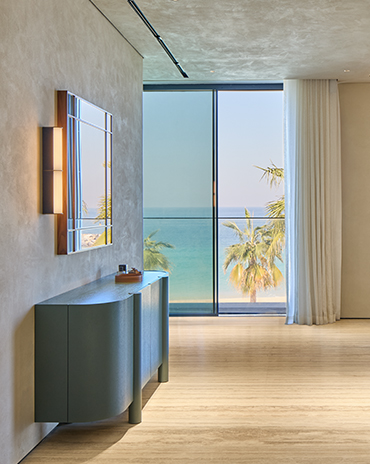
This villa in Jumeirah Bay by Delfina Design utilises natural materials to enhance its position as a beachfront home
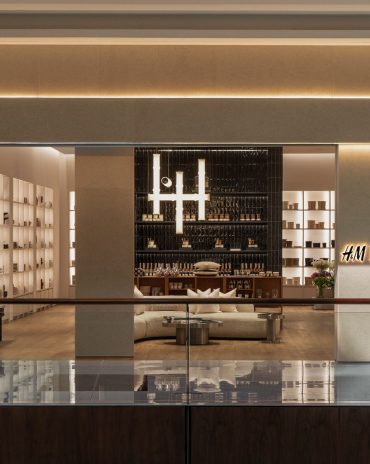
The store was unveiled on 23 May, marking a significant milestone for the brand in the region.
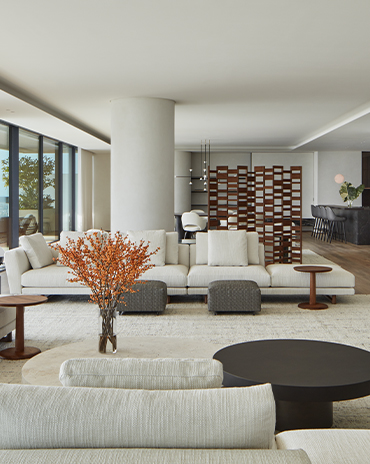
Studio M. completes a residence that echoes the building’s refined architecture
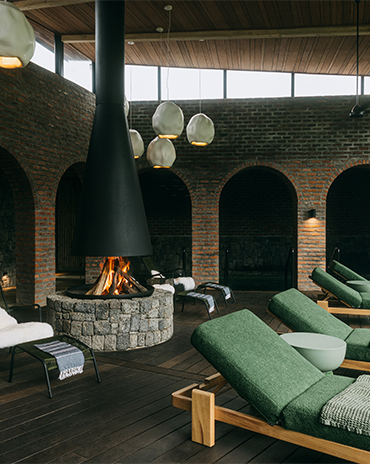
These design-led hotels offer inspiration at every turn
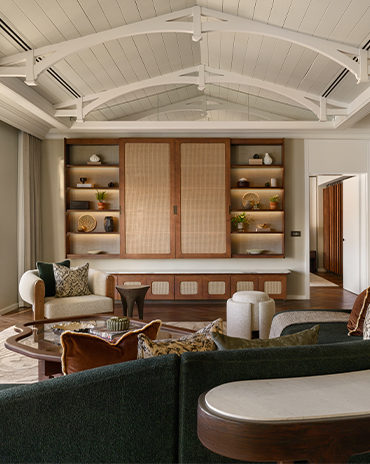
LW Design completes a sensitive reimagining of the iconic Table Bay Hotel at the V&A Waterfront in Cape Town, South Africa
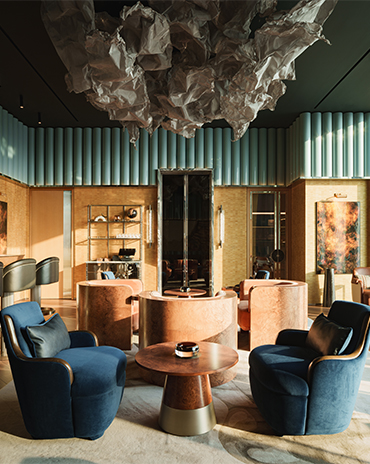
This new, refined lounge showcases spectacular Dubai skyline views with style