




MAD’s first cultural project in Europe transforms a historic warehouse into a museum of migration




Located in Rotterdam’s historic port district, a century-old warehouse has been changed into a cultural landmark that bridges past and present, paying tribute to the journeys of millions of migrants. “Everything is in motion – people, time, light, the sea,” shares Ma Yansong, Founder of MAD, the firm behind the project. “This building invites us to rethink moments of arrival and departure, and to reflect on the reasons we set out in the first place.”
Rotterdam is one of Europe’s most prominent cities of migration, home to residents from over 170 countries and regions. Historically, it was also a major departure point for millions of Europeans who set sail for North America. In 1940, devastating bombing levelled the centre of Rotterdam. Since then, countless world-renowned architects have been drawn to the city, transforming it into a global hub for contemporary architecture.
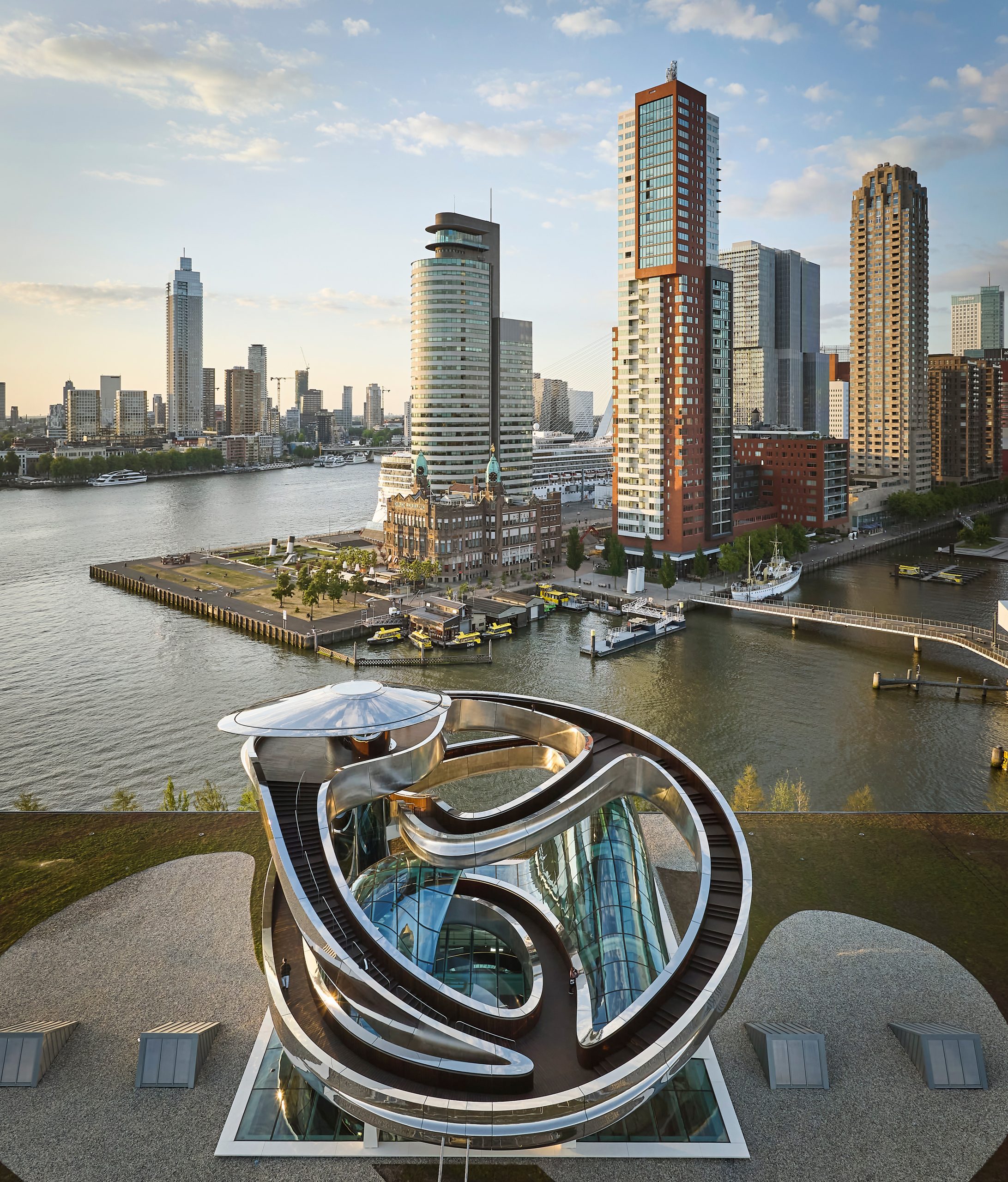
Beginning in 2016, the Droom en Daad Foundation partnered with the City of Rotterdam to launch a citywide cultural revitalisation initiative. In 2018, the foundation commissioned MAD to transform the historic Fenix warehouse into a museum of migration.
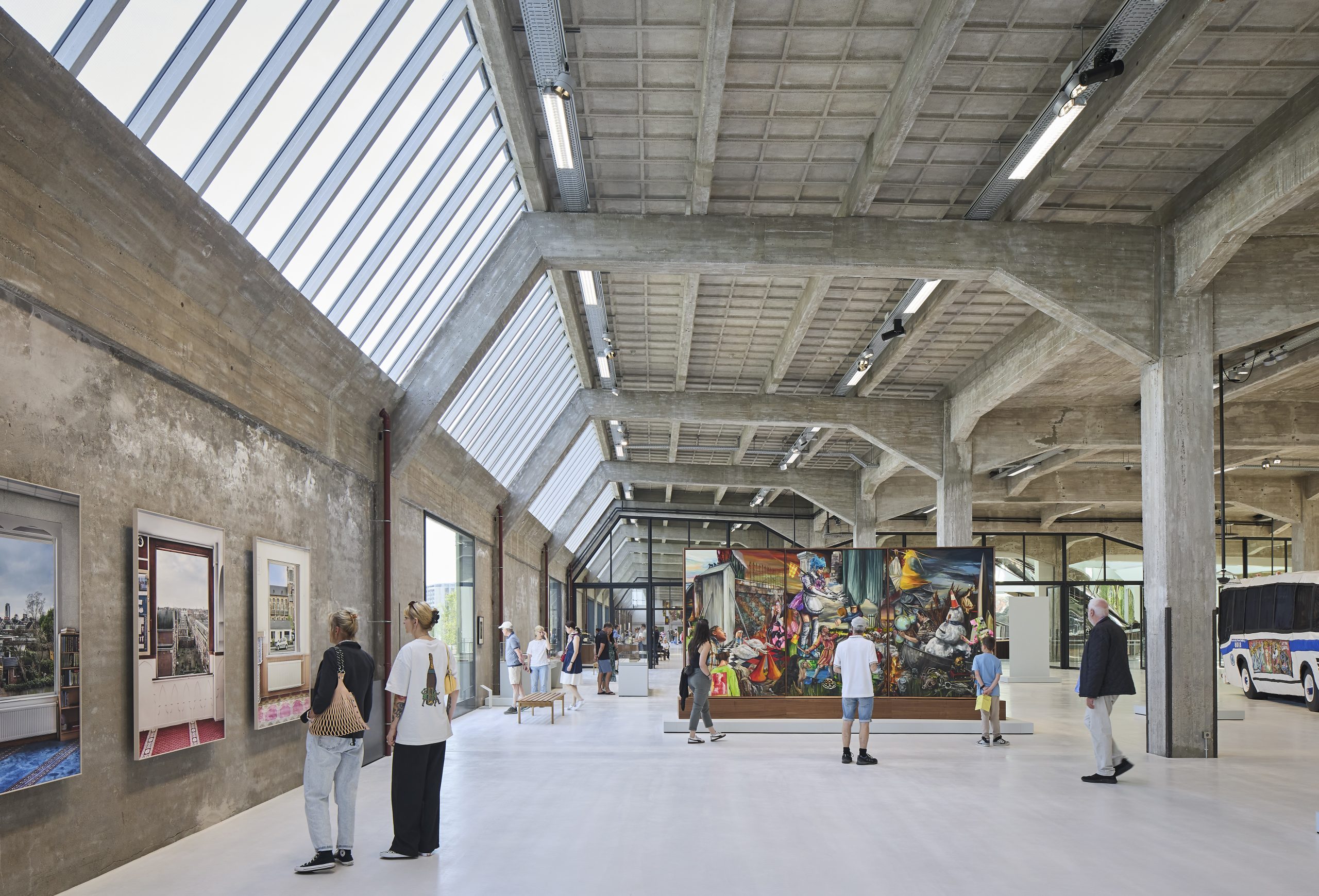
MAD’s transformation began with a respect for history, preserving the original warehouse’s rugged structure as restored by Bureau Polderman. The central roof was opened up to introduce natural light, and a dramatic tornado-shaped spiral staircase was inserted into the core. The staircases intertwine to form a structural system, at times intersecting, at times pulling apart.
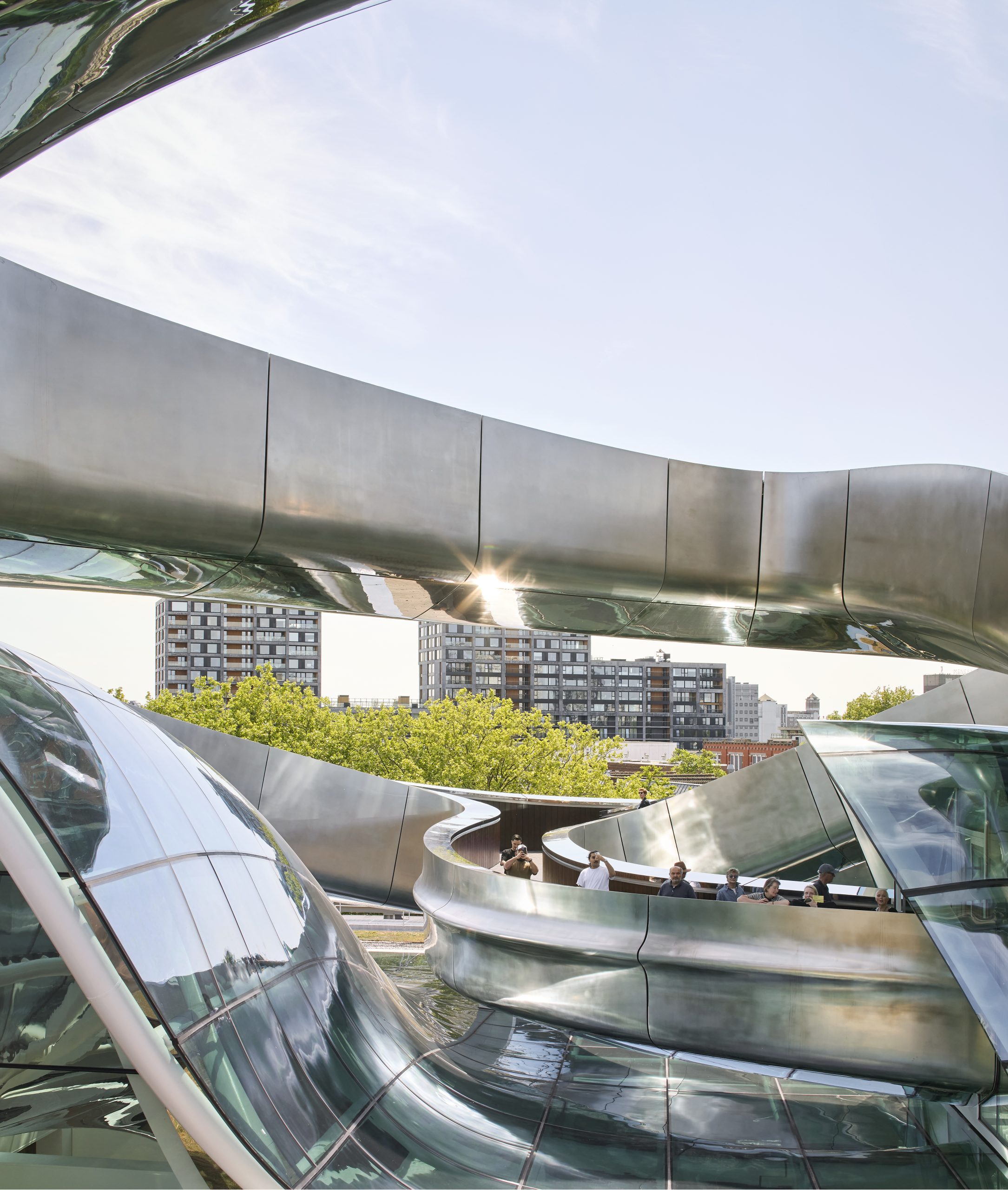
If the path leading to the rooftop observation platform symbolises a journey, then along the way people will encounter others, reflect on themselves, and make choices at each point of intersection. Ultimately, visitors meet at the highest point, overlooking the city of Rotterdam and its riverfront, as if floating above the sea. It is a journey shaped by freedom, uncertainty and hope.
This staircase system is 550 metres long and reaches a height of 30 metres. Utilising a spatial truss structure, it cantilevers outward up to 17 metres at its longest point. The design was developed by MAD in collaboration with a team specialising in roller coaster engineering.
The outer surface of the staircase is clad in silver stainless steel, shaped and polished using CNC technology. Its reflective finish captures passing pedestrians and the activity of the port and the shifting sky, integrating these dynamic elements into the architecture. This brings a sense of movement and human presence to the otherwise industrial structure.
“Migration, in the narrow sense, refers to the relocation of individuals or families. But more broadly, it speaks to the movement and flow of entire populations. The shaping and shifting of global politics, geography, culture and art are largely rooted in these migrations,” says Ma Yansong. “We hope this museum not only commemorates the past or tells stories of hardship, but, more importantly, reveals hope and courage offering inspiration for people today and in the future to look ahead,” he adds.
Fenix’s growing collection of art and historical artifacts, along with commissioned works both by renowned and emerging artists from around the world, is presented in an open layout. Visitors moving through the space become part of the work itself.
The roof of the building is covered by 6,750 square metres of green roofing, enhancing thermal insulation and significantly reducing energy consumption. The landscape design also enables rainwater to be retained within the planting substrate, allowing for natural evapotranspiration and water recycling.
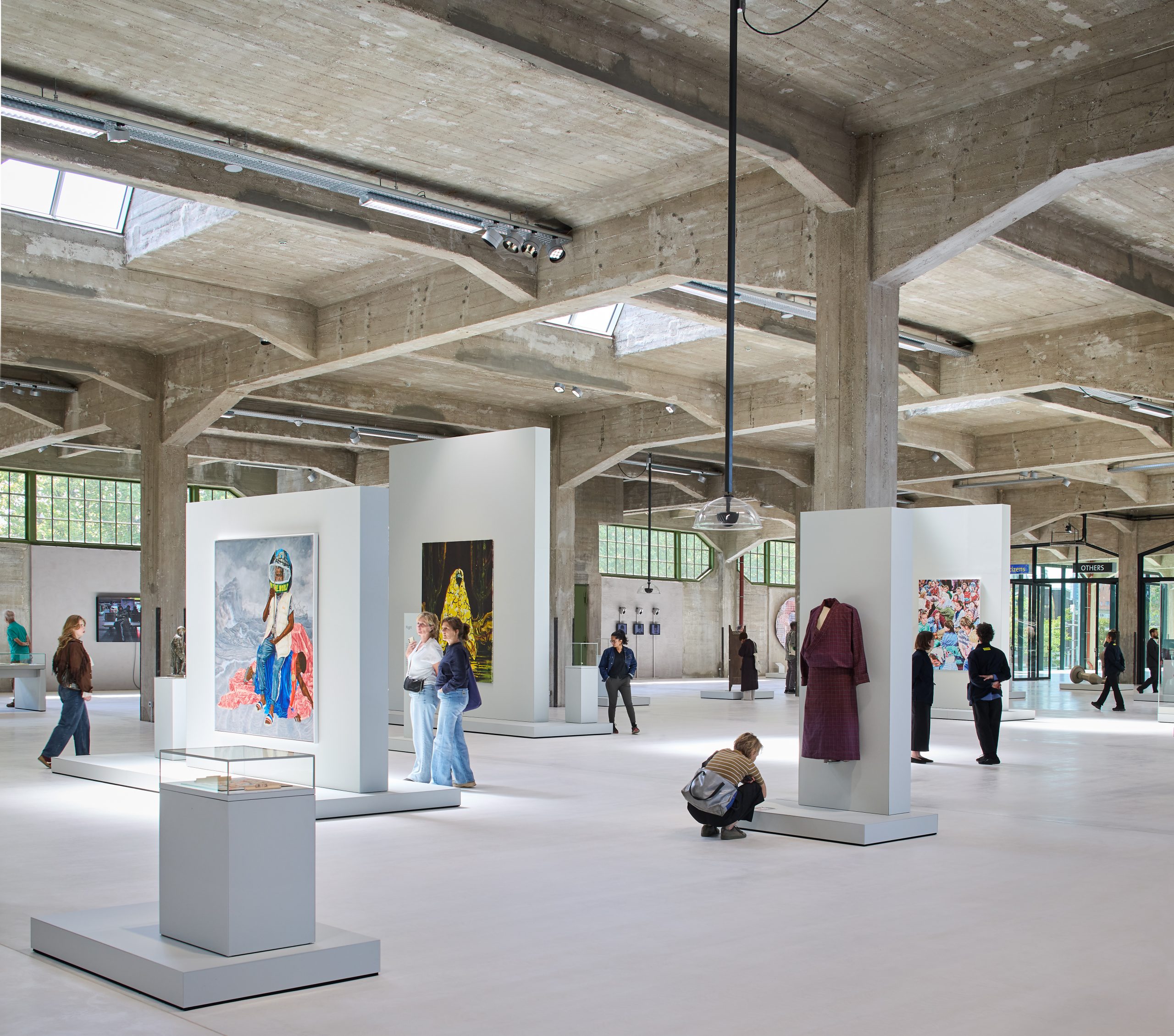
The ground floor on the east side of the building has been opened up as a ‘Civic Square’, a space freely accessible to the public year-round. It hosts a wide range of community activities, including culinary events, cultural gatherings, performances and public programmes, serving as an open stage for urban life.
Through this work, MAD seeks to embody the concept of balance between old and new, movement and stillness, reflecting an Eastern philosophy where opposites exist independently yet remain deeply interdependent.
Where There is Uns by Joud Malhas and Rachel Antoun
Bang & Olufsen was founded in a farmhouse in Struer, Denmark, where Peter Bang and Svend Olufsen were united by a singular belief: that technology should be as beautiful as it is functional
Inspired by a Japanese ryokan, Studio Munge completes Canada’s first Nobu hotel
Set a stone’s throw away from Hyde Park, the Six Senses London has wellness at its heart
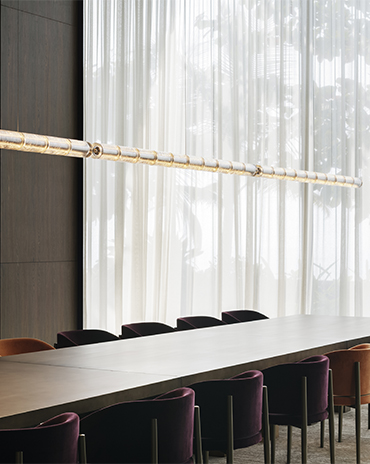
This home in Mumbai, India is an ode to Italian design
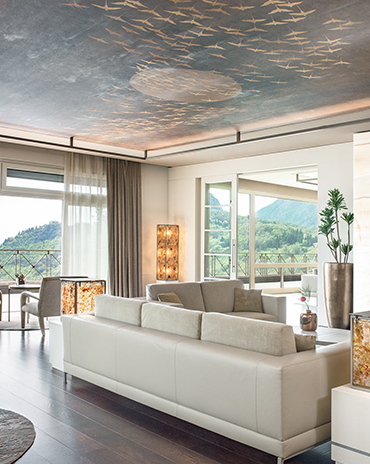
Five-star luxury property Lefay Resort & SPA Lago di Garda in Gargnano, Italy, features a renovation by Studio Apostoli and the Lefay Project Team blending contemporary luxury with natural materials
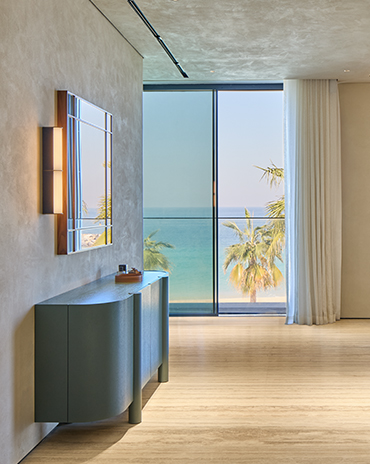
This villa in Jumeirah Bay by Delfina Design utilises natural materials to enhance its position as a beachfront home
The store was unveiled on 23 May, marking a significant milestone for the brand in the region.
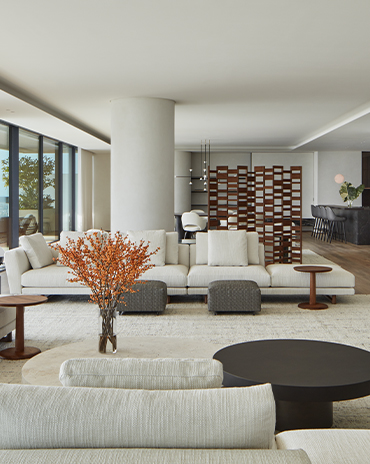
Studio M. completes a residence that echoes the building’s refined architecture
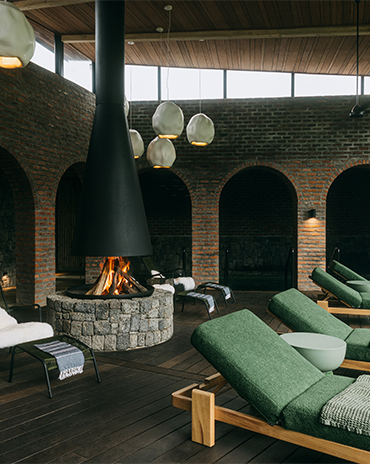
These design-led hotels offer inspiration at every turn
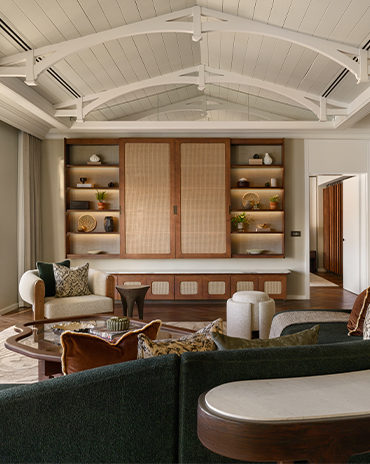
LW Design completes a sensitive reimagining of the iconic Table Bay Hotel at the V&A Waterfront in Cape Town, South Africa
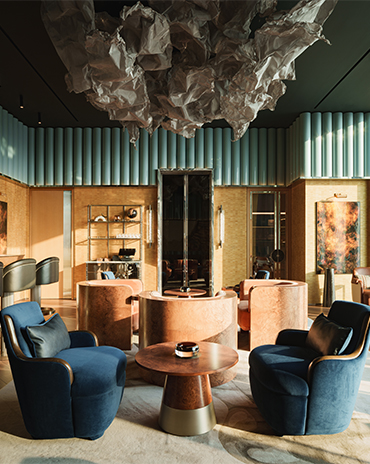
This new, refined lounge showcases spectacular Dubai skyline views with style