




Dabbagh Architects’ reimagining of the Al Ain Museum – the UAE’s first museum – preserves the nation's historical memory through a thoughtful dialogue between heritage, archaeology, and contemporary design
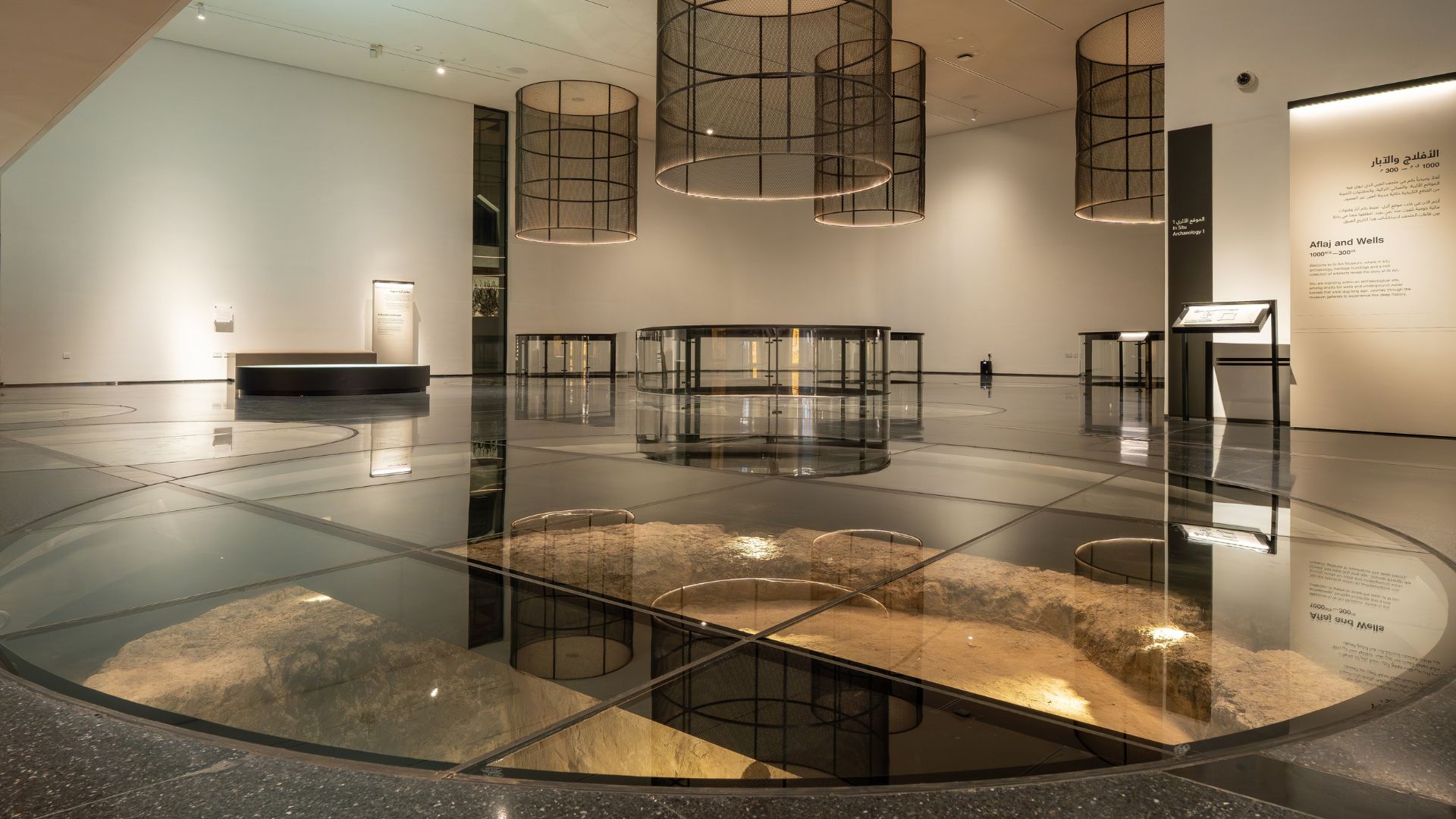



Situated in the desert oasis of Al Ain, a town in the emirate of Abu Dhabi, is the Al Ain Museum. Founded in 1969 by Sheikh Zayed bin Sultan Al Nahyan, the founder of the United Arab Emirates, it is the oldest museum in the UAE. The site is especially relevant because the late Sheikh Zayed was born in Al Ain. In October 2025 it reopened with a sleek new design and renovation by Dabbagh Architects that seeks to preserve the original structure, its cultural and archaeological aspects while expanding the museum.
Located on the same grounds as the historic Sultan Fort, the museum traces over 8,000 years of human habitation in Al Ain and the surrounding region, preserving the area’s archaeological remains, historic structures, and cultural heritage within a contemporary architectural narrative that bridges the past with the present. It now comprises four exhibition galleries, with three constructed around in situ archaeological remains alongside interactive displays and educational spaces spanning prehistoric times to the establishment of the UAE in 1971.
Dabbagh Architects, an internationally recognised architectural design firm led by Saudi architect Sumaya Dabbagh, known for its contemporary and culturally relevant projects across the Gulf, was commissioned in 2018 by the Department of Culture and Tourism Abu Dhabi to lead the redevelopment of the Al Ain Museum. Located adjacent to the Al Ain Oasis within a UNESCO-listed grove of over 147,000 date palm trees within the Harat Al Hosn district, the museum, showcasing over 1,800 artifacts, some dating back 300,000 years presents the region’s rich archaeological and cultural history, including jewellery, ancient tools and remnants from traditional desert life.
“For us, the architecture was a means to connect the stories,” explains Dabbagh. “You have an oasis, which is thousands of years old, which is really the reason the city of Al Ain exists. It was the source of livelihood for the people of Al Ain. Then you have Sultan Fort next to the oasis. The museum was initially built next to the Fort, and we wanted to keep that connection to the oasis.”
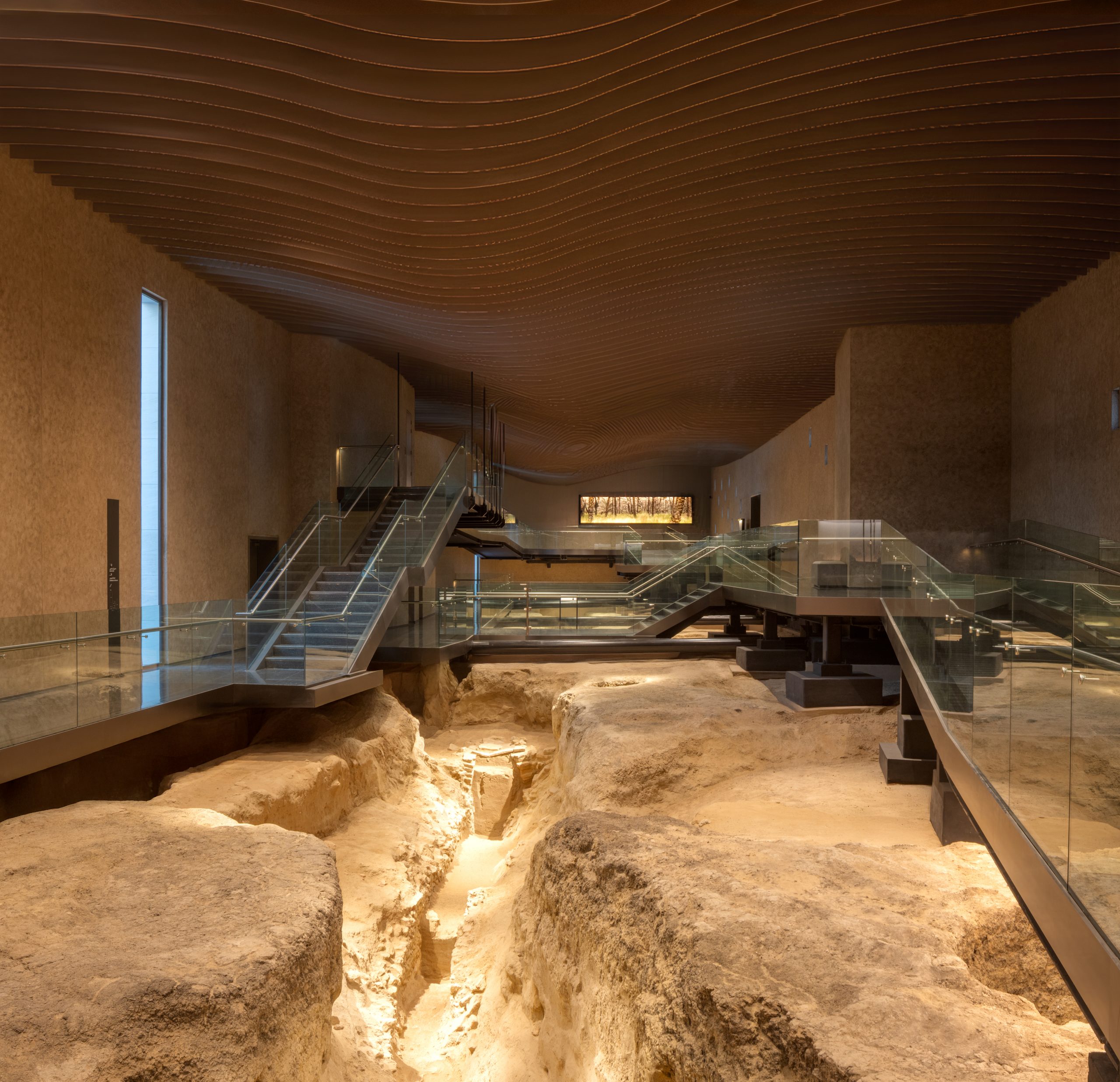
With a gross floor area of approximately 8,000 square metres, the redevelopment incorporates two historically significant structures: the mud-brick Sultan Fort, built in 1910 by Sheikh Sultan bin Zayed the First and the Al Ain National Museum, the first museum in the UAE, founded in 1969 by Sheikh Zayed bin Sultan Al Nahyan. In 2019, during the construction of the Museum’s initial design, several significant archaeological discoveries were uncovered. Through excavations these include a sophisticated network of aflaj (ancient irrigation systems common in Oman and the UAE, dating back thousands of years), wells, and a tomb – all of which shed new light on the historical and cultural context of the region during ancient times. Due to such discoveries, construction was suspended and a team of archaeologists proceeded to research, excavate further and document what they found. In 2020, the discoveries sparked the revision of the project brief, which was undertaken between the client and Dabbagh Architects.
The discoveries, explained Dabbagh, necessitated a comprehensive redesign of the Museum, which included expanding the site and programmes to make room for and showcase the new archaeological discoveries.
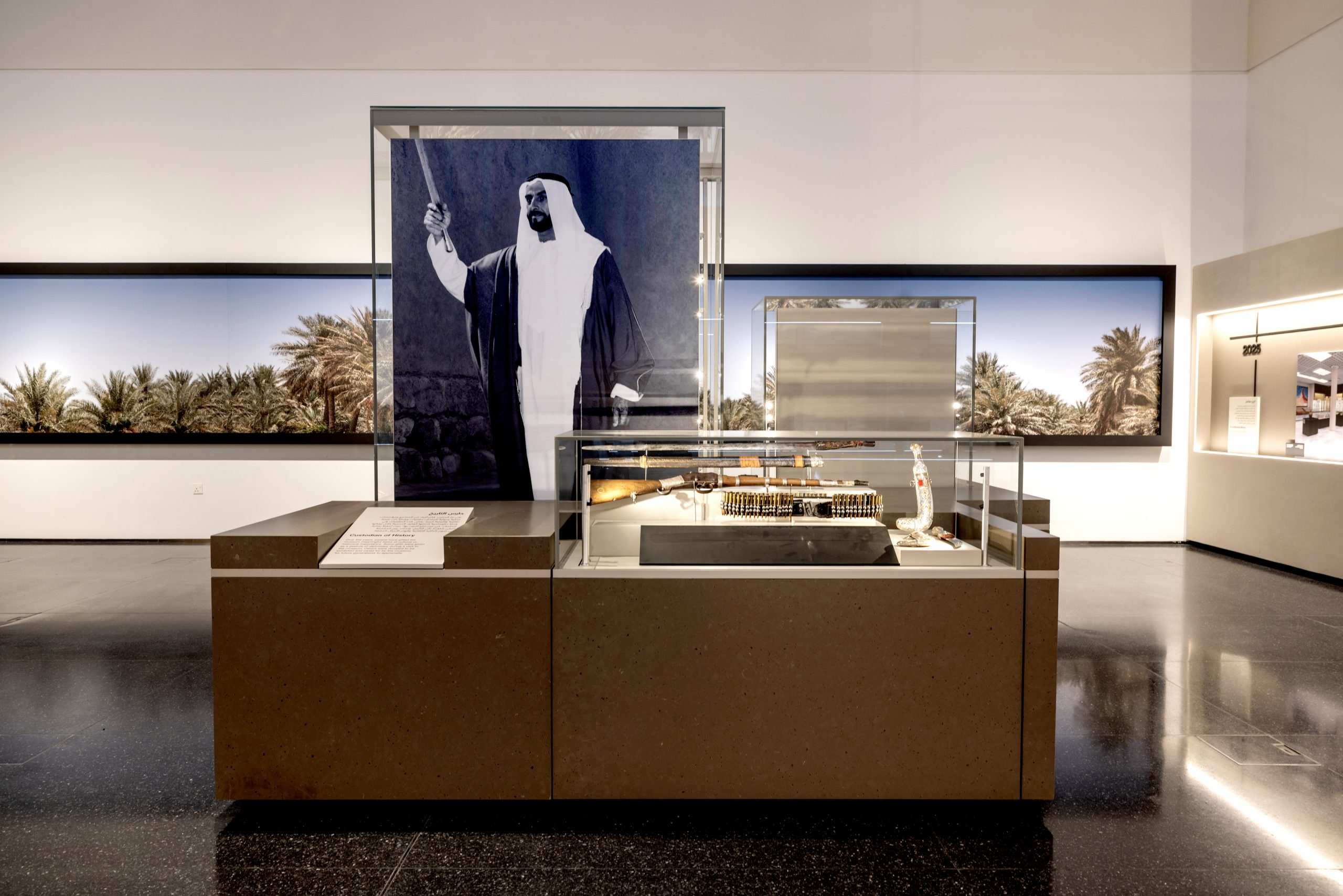
“What you see now is the result of the second round of design, which included the archaeological galleries,” explains Dabbagh. “These were not part of the original design and really enriched the site because they told older stories than the previous structures. Because we were building on top of archaeology, it was a way to weave together the stories of how people lived thousands of years ago in Al Ain up until recently before the discovery of oil.”
The museum’s modest yet sleek structure eloquently marries local archaeological findings, such as on-site tombs and wells, with its exhibition displays and gallery halls.
Life prior to the discover of oil was simple. “Water was found underground and used to grow crops, palms and dates and the architecture was woven around those elements,” adds Dabbagh. “To tell the story of Al Ain and the region we needed to literally weave around the archaeological findings and connect them in a way that was meaningful.”
Dabbagh explains how her studio created courtyards between archaeological findings and viewing points onto the discoveries from the diverse galleries, bridges and corridors that unite the various spaces. “We didn’t want the architecture to overshadow what was there,” she adds. “We wanted to add to the story and celebrate what was there.”
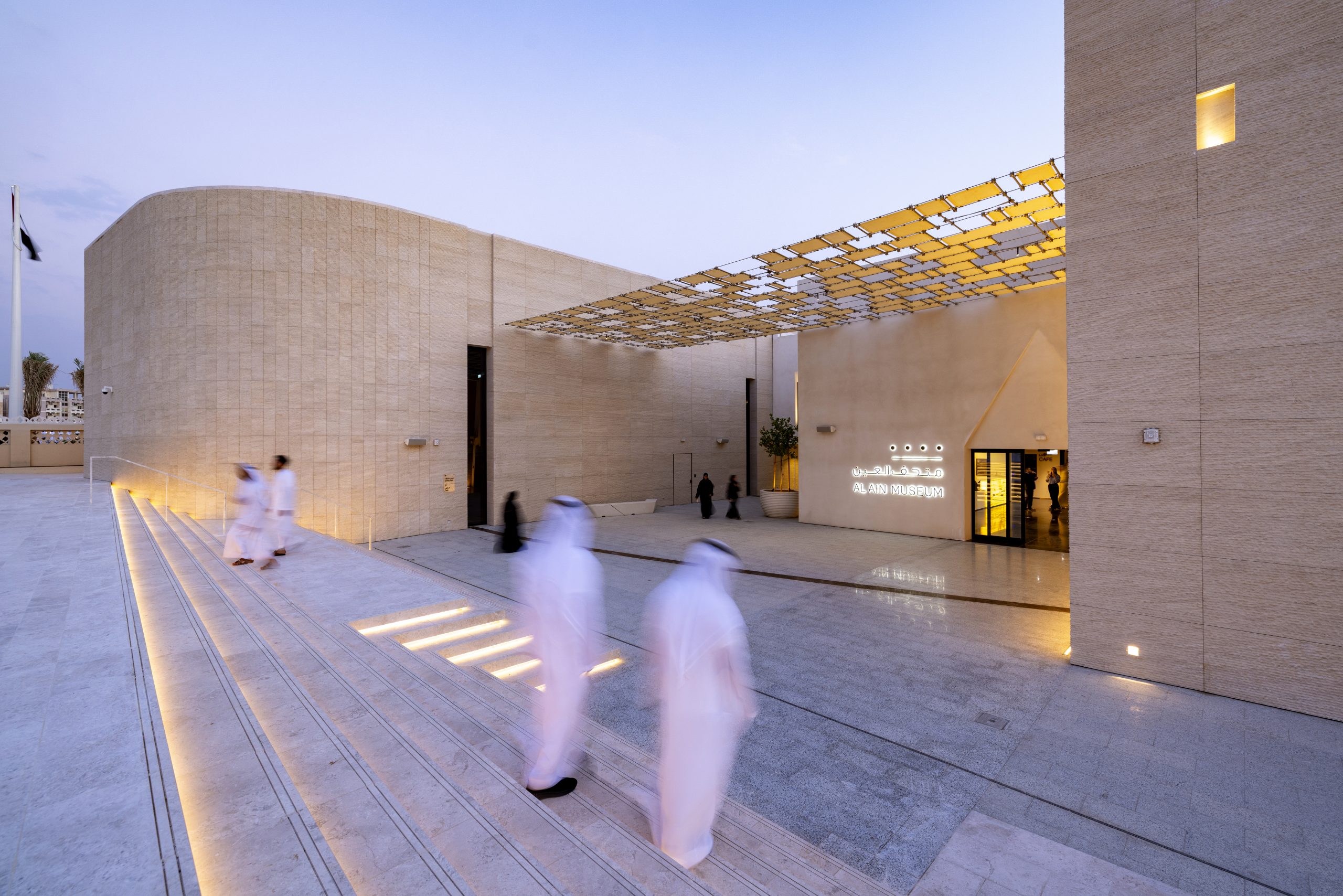
Archaeological remains are not new to the museum. When it opened in 1979 there were artifacts on show – traces of ancient settlements in the area. Sultan Fort, the adjacent historic mudbrick structure in Al Ain next to the museum has been an integral part of the museum since its inception. Built around 1910 by Sheikh Sultan bin Zayed Al Nahyan, the son of Sheikh Zayed the First, who lived there before becoming the ruler of Abu Dhabi in 1922, its proximity to the museum evocatively bridges the region’s ancient past with its modern day founding and statehood.
Dabbagh’s extensive renovation and expansion of the Al Ain Museum has transformed the structure into a contemporary cultural hub while preserving its historical legacy. Three elements – the architecture, the archaeology and the artifacts – are presented in the newly reopened Al Ain Museum, aspects that Emirati Shaikha Al Azeezi, Al Ain Museum’s Exhibitions Designer, has incorporated alongside her team to shape the visual and experiential narrative of the structure of the museum.
“We wanted to highlight various artifacts that were found in the region while connecting the story of Al Ain’s history and the United Arab Emirates,” she says. “The museum’s exhibition areas have now become vessels of memory.”
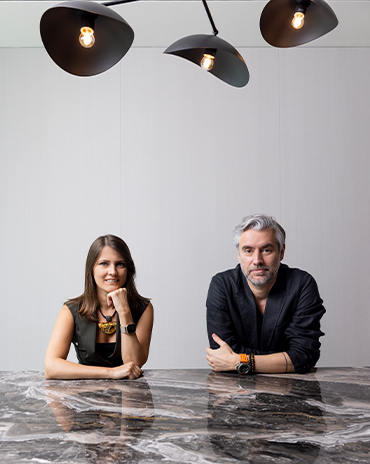
At DLR Group, collaboration across teams is key. We speak to Henrique Dias, Principal and Middle East Hospitality and Mixed-Use Director, and Vaida Buchrotaite, Principal and International Interior Design and Operations Director, on how the group shapes hospitality projects across the region
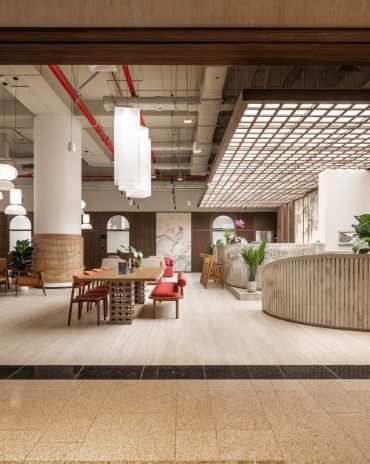
The UAE design-and-build studio delivers a Japanese-inspired coworking destination at Reem Mall, spanning 22,000 sq ft
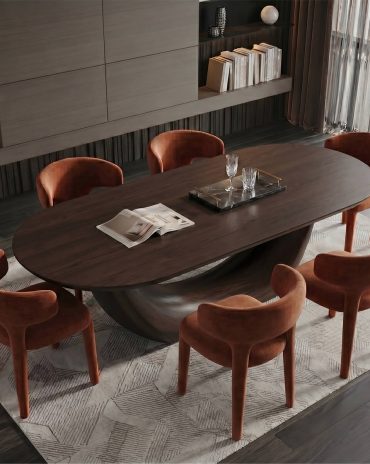
Chattels&More explores the timeless elegance of wood in its latest collection

The brand's latest Laser Evo offers over a million design options.
Read identity magazine's June 2026 edition on ISSUU or grab your copy
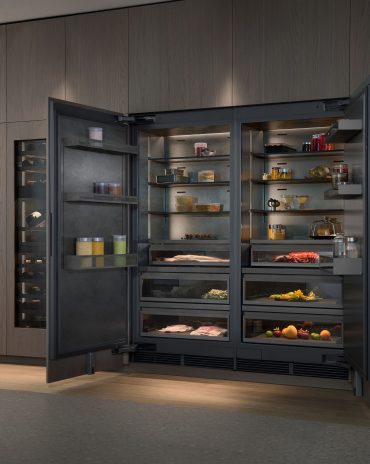
The brand continues the evolution of the Vario cooling Expressive series with 11 new refrigeration models
The brand opens a pop-up ahead of its opening
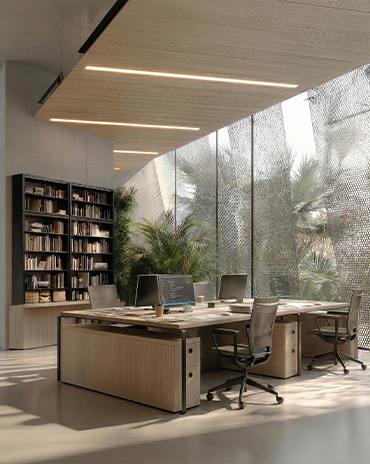
Noeline Conradie, Co-Founder and Lead Interior Designer of SharpMinds Consulting Engineers, shares how biophilic design actually works in offices and schools
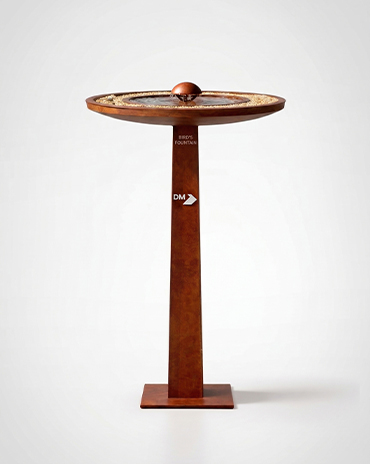
E+A Studio designs an urban bird feeder designed to support biodiversity where nature and city intersect
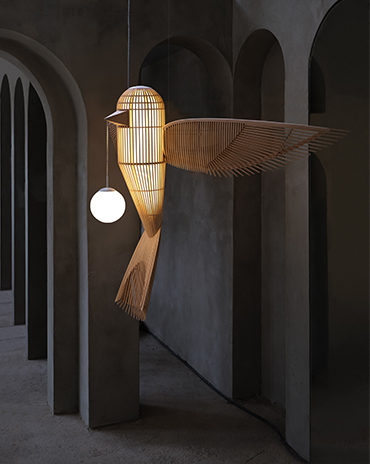
This unique piece is designed by Isidro Ferrer
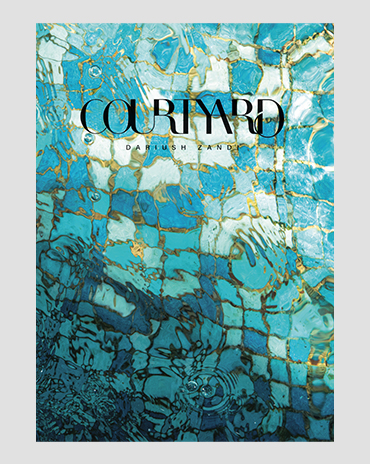
A new coffee-table book about Dubai’s beloved cultural space, Courtyard, resists neat categorisation. Part memoir, part architectural study, part visual archive, it traces the evolution of one of the city’s most enduring creative enclaves
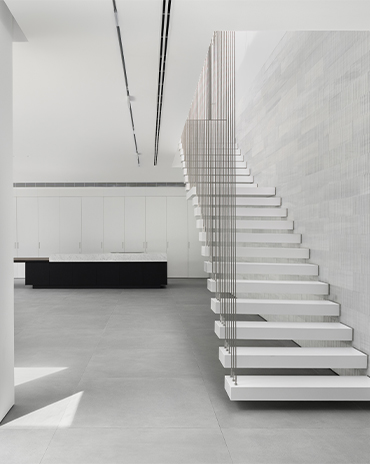
This villa designed by archiSENSE studio in Dubai is a masterclass in restraint, proportion, and architectural expression