




The 2019 id Design Awards juror boasts an inspiring portfolio of design projects.
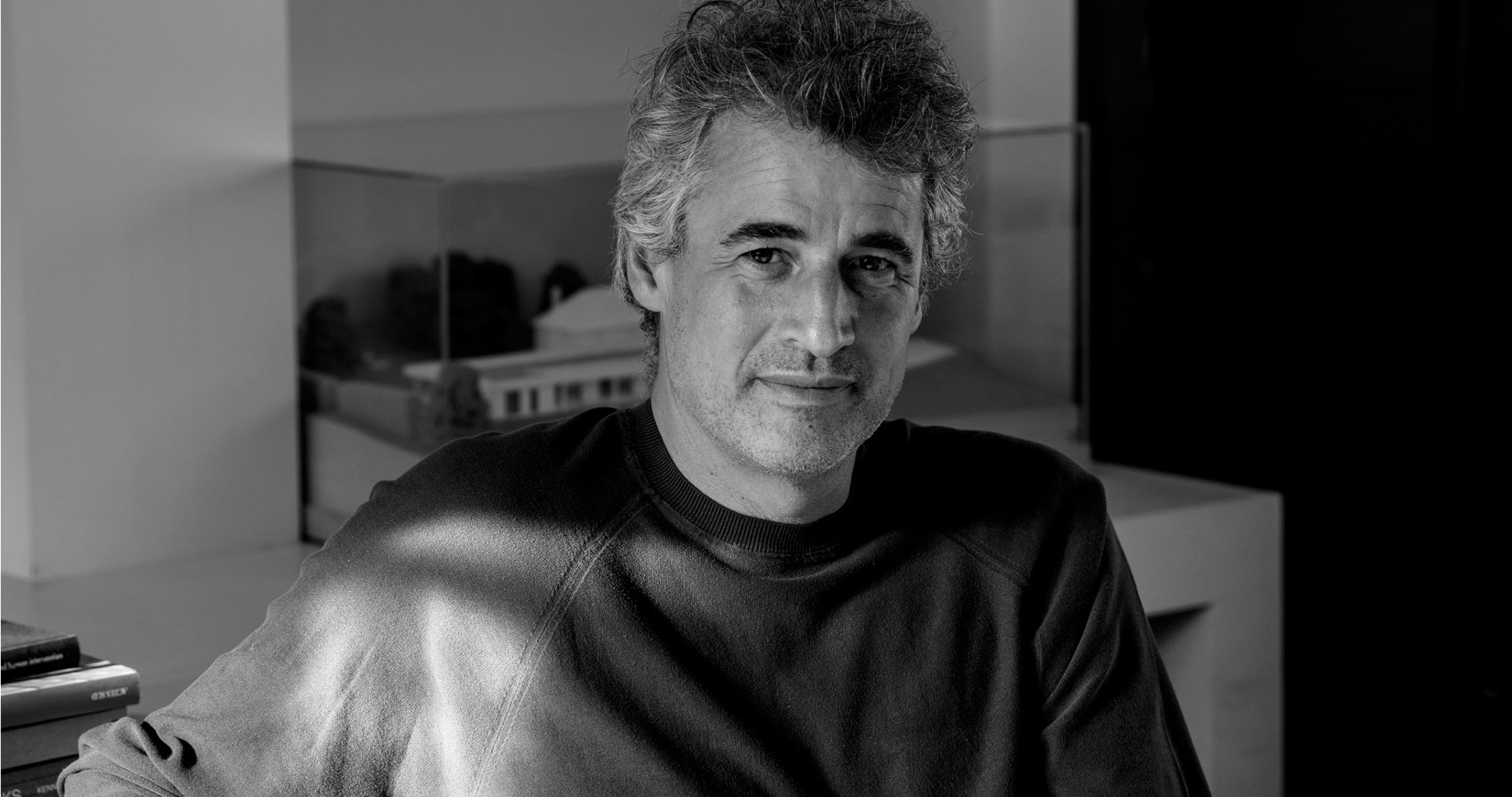



His resulting projects are often characterised by clean lines, natural materials and an uncomplicated aesthetic that embodies clarity and simplicity. The architect founded the London-based architecture and design firm Michaelis Boyd alongside Tim Boyd in 1995. The practice now boasts a team of 65 people working across five continents, undertaking projects that traverse the residential, commercial, hospitality and retail sectors. Michaelis summarises the studio’s philosophy: “The ethos of Michaelis Boyd is quite simple – we aim to get the best solution for any brief. We work closely with our clients to create unique and beautiful spaces that are perfectly suited to their location, and we always factor in light, space and sustainable choices.”
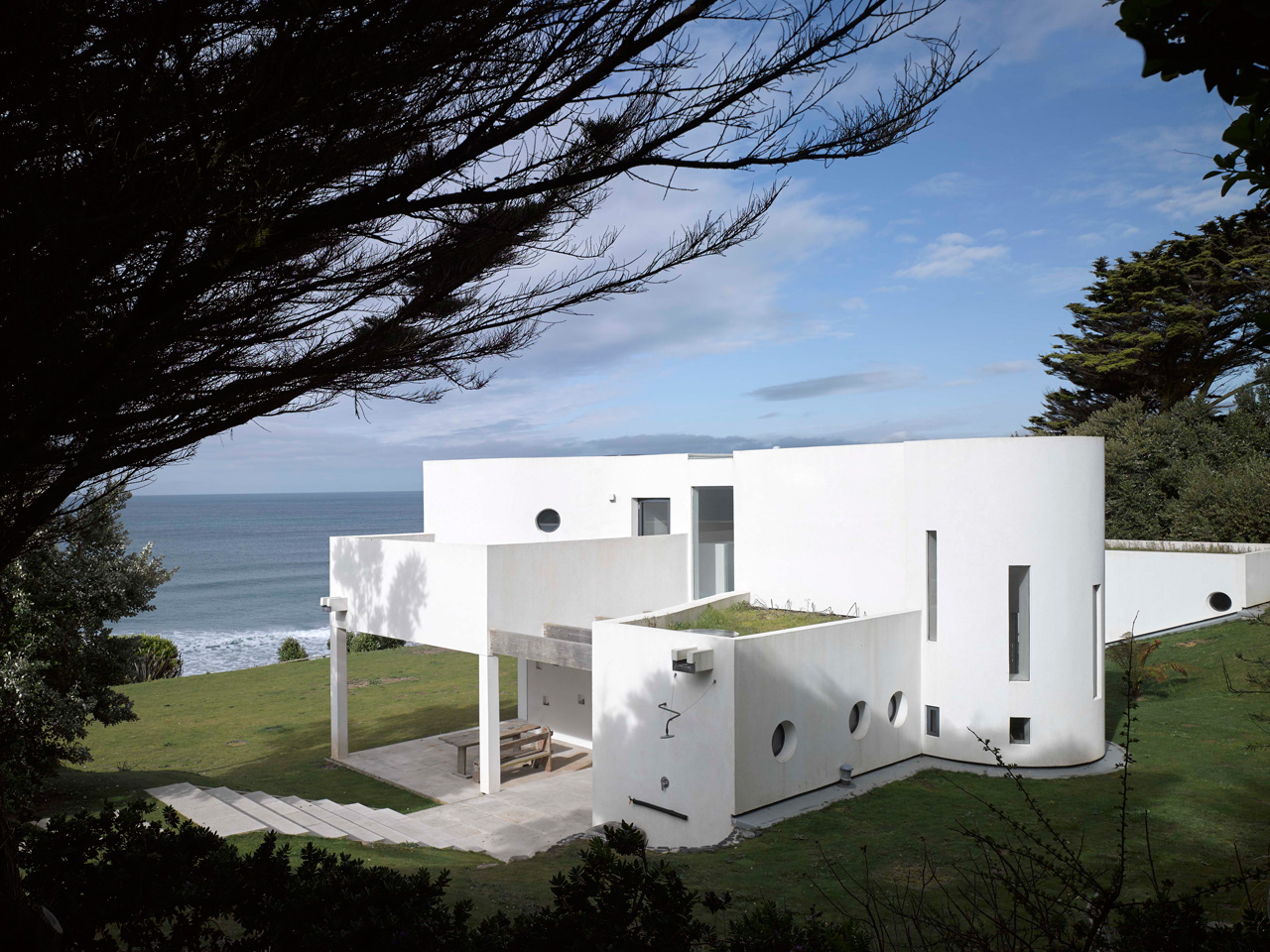
Praa Sands
Michaelis did not always intend to follow in the footsteps of his father Dominic Michaelis, the Anglo-French architect and inventor. He initially studied science with a view to embarking on a career in medicine, before a visit to Florence at the age of 18 turned his eye towards architecture and building design. After studies at the London Architectural Association and Oxford Polytechnic he went on to work at Julyan Wickham in London, Gilles Bouchez et Associes in Paris and finally John Miller and Partners in London, where he met his associate Tim Boyd. Michaelis has gained renown for his inventive approach to sustainability and ecologically sound design, embedding these principles in projects that have garnered much public attention, such as his own subterranean home and the London home of former British Prime Minister David Cameron. Michaelis elaborates: “Sustainability is very important to me when designing a space. We try to be environmentally conscious. I think technology is a perfect accompaniment to sustainability as it’s becoming increasingly easier to find intelligent design materials and solutions which not only look great, but also have a minimal carbon footprint.” Michaelis is clearly a designer in conversation with the environmental and technological concerns shaping the contemporary moment. At the same time, his approach is driven by the precise needs of a building’s users. For example, his London-based home incorporates many joyful and playful elements that have been designed specifically for his seven children, including a fireman’s pole, a slide and swimming pool.
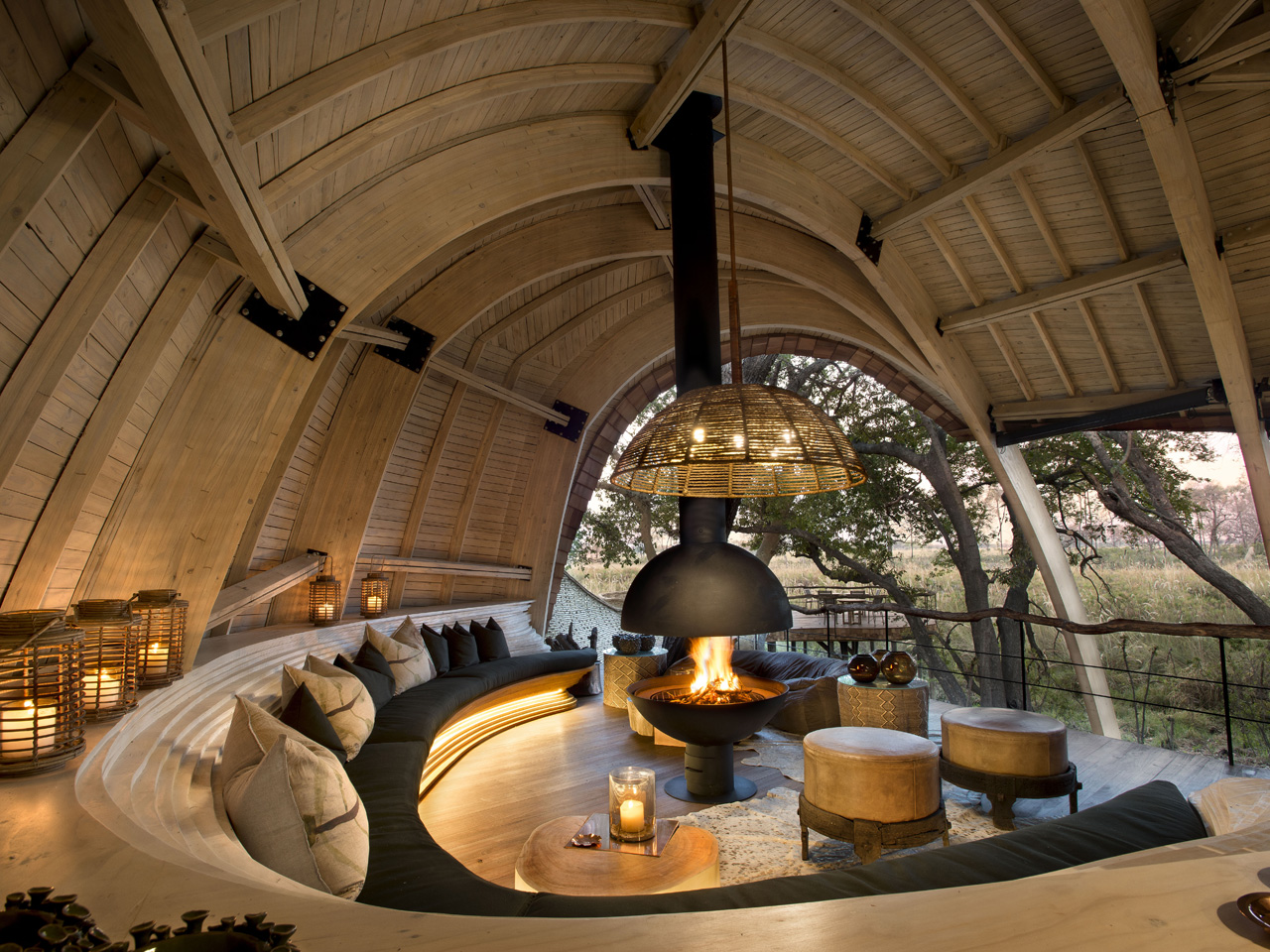
Photo: Dook
As a practice, Michaelis Boyd can be characterised by a dynamic and site-specific approach to global projects. For example, the studio’s designs for the Byron Burger chain are cohesive, yet each space is different and responds to the individual restaurant’s location. Whether designing products, interiors or buildings, the team resists uniformity and homogeneity, but instead works to find simple solutions to expansive and myriad design requirements. “I think that our experience working on many different projects, and in far-flung locations, has helped to broaden our imaginations,” enthuses Michaelis. “We try to challenge convention and push boundaries in our designs.” The studio has gained renown for its continued work with Soho House, including their first location on London’s Greek Street, as well as Babington House, Electric Cinema, Soho Farmhouse, Soho House Berlin and Soho House West Hollywood. Other notable global projects include: housing for the Gurkha Welfare Trust charity in Nepal; 255 apartments in London’s Battersea power station; RYSE Hotel in Hongdae, Seoul; The Williamsburg Hotel, a 150-room hotel in Brooklyn, New York; Sandibe, a sustainable safari lodge in north-west Botswana; Arijiju, a private residence set in the savanna grasslands of Kenya; residences at St Lucia’s Sugar Beach resort; and a family home overlooking Cap Lardier National Park in France. For Michaelis, this year has seen many personal design highlights, as he explains: “We have completed some beautiful private houses in London, and the recent opening of La Maison d’Estournel country home in Bordeaux is a personal highlight of mine.”
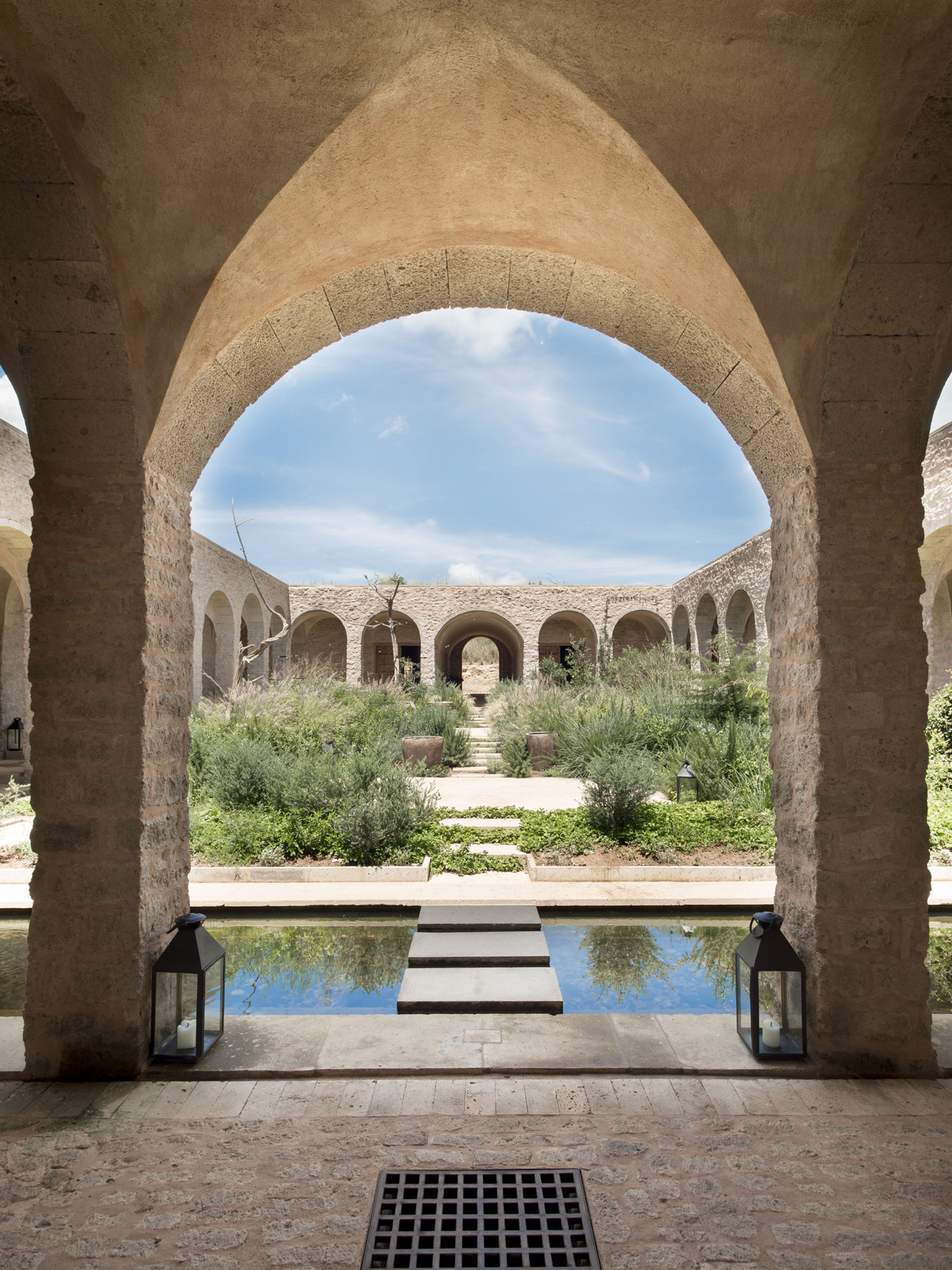
Arijiju (Photo: Dook)
Michaelis brought his unique outlook and extensive cross-disciplinary experience to the role of juror during last year’s edition of the id Design Awards. “I like to see glimpses of both the architect’s and the client’s personalities in the details of designs, especially in private residences,” explains the designer. “I look for creativity, intelligent use of space and materials, and little details that give spaces a ‘wow’ factor.” On the occasion of his first year as juror, Michaelis is keen to emphasise the identity of the UAE as a global design hub, and looks forward to celebrating the distinctive character of the region: “This award differs from others due to the wide breadth of architecture displayed and celebrated in the numerous categories – it really shows the creativity displayed in the UAE.”
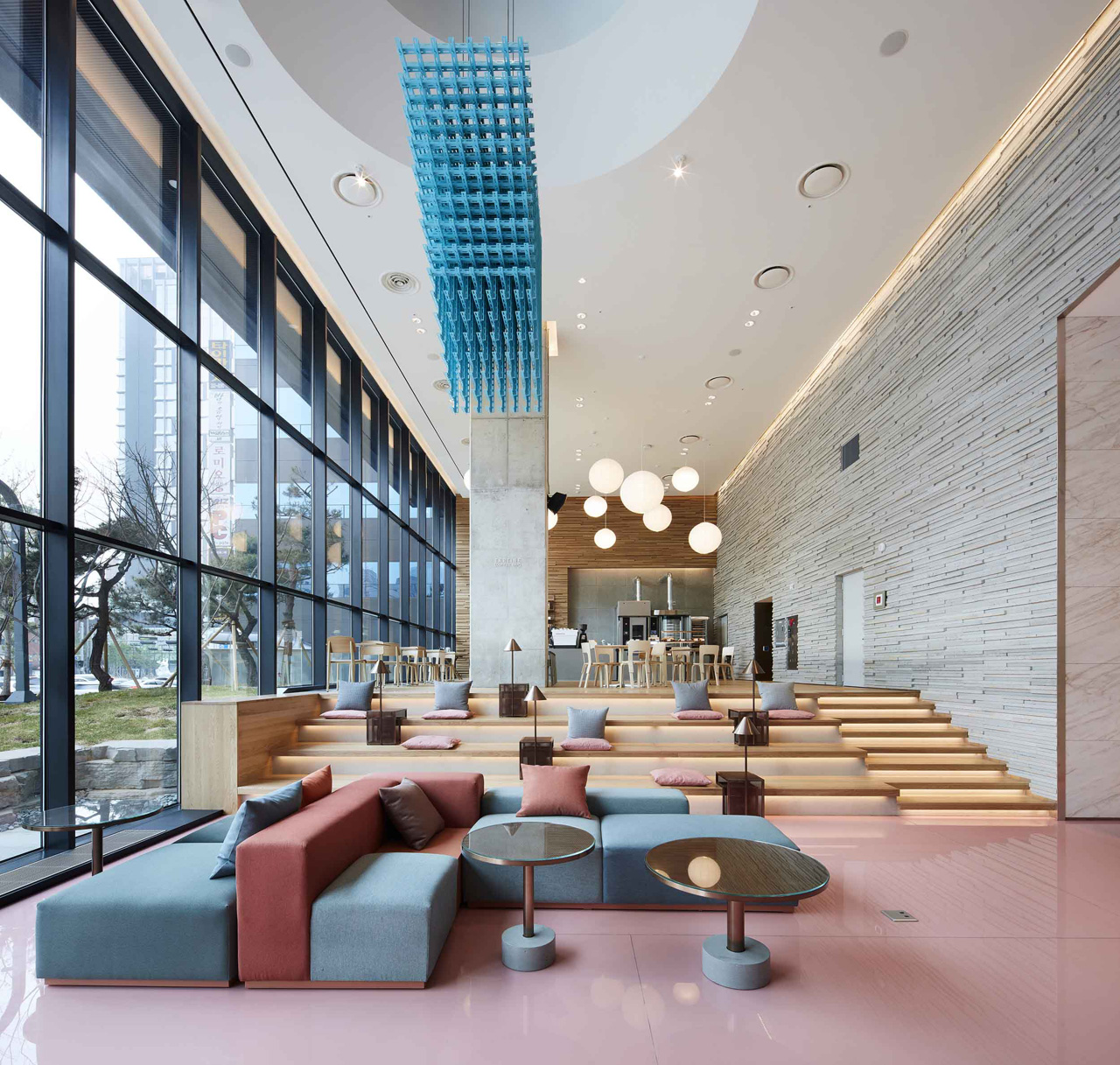
RYSE (Photo: Yongkwan Kim)
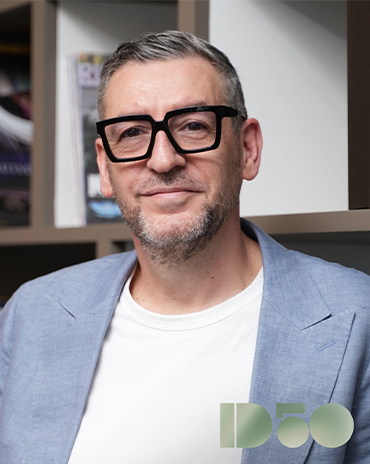
Kerem Cengiz, Managing Director, LWK+ PARTNERS, Middle East
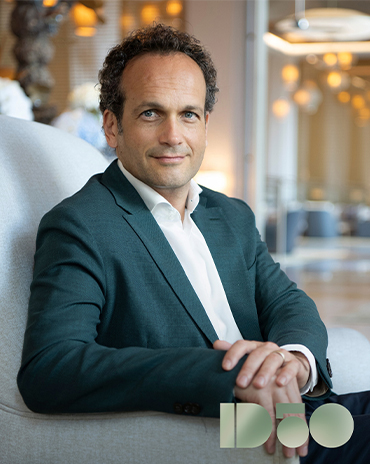
Samer Charara, Director and Studio Chair, Woods Bagot
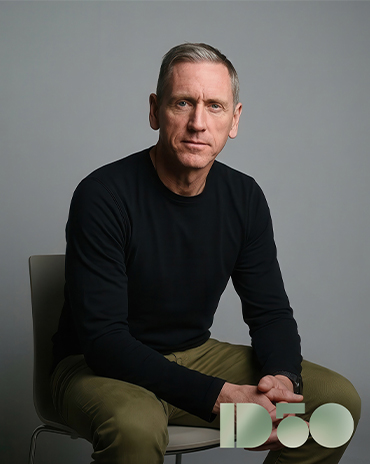
Jason Burnside, Managing Director, Godwin Austen Johnson (GAJ)
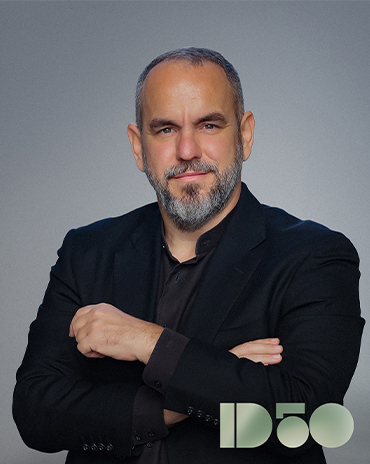
Meet Ignacio Gomez, Global Design Principal, Aedas
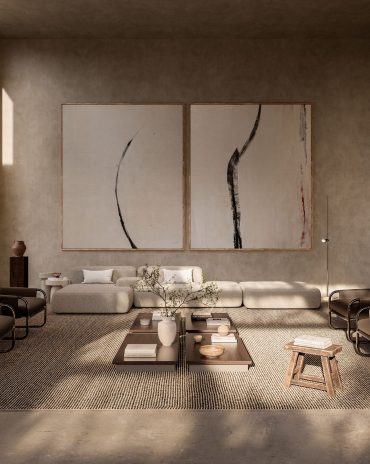
LEMA's brand identity evolves with the creative direction of A++ Group

identity celebrated the id50 with IF HUB at their showroom
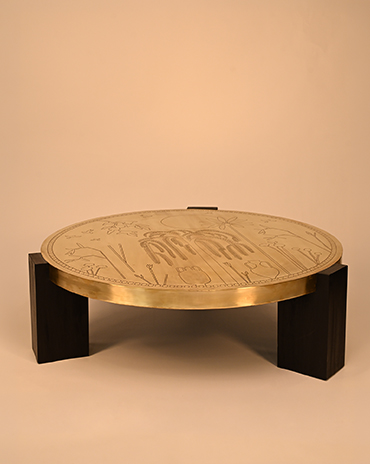
id most wanted for July/August 2026

identity is excited to announce its 12th annual identity Design Awards 2026
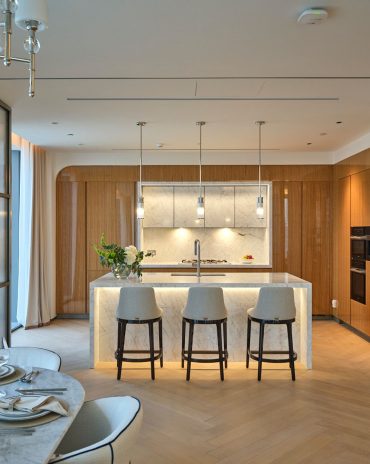
Poliform Blends Seamlessly with this Branded Residence
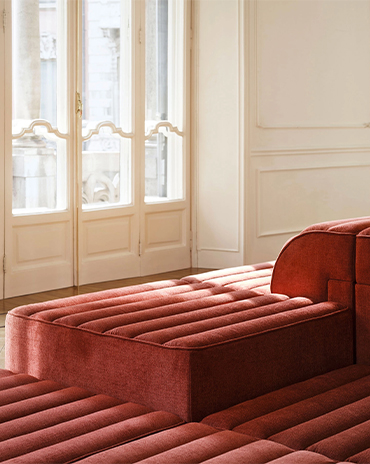
Bold, tactile pieces with raw material honesty
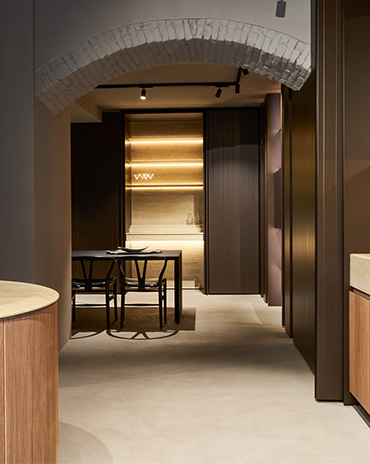
The Cut arrives at IF HUB, offering a new perspective on kitchen design through its focus on materiality, craftsmanship and sensory experiences
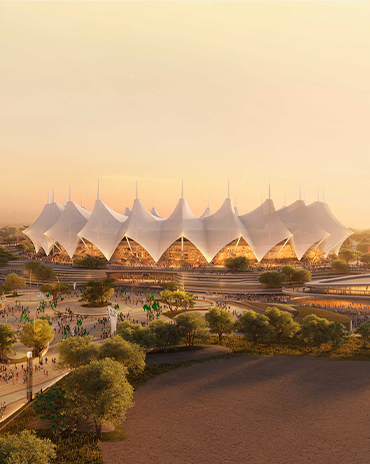
Opened in 1987, the King Fahad Sports City Stadium in Riyadh is undergoing a major renovation designed by Populous to transform it into a state-of-the-art venue for the 2034 FIFA World Cup