




Designed by Dutch architects Mecanoo, this new museum’s design echoes natural rock formations




Rising from the Saadiyat Island landscape like a natural formation, the Natural History Museum Abu Dhabi’s silhouette echoes natural rock formations, reflecting the museum’s mission to connect people with the natural world and inspire the next generation to question, discover and take part in shaping a more sustainable future. Covering an area of more than 35,000 sqm, the natural rock formations reflecting the museum’s goal of improving understanding of and engagement with the natural world. Every element of the design uses geometry as an overriding theme, with pentagonal shapes resembling cellular structures. Also playing an important role in the design are water and vegetation, potent symbols of life in the desert.
For the National History Museum in Abu Dhabi, the architect Nuno Fontarra, drew from his childhood memory of exploring tidal rocks in Porto, Portugal, where each step revealed hidden worlds and sparked curiosity. That simple act of climbing up and down, discovering life between stone and water, shaped his sense of exploration.
Mecanoo translated this memory into the context of Abu Dhabi, where the wadi carries a similar spirit of discovery. More than a seasonal riverbed, the wadi is a natural structure that shapes movement, life, and orientation in the. Mecanoo envisioned the museum as a rock formation along an urban wadi, standing at the threshold between land and sea. It anchors itself in the desert and opens toward the Gulf, inviting visitors to navigate shifting spaces that echo both tidal rhythms and the carved topographies of the wadi. For Mecanoo, the building is not an object placed on the land but a dwelling within it, revealing the continuity of desert, rock, wadi, and sea as a landscape of belonging and exploration. Visitors will travel on a 13.8-billion-year journey through time and space, which will include a thought-provoking perspective into a sustainable future for planet Earth. In addition to the gallery display areas, the museum will include temporary exhibition spaces for special events and theatre facilities.
Across the galleries, the natural history of the Arabian Peninsula forms a central part of the museum’s narrative, highlighting the region’s unique contribution to Earth’s story. Among the most remarkable discoveries found in Abu Dhabi is an extinct species of elephant known as Stegotetrabelodon emiratus. This ancient member of the Elephantidae family was distinguished by tusks in both its upper and lower jaws – a rare trait, unseen in modern elephants – offering visitors a glimpse into the evolutionary journey of these creatures and reflecting the region’s rich natural heritage.
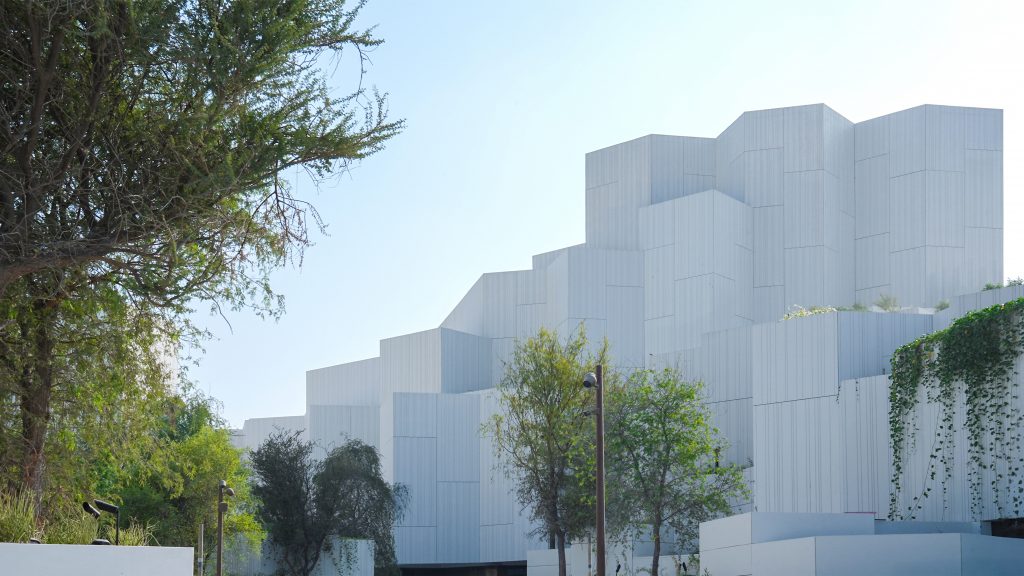
The museum’s most unique architectural feature is its system of hanging gardens, which transform the building into a living landscape that blends architecture, public space, with nature. The hanging gardens transform the museum into a dynamic, interactive, and evolving space, where the building becomes part of the landscape and the landscape becomes part of the building. As an urban wadi, the building promotes movement and discovery. Mecanoo designed two main circulation routes that allow the public to freely navigate between the different masses of the building and explore the waterfront spaces. The architecture generates abundant public space, transforming the complex into a true community anchor. At sunset, visitors can enjoy a leisurely walk, as the museum resonates with local customs and behaviours, creating a space that feels both familiar and engaging. The building’s modularity allows it to expand over time, much like a living cell structure, evolving gradually within its environment.
Inside, the museum features a series of permanent galleries and exhibitions that take visitors on a journey through time. The main galleries include The Story of Earth, The Evolving World, Our World, Resilient Planet and Earth’s Future, alongside side galleries such as The PalaeoLab, The Life Sciences Lab, Arabia’s Climate, Beyond the Horizon and The Human Story. Visitors can also explore the Interactive Theatre, which offers immersive visual experiences that transport them through time.
To mark its opening, the museum will present two temporary international exhibitions: ‘The March of the Triceratops’, showcasing the world’s only touring Triceratops herd, and the ‘61st Wildlife Photographer of the Year’, one of the most prestigious global showcases of nature photography. Together, these exhibitions will launch the museum’s international programme and pave the way for a new era of scientific and cultural collaboration at both local and global levels.
H.E. Mohamed Khalifa Al Mubarak, Chairman of the Department of Culture and Tourism – Abu Dhabi, shared, “The opening of the Natural History Museum Abu Dhabi marks a major milestone in our journey to shape the emirate’s cultural landscape. The museum offers an immersive look at the story of life on Earth, framed for the first time through an Arabian lens, with the fauna, flora and geological history of the region forming a prominent part of the visitor journey. The museum’s research and educational institution supports scientific knowledge and undertakes innovative scientific studies in zoology, palaeontology, marine biology, molecular research and earth sciences. By fostering engagement with the natural sciences, the Natural History Museum Abu Dhabi will inspire future generations and contributes to a more sustainable future.”
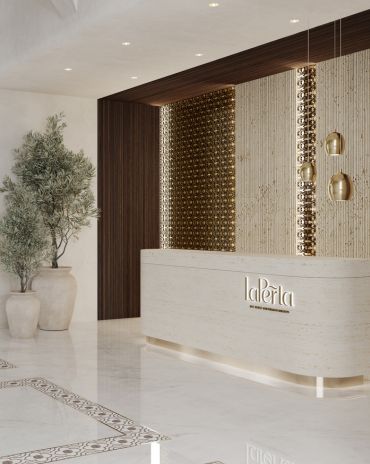
La Perla redefines seaside living with hand-crafted interiors and timeless architecture
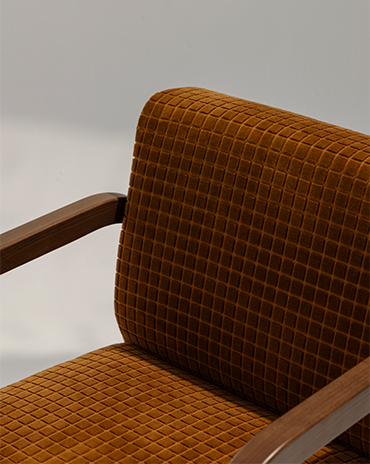
Here are some stunning, locally designed products that have caught our eye
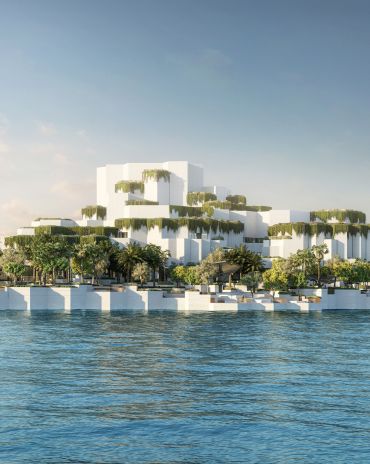
Designed by Dutch architects Mecanoo, this new museum’s design echoes natural rock formations
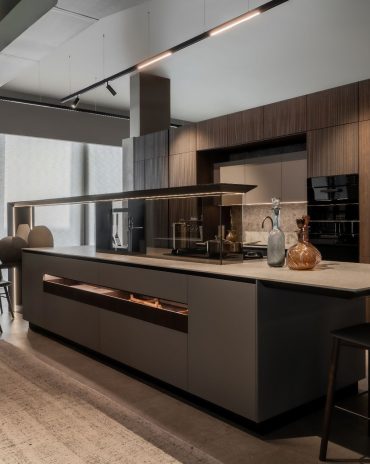
The showroom reopens as a refined, contemporary destination celebrating Italian craftsmanship, innovation, and timeless design.
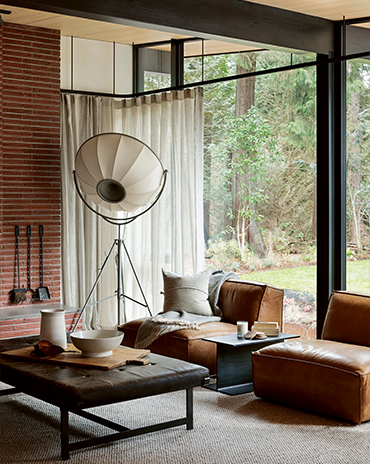
This book reclaims the narrative of women in interior design
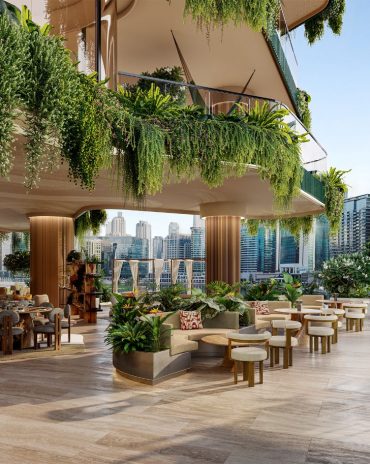
Mihir Sanganee, Chief Strategy Officer and Co-Founder at Designsmith shares the journey behind shaping the interior fitout of this regenerative design project
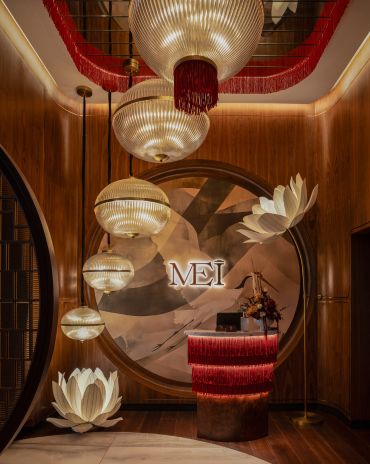
Where heritage meets modern design.
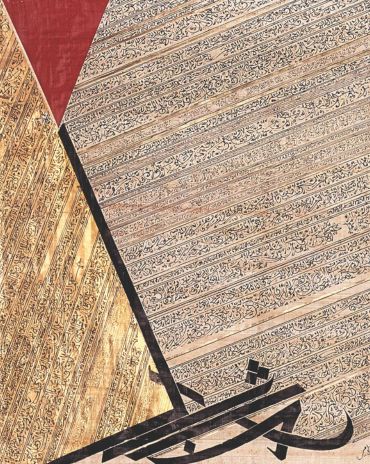
Taking place at the Bassam Freiha Art Foundation until 25 January 2026, this landmark exhibition features Nja Mahdaoui, one of the most influential figures in Arab modern art
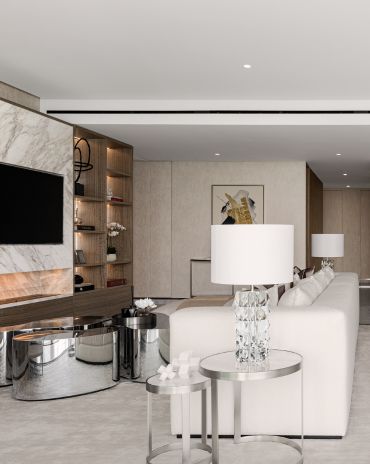
This home, designed by Blush International at the Atlantis The Royal Residences, perfectly balances practicality and beauty
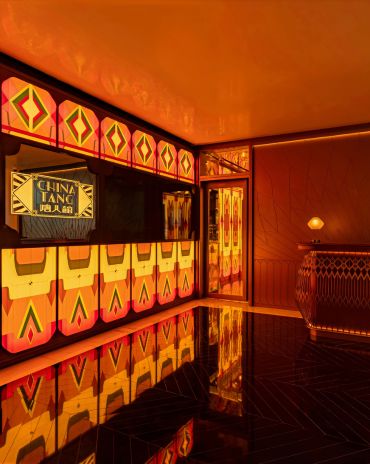
Heritage aesthetics redefined through scale, texture, and vision.
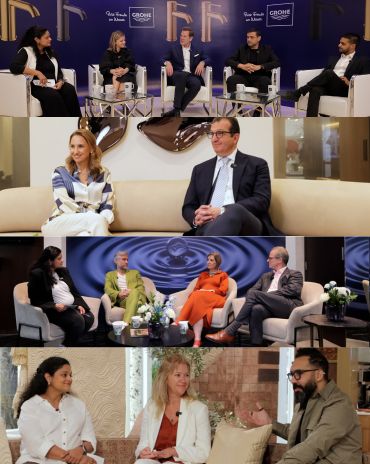
The identity team were actively involved in Dubai Design Week and Downtown Design, capturing collaborations and taking part in key dialogues with the industry. Here’s an overview.
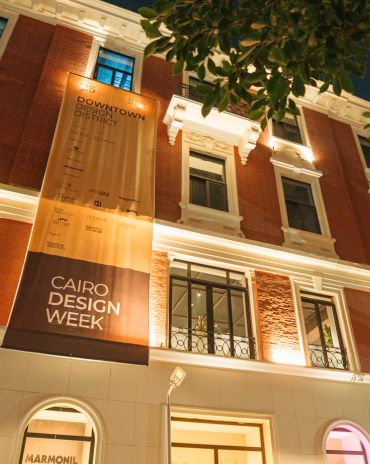
Art, architecture, and culture shaped up this year's Cairo Design Week.