




Inspired by a Japanese ryokan, Studio Munge completes Canada’s first Nobu hotel
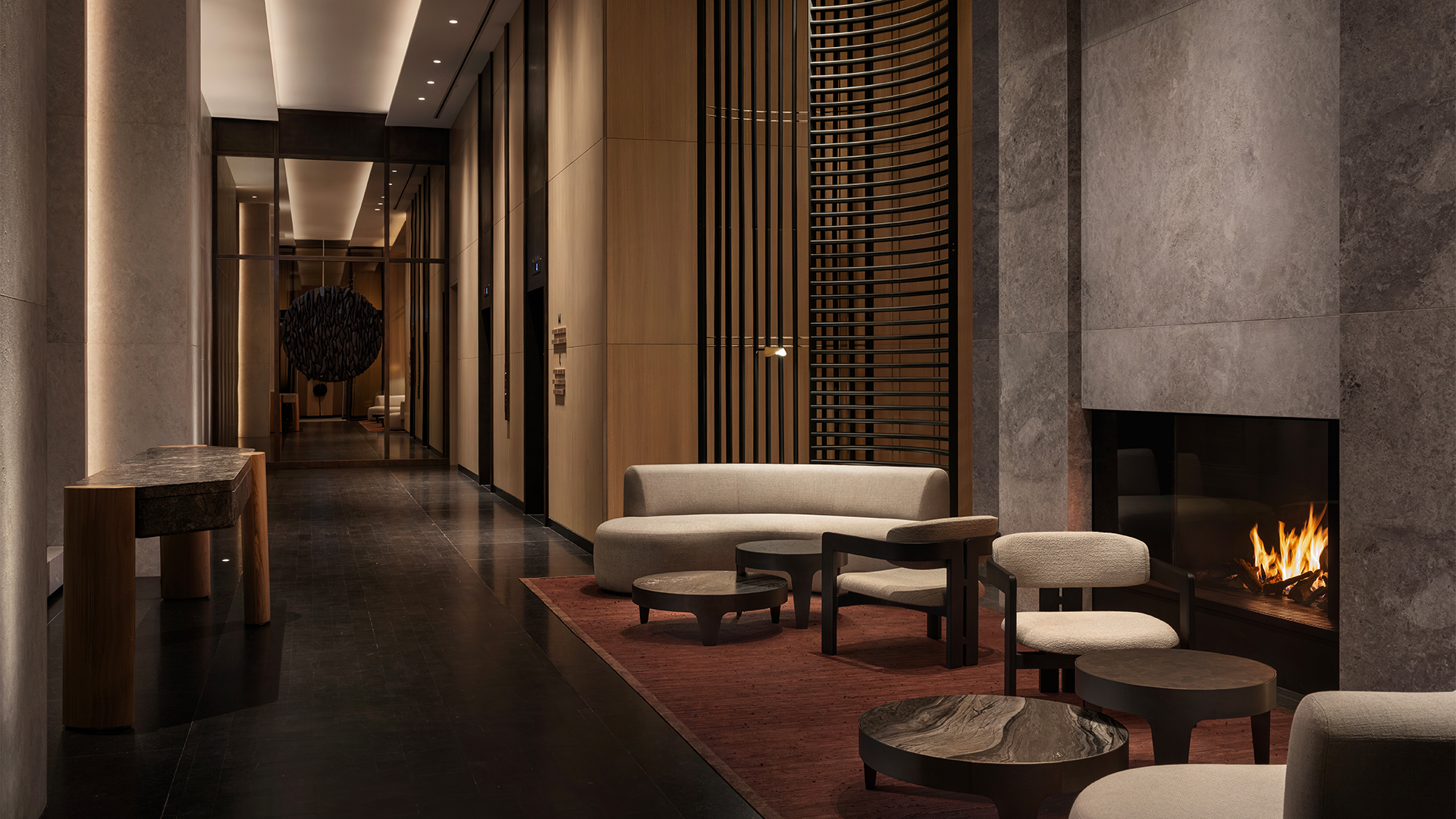



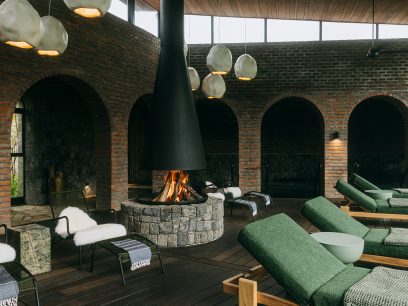
Located just steps away from major film venues and nightlife in Toronto’s dynamic Entertainment District, Nobu Toronto offers a layered hospitality experience where design, cuisine, and cultural nuance are tightly interwoven. The design brief called for the creation of a calm, elevated sanctuary that offers respite from the energy of the city below. Rather than interpreting the hotel through a conventional luxury lens, the concept drew inspiration from the Japanese ryokan: an experience rooted in tranquility, material authenticity, and emotional restraint. This philosophy was complemented by subtle Canadian influences, resulting in an environment that feels both globally refined and deeply connected to its location.
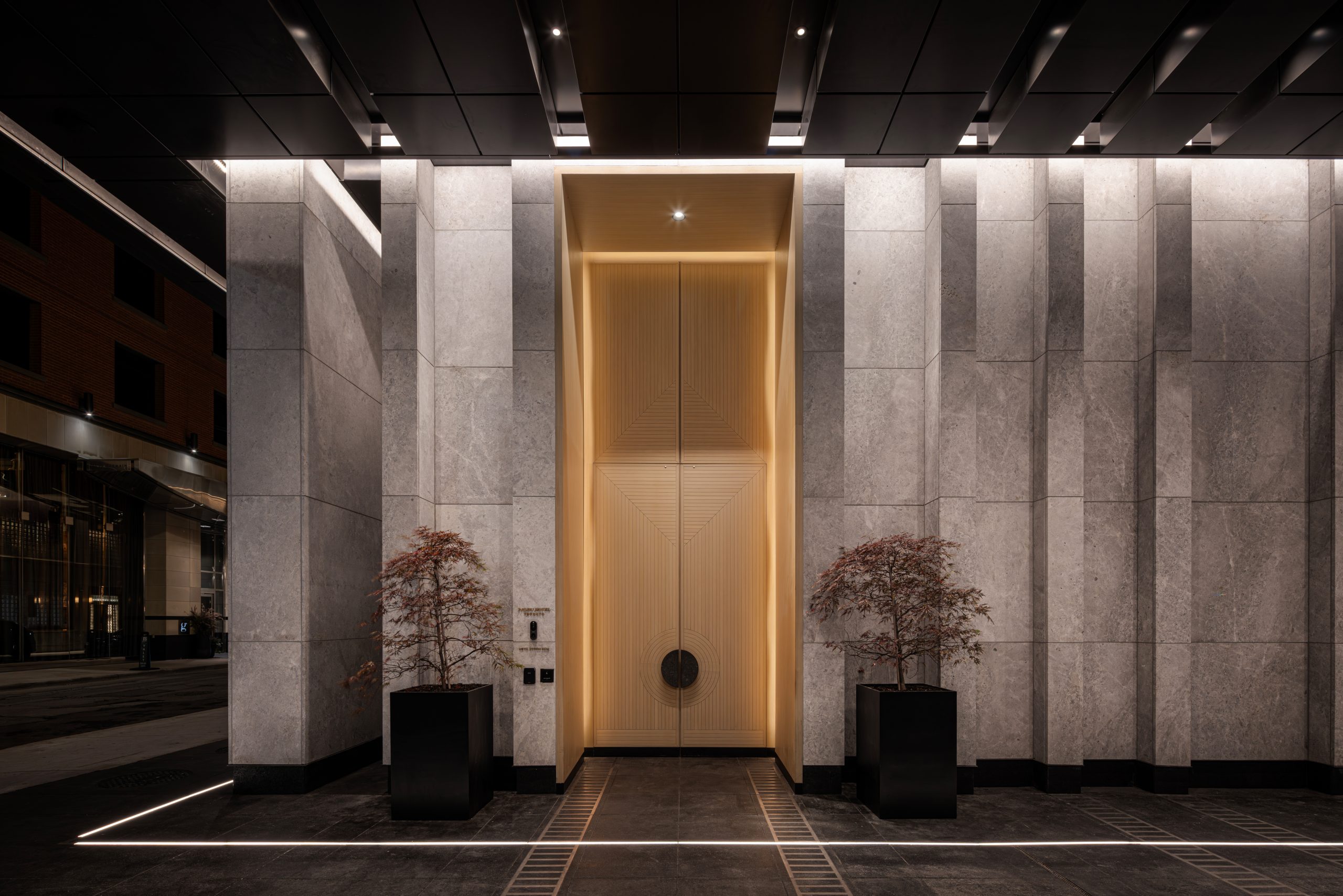
The project occupies the former site of a well‑known Canadian glass manufacturing facility, a legacy subtly referenced within the hotel through the preservation and reuse of original glass elements, most notably the glass blocks incorporated into the fitness area. The existing street‑level façade was retained as part of the redevelopment, preserving the historic character of the neighbourhood while anchoring the project within Toronto’s architectural memory. The development comprises two slender residential towers connected by a central podium. A defining architectural gesture occurs at the podium level, where a dramatic opening links the 9th and 10th floors, allowing natural light to cascade into the interior spaces below. This void creates a powerful experiential moment: from the gym, guests can observe rainfall or snowfall descending through the opening, while upper‑level rooms offer framed views down into the illuminated core.
The design of Nobu Hotel Toronto is defined by a quiet dialogue between Japanese craftsmanship and Canadian landscape. In the guestrooms, a soft spectrum of blue tones establishes a sense of serenity, referencing sky and water while reinforcing the notion of retreat. These hues serve as a calming counterpoint to the city’s intensity, enveloping guests in a tranquil atmosphere from the moment of arrival.
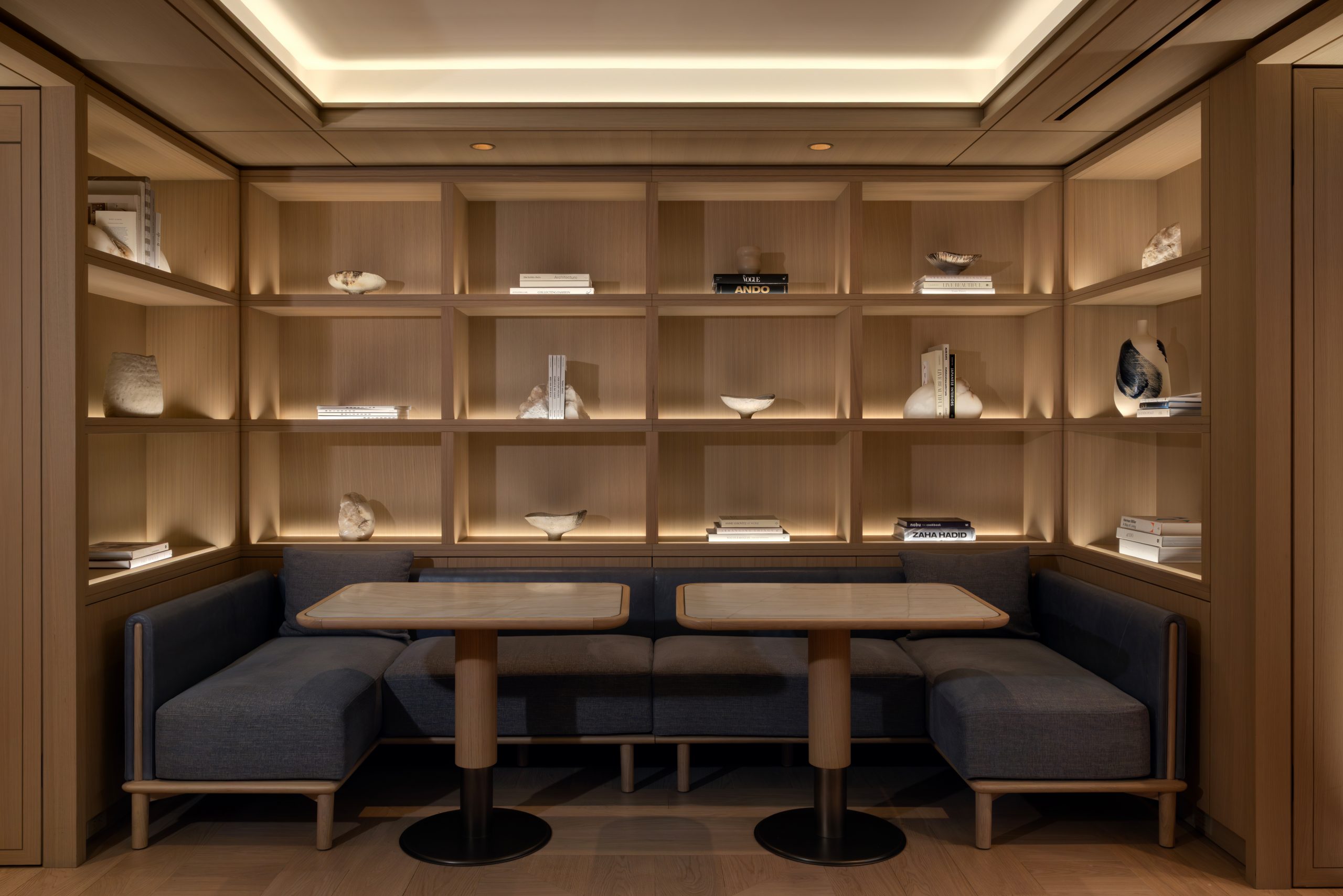
The arrival experience introduces a more symbolic narrative. Here, Canadian topography is abstracted and paired with references to traditional Japanese metalwork. Inspired by the layered forging techniques used in Japanese blades, where countless layers of metal are compressed into expressive patterns. The design translates this craftsmanship into architectural surfaces and artistic expression.
A bespoke artwork by Toronto‑based artist Dennis Lin anchors the arrival sequence, reinforcing the project’s commitment to local creative voices while visually bridging Eastern and Western cultural influences. Throughout the hotel, custom furniture, fixtures, and equipment details subtly reference Japanese design language, interpreted through proportion, joinery, and material honesty rather than literal motifs. Construction commenced following ground‑breaking in the late 2010s, with the project reaching completion in 2025.
Consistency of materiality was essential to achieving this mood. Rather than relying on a broad palette, the design emphasises restraint by limiting materials and rigorously controlling tone, texture, and finish. Extensive quality control was undertaken throughout the process, including site visits to stone quarries where slabs were hand‑selected to ensure chromatic consistency across the entire project.
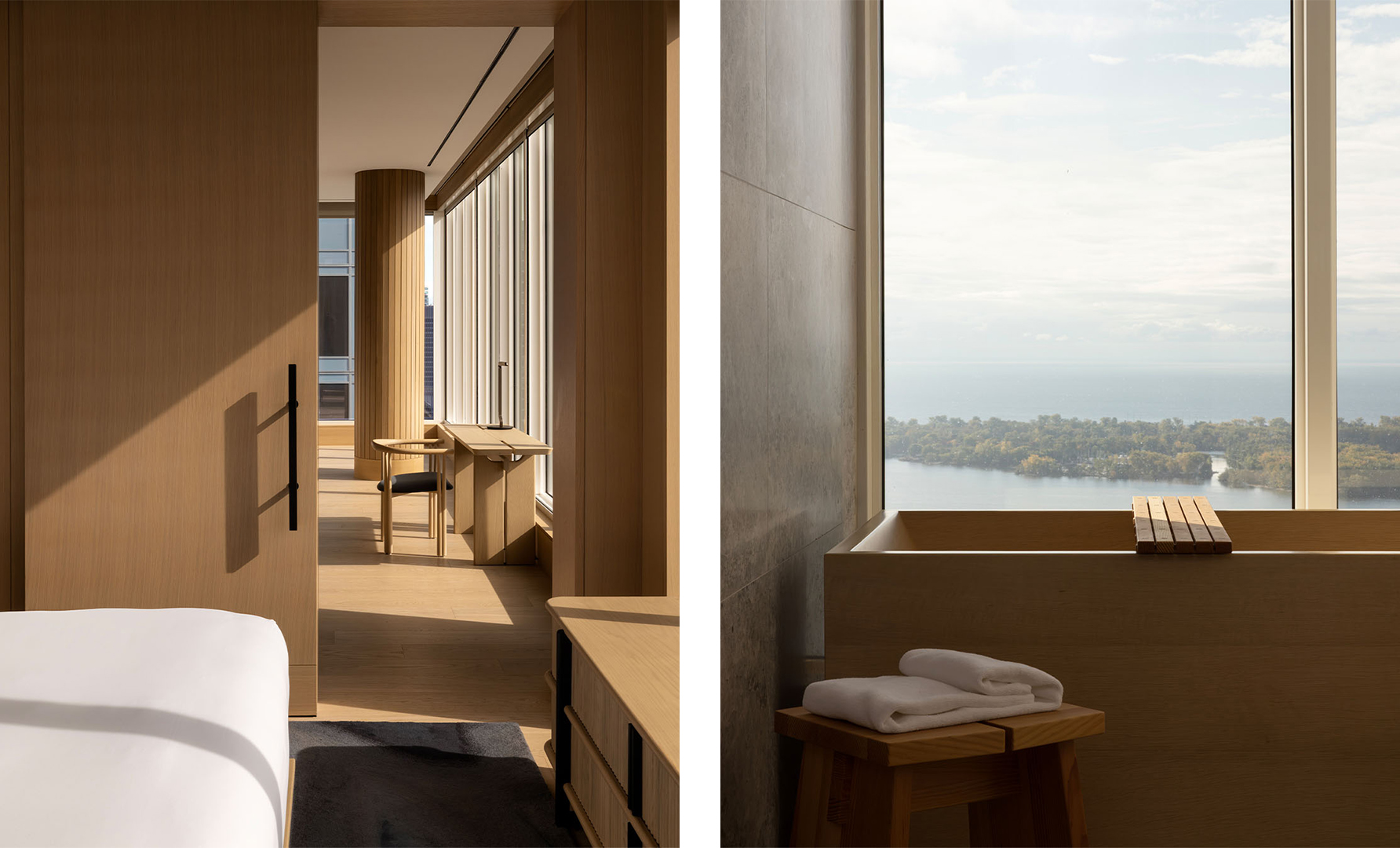
The hotel is conceived as a retreat in the sky. Views are treated as an integral design element, with most beds oriented directly toward the windows and many guestrooms featuring soaking tubs positioned beside panoramic city vistas. Japanese craftsmanship principles guided the detailing approach: materials are celebrated honestly through visible end grain, precise butt joints, and refined transitions that allow craftsmanship to speak quietly but confidently.
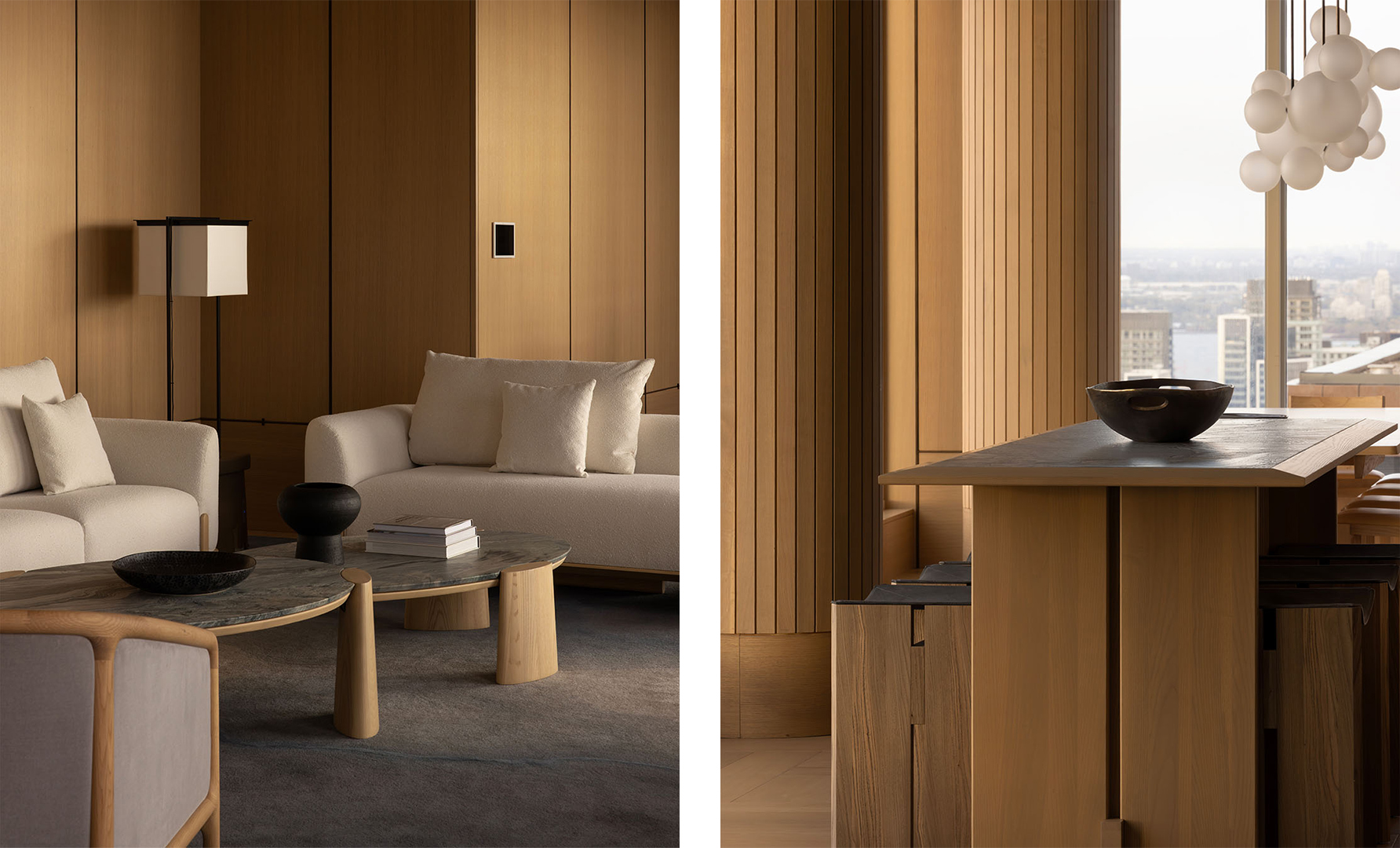
The palette is intentionally restrained, built around tonal continuity and tactile warmth. Tundra Grey stone sourced from Turkey was selected for its exceptional consistency, subtle veining, and calm appearance. Finished with a leathered texture, the stone introduces tactility while maintaining visual softness. Remarkably, the same stone is used throughout the entire hotel – from lobby and corridors to guestrooms and ensuites – across floors, walls, and millwork, reinforcing a seamless architectural language. White oak, rift‑cut for its linear grain, provides warmth and structure. Veneer bundles were hand‑selected directly at the manufacturer to ensure straight grain patterns and tonal consistency across all applications. Additional material layers include carved wood elements, hand‑dyed indigo textiles, and handcrafted Kawara tiles. A sculptural bronze chainmail chandelier, evoking the folded drape of a kimono, introduces a moment of quiet drama within the public spaces. White oak wall paneling and oak parquet flooring complete the material composition. Exceptional architectural detailing defines the interiors: precise flush transitions, meticulous alignment between floors, walls, and ceilings, ribbed detailing at fireplaces, and softly contoured ceiling profiles. Many of these elements reveal themselves subtly – moments best appreciated through close observation.
All artworks throughout the hotel were commissioned from local artists, reinforcing the project’s connection to Toronto’s creative community. Studio Munge collaborated closely with the architectural team to inform the exterior façade, introducing vertical stone slats that enhance privacy and create a sense of exclusivity at the hotel arrival.
Layouts are carefully considered: nearly all guestrooms feature walk‑in closets, generous living areas, and bed orientations that prioritise views. Many rooms include soaking tubs positioned beside windows – reinforcing the experiential focus of the design. The iconic wooden soaking tub, synonymous with Nobu Hotels, plays a central role. Rooted in Japanese bathing culture – where bathing is viewed as a ritual of restoration rather than function – the tub becomes both a symbolic and experiential centerpiece within the guestrooms. The interiors bridge Eastern and Western cultural references through a meditative palette, redefining quiet luxury in hospitality with guest rooms crafted as havens of peace.
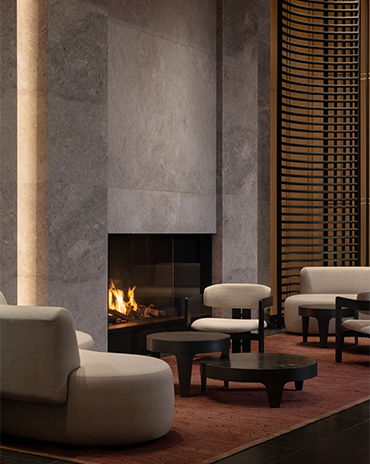
Inspired by a Japanese ryokan, Studio Munge completes Canada’s first Nobu hotel
Set a stone’s throw away from Hyde Park, the Six Senses London has wellness at its heart
This home in Mumbai, India is an ode to Italian design
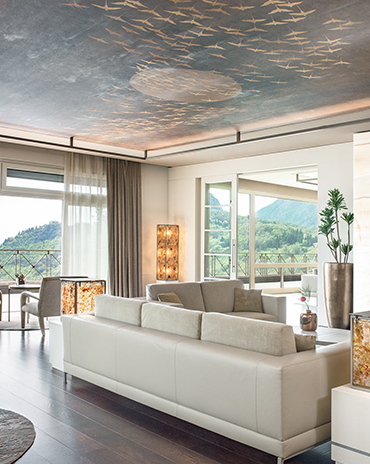
Five-star luxury property Lefay Resort & SPA Lago di Garda in Gargnano, Italy, features a renovation by Studio Apostoli and the Lefay Project Team blending contemporary luxury with natural materials
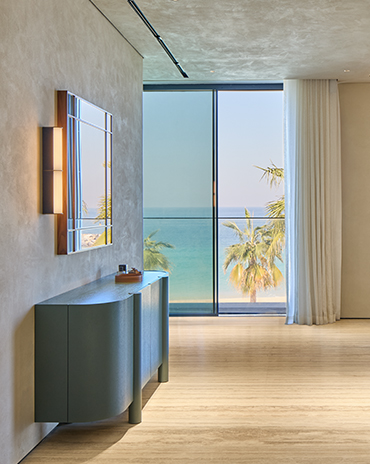
This villa in Jumeirah Bay by Delfina Design utilises natural materials to enhance its position as a beachfront home
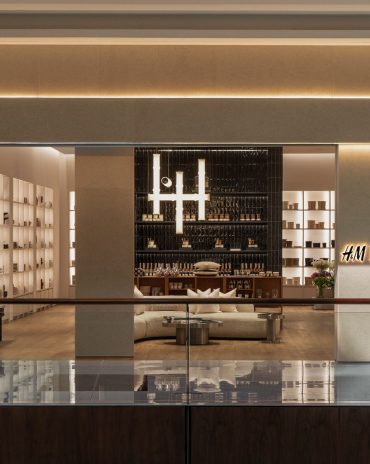
The store was unveiled on 23 May, marking a significant milestone for the brand in the region.
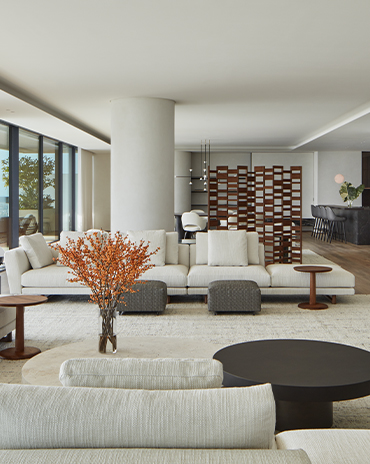
Studio M. completes a residence that echoes the building’s refined architecture
These design-led hotels offer inspiration at every turn
LW Design completes a sensitive reimagining of the iconic Table Bay Hotel at the V&A Waterfront in Cape Town, South Africa
This new, refined lounge showcases spectacular Dubai skyline views with style

identity hosted a live panel in collaboration with IF Hub on creating intelligent and resilient design at their showroom
We take a look at how Nammos Dubai translated the spirit of Mykonos at its outpost at the Four Seasons Resort at Jumeirah Beach