







The applause was thundering. Jake Dyson had just arrived in Dubai – his very first visit to the region – to share Dyson’s cutting-edge professional products in action and announce the prestigious James Dyson Award launching in the UAE this year; and everyone could feel energy in the room.
“The rapid pace of development and the relentlessly forward-looking attitude of Dubai inspires me,” says the designer. “A huge city has risen from almost nothing in a very short space of time and, not content to sit back on its laurels, now has vast ambitions to increase sustainability, largely through innovation.”
Jake Dyson
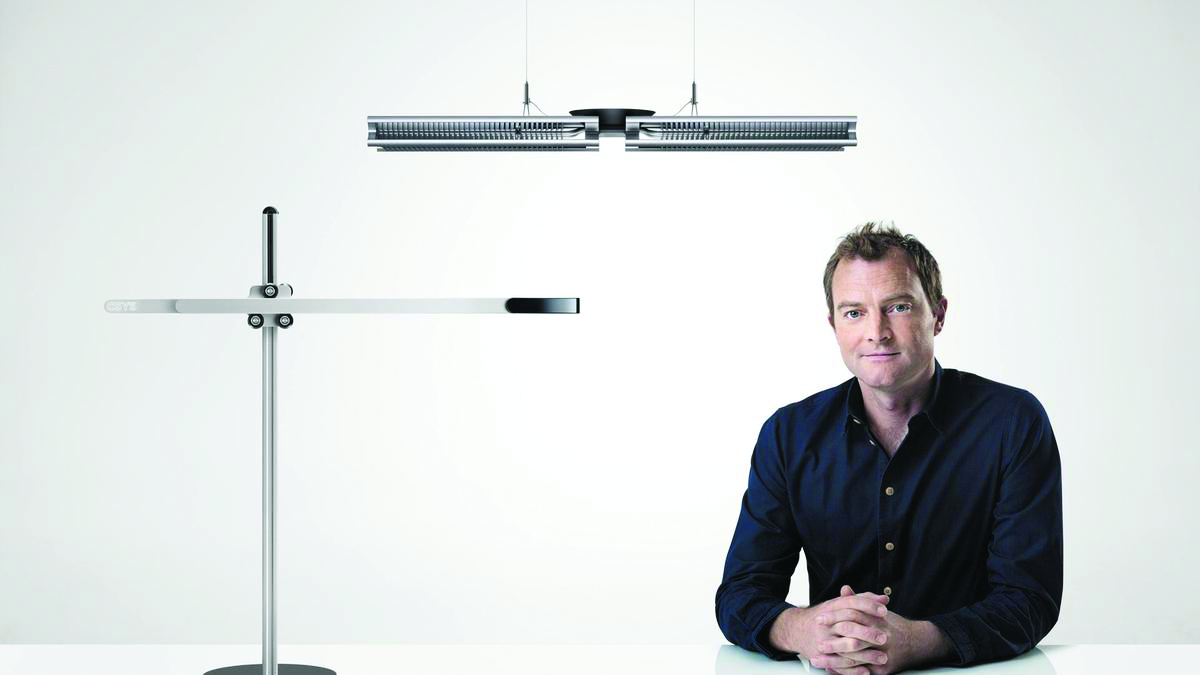
Dyson, heir to the incredible design legacy of his father James Dyson, OBE, is the creator of the game-changing CSYS and Cu-Beam LED lights, which are designed to last an unprecedented four decades.
“At their core, all our products are concerned with solving the problems that others ignore,” says Dyson. “We take a science- and research-led approach to product development and it’s only when we have a core technology that is unlike anything else that we start to think about putting it into a product. We don’t base these decisions on market research. Some of the things we’re working on are so novel that no market research about them exists. We believe that technology must be genuinely useful and work properly to make a difference,” he maintains.
But his enthusiasm is far from unconsidered. “The possibilities that arise from combining hardware with software and AI [artificial intelligence] are vast, but of course there is a burden of responsibility to ensure that the outcomes will make a positive difference to people’s lives. Technology will become increasingly autonomous – able to anticipate and respond to your needs with minimum interaction,” he says.
Because his company is family-owned it has the freedom to pursue projects using a path that allows for a vast consideration of ethical and technical tenets.
“Dyson is family-owned. That means we don’t have to answer to the stock exchange and can take a very long-term view. We invest GBP7 million every week into research and development and we take as long as we need to perfect our technology before we bring it to market. There is no pressure to rush product releases in order to keep shareholders happy,” he asserts.
On display was the full range of products developed by Dyson for public, leisure and work spaces, including its Airblade technology hand dryers, Cu-Beam and CSYS LED lights, Supersonic hair dryers and the Pure Cool air purifiers that can capture up to 99.95% of potentially harmful particles.
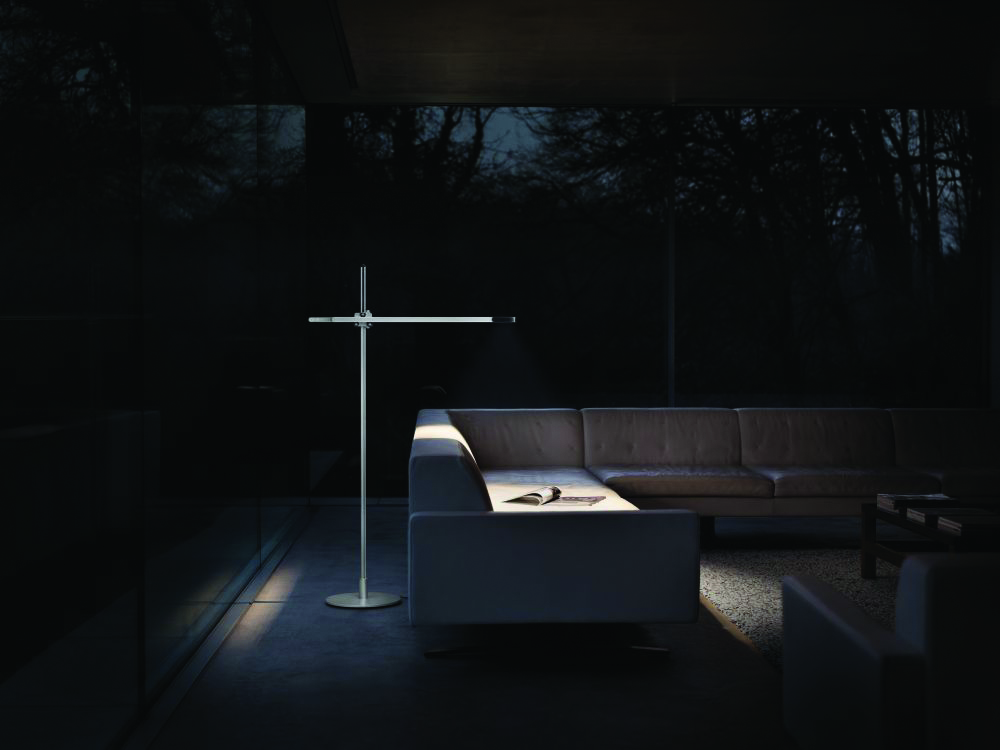
His lighting design – the end result of his thoughtful design process – stole the show. “When I started developing lighting, I asked myself three questions: Why were so many LED lights producing an unpleasant blue-ish light? Why were we seeing bulbs and fixtures quoting a lifetime of just 30,000-50,000 hours, when LED technology has the potential to last a lifetime? And why hadn’t light fixtures changed in design for more than 30 years – why were LEDs being placed in conventional fixtures that had been designed with incandescent or fluorescent bulbs in mind? Since starting my own lighting business in 2004, I dedicated myself to finding solutions to these problems,” he explains.
He is also looking towards the future with hopeful eyes: “One of the biggest shifts I would like to see in the lighting industry is an increased emphasis on the end user. Too many lighting products and schemes are designed to tick regulatory boxes – for example, to provide a certain amount of light on a surface or in a specified area – or are approached from a primarily aesthetic standpoint. Factors such as the type and quality of the light itself, and whether it’s suitable for the differing activities and individual needs of the end users, can be neglected. Increasingly, people are starting to recognise that light can even affect things like productivity and wellbeing.”
In addition to lighting engineering and design, Dyson was also clear about the continued importance of digital motors – a common denominator in many of his company’s products.
“Digital motors will continue to enable us to enter new categories, for example as we will do with the battery electric vehicle that we will launch in a few years. Almost two decades ago my father decided that Dyson should develop its own motors, instead of relying on those produced by third parties. At the time people thought it was a crazy decision but, thanks to the intensive research and development that followed, we now have some of the world’s smallest yet fastest electric motors,” he says.
But the highlight of the event was the announcement of the prestigious James Dyson Award, launching in the UAE this year. Officially launched at the upcoming UAE Innovation Month, it celebrates this message by encouraging the next generation of design engineers. The award currently runs in 23 countries, and the launch in the UAE is the first in an Arab country.
His advice to young designers: “Have conviction in your ideas and be unafraid to seek advice and guidance from those who have already established themselves and gone through the process of bringing an idea to fruition.”
Dyson’s future reflects his ability to surprise and amaze consumers – and himself. “We’ll continue to reinvent existing products and we’ll almost certainly have launched some products that have never been seen before. We’re not afraid to disrupt our status quo and iterate on our existing products.”
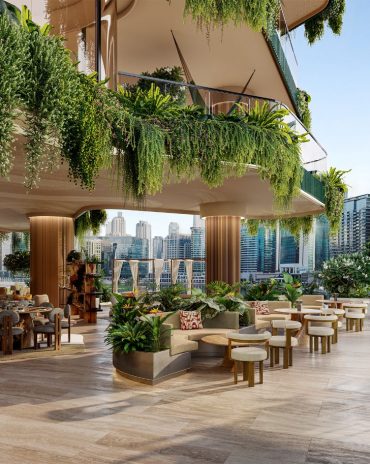
Mihir Sanganee, Chief Strategy Officer and Co-Founder at Designsmith shares the journey behind shaping the interior fitout of this regenerative design project
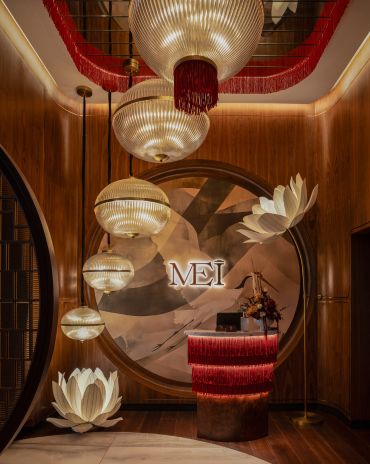
Where heritage meets modern design.
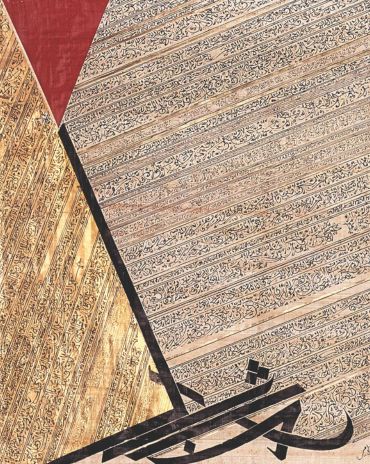
Taking place at the Bassam Freiha Art Foundation until 25 January 2026, this landmark exhibition features Nja Mahdaoui, one of the most influential figures in Arab modern art
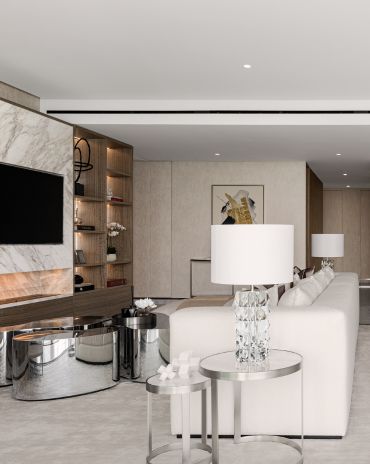
This home, designed by Blush International at the Atlantis The Royal Residences, perfectly balances practicality and beauty
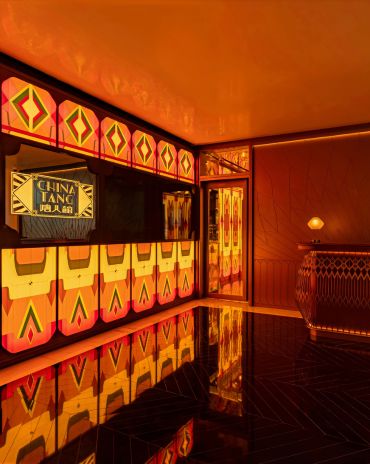
Heritage aesthetics redefined through scale, texture, and vision.
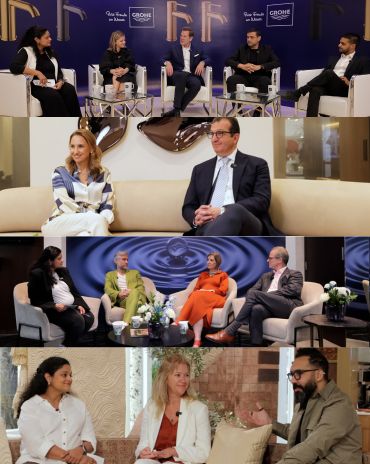
The identity team were actively involved in Dubai Design Week and Downtown Design, capturing collaborations and taking part in key dialogues with the industry. Here’s an overview.
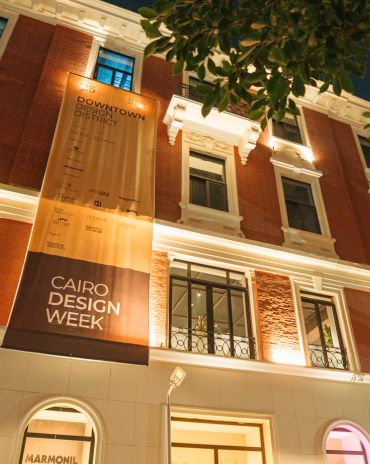
Art, architecture, and culture shaped up this year's Cairo Design Week.
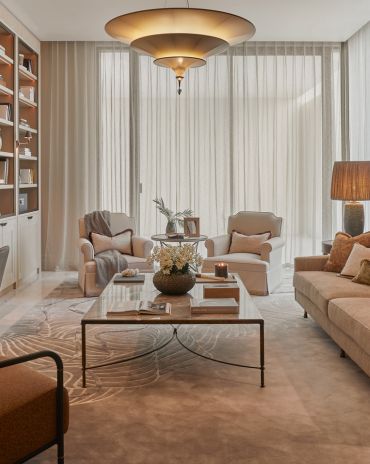
Sophie Paterson Interiors brings a refined, contemporary sensibility to a family home in Oman, blending soft luxury with subtle nods to local heritage
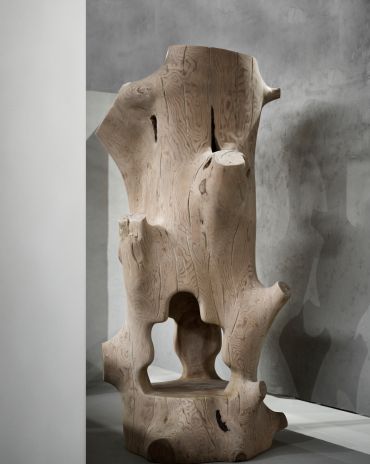
Maison&Objet Paris returns from 15 to 19 January 2026 under the banner of excellence and savoir-faire
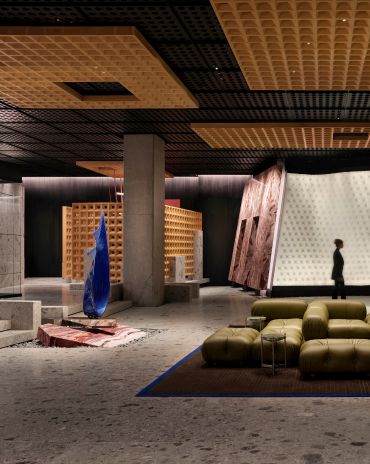
Designed by Wangan Studio, this avant-garde space, dedicated to care, feels like a contemporary art gallery
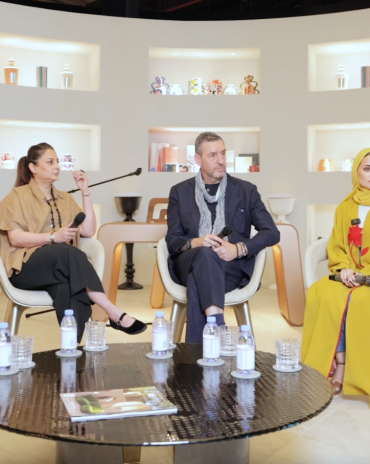
identity gathered for a conversation on 'The Art of Design - Curation and Storytelling'.
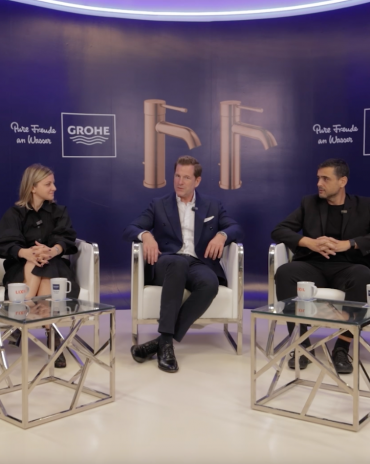
identity hosted a panel in collaboration with GROHE.