




The automotive brand celebrates almost seven decades of its success and ingenuity.



In 1947, Rover found itself in a difficult position. Its original factory had been severely damaged by bombs in World War II, the luxury cars it was previously known for producing were not in demand, and raw materials were strictly rationed.
To restart car production and to secure materials, the company needed a new product that would bring in cash and export orders. Maurice Wilks, Rover’s chief designer, drew up a plan to make a car that, like his own army-surplus Jeep, could be used in almost all terrains – but with farmers and utility companies as target customers.
The new model was intended to be in production for just two or three years – but when Rover began car production it found those models were outsold by the Land Rover.
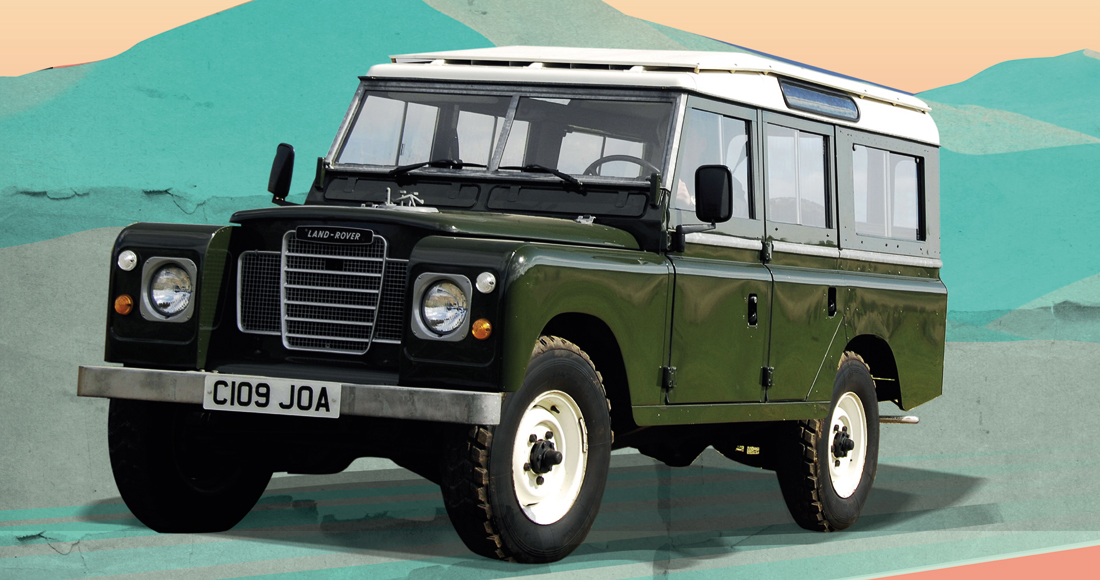
‘Fit for purpose’ is a phrase that describes the original Land Rover perfectly, though many of its features were dictated by the economic realities of the time.
Lightweight and resistant to corrosion, the aluminium alloy bodywork was chosen because of steel shortages. The distinctive, simple shape allowed panels to be formed by hand – reducing tooling costs – and the chassis was designed to make welding operations less complex.
In April 1948 the Land Rover was launched at the Amsterdam Motor Show, and it immediately proved popular. Though equipped with a four wheel-drive system, the vehicle was very basic, with even a roof or tops for the doors costing extra.
Soon, more versions were offered, and over the years buyers have been able to choose from station wagons with seating for up to 12 people, pickups, military models and a raft of engine options. The Land Rover’s appearance has also evolved gently over time: a slightly softer ‘waist’ was introduced, the headlights have moved from the radiator grille to the wings; but a Land Rover has always been instantly recognisable as a Land Rover.
The car only got a proper model name, Defender, in 1990 – after more than four decades in production! – when the arrival of the ‘lifestyle’-orientated Discovery made range differentiation necessary.
In January 2016, after 67 years of continuous production, the last Defender left the factory. Like the Jeep before it, the Land Rover became synonymous with an entire genre of vehicle and resulted in a new brand that continues to draw on the heritage of the original.
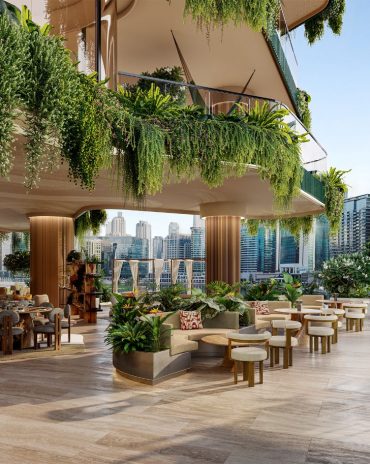
Mihir Sanganee, Chief Strategy Officer and Co-Founder at Designsmith shares the journey behind shaping the interior fitout of this regenerative design project
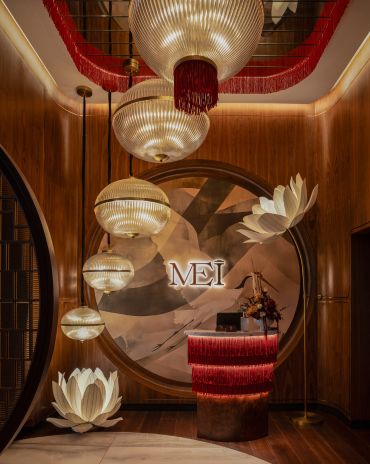
Where heritage meets modern design.
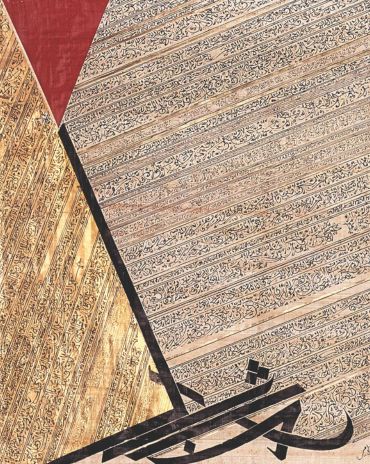
Taking place at the Bassam Freiha Art Foundation until 25 January 2026, this landmark exhibition features Nja Mahdaoui, one of the most influential figures in Arab modern art
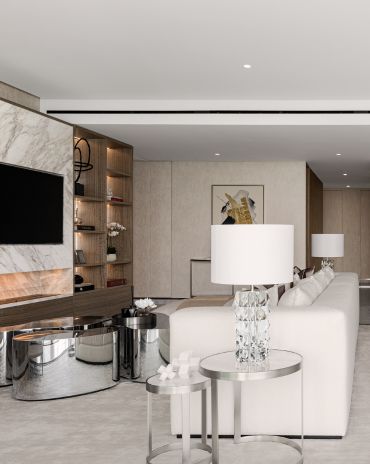
This home, designed by Blush International at the Atlantis The Royal Residences, perfectly balances practicality and beauty
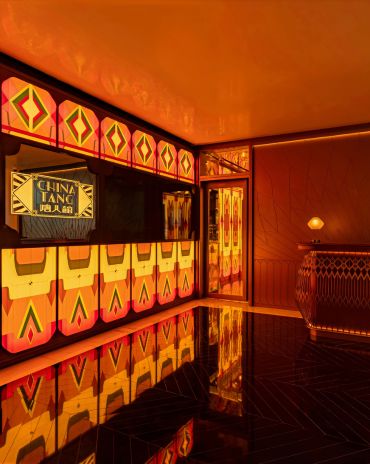
Heritage aesthetics redefined through scale, texture, and vision.

The identity team were actively involved in Dubai Design Week and Downtown Design, capturing collaborations and taking part in key dialogues with the industry. Here’s an overview.
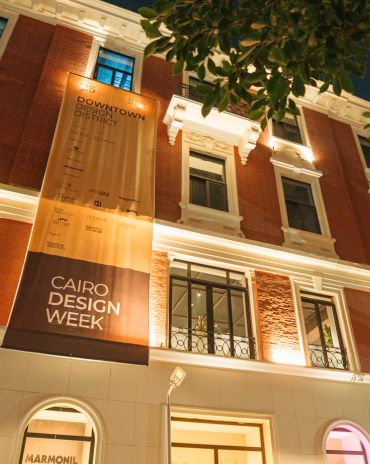
Art, architecture, and culture shaped up this year's Cairo Design Week.
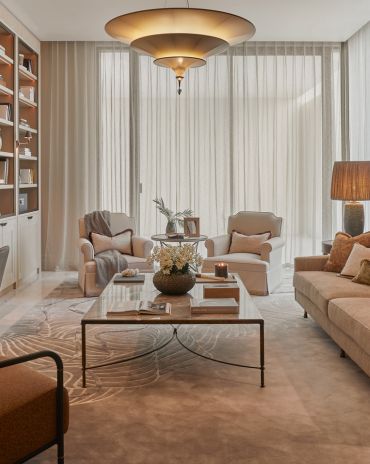
Sophie Paterson Interiors brings a refined, contemporary sensibility to a family home in Oman, blending soft luxury with subtle nods to local heritage
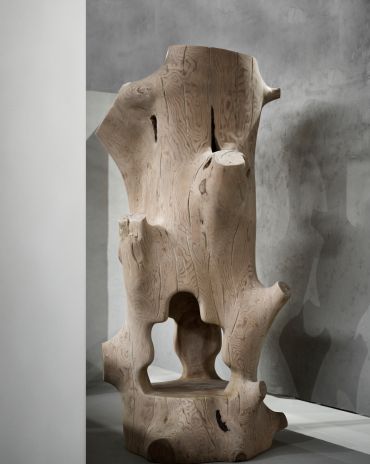
Maison&Objet Paris returns from 15 to 19 January 2026 under the banner of excellence and savoir-faire
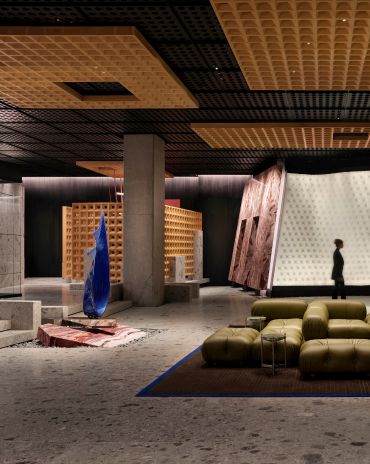
Designed by Wangan Studio, this avant-garde space, dedicated to care, feels like a contemporary art gallery

identity gathered for a conversation on 'The Art of Design - Curation and Storytelling'.
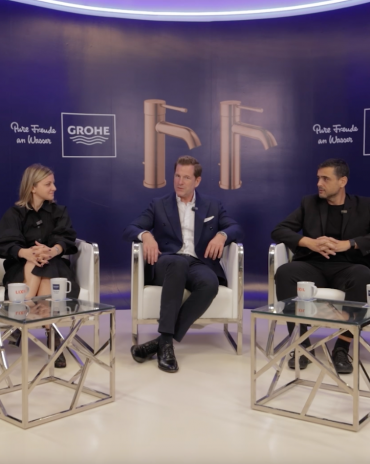
identity hosted a panel in collaboration with GROHE.