




Inside the philosophy, collaboration, and vision behind the Equestrian Library and Saddle Workshop.
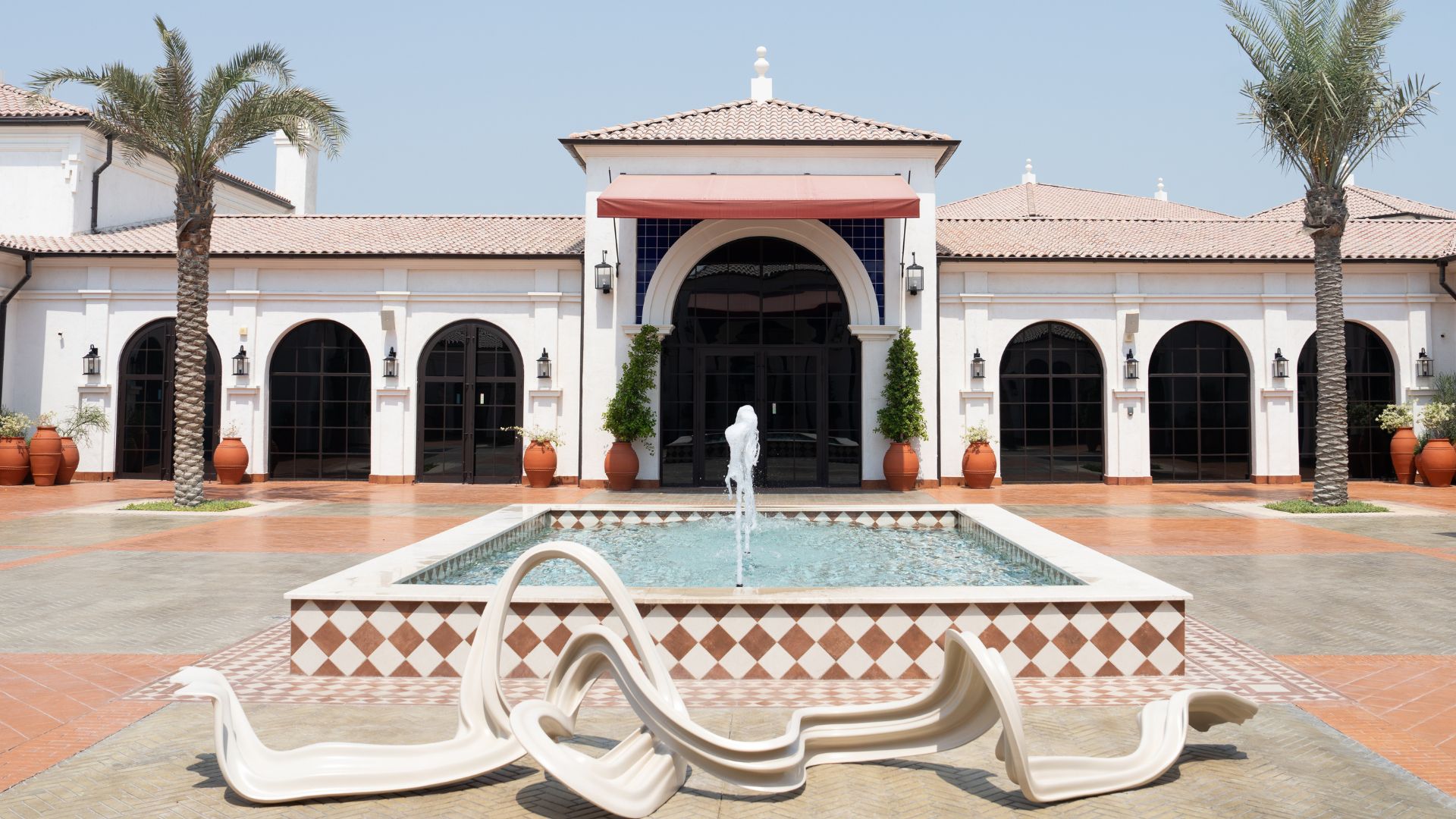



David/Nicolas speaks about the equestrian library and saddle workshop, it quickly becomes apparent that they are describing more than architecture. Every material, curve, and light-filled corner is a deliberate expression of Abu Dhabi’s equestrian heritage, crafted to balance tradition with contemporary sensibilities. For the duo, the spaces are living stories, designed to engage visitors with history, craft, and ritual while maintaining a sense of calm and precision. In this interview, David/Nicolas reveal the philosophy behind their design, the collaborative journey that shaped it, and the enduring narrative woven into every detail of these remarkable cultural spaces.
Designing for Abu Dhabi Royal Equestrian Arts (ADREA) meant engaging with a cultural identity that is both deeply rooted and very much alive. For the library and the saddle workshop, we wanted the spaces to embody Emirati tradition, especially the equestrian heritage that remains a true way of life. We drew from the cultural references that define the region: Middle Eastern craftsmanship, material sensibilities, and the rituals surrounding horsemanship. Together, these elements formed an authentic and grounded vocabulary that guided the project.
From there, the challenge and the opportunity was to bring this richness into conversation with our own contemporary design language. Our aim was to honor tradition while keeping the spaces fresh, precise, and modern. This interplay between local culture and our design became the foundation of both the library and the saddle workshop.
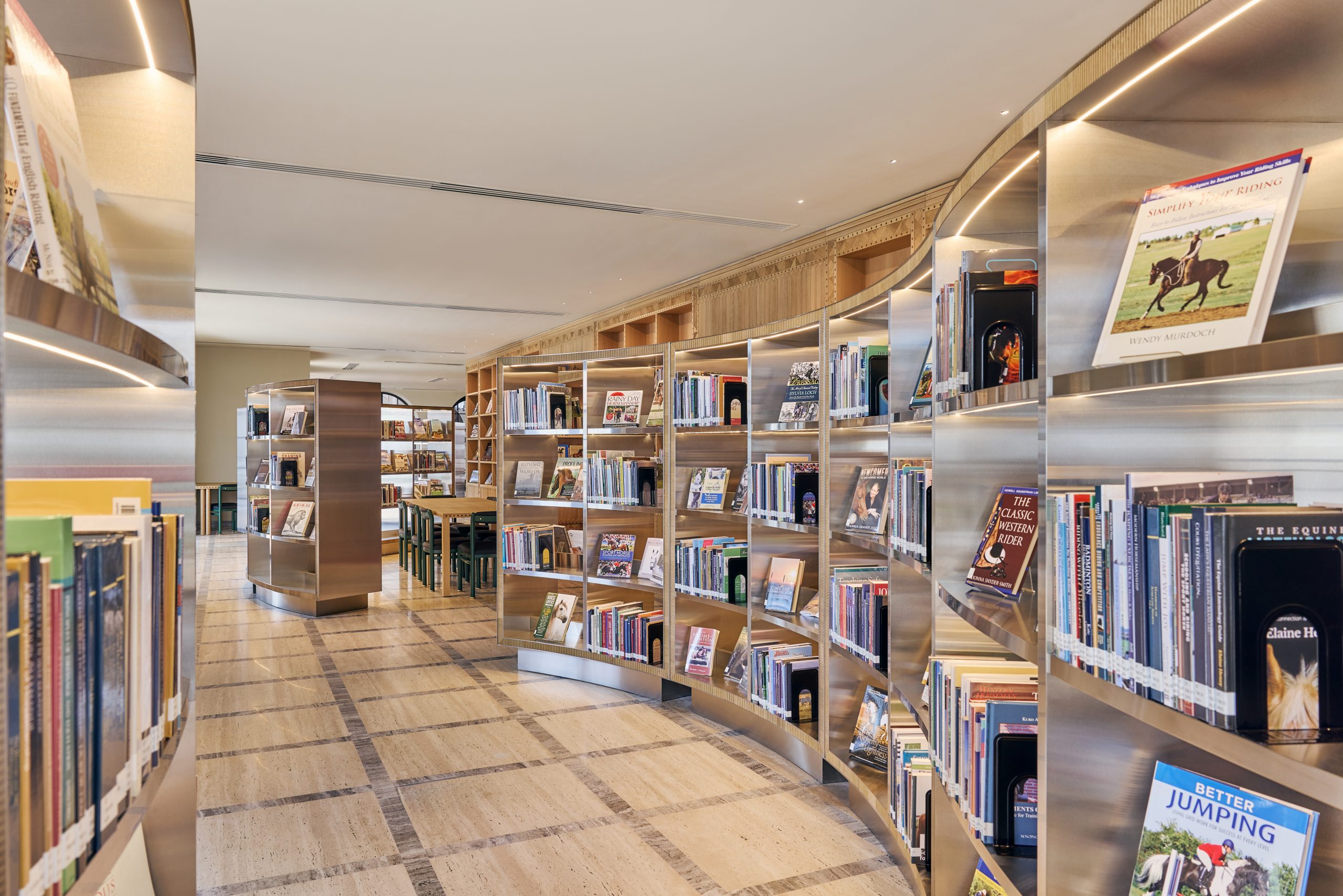
For us the emotion is serenity. We wanted the library to create a pause, a moment where everything settles and you can simply be surrounded by the textures and the craft of the space.
Power comes through the precision and honesty of the craftsmanship, while the more poetic side comes from the curves, the light, and the softness of the space. In the Library, the curved bookshelves create a sense of steady movement, echoing the motion of a horse. In the Saddle Workshop, the raw presence of leather, brass, and hand tools brings a tangible strength, and the careful detailing adds a quieter, more refined layer.
We imagine a place where visitors of all ages feel welcomed to wander, to sit, and to learn. It is not a silent monument but rather a space where culture is experienced in a very tactile way. People will feel the warmth of the woodwork, discover the storytelling inside the displays, and understand equestrian heritage through design as well as through explanation.
Our collaboration is built on constant conversation. We challenge each other, we question ideas, and we always bring our different perspectives to the table. One of us may focus on proportion and structure, while the other pushes the emotional or narrative layer. The flow comes from this back and forth. We never design as two separate voices but as one voice shaped by dialogue.
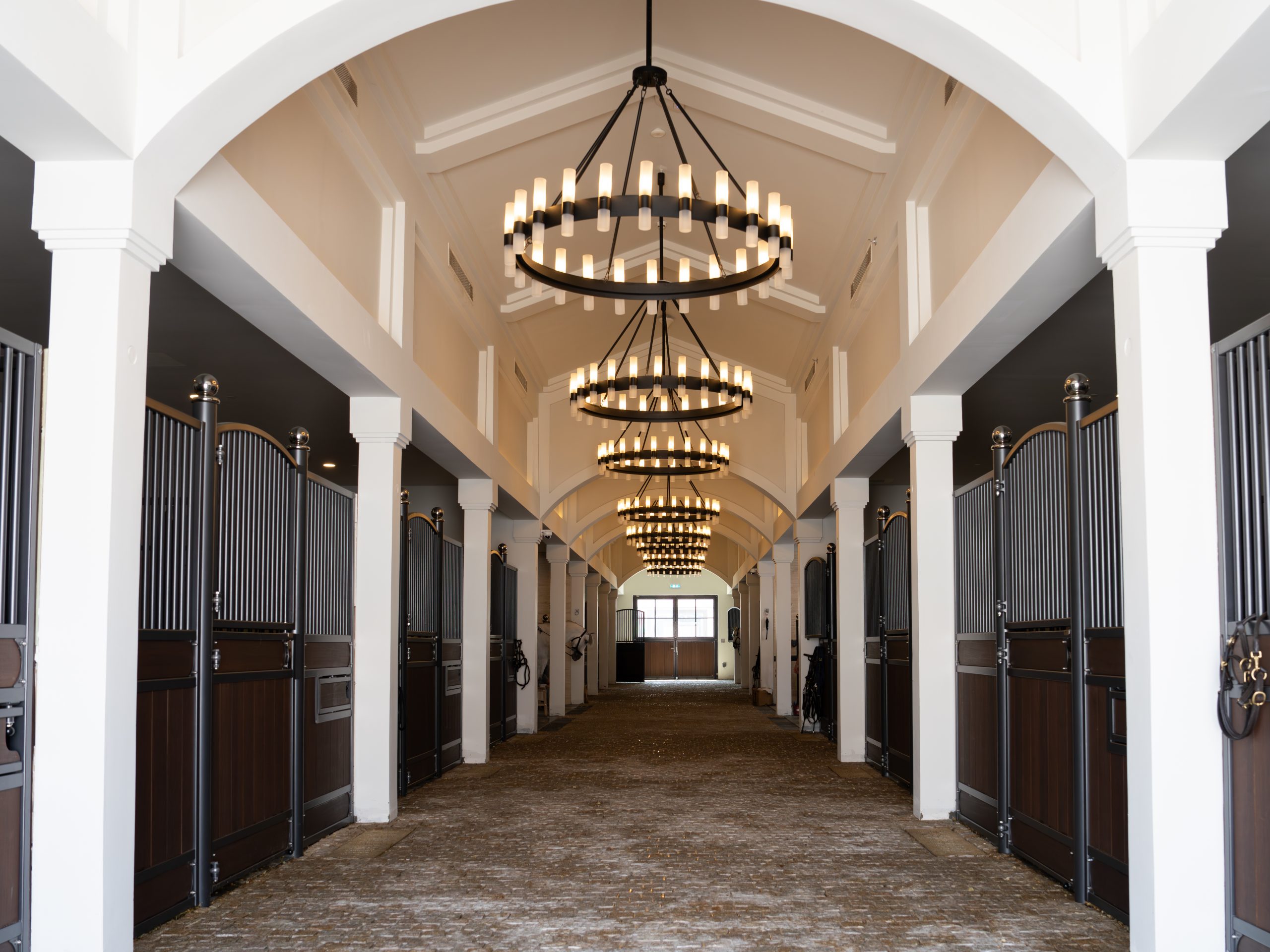
We always begin with the feeling. The atmosphere comes first. For this project, the feeling was warmth and groundedness. We then choose materials that carry that emotion. In Abu Dhabi, it was natural woods, earthy tones, and textures that feel connected to the landscape. When the materiality is right, the aesthetic language follows naturally.
The Children’s area is simply part of the main library. We did not create a separate world for it. We kept the same atmosphere, the same materials, and the same design language. The only adjustment was the scale of the furniture, so children can sit, read, and move comfortably. This way the space feels welcoming for them while remaining fully coherent with the rest of the library.
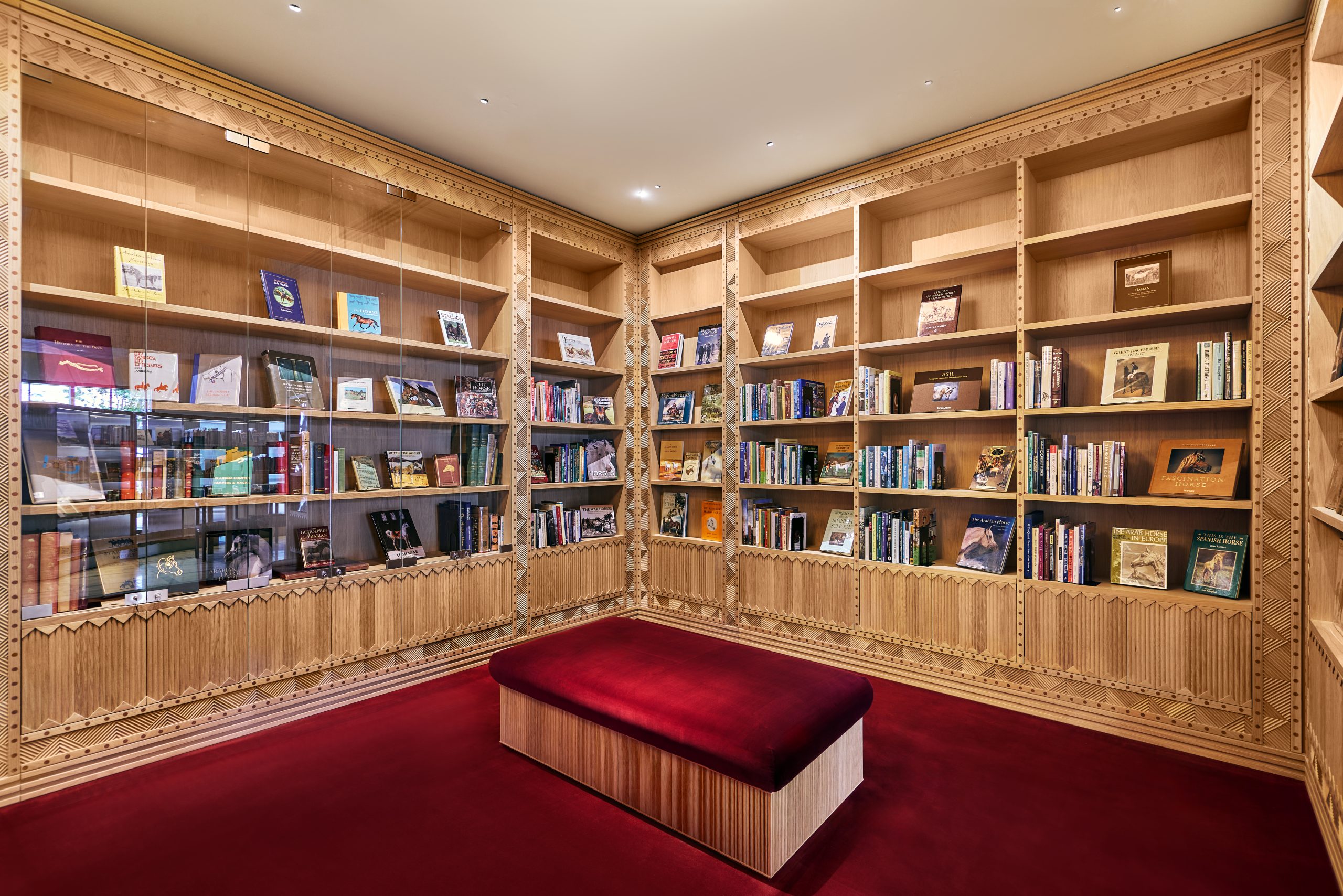
We were inspired by the continuous motion of a horse. There is a fluidity in the way the bookshelves curve and the way the space guides you through different narratives. We also brought in materials that echo the world of the stables such as wood, metal & leather.
The main challenge was scale. The collection is extraordinary, and it requires a space that is both practical and respectful. We focused on creating a flexible architecture where displays can evolve, where lighting can adapt, and where circulation always feels natural even during events. The challenge became an opportunity to design something living rather than static
We hope the project will stand as a tribute to craftsmanship and cultural continuity. If the space continues to inspire curiosity, to celebrate the equestrian heritage of Abu Dhabi, and to show how traditional craft can live inside contemporary design, then we will feel that the legacy is complete. It is a project very close to our hearts because it brought together artisans, stories, and a place that deserves architectural care.
Inside the philosophy, collaboration, and vision behind the Equestrian Library and Saddle Workshop.
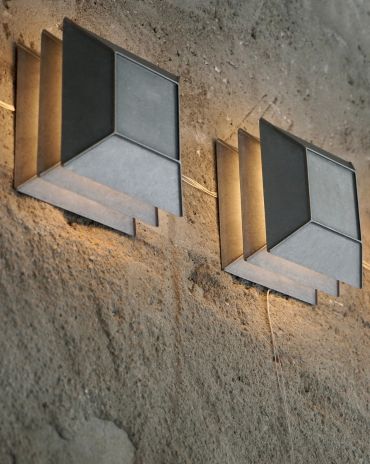
Mario Tsai takes us behind the making of his iconic piece – the Pagoda
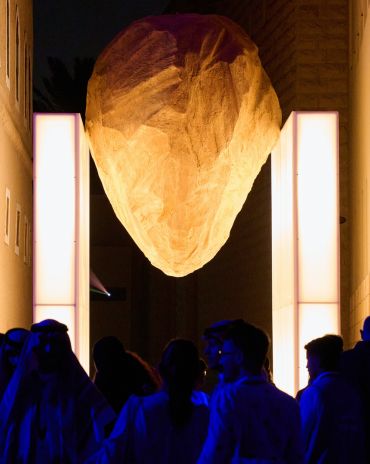
Between raw stone and responsive light, Riyadh steps into a space shaped by memory and momentum.

Qasr Bin Kadsa in Baljurashi, Al-Baha, Saudi Arabia will be restored and reimagined as a boutique heritage hotel
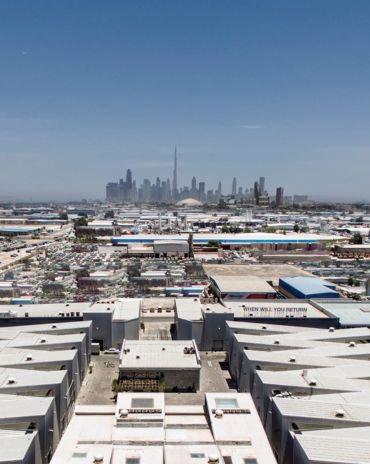
Alserkal and Design Miami announce one of a kind collaboration.
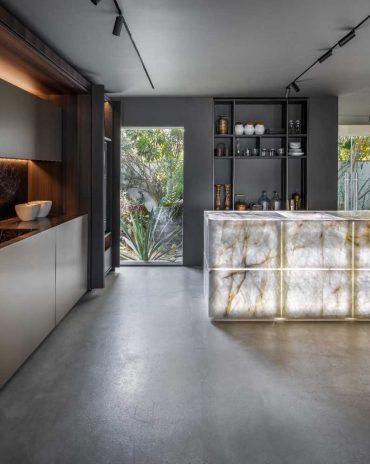
The brand will showcase its novelties at the Purity showroom in Dubai
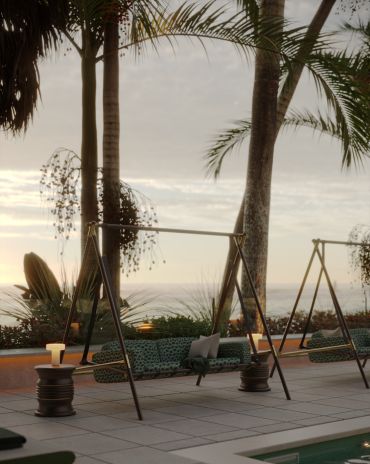
Fady Friberg has created a space that unites more than 70 brands under one roof, fostering community connection while delivering an experience unlike any other
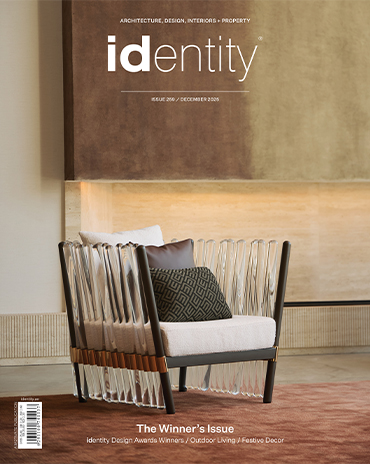
Read the December issue now.
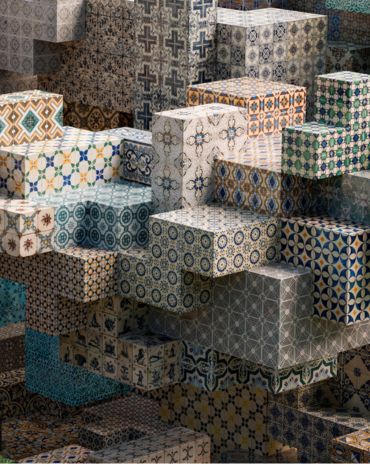
The unveils new sections and global collaborations under new Director Dunja Gottweis.
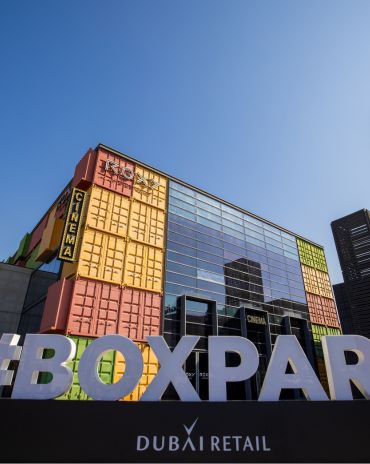
A vibrant tribute to Emirati creativity.
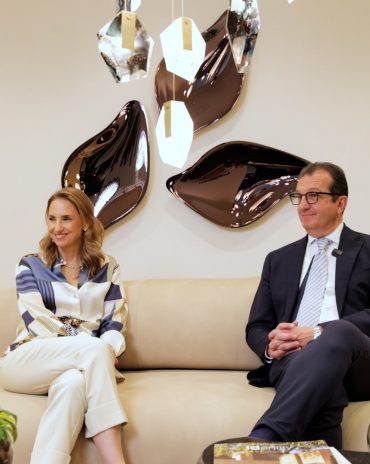
We caught up with Karine Obegi, CEO of OBEGI Home and Mauro Nastri, Global Export Manager of Italian brand Porada, at their collaborative stand in Downtown Design.
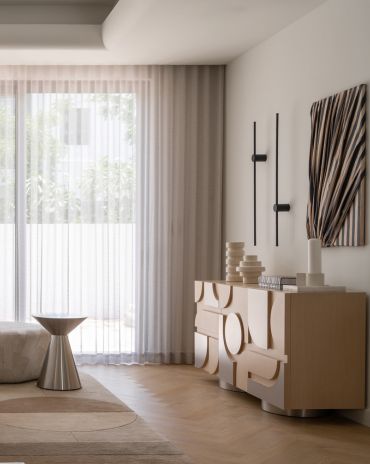
This home in Dubai Hills Estate balances sculptural minimalism with everyday ease