




As the future becomes ever more difficult to predict, leading designers consider some of the biggest changes taking place in the region and beyond, and what this means for us all



The world is changing more quickly than ever, and our realm of design and architecture is no exception, with technology often at the forefront of discussions. Mohammed Adib is Chief Design Officer at UAE-headquartered Dewan Architects & Engineers; he states, “We are currently at a crossroads in design, and I think the basis of the advantages and disadvantages of AI in design will unfold during this coming year. I truly hope that in the foreseeable future we will be able to optimise design production processes through AI and dedicate more time to creative BI (Biological intelligence) processes.”
Agata Kurzela, founder of her eponymous studio in Dubai, agrees, adding that technology will be integrated into design thinking, production and everyday use. “AI, automation and data-driven tools will become part of common workflows, from concept generation to documentation and fabrication. This integration will be largely invisible and taken for granted. For many, the challenge will no longer be access to technology but judgement in its application.”
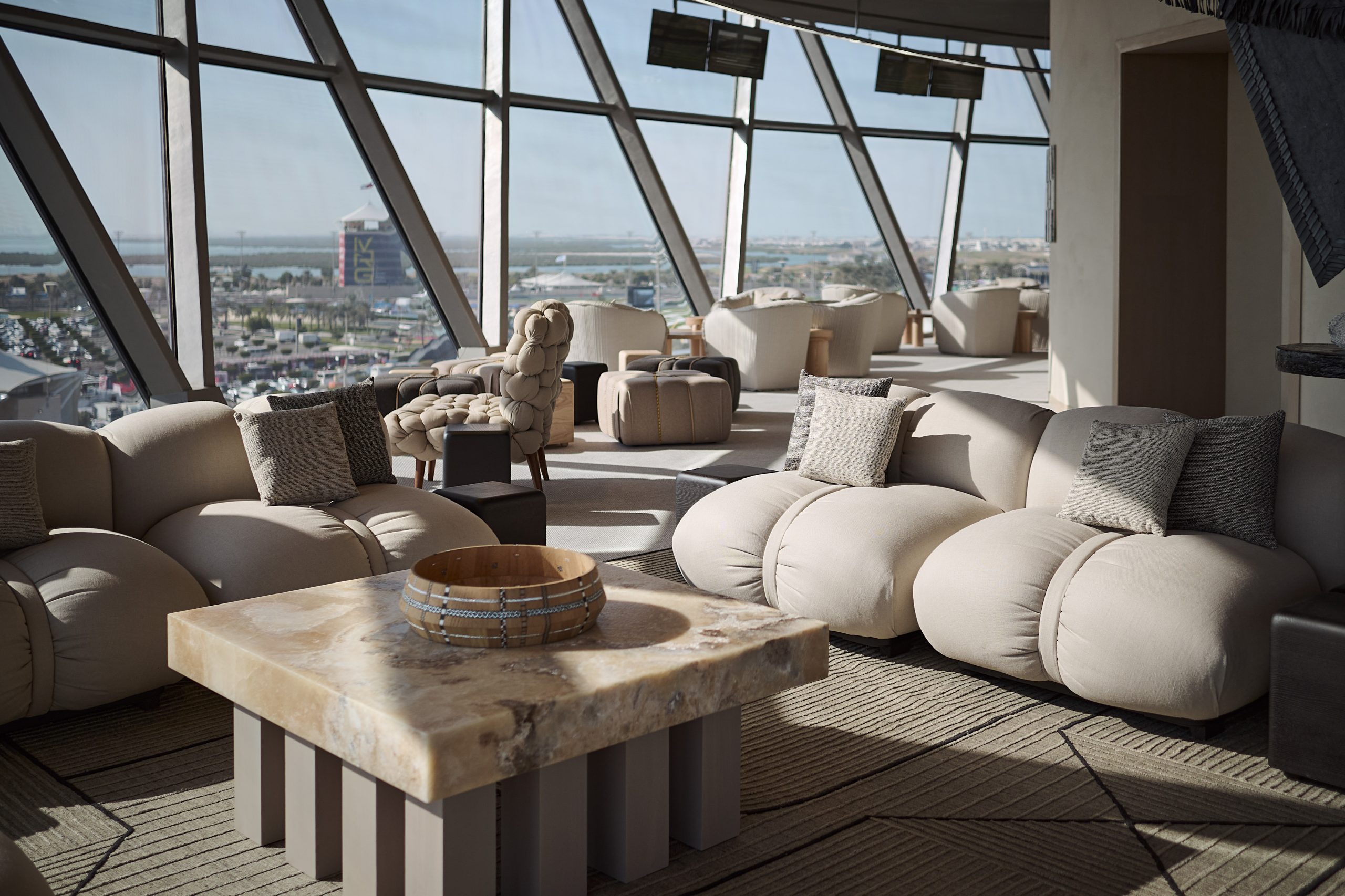
The idea that technology is most beneficial when it forms an invisible layer is shared by Bani Singh, founder of Dubai-based Grounded Design, who says: “Technology continues to accelerate, but the best design hides the complexity. AI, parametric tools and digital modelling are everywhere, yet the most sophisticated outcomes feel tactile, human and restrained. Designers should interpret technology, not celebrate it. In the next five years, AI should evolve into a collaborator, with designers curating, editing and applying judgment rather than generating endlessly. Two decades from now, design briefs will be informed by data analysing social mood and environmental pressure, while spaces can respond dynamically to human behaviour through light, sound and temperature.” There is a flip-side to technology, says Singh: “Clients increasingly conduct their own research. Platforms and generative tools make discovery faster while shaping preferences at the same time. This makes education harder rather than easier. Designers now work against pre-formed opinions driven by algorithms. Their role shifts toward editing, filtering and applying judgement where technology accelerates choice but does not evaluate quality. Clients expect designers to interpret technology, not worship it.”
The short-lived nature of trends often places them in opposition to long-term value, says Kurzela, who believes the design industry needs to make bigger steps forward, noting, “The industry faces a credibility gap. Highly visible failures, such as ‘sustainable structures’ dismantled shortly after completion of the recent Expo, and destined for firewood, expose the distance between narrative and lifecycle reality. In the Middle East, where long-term operational costs are often passed to tenants, climate-responsive and circular design are still not embedded as standard practice. Sustainability must move from intention to implementation, with shared accountability between designers and clients – and perhaps a more prescriptive regulatory framework.”
“I truly hope that sustainability, circularity and ethics become norms – we need stringent legislation – and not guidelines in the near future,” says Adib. “We are way past the expiry date of our planet and the construction sector is still doing what is has always done, while being one of the main carbon-guzzling industries.” Singh echoes this sentiment, adding, “Designers must move from material selection to system design. Logistics, repair, afterlife and responsibility should become core to the brief, and ethics should become operational rather than aspirational. I hope that within the next five years sustainability stops being a differentiator and becomes assumed.”

Authenticity is something else Singh hopes to see more of in 2026, with design that’s reassuring rather than spectacular, and “less about impact and more about confidence. After years of volatility, clients are seeking spaces and objects that feel steady, trustworthy and emotionally grounding. Loud gestures are giving way to quiet assurance. In the Middle East, this shift is particularly evident. Ambition remains high, but there is a growing preference for work that feels timeless rather than attention-seeking. Calm is becoming a luxury.” She also believes that behaviour will become more important than storytelling: “Brands are increasingly judged by what they do, not what they say. Traceable materials, ethical labour, longevity, repairability and carbon awareness are no longer optional. Design becomes the visible proof of brand behaviour. Here, luxury is moving away from excess and toward intelligence. Clients are asking for things that last, not things that shout. In the future, I hope to see objects that evolve over time, with forms that subtly change and finishes that patinate by design, coupled to a backlash against constant ‘optimisation’.”
Kurzela notes that a stronger cultural scene across the GCC is emerging as a parallel generator of relevance: “Biennales, museums, art fairs and new institutions increasingly shape taste and legitimacy, providing slower, more credible reference points than social platforms.” This means that “cultural exchange now flows outward as much as inward. The global spread of phenomena such as Dubai chocolate and the adoption of Middle Eastern flavours across breakfast buffets at international hotel chains reflect a broader normalisation of regional culture. Food, recipes and spices travel easily; materials and cultural codes less so.” Singh concurs, adding, “The Middle East increasingly exports rather than imports culture. There is a confident blend of heritage, futurism and hospitality, with a clear preference for timelessness over trend-chasing. Global brands are being asked to localise deeply, not cosmetically. The region is becoming a testing ground for climate-responsive architecture, luxury sustainability and new public space typologies.”
The popularity of collaborations looks set to continue, but Singh and Kurzela agree that they will evolve and mature. Singh: “I expect to see fewer hype-driven pairings and more long-term partnerships based on shared values. Cross-disciplinary teams should become the norm, bringing together designers, scientists, technologists and sociologists.” Kurzela: “The focus is shifting from headline international partnerships to locally rooted, knowledge-driven alliances. Depth and long-term relevance are replacing visibility as the primary value.” As Adib notes, “Any collaboration is a healthy exercise, and can augment specialisation in certain aspects of design, as no one firm can cover all fields, which should further encourage specialisation.”
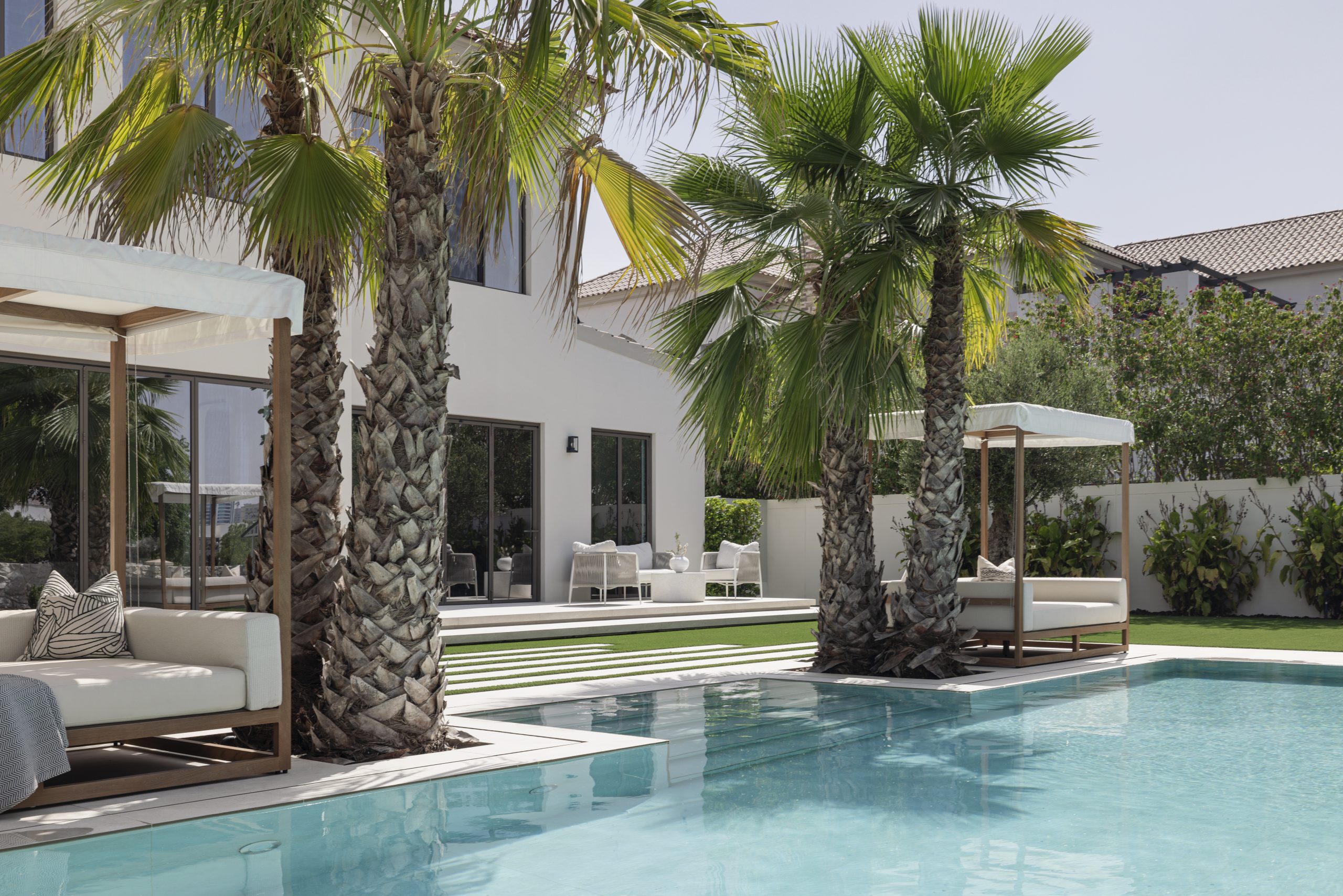
Even in turbulent times, opportunities will present themselves – especially in this region, says Kurzela, where its “density of capital, ambition and returning talent creates rare conditions for experimentation. The opportunity lies not in scale and capital accumulation alone, but in aligning scale with cultural intelligence.” Singh believes that budget pressure and risk awareness are sharpening design rather than diluting it. “Modular systems, adaptable spaces and fewer but better resolved elements are becoming standard. There is a renewed respect for function and clarity, almost a warmer form of modern pragmatism. In a region known for scale, this realism is encouraging smarter briefs and more disciplined outcomes.”
As has always been the case, good design will triumph, now and in the long-term. Adib states, “Design cannot be a trend; it should serve the user it is destined for or the culture it is intended to be placed in.” Singh agrees, adding, “Trends are not invented. They surface where pressure builds, through social anxiety, technological shifts, economic constraint and cultural aspiration. If you understand why things are changing, you can respond intelligently without chasing trends.” Kurzela takes a similar approach: “Rather than predicting aesthetics, it’s more reliable approach to observe values – what is being cherished and valued, what is being questioned or no longer acceptable. In the GCC, these signals tend to surface early, often making the region a preview of what is to come, if not an incubator of new ideas.”
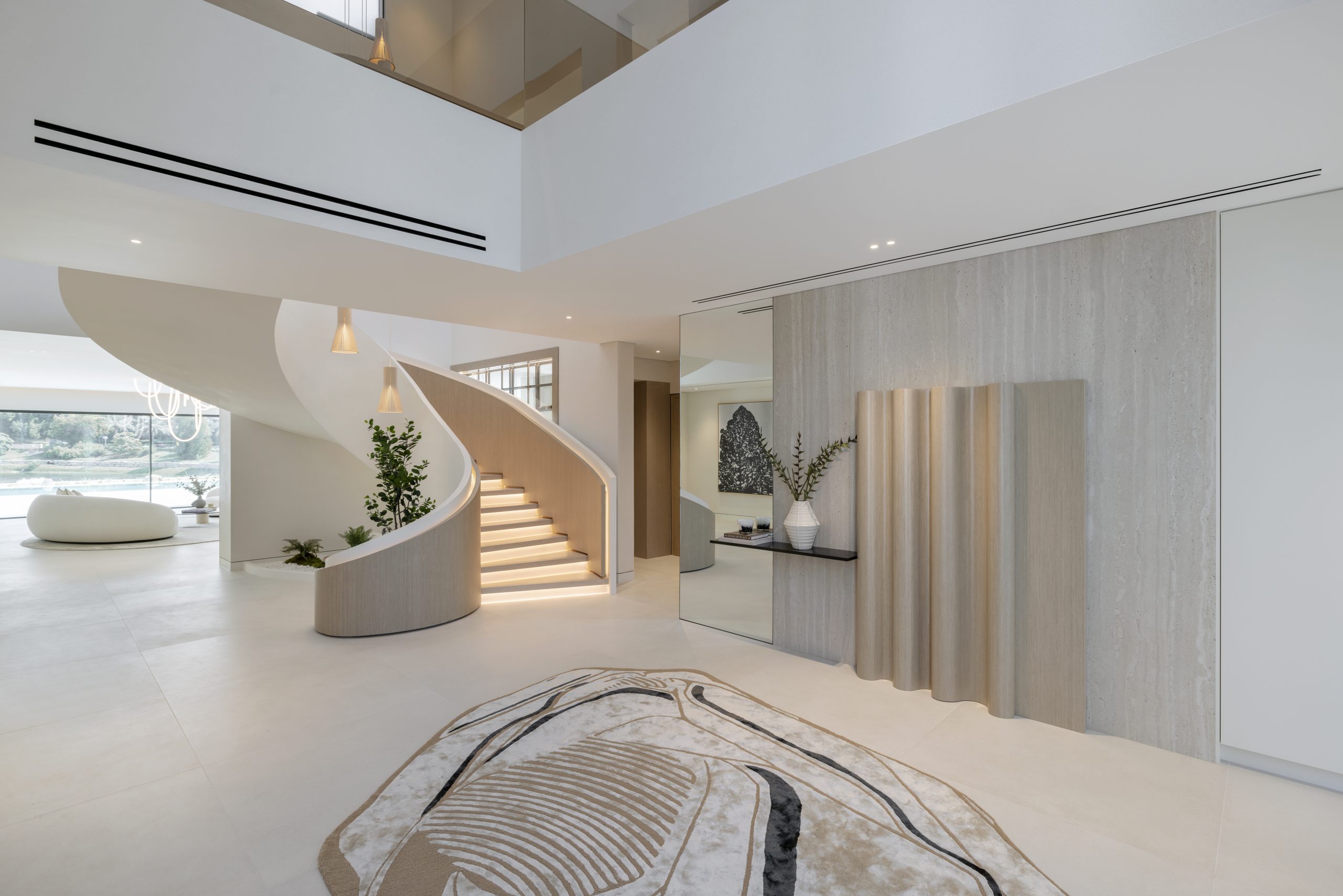
Perhaps the last word should go to Singh, who wisely states, “Good designers do not predict the future. They design things that still make sense when it arrives.”
Jason Burnside, Managing Director, Godwin Austen Johnson (GAJ)
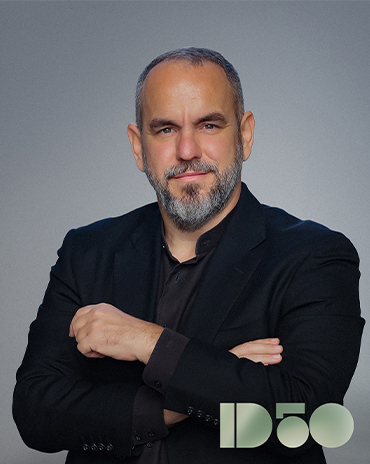
Meet Ignacio Gomez, Global Design Principal, Aedas
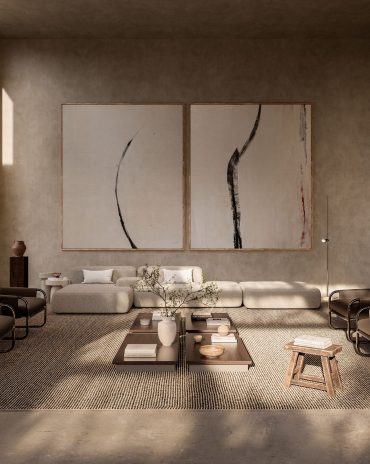
LEMA's brand identity evolves with the creative direction of A++ Group
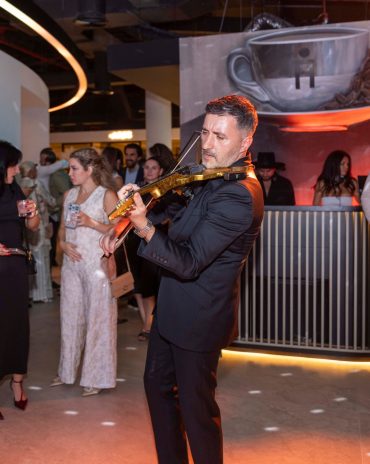
identity celebrated the id50 with IF HUB at their showroom
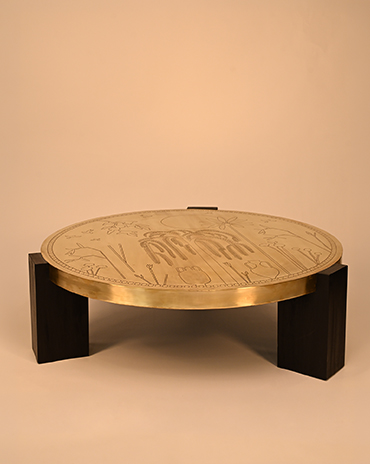
id most wanted for July/August 2026

identity is excited to announce its 12th annual identity Design Awards 2026
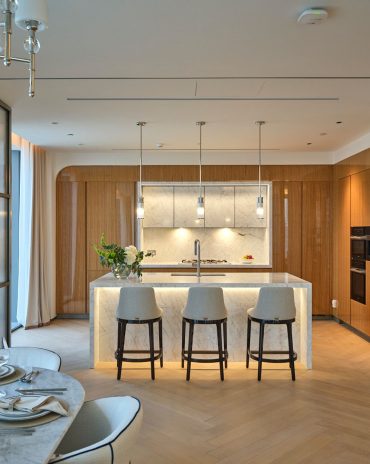
Poliform Blends Seamlessly with this Branded Residence
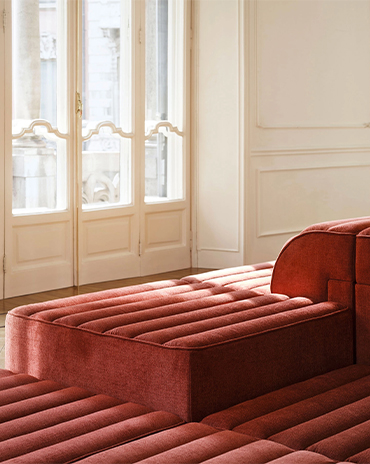
Bold, tactile pieces with raw material honesty
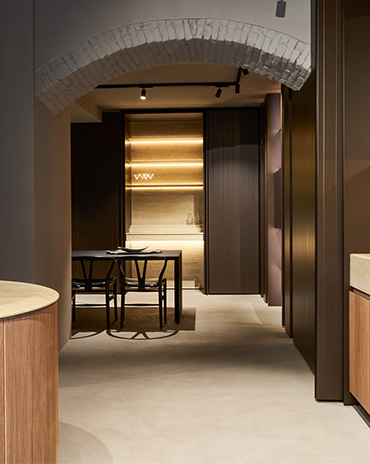
The Cut arrives at IF HUB, offering a new perspective on kitchen design through its focus on materiality, craftsmanship and sensory experiences
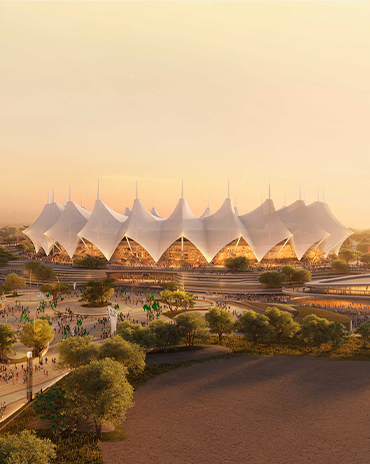
Opened in 1987, the King Fahad Sports City Stadium in Riyadh is undergoing a major renovation designed by Populous to transform it into a state-of-the-art venue for the 2034 FIFA World Cup
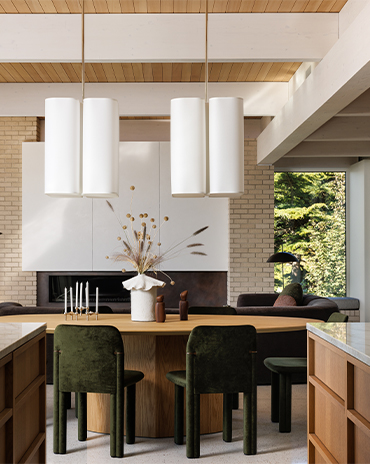
This cliffside West Coast residence is a thoughtfully layered response to a practical, mid-century-inspired architectural framework, shaped to reflect the lives and values of the people who call it home
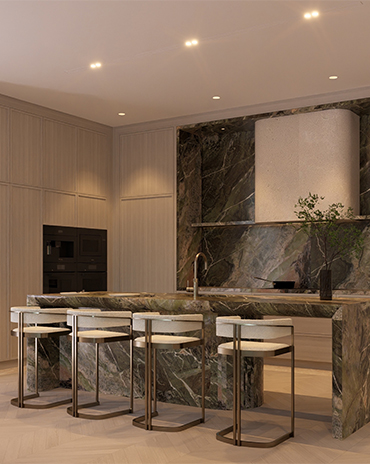
West One transforms a villa in Jumeirah Golf Estates that maximises its view of the sunset