




We take you into the design story of the much-awaited Emirati hospitality concept which blends culture, sustainability and collaborative design



Set within a building that dates from 1987, ‘Gerbou’ signifies ‘welcome to my humble abode’ in the UAE dialect, reflecting its inviting atmosphere, while its farm-to-table concept, relying on fresh organic produce from UAE farms, underscores its environmentally conscious ethos. Founded by Sheikha Lateefa bint Maktoum, with interiors spearheaded by Kristina Zanic Consultants, Gerbou blends Emirati fusion cuisine with design inspired by local culture.
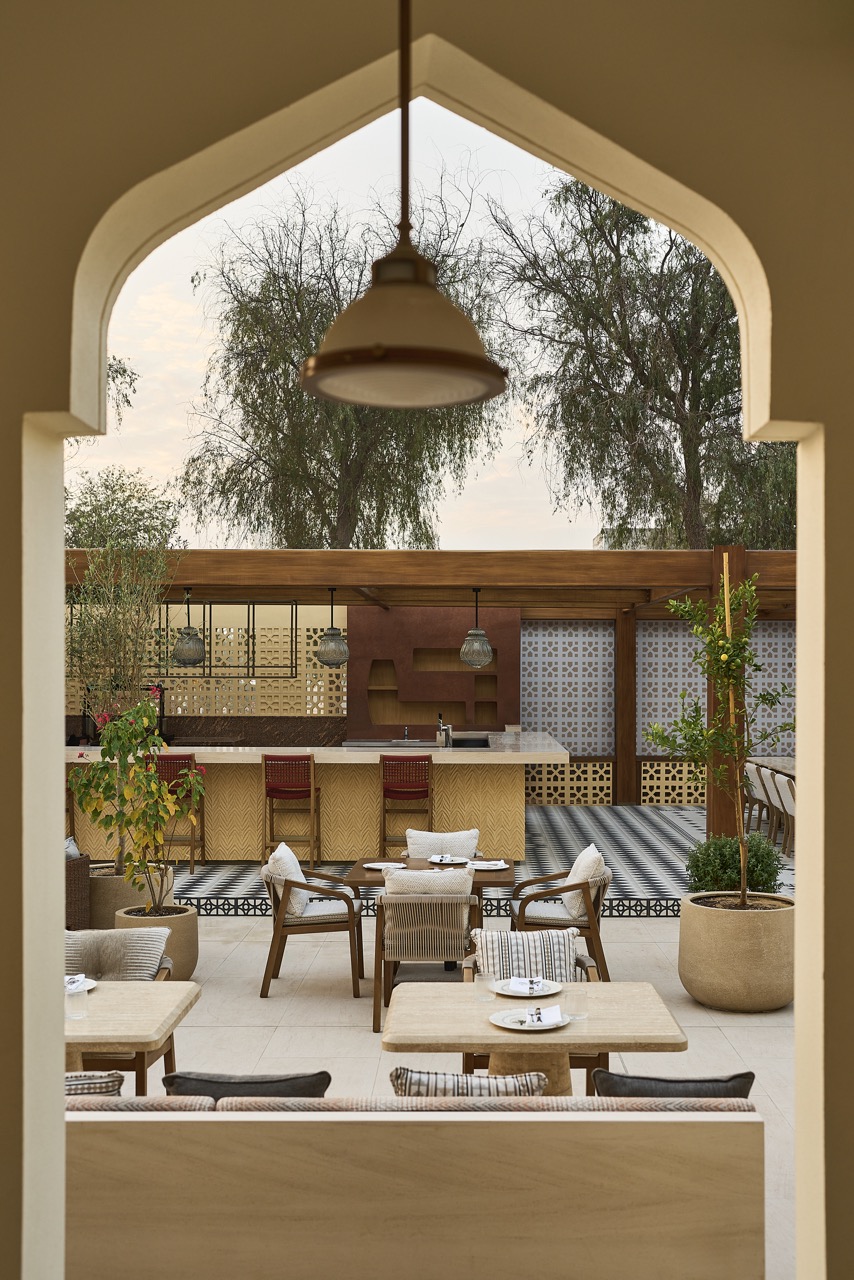
Details like the heritage ‘Dubai Pattern’ breeze block behind the bar, reminiscent of traditional vernacular architecture, lend an authentic and nostalgic touch
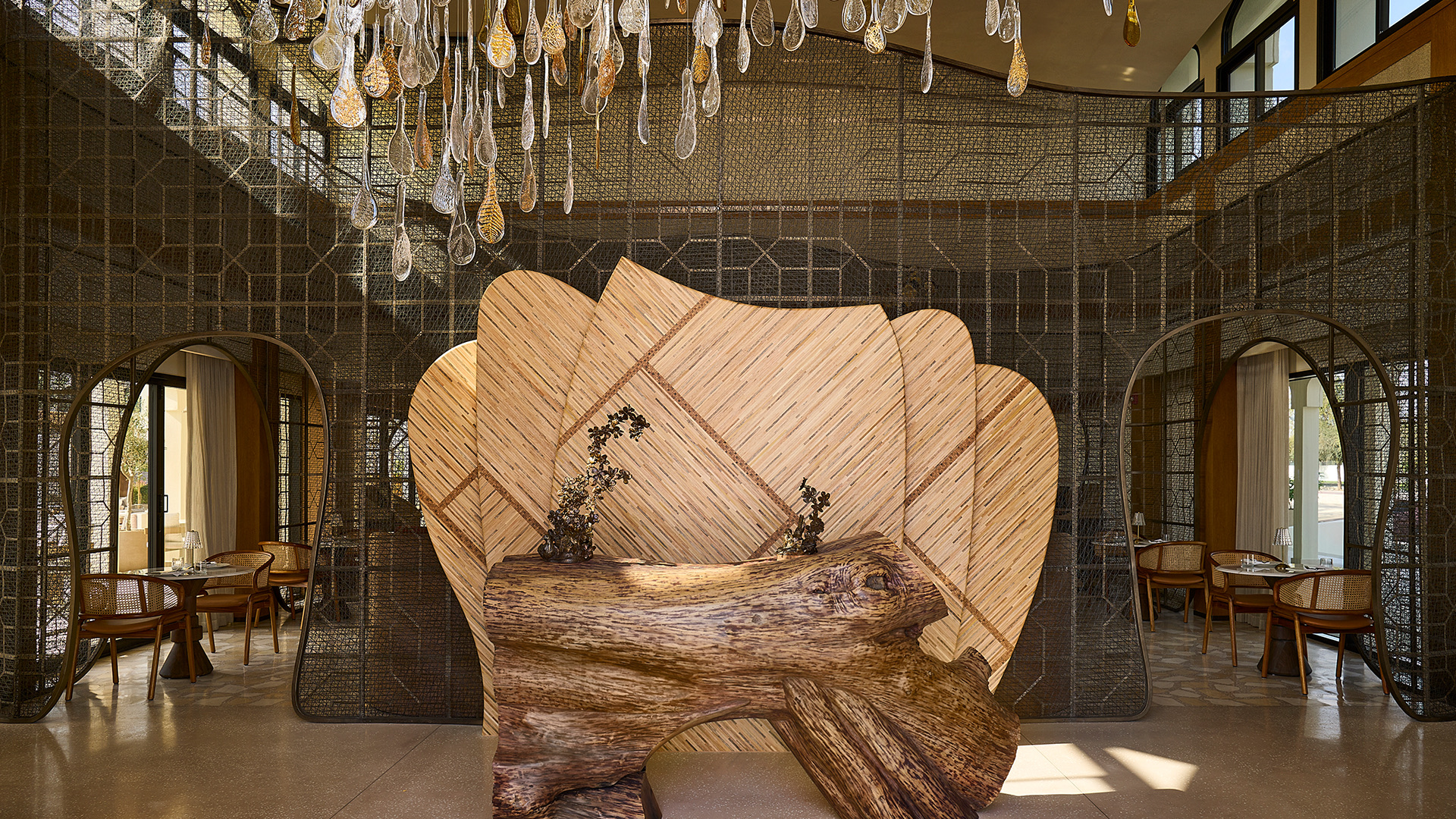
The restaurant is operated by Atelier House Hospitality and owned by Tashkeel, a commercial consultancy founded and directed by Lateefa bint Maktoum, with studio incubators for visual art and design rooted in the UAE. Key local partners in the project include architects Arkiteknik International, fit-out firm KOJ Interiors and landscaping specialists Urban Landscape. “Gerbou would be a dream project for any designer,” said Kristina Zanic, CEO of Kristina Zanic Consultants. “It’s a harmonious blend of culture, cuisine and conscious design. Collaborating with Tashkeel and the talented local designers allowed us to reimagine local heritage in a contemporary way and to give visitors an authentic taste of Emirati hospitality.” Drawing inspiration from traditional crafts, local flora and fauna and the UAE’s maritime history, the design integrates artisanal details, sustainable materials and modern craftsmanship. The restaurant stands apart not only for its design but for showcasing the power of collaboration, with various bespoke design pieces crafted in partnership with the Tashkeel design community and other local designers. “Gerbou is a testament to the power of collaboration – where design, craftsmanship and gastronomy come together to create an experience deeply rooted in the UAE’s cultural identity,” said Lateefa bint Maktoum, Tashkeel’s Founder and Director. “Tashkeel’s collaboration with Atelier House Hospitality and Kristina Zanic Consultants has culminated in a space infused with artistry through researched culinary arts and design that speaks to heritage while embracing contemporary innovation. This partnership reflects our ongoing commitment to championing local talent and materials, ensuring that every element tells a story of authenticity and contemporary heritage.” The interiors are characterised by a harmonious blend of natural materials, brushed metallic accents and tactile finishes. Fluid forms and locally inspired patterns combine with warm neutral tones accented by rich hues of amber, emerald and teal. Special attention was given to ensuring a seamless flow between indoor and outdoor spaces, which are unified by a consistent aesthetic. Guests are greeted in a striking double-height foyer, with arched windows letting in a soft, natural light. The reception desk, crafted from a naturally fallen ghaf tree trunk, sets the tone, alongside a dramatic PlyPalm screen – created by local designer Lina Ghalib from dried palm branches. The ghaf tree had fallen during the storm last year in front of Lateefa Bint Maktoum’s late father’s majlis. “This tree has seen generations, from Sheikh Zayed to international visitors to the local community. This tree has seen people come in and out of that majlis. People who needed things, people who just wanted diplomatic relationships. This tree, actually, was part of the welcoming where my father used to sit. It used to welcome people and so had to be at the front desk. It was meant to be,” she says. A chandelier from Lasvit’s Herbarium collection completes the scene, featuring hand-blown crystal with gold-leaf imprints of leaves. The foyer also showcases a cocoon-like sculptural mesh enclosure inspired by traditional fishing nets, featuring a local geometric pattern and crafted from recycled materials.
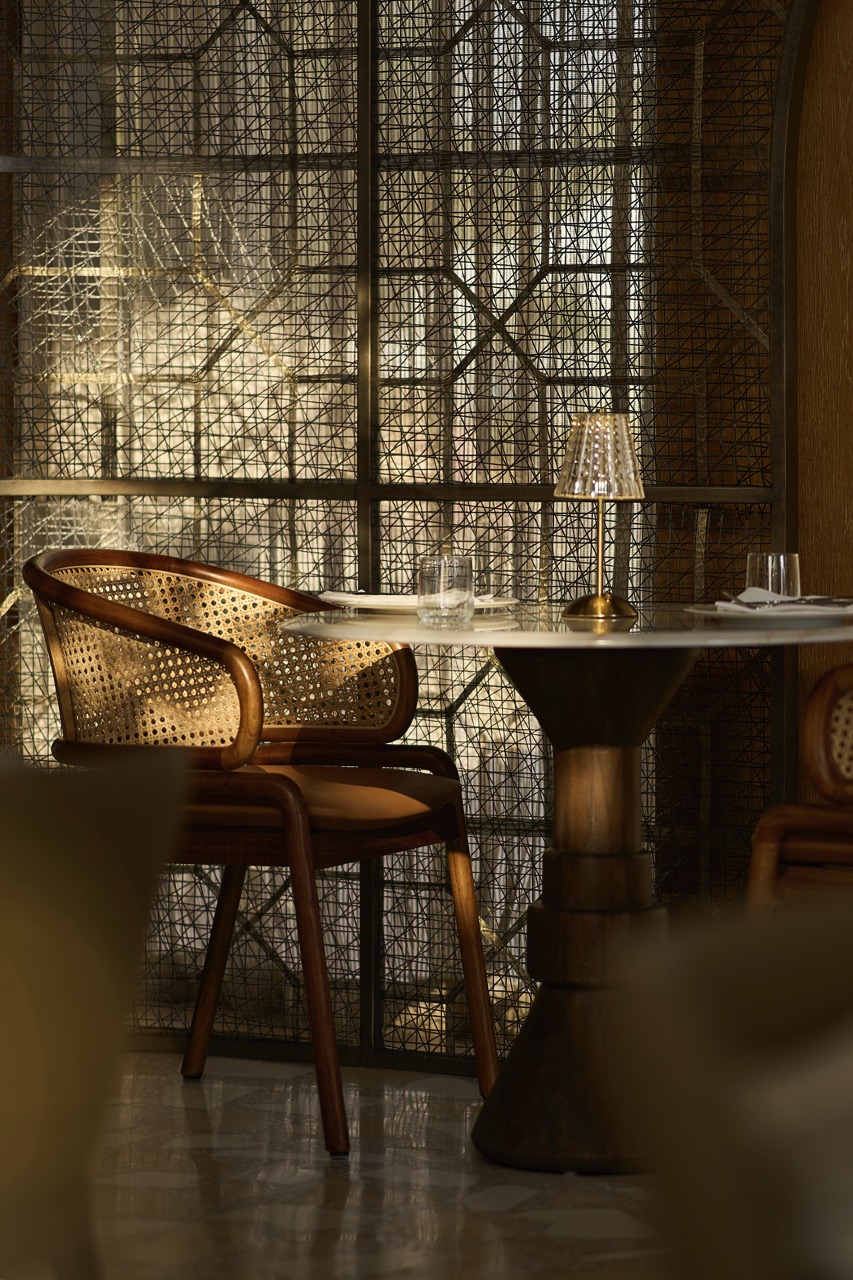
The furniture is all locally produced and blends contemporary design with Emirati influences, with several pieces crafted in collaboration with Tashkeel
Inside, the dining area features a variety of seating options, including a mocktail bar with an embossed liquid metal bronze relief of a ghaf tree, symbolically bringing people together under its ‘shade’. This motif, envisioned by the Tanween by Tashkeel art and design collective, is thoughtfully woven into details such as door handles, seat cushions and custom plateware designed by Tashkeel and made by RAK Porcelain. Sheikha Lateefa bint Maktoum has also worked on several designs.
A braided fibre treatment on the ceiling and white marble terrazzo flooring completes the space, evoking an outdoor feel. The space is illuminated with soft, warm lighting, with architectural light fixtures provided by Huda Lighting. The furniture, all locally produced, blends contemporary design with Emirati influences, with several pieces crafted in collaboration with Tashkeel. Local artistry is further showcased in elements such as a biodegradable, henna-dyed chandelier by Wafa Al Falahi.
At the back of the bar, an ice-cream station overlooks a cosy booth area tucked away at the end of the space. The walls are softened with green leather stitchwork, featuring a pattern adopted from heritage blockwork, referred to throughout the project as the ‘Dubai Pattern’.
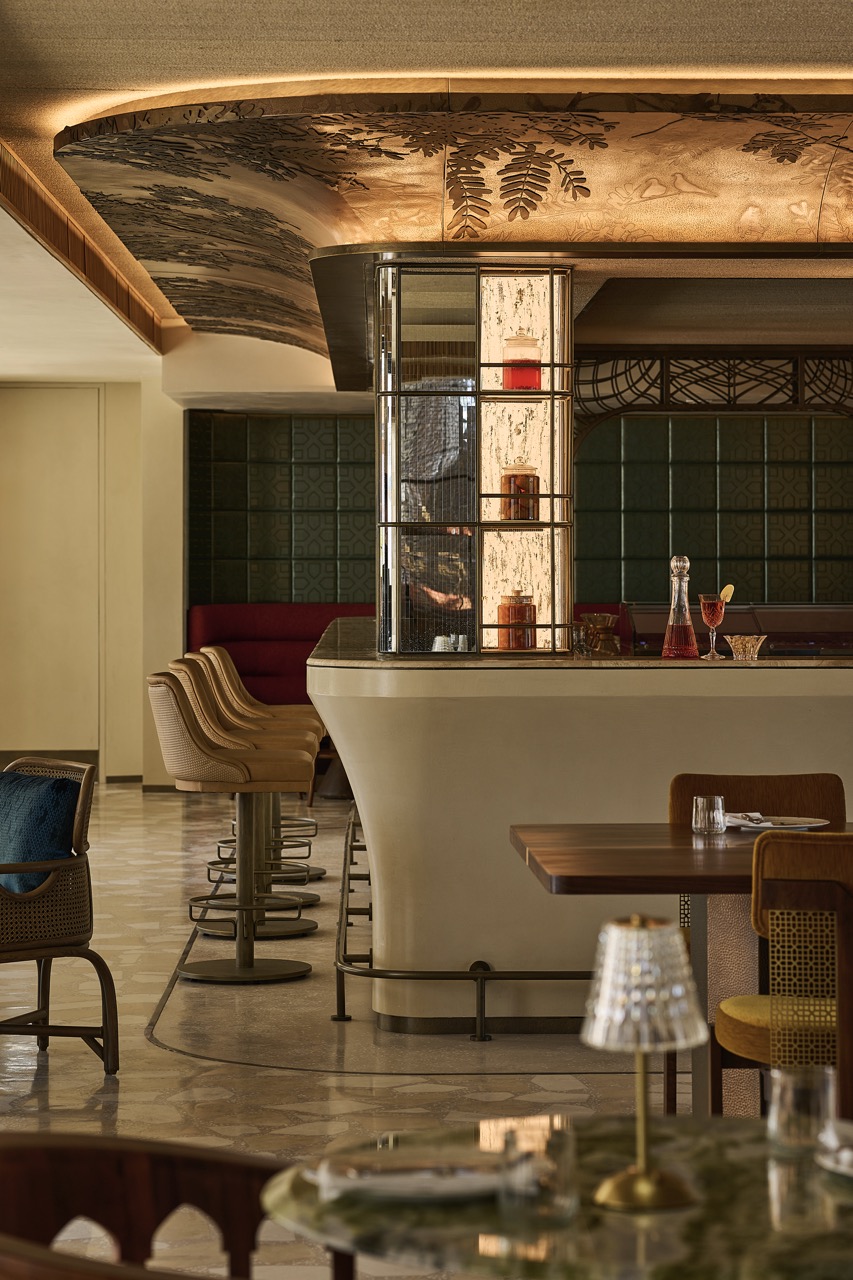
Drawing inspiration from traditional crafts, local flora and fauna and the UAE’s maritime history, the design integrates artisanal details, sustainable materials and modern craftsmanship
This design approach extends to the washrooms, where the UAE’s fishing and pearl-diving heritage is celebrated. Custom wallpaper, hand-drawn by local artist Steve Chambers from Big Art Co, depicts local fish, while a rippled bronze ceiling evokes the shimmering waters of the Arabian Gulf. The custom floor tiles feature a modern abstract fish pattern, adding a contemporary monochromatic twist. An elegant pendant light commissioned by Tashkeel to Reema Al Mheiri and designed using discarded fish scales, serves as another example of the venue’s sustainable ethos. The outdoor dining space offers a tranquil escape during cooler months, featuring another spacious dry bar, a sunken fire-pit conversation area and semi-private spaces framed by sculptural screen – all set amidst native landscaping. Details like the heritage ‘Dubai Pattern’ breeze block behind the bar, reminiscent of traditional vernacular architecture, lend an authentic and nostalgic touch.
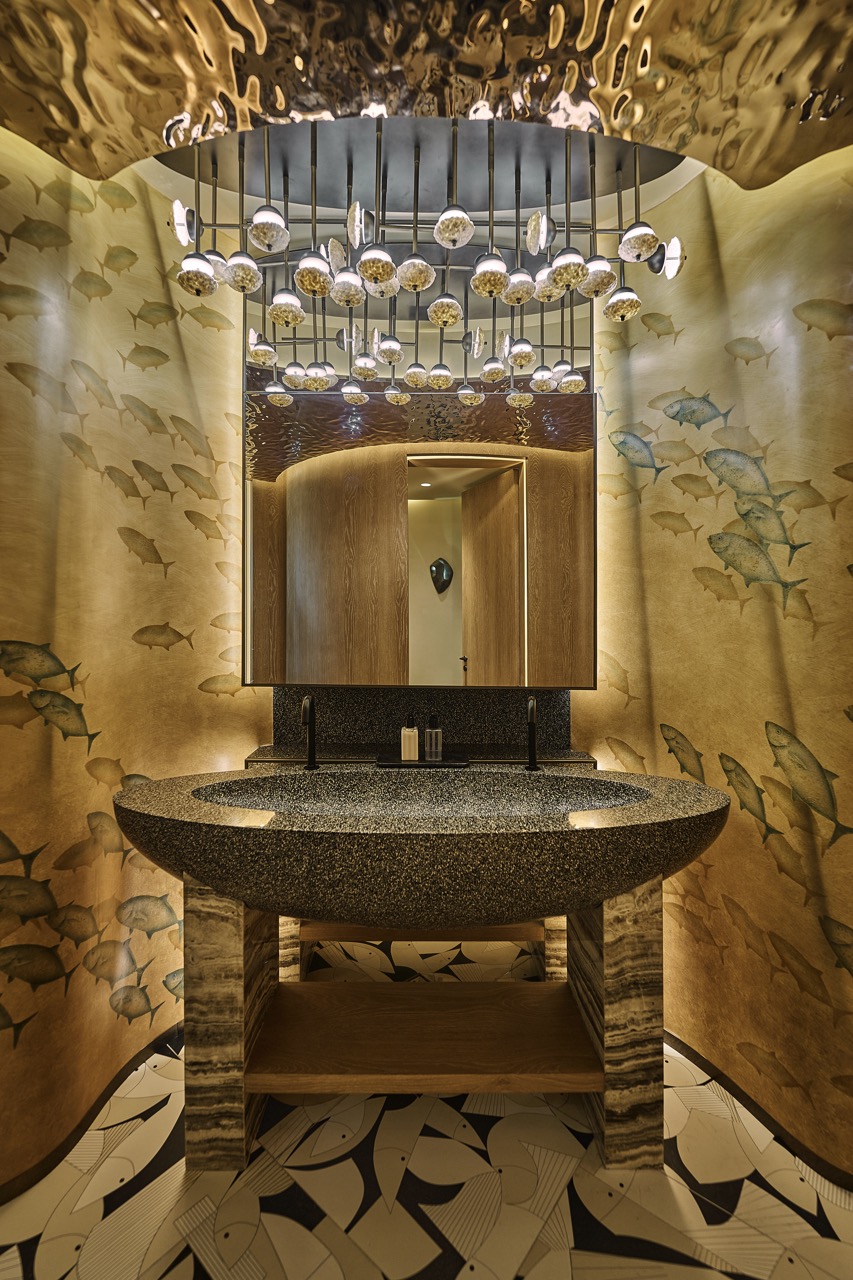
The bathroom features custom wallpaper hand-drawn by local artist Steve Chambers from Big Art Co and depicts local fish, while a rippled bronze ceiling evokes the shimmering waters of the Arabian Gulf. An elegant pendant light commissioned by Tashkeel to Reema Al Mheiri has been designed using discarded fish scales
Listen to our podcast telling this design story.
Photography by Sebastian Boettcher
We honor these product designers as part of the id50.
Here are the debuts of the id50 2026.
Take a look at the visionaries from our id50 2026

Meet the global firms with local presence that form a part of this year's id50
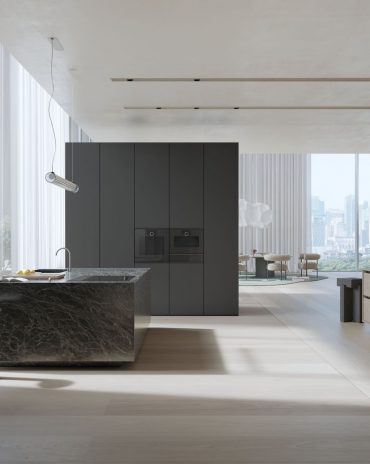
Sleek and clean, the Minimalistic series applies restraint in its design.

This year, we celebrate the interior designers, architects and product designers from the region – from emerging talent to the visionaries and global firms with local presence. We uncover their latest projects and what drew them to the profession.
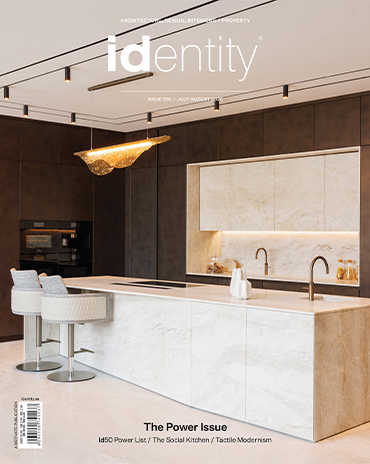
Read identity magazine's July-August 2026 edition on ISSUU or grab your copy
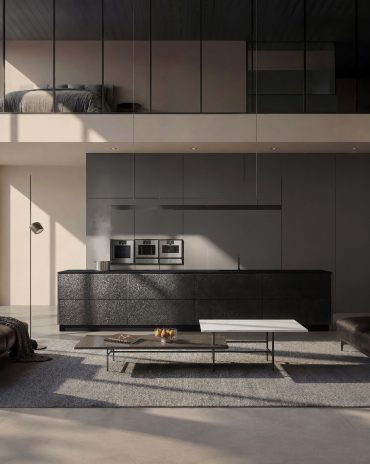
The German kitchen studio discusses why restraint, not statement, is the harder thing to achieve and what that means for the architects and designers it works with.
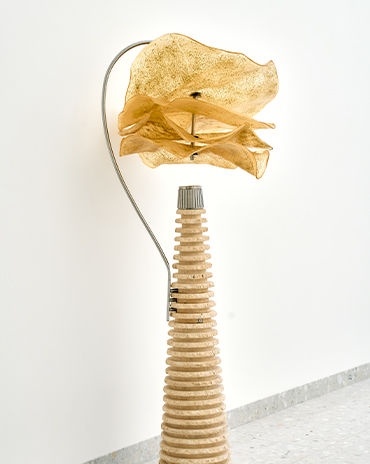
Where There is Uns by Joud Malhas and Rachel Antoun
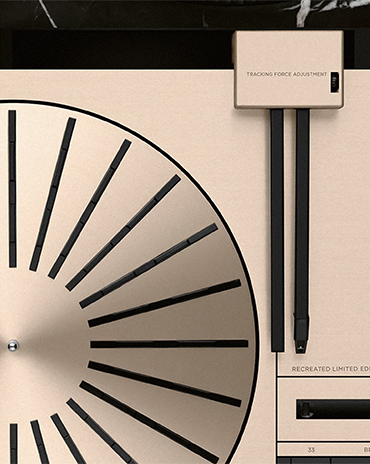
Bang & Olufsen was founded in a farmhouse in Struer, Denmark, where Peter Bang and Svend Olufsen were united by a singular belief: that technology should be as beautiful as it is functional
Inspired by a Japanese ryokan, Studio Munge completes Canada’s first Nobu hotel
Set a stone’s throw away from Hyde Park, the Six Senses London has wellness at its heart