




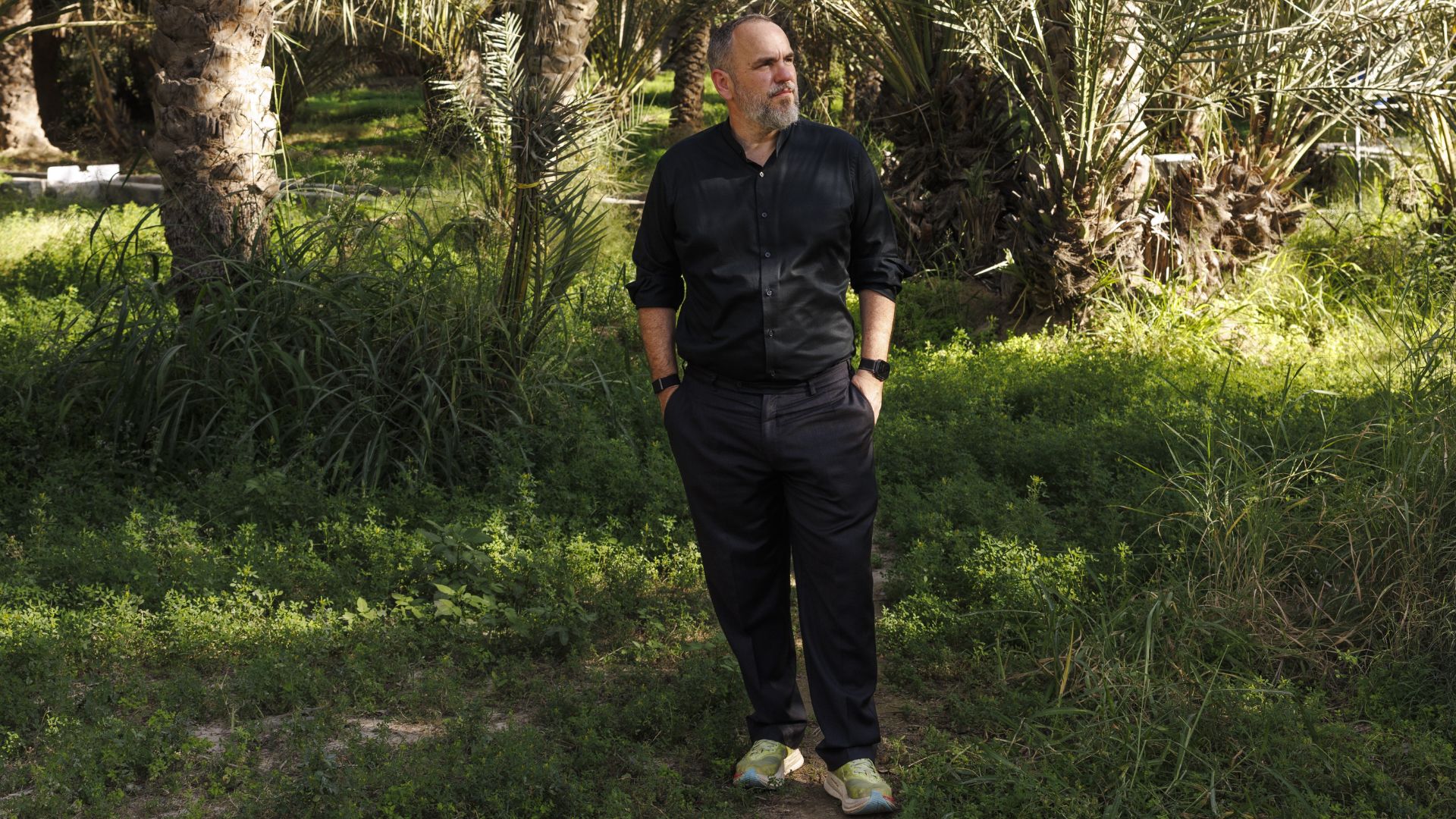
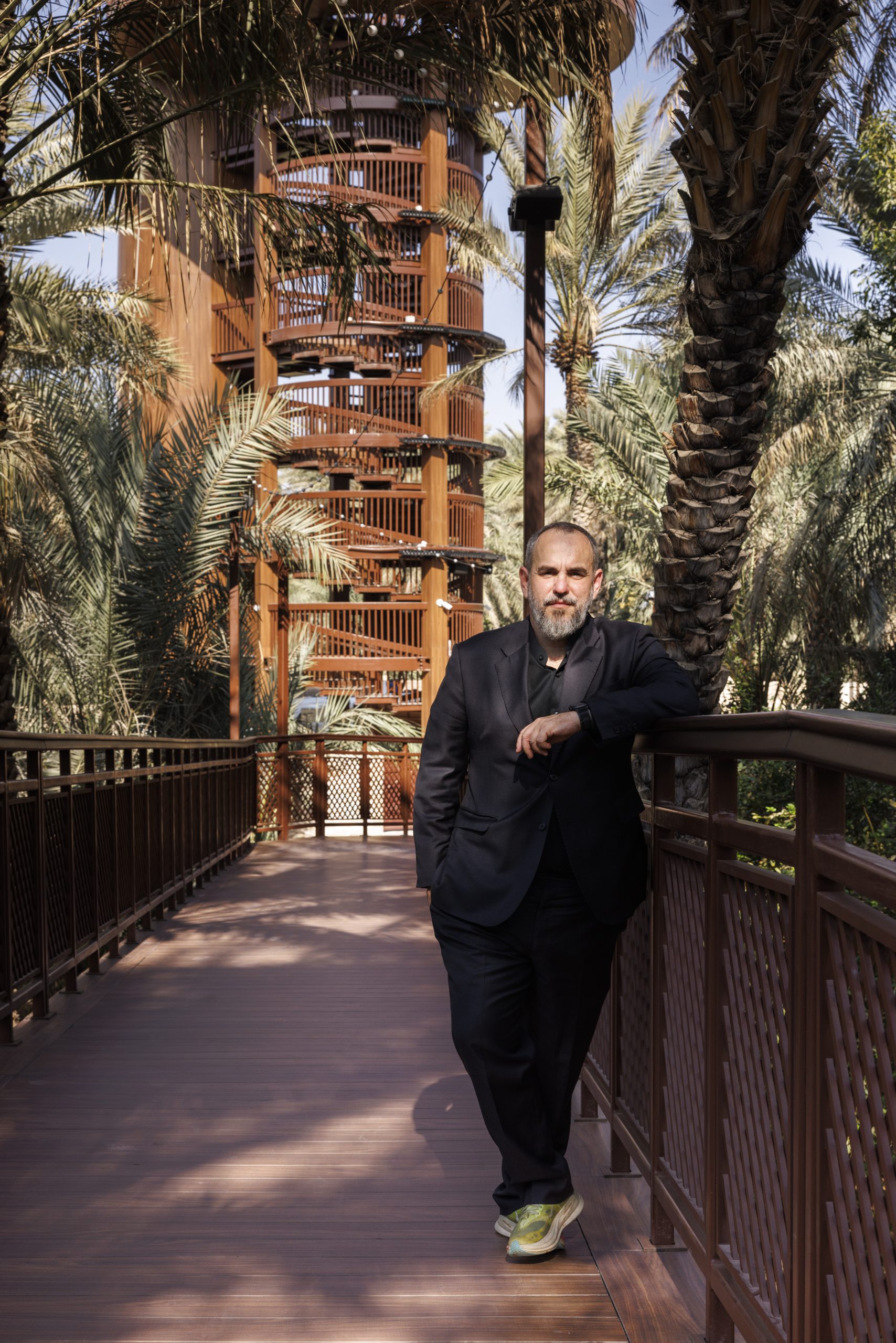
Based in the Middle East for two decades, Ignacio Gomez is an award-winning architect, renowned for creating landmark projects in the region, with his work spanning master planning, hospitality, residential, cultural, leisure and transport. We sat down with the Global Design Principal of multinational architecture design studio Aedas to talk about his work, changes in the region and the next generation of architects.



IG: Running a big practice in the Middle East has taught me that the profession needs to reset some of its assumptions about what architects are. Architecture still behaves, and architecture is still taught, as if the architect is the heroic author of society’s next chapter. That idea was earned in very specific moments. After the Industrial Revolution, architects and planners had to respond to industrial cities, public health and mass housing. After the great wars, large parts of Europe needed new cities, new infrastructure and new models of modern life. But today, many of the forces shaping the city are written elsewhere. Technology, finance, logistics, energy policy and regulation often have more impact on daily life than architectural form. When architects retreat into internal jargon or pure formal obsession, the profession becomes visually loud but strategically irrelevant.
The second lesson is humility. Architecture is collective intelligence. It is coordination under pressure. It is teams, consultants, contractors, authorities, procurement and supply chains. The myth of the lone genius is seductive, but it does not match reality. What matters is the culture of practice, the clarity of intent and the ability to align many people around decisions.
And the Middle East adds a unique truth. Time is a design material here. The region is reinventing itself while the energy transition compresses the horizon and the window to diversify economies narrows. That urgency can produce extraordinary results if you build a practice that learns fast. I use all of this in my role by focusing on process over ego, learning continuously and measuring success through relevance and impact rather than image alone.
IG: Clients communicate on more than one layer. There is the brief, where requirements are stated clearly through the programme, efficiency, cost per square foot and return on investment. We take that layer seriously.
Then there is what is not written. Identity, legacy, reputation, internal alignment and risk are often the real drivers behind major decisions. Those things rarely appear in an RFP [request for proposal], but they shape the project more than any spreadsheet. Our job is to listen for them, name them and translate them into design principles that the whole team can protect. We also understand clients well because we are not visitors. This region is home. That changes the conversation because it brings cultural fluency and a shared understanding of pace, nuance and context.
At Aedas we start each project with a beginner’s mind. Each project is a chance to learn. If the design process does not produce knowledge, then it is not design, it is repetition. Why do a project if you already know the outcome on day one? Discovery is better.
IG: I believe meaning is essential, but I am cautious with the word storytelling because it is often misused. Many people assume that if a project has a narrative, it automatically has value. But narratives can be shallow, nostalgic or dishonest. The important question is whether the meaning is true, whether it is shared beyond the architect, and whether it is strong enough to survive reality.
Buildings are physical records of their time; they store the energy of a moment. In that sense, every project tells a story – whether we write one or not. Our role is to make that meaning legible to a wider audience, starting with the client and then extending to the public.
We build narrative from place, people and time, then embed it through sequence and experience rather than slogans. If the story only exists in a presentation, it is not embedded. If it is embedded, the building explains itself without words.
I also think the future will reward a renewed respect for the intelligence of previous generations. Many vernacular environments solved comfort and sustainability without performance. The next kind of progress may be rediscovering that wisdom and translating it for contemporary life.
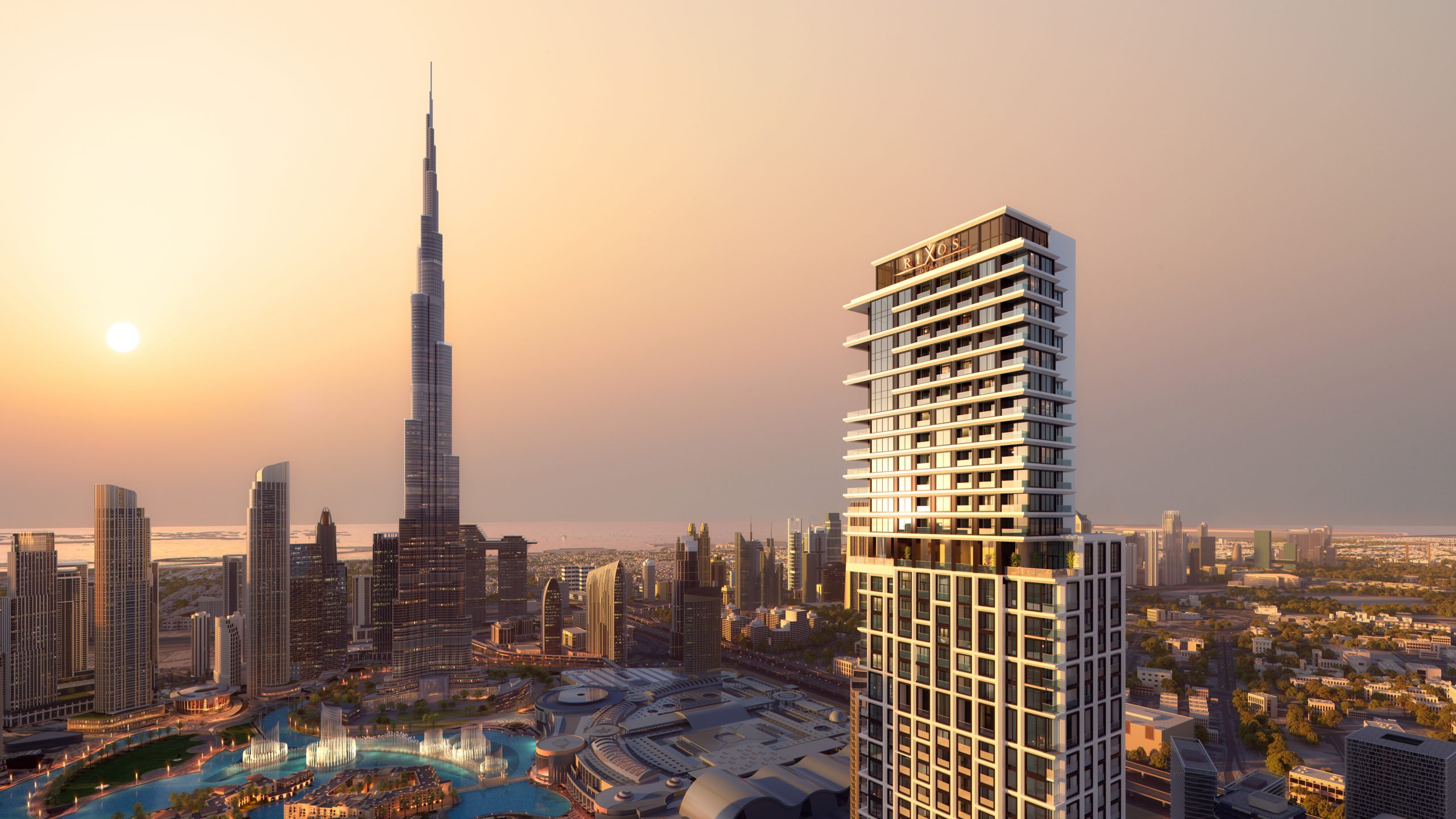
IG: The key challenge is relevance. If architects do not engage the systems shaping cities, then architecture becomes a visual layer rather than a strategic contribution. Another challenge is credibility. Sustainability and human-centric claims must be measurable or they will be dismissed as branding. Speed is also a challenge, because the world moves faster than the traditional design process, and the profession risks being outpaced.
Architecture can become a systems discipline again. Climate response, comfort, mobility, water, energy and public life can be integrated through design thinking. There is also an opportunity to use technology wisely. AI can reduce production time and free more time for thinking, but only if practices choose to invest that time in judgement rather than in more output. The Middle East is an opportunity because it is still inventing. The scale of transformation allows architects to contribute to new typologies and new models of urban life. That is rare today.
IG: In the next five years, I hope architects will challenge their own relevance. The profession needs to regain a stronger voice in shaping the forces that define daily life. Too many decisions affecting cities are made by technology companies and financial systems with very little architectural input. We need to engage the public again and explain clearly why design matters, without hiding behind specialist language.
We must also be honest about artificial intelligence. It will compress design time dramatically and mimic creativity faster than we expect. Architects cannot rely on creativity as protection. Our value will shift toward judgement, ethics, responsibility, coordination and accountability. If we do not adapt, we risk becoming the liability holder while software does the work. In twenty years, the construction industry should move away from treating every building as a one-off prototype. We need intelligent standardisation and systems that perform, that can be measured, upgraded, repaired and reconfigured. Architecture should become more like a kit of parts in many cases, optimised for energy and long life, while still allowing spaces for exceptional projects where uniqueness is necessary.
In 100 years, I hope we rediscover resourcefulness. Our disposable culture is not sustainable. I want a return to longevity, adaptability and restraint. Sustainability should become instinctive again rather than performative. Comfort should be redefined, and energy use should be questioned as seriously as aesthetics.
IG: I try to learn from everyone I meet along the way. It is healthy to be challenged because it pulls you away from your own echo chamber.
I have had strong mentors who shaped my thinking and my way of practising, including Brian Johnson, Ricus van Zyl, Boran Agoston and Keith Griffith. Each of them influenced my understanding of leadership, rigour and culture. The attitude of Rem Koolhaas and OMA have always been a major influence – particularly a refusal to be lazy in thought, a willingness to research and provoke, and a kind of seriousness without self-importance. Delirious New York [written by Koolhaas] remains fundamental for understanding how the city evolves through forces larger than architecture. Al Manakh is equally important for understanding the Middle East as a subject of research rather than spectacle. That intellectual posture, the ability to read reality and turn it into insight, is what I admire.
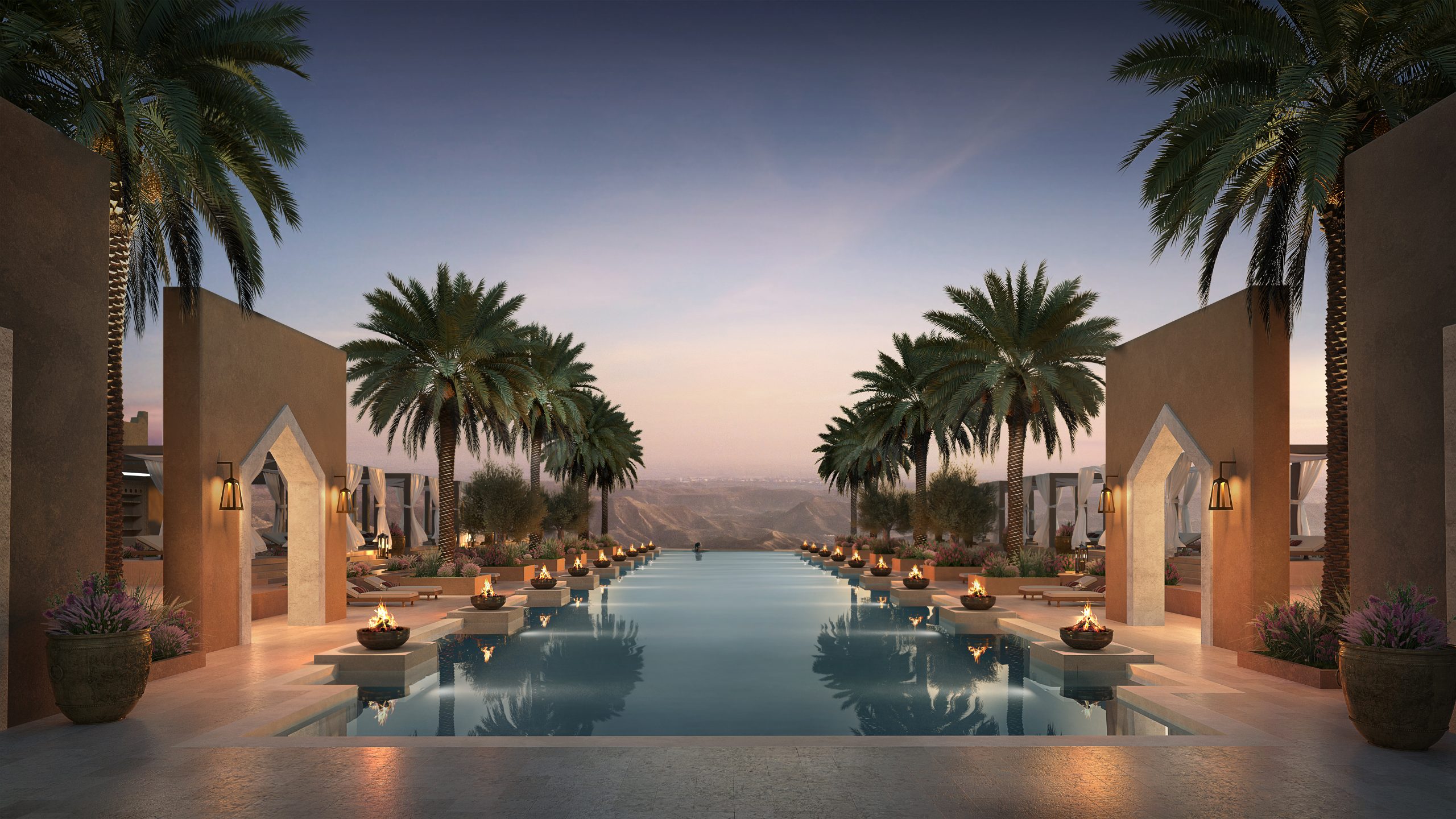
IG: The change has been phenomenal, both regarding what the region is building and how the world perceives it.
Once, architecture in the Middle East was not taken seriously by parts of the global canon, as if working here was somehow less meaningful than working in the established Western centres. That perception has shifted because the region engages architecture in a direct way. The public discusses it, visits it and debates it. The built environment is part of a broader cultural conversation rather than an internal professional one.
Internally, the ambition has matured. The discussion is no longer only about individual landmarks – it is about cities, mobility, public realm, tourism ecosystems, new ways of producing energy and new models of living in extreme climates. In some Western cities, urban growth feels consolidated and almost finished. Here, the questions are still open, and that makes the conversation more relevant and more urgent. We are not just shaping buildings anymore. We are participating in a regional experiment about what the future can look like.
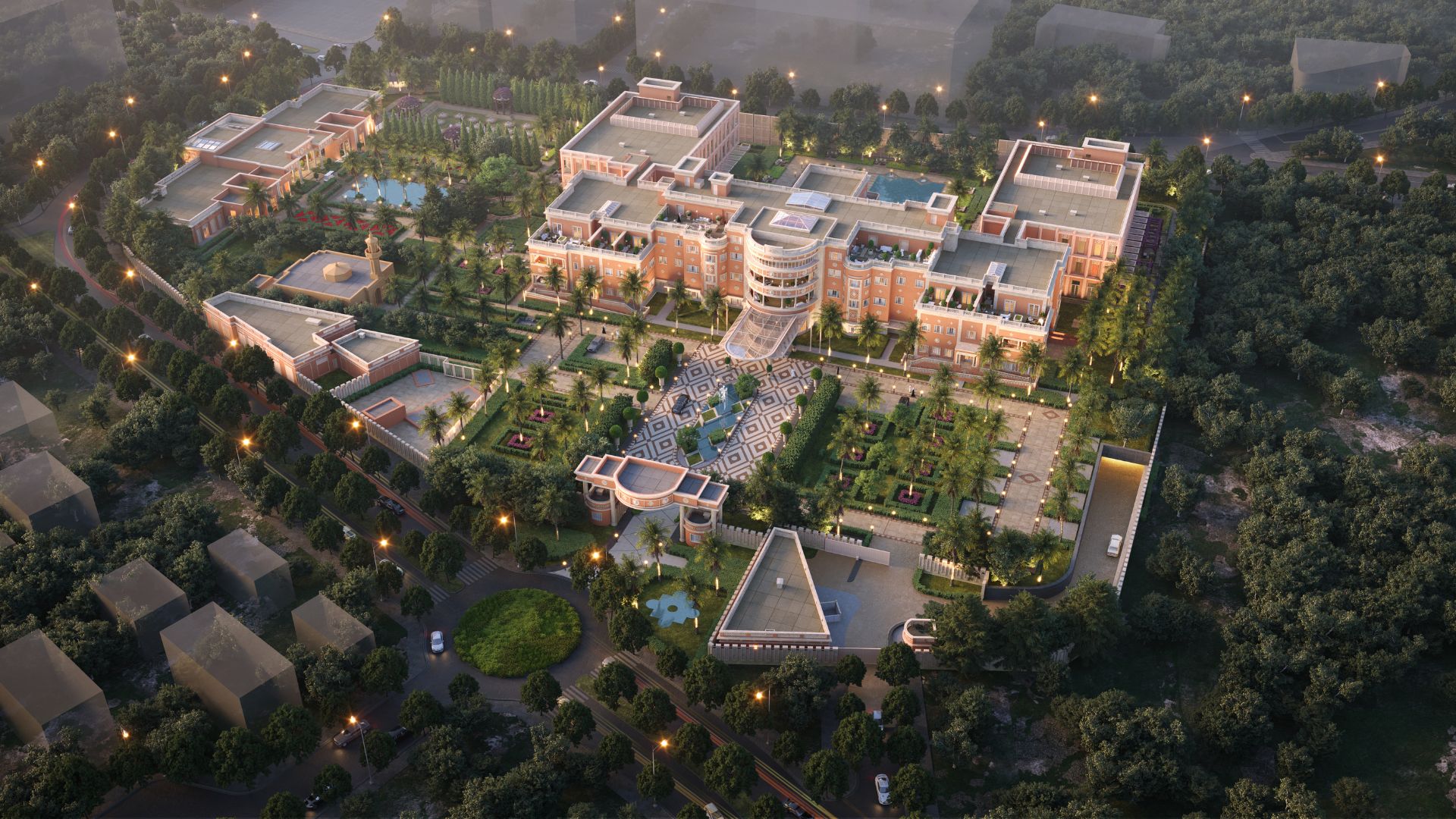
IG: We try to deconstruct a few myths early. Architecture is not a solo performance; it is collaboration under constraints. Many young designers arrive wanting to be a star, but the real profession is about judgement, communication, responsibility and teamwork. We expose young architects to clients early so they understand that design exists within a society, a market and a time. You need to be humble when necessary and strong when it matters.
We also push them toward first principles: What is the value of an architect? What is good architecture? Why does it matter? Often the limiting factor is not skill, it is preconception. If you can remove mental inertia, you can grow faster.
Finally, build process, not style. A style can become a cage. A process can take you anywhere.

We take you through the design aspects of the TCL X11L

Meet Pallavi Dean, Founder and Creative Director, Roar

Meet Vera Dieckmann, Founder and Creative Director, XO Atelier
Marco Maximus, Design Director, KEANE
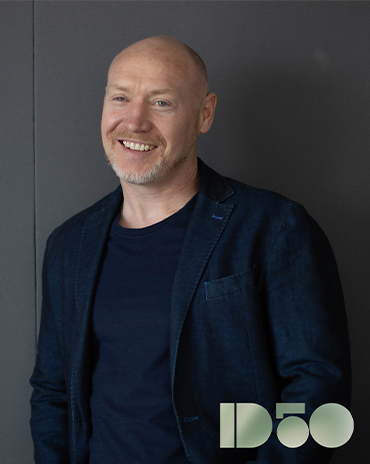
Meet Michael Magill, Global Design Lead and Managing Director, RSP Dubai
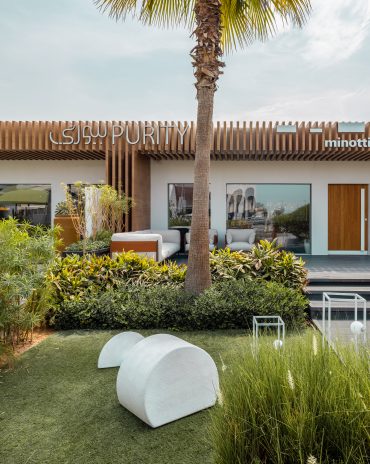
For more than two decades, Purity has helped shape the language of high-end interiors in the UAE
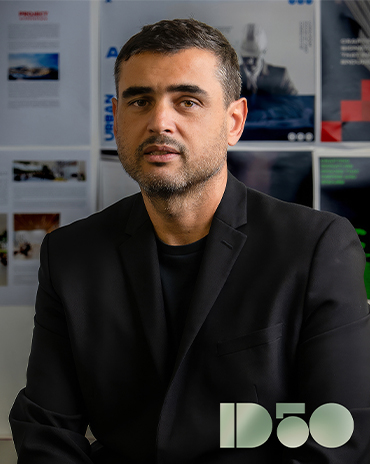
Bruno Gomes, Director, Concept Design Department, Dewan Architects + Engineers
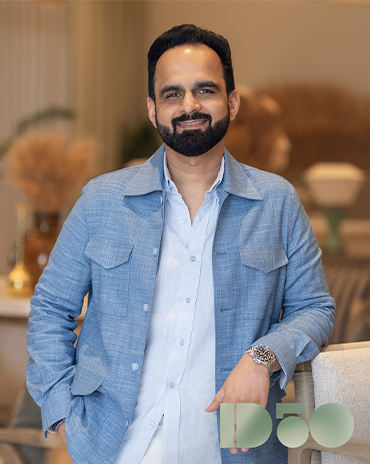
Shazad Azam, Founder and Chief Operating Officer, International Design Associates (IDA)
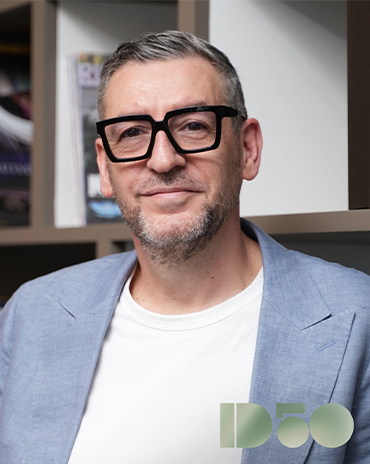
Kerem Cengiz, Managing Director, LWK+ PARTNERS, Middle East
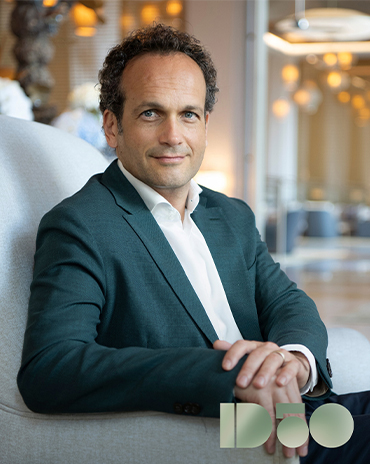
Samer Charara, Director and Studio Chair, Woods Bagot
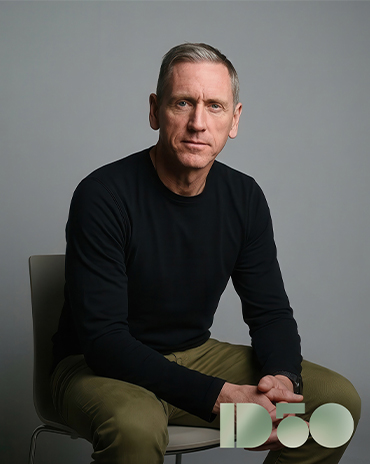
Jason Burnside, Managing Director, Godwin Austen Johnson (GAJ)
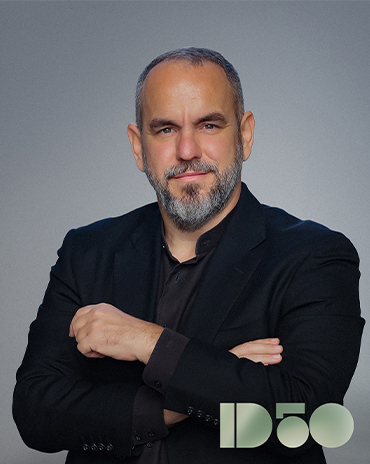
Meet Ignacio Gomez, Global Design Principal, Aedas