




The inception of the restaurant was inspired by the Japanese term “Omakase".
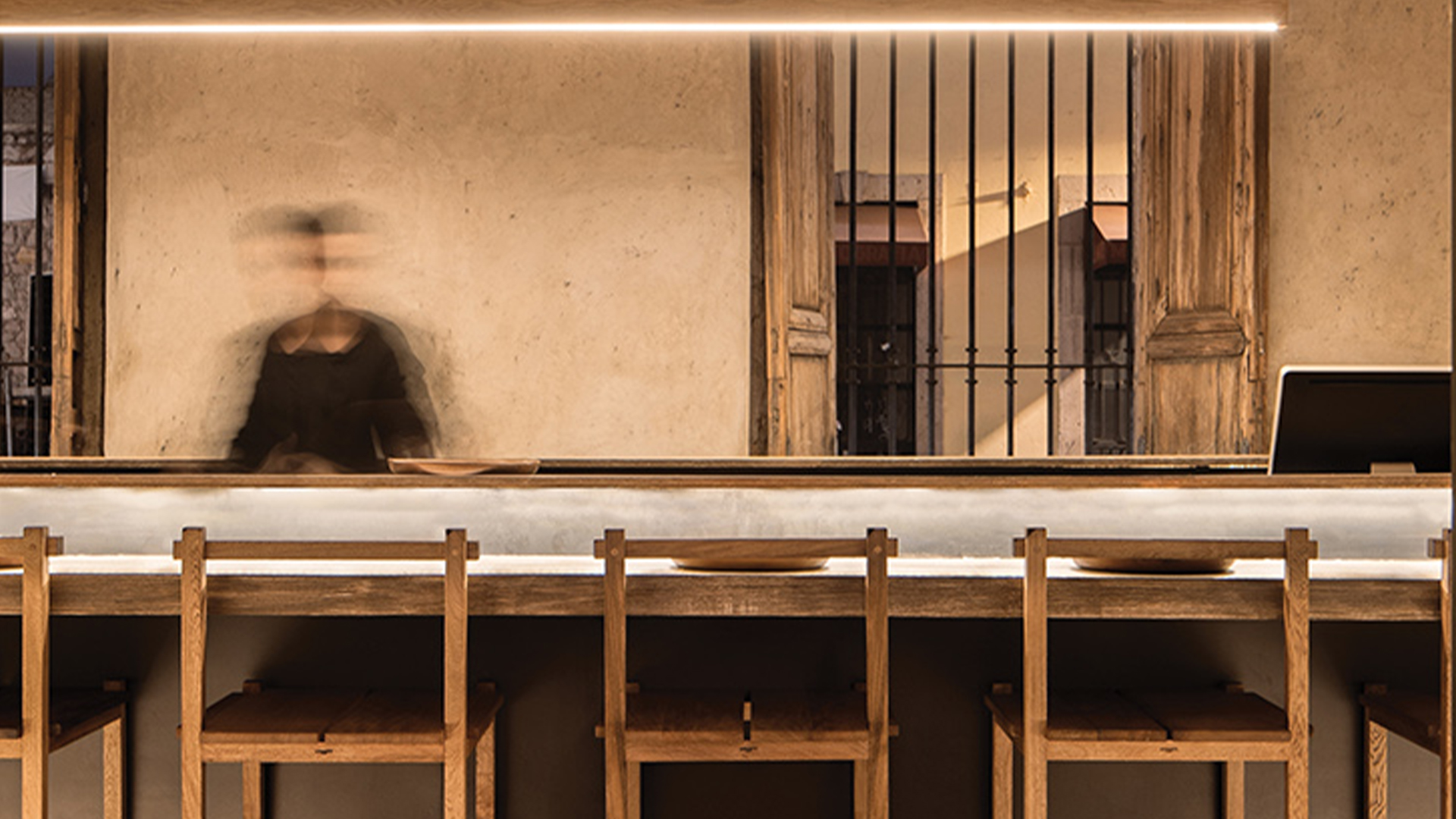



FMA. introduces Josafat Zalapa, a culinary haven harmoniously melding the culinary heritage of Mexican culture with Oriental influences, arising within a 19th-century house in the heart of Morelia City. The inception of the restaurant is rooted in the concept of crafting a groundbreaking dining ambiance, inspired by the Japanese term “Omakase,” which encapsulates the essence of “I trust you” or “the chef’s selection.” Through an exclusive dining encounter, patrons embark on a gastronomic voyage, engaging actively as they observe the crafting of their dishes.
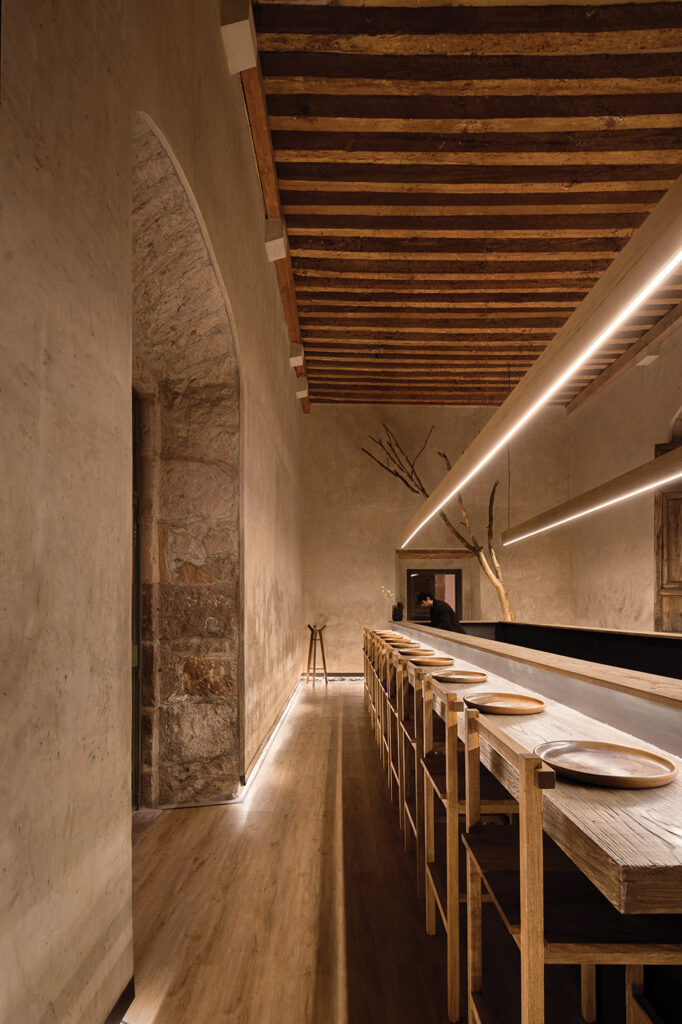
An elongated bar where patrons can gather around the chef. Photography by César Belio.
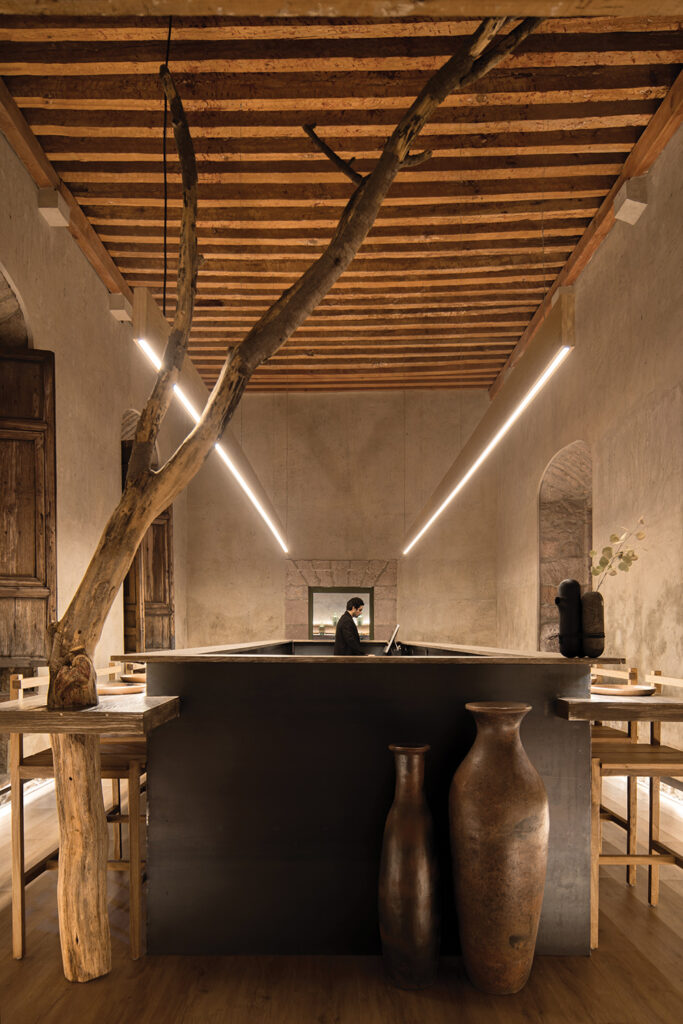
The user experience begins with access to the historic building, where visitors are welcomed by a corridor and a gallery leading to a cloister adorned with various artworks along its perimeter. In the center, a sculptural piece featuring dead vegetation alludes to the passage of time within the building.
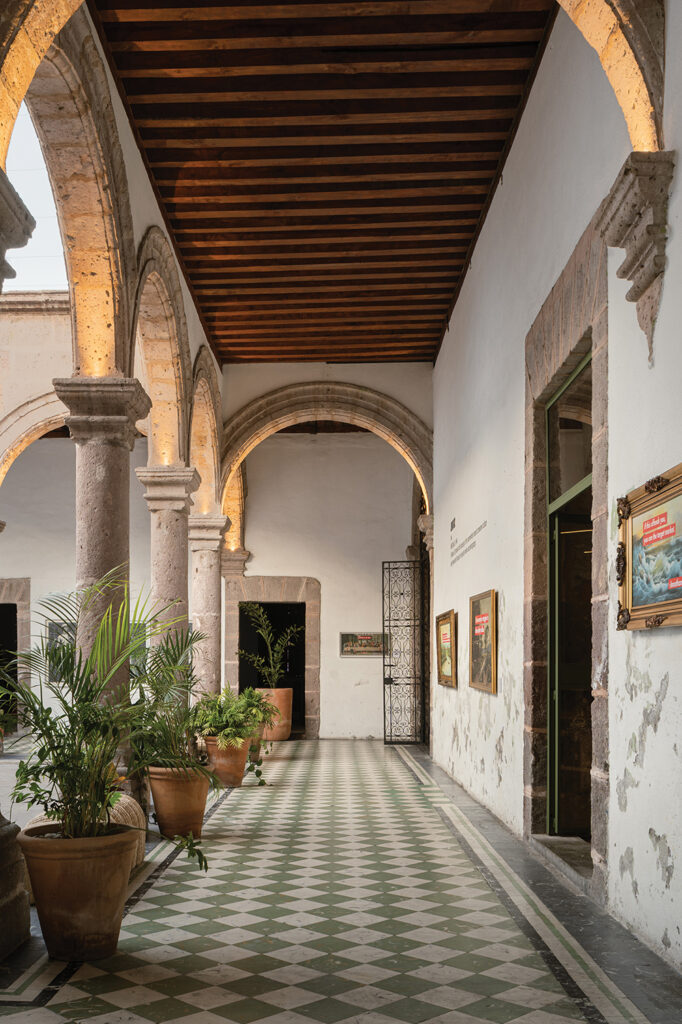
The corridor features multiple artworks and mimics a gallery. Photography by César Belio.
The architectural layout comprises two rooms adjacent to the courtyard, flanked by Baroque-style architectural elements. The main space houses a sculptural bar with 20 designer chairs, while a second room with a bar is subtly displayed on one side. As one enters the restaurant, the massive stone walls encase the project’s centerpiece: an elongated bar where patrons gather around the chef, preparing for the culinary spectacle. Through interior design, the project achieves a balance between the architecture of the past and contemporary elements expressed in the furniture, decor, and materials. This approach creates an introspective, elegant, and sober atmosphere.
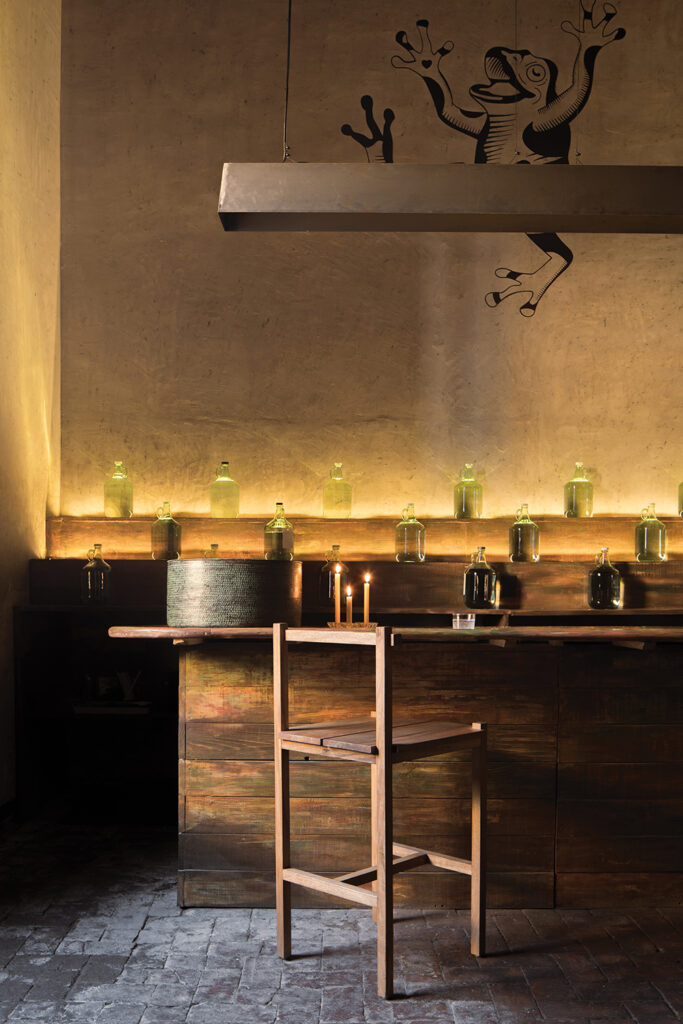
Past and contemporary elements are expressed in the furniture, decor, and materials. Photography by César Belio.
The concept of the bar further emphasizes the dishes prepared by the chef, while indirect lighting along the floor’s edge frames the existing limestone walls. This lighting highlights the layers of history that have been preserved over time, accentuating their architectural value. The design premise revolved around respecting the architecture of the place while subtly intervening in the interiors, achieving a timeless proposal that integrates seamlessly with the historical layers of the building. The material selection remained essentialist, incorporating wooden floors and pigmented cement coatings on the walls.
Photography by César Belio.
During the intervention, particular emphasis was placed on lighting design and furniture integration. This led to the custom design of each element, from the linear lamps that accompany the bar, to the chairs where diners will savor their meals.
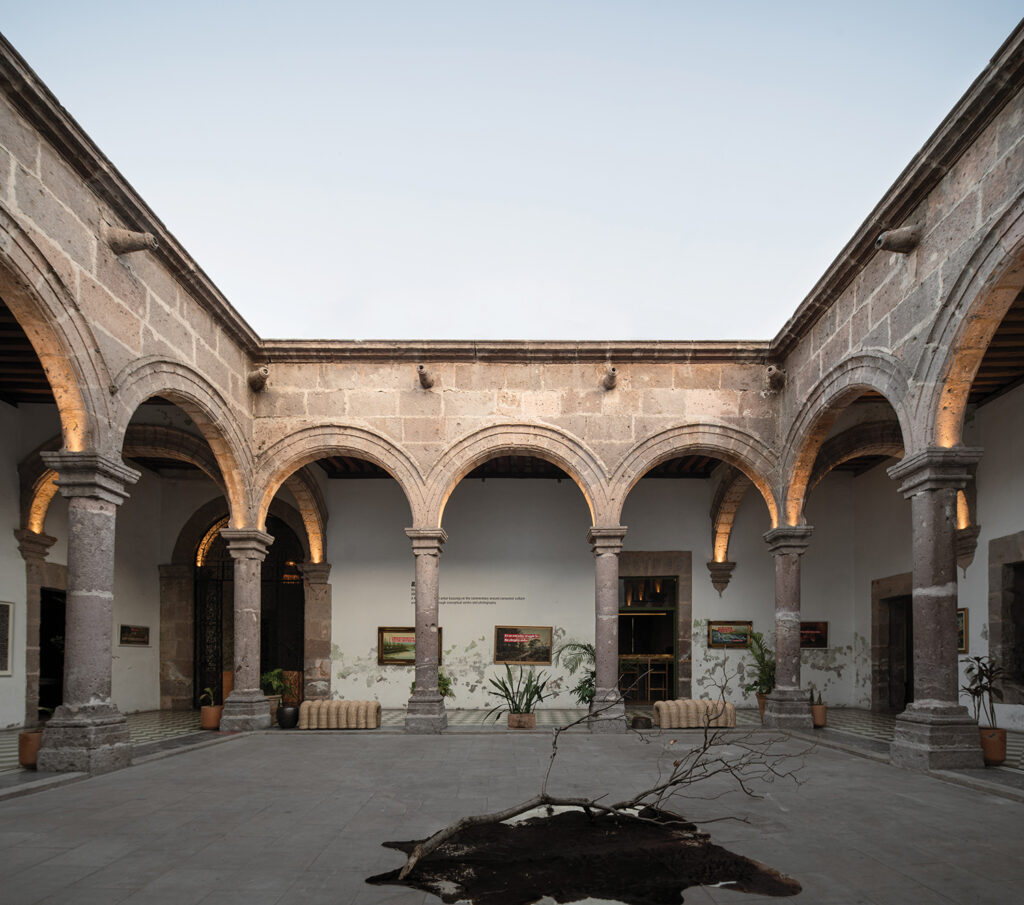
A sculptural piece featuring dead vegetation alludes to the passage of time within the building. Photography by César Belio.
Architecture Office: FMA.
Architect in charge: Francisco Javier Méndez Rodríguez
Furniture: Axoque Studio
Photographs: César Belio
Gross Floor Area: 75 m2
Location: Morelia, Michoacán, Mexico
Tropical Modernism up close
We honor these product designers as part of the id50.
Here are the debuts of the id50 2026.
Take a look at the visionaries from our id50 2026

Meet the global firms with local presence that form a part of this year's id50
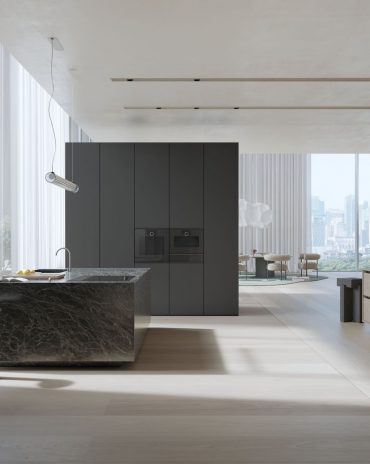
Sleek and clean, the Minimalistic series applies restraint in its design.

This year, we celebrate the interior designers, architects and product designers from the region – from emerging talent to the visionaries and global firms with local presence. We uncover their latest projects and what drew them to the profession.
Read identity magazine's July-August 2026 edition on ISSUU or grab your copy
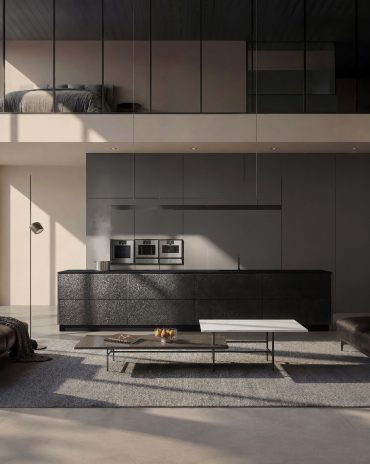
The German kitchen studio discusses why restraint, not statement, is the harder thing to achieve and what that means for the architects and designers it works with.
Where There is Uns by Joud Malhas and Rachel Antoun
Bang & Olufsen was founded in a farmhouse in Struer, Denmark, where Peter Bang and Svend Olufsen were united by a singular belief: that technology should be as beautiful as it is functional
Inspired by a Japanese ryokan, Studio Munge completes Canada’s first Nobu hotel