




Held in Doha from 5-7 February, the first edition introduced a new format and spotlighted artists from the Middle East, North Africa and South Asia




In an art world saturated with fairs, throngs of people and the fast transactions for works of art, the inaugural Art Basel Qatar marked a much welcome new format. Over 600 galleries applied and just 87 exhibitors from 31 countries were selected, with 16 first-time Art Basel participants, including several from the region such as Hafez Gallery from Jeddah and Riyadh, Saleh Barakat Gallery from Beirut, Tunis-based Le Violon Bleu, Gallery Misr from Cairo and Tabari Artspace from Dubai. The fair was much smaller in size than the four other Art Basel fairs which feature over 200 galleries. It also offered a radically new, highly curated format to the display: Rather than tightly grouped booths offering a range of artists, exhibitors were asked to offer open-format presentations by a single artist that responded to the overall theme of “Becoming,” a curatorial concept overseen by Egyptian artist Wael Shawky serving as the fair’s artistic director for the first edition.
Located in two locations in Doha’s chic Msheireb district – M7 and Doha Design District – the fair encouraged visitors to not only peruse the art on show at a quieter pace but also explore the heart of downtown Doha. The curatorial emphasis of the fair was matched with a deliberate focus on Qatar’s strong institutional offering. Developed in partnership with Qatar Sports Investments and QC+, the commercial arm of Qatar Museums, Art Basel Qatar is embedded within the broader Qatari cultural ecosystem that has been supported by the Gulf nation’s long-term investments in art and culture.
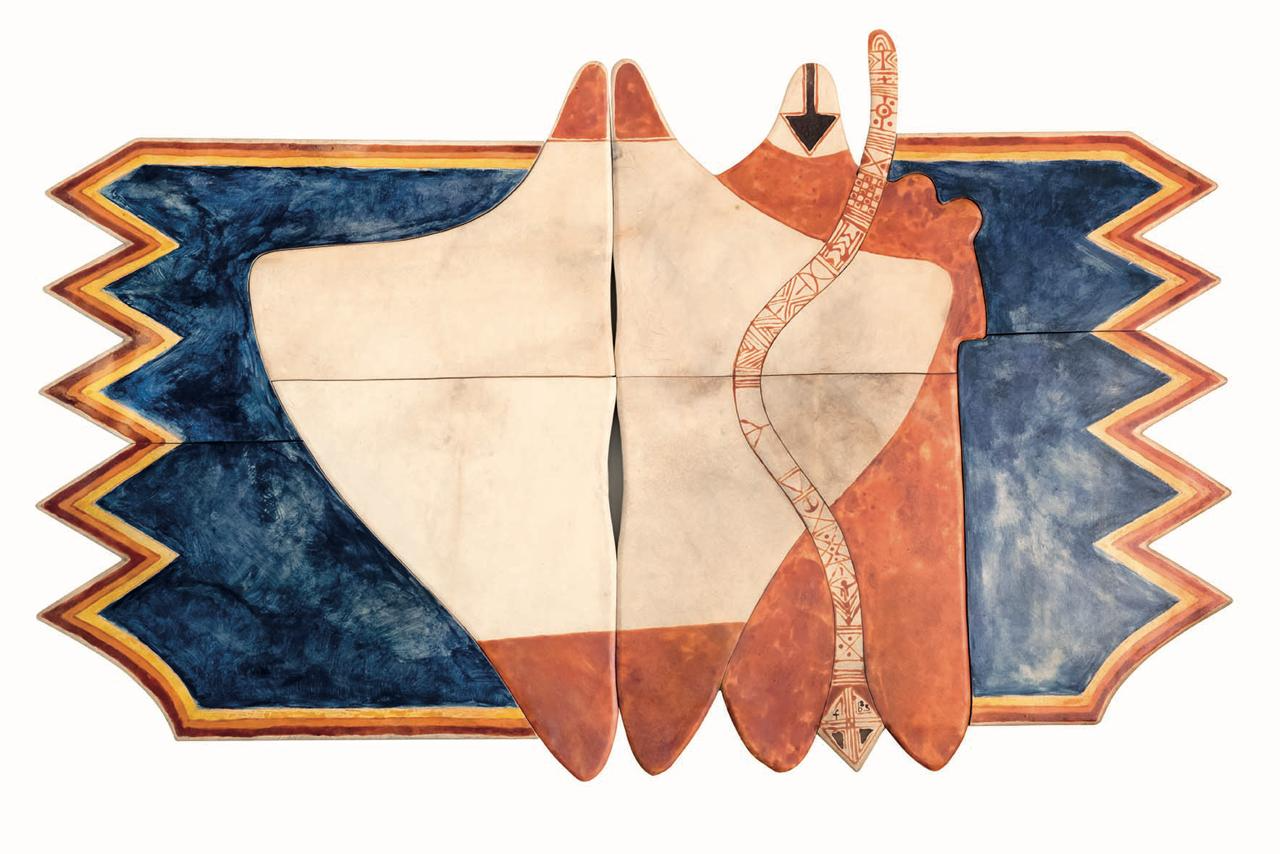
Farid Belkahia – Procession (The Wings Of Desire )
For Vincenzo de Bellis, Art Basel’s Chief Artistic Officer and Global Director of Fairs, the launch of Art Basel Qatar reflects the fair’s strategic growth and expansion in the Middle East region. “My daily focus is how to make each of the fairs more rooted within the place where they operate, while having the global reach that our brand has for 55 years,” said De Bellis. “I think this [Art Basel Qatar] reflects that. We want to connect the local and international public. Our objective is to support the growth of the private sector in Qatar and the wider region.” After the fair, De Bellis emphasised, Art Basel will be active throughout the year “to develop connections and market opportunities to bring people together that may not have yet been interested in art and eventually lead them to collect art.”
The theme of “Becoming,” framed the event as a cultural journey rather than just a marketplace to buy and sell art. The theme, explains Shawky, served as a meditation on humanity’s ongoing transformation and its impact on our identity, the way we live, believe and create meaning. A strong focus was placed on the rapid evolution of the Gulf region, reflecting the cultural and economic growth in the region as a “living palimpsest,” where traditional and spiritual narratives are interwoven with the rapid rise of modern urban and economic growth.
“I wanted to include as many voices from the MENASA (Middle East, North Africa and South Asia) as possible,” said Shawky. “I wanted to create a dialogue between all the galleries and artists; between artists from the Middle East perhaps not as well-known globally, positioned side-by-side with renowned international artists.”
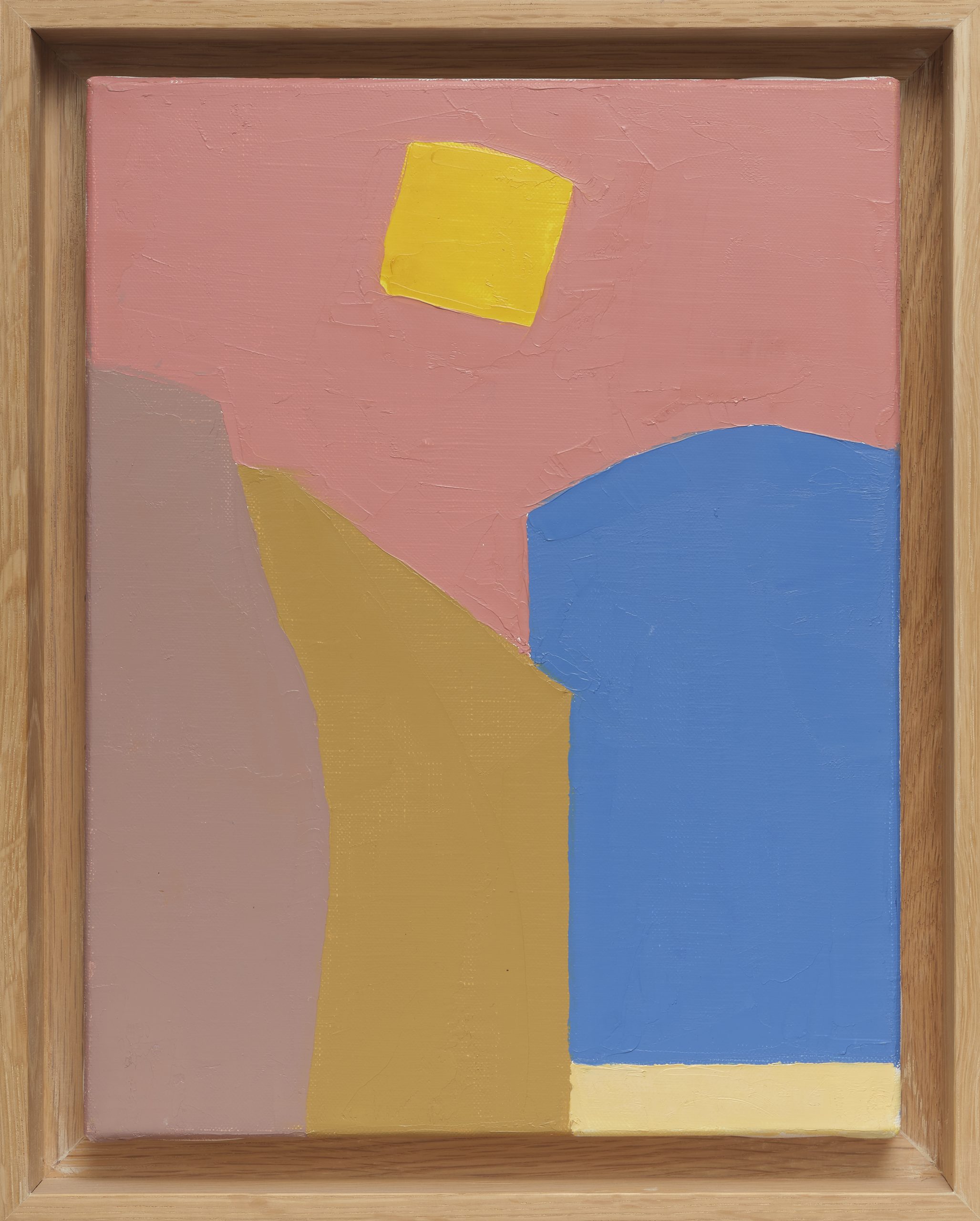
1985; Etel
Adnan Untitled, 2014; Minouk Lim
The fair presented works by some of modern and contemporary art’s biggest names – Christo, George Baselitz, Jean-Michel Basquiat and even Pablo Picasso (one work by the latter was priced at around $42 million in a private viewing room) – alongside rising and established regional artists, like Saudi artists Ahmed Mater and Manal AlDowayan, American-Qatari artist Sophia Al-Maria, Lebanese Simone Fattal and Bouthayna Al Muftah from Qatar, among many others.
Notable juxtapositions included the works of Gazan-born, Dubai-based Hazem Harb at Tabari Artspace from the artist’s Future Archaeology (2025) series, which used scanned, enlarged and reconfigured fragments from the ruined Gaza International Airport reflecting archaeology related to Palestinian displacement. Nearby were three paintings at gallery David Zwirner from Marlene Dumas’s acclaimed series Against the Wall (2009-2010), including Figure in a Landscape (2010), Living on your Knees (2010), and Olive Tree (2010), exploring themes of conflict and loss, largely drawn from media imagery from the ongoing violence in Palestine. At Indian gallery Nature Morte, Pakistani artist Imran Qureshi presented Opening Word of This New Scripture (2025) featuring several men continuously weaving vibrantly coloured South Asian Charpai, a traditional, handwoven, four-legged bed used across South Asia, with the floor and walls covered in the same boldly coloured woven designs. A few steps away at the booth of Hafez Gallery, Saudi artist Lina Gazzaz’s installation Tracing Lines of Growth (2024), made of discarded palm leaves hand-stitched with fine red and black threads, continued the focus on craft found in Qureshi’s presentation. Gazzaz’s delicate installation, which caused fairgoers to intentionally pause to take in the beautifully fragility of the piece, reflected on notions of time, labour and survival while grounded in Arabian ecologies and spiritual traditions.

Shy Republic, 2024
Elsewhere, as part of Art Basel’s nine artworks for its Special Projects, positioned within the fair’s buildings and throughout Doha, Libyan Nour Jaouda presented A House Between Two Houses (2026), an installation on the ground floor of M7 featuring a large, rusted steel frame with suspended, earthly-coloured, hand-dyed textiles, exploring the idea of a “rest house” and themes of decay, transformation, exile and memory.
Perhaps the most evocative work for Art Basel’s Special Projects reflective of the theme of Becoming and the intended cross-cultural dialogue and exchange during a most uncertain time was architect Sumayya Vally’s In the Assembly of Lovers (2026). Artist intent led this first edition of Art Basel Qatar, offering a more relaxed viewing format for appreciating the art on show while also encouraging cross-cultural dialogue and exchange. Vally’s work, which was filled daily with fairgoers, residents and Qataris, was made with moveable components to construct a contemporary Majlis seating area common in Muslim countries. Paying homage to lost communal spaces across the Islamic world, the installation, a form of modular forum, reflected the fair’s mission to gather people together and become an active force in the continual redefinition of human identity.
photography: Jeon Byung Cheol
Maria Petrova, Co-founder of Zahar Paints talks about the emerging trend
Summer finds that evoke a sense of rest and relaxation
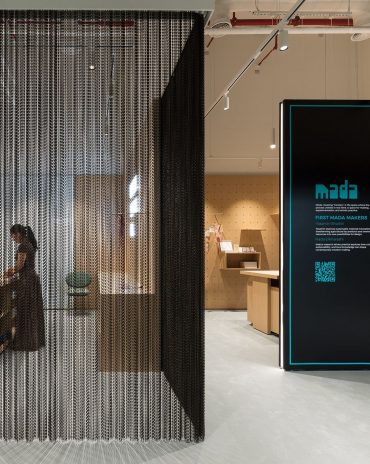
Doha Design District’s new platform, ‘Mada and Sada’, is less about what creativity produces and more about what makes it possible.
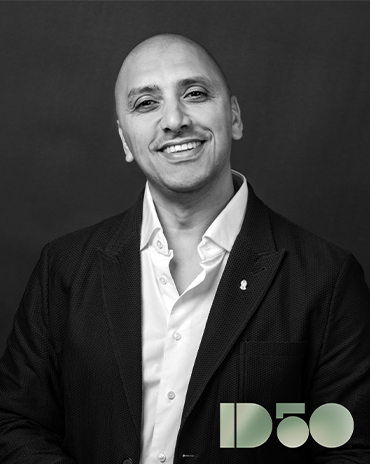
Meet Waleed Arafa, Founder and Principal, Dar Arafa Architecture
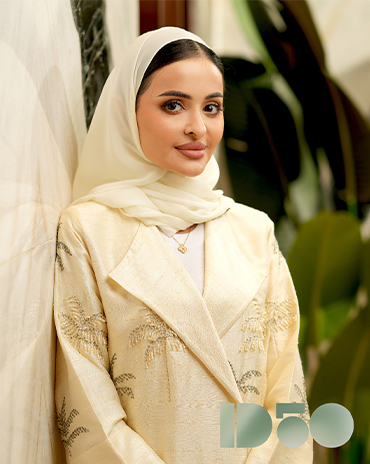
Meet Reem Al Qamzi, Founder, Rqitects
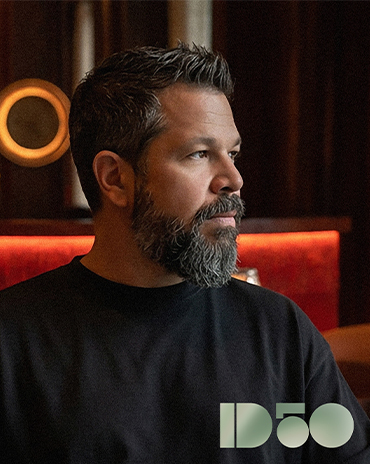
Meet Firas Alsahin, Co-Founder and Design Director, 4SPACE Design
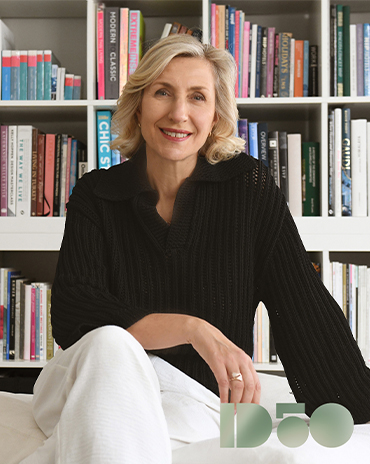
Meet Kristina Zanic, Founder, Kristina Zanic Consultants
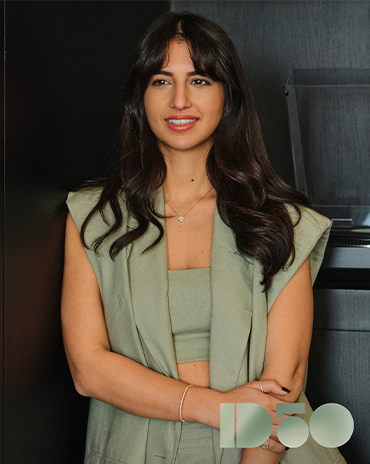
Meet Ghida Chehab, Founder, Studio Baab
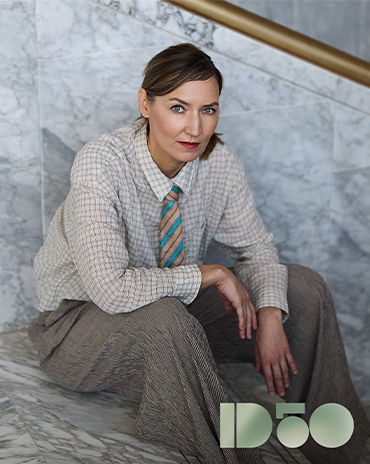
Meet Agata Kurzela, Creative Director, Agata Kurzela Studio
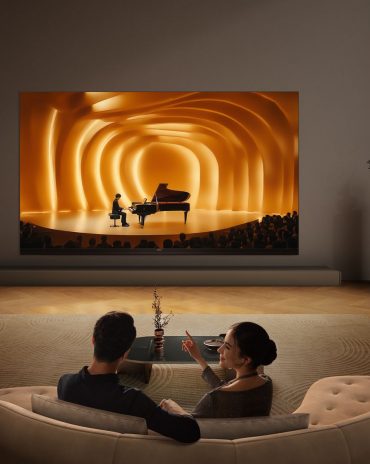
We take you through the design aspects of the TCL X11L
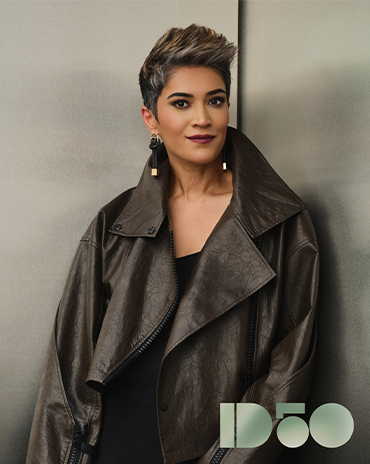
Meet Pallavi Dean, Founder and Creative Director, Roar
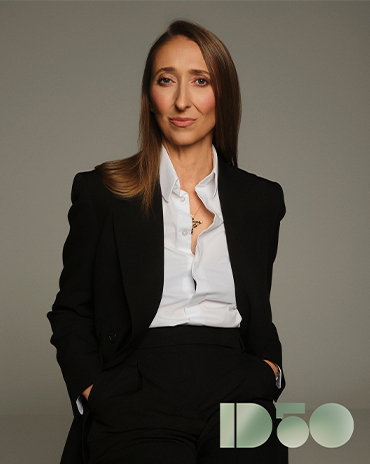
Meet Vera Dieckmann, Founder and Creative Director, XO Atelier