




identity interviews Sou Fujimoto about his design philosophy rooted in relationships and nature
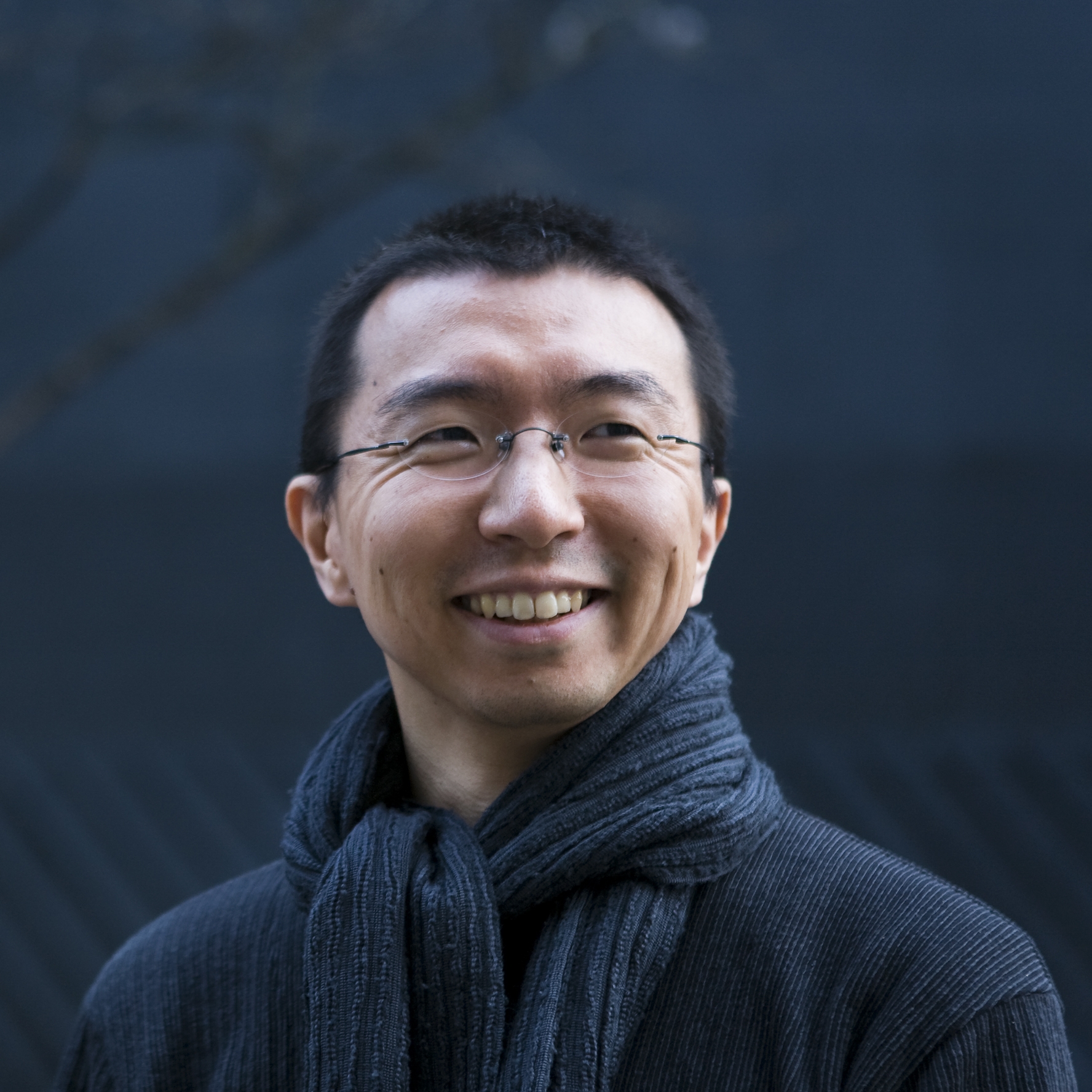



How would you describe the evolution of your architectural philosophy since you started your practice? What do you consider to be the core values or principles?
Fujimoto: I believe that architecture is something that creates diverse relationships. It is the relationship between people and people, people and nature, and private and public. I want these relationships to be diverse and flexible, not limited. It is not just about architectural style but [it] influences deeper thinking about the relationship between nature and artifact, individual and society, and people and people. Furthermore, it will certainly influence more philosophical thoughts such as simplicity and complexity, change and eternity, and the moment and eternity.
How do you envision the role of architecture in shaping modern living spaces, particularly in densely populated urban environments?
Incorporating more nature into urban environments is not just a trend but will become a basic prerequisite for architectural and urban design in the future. This is because it brings diversity to residential environments that cannot be achieved by architecture and man-made objects alone. In a world where respect for diverse lifestyles and consideration for the global environment has become commonplace, it will become increasingly necessary to consider new forms of fusion between nature and man-made objects (architecture) when thinking about how to make our urban environments diverse and connected to the entire planet. I believe that in the future, architecture will become something that blends with cities and landscapes. It feels like the boundaries between architecture and cities, landscapes, roads, parks, etc. are melting together. This will create an environment that is more diverse, more interactive and richer both for the individual person and the small societies as a community.
How have your thoughts about ‘primitive future’ evolved since your book came out in 2008?
In recent years, I have had the opportunity to work in many different countries, and I believe that one of the major characteristics of my architecture is that it transcends cultural differences, returns to the roots of the physical, sensory and social aspects inherent to human beings, and from there reconstructs the relationship between space and people in a new way. Even when the proposal seems at first glance to be outlandish, it touches on the essence of human nature at a fundamental level. I believe these primitive aspects of my architecture are culturally balanced and understood across cultures.
Please share some insights into any recent or ongoing projects – anything you are particularly excited about?
We are currently working on several projects, including the Expo project, which will open in April 2025, which is particularly symbolic and exciting. I am reminded once again that an Expo is the sum total of a wide variety of people, events and communications. In this day and age of information technology, it is precious that countries can physically come together in one place for six months to interact with each other. We designed the ring with the hope that visitors will experience a place where this wonderful diversity is connected as one. The roof ring is the symbol of the Expo site; assembly ring began in June 2023, construction has been underway, and in August 2024, the two-kilometre circumference of the ring was connected as one. The building is constructed by adding modern construction methods to the traditional Nuki joints used in the construction of Japanese shrines and temples. With a building area (horizontal projected area) of approximately 60,000 square metres, a height of 12m (20 m outside the roof), an inner diameter of 615m and a width of 30m, it is the largest wooden structure of its kind in the world. We hope that it will be a memorable site for everyone, not only because of its architectural form, but also because of its strong and positive message about the future of our global community – ‘Unity in Diversity’.
Could you share any sources of inspiration that have been particularly meaningful to your work recently?
My creativity comes from everything, from going to different countries and cities to wandering around and looking at the scenery, spending time with my family, reading books and hearing from our staff. I think it’s important to keep the circuits in my brain open at all times. Quite often, I happen to get inspiration when I am in a relaxed mode.
What is the advice you would like to give to emerging architects who look up to your work?
I believe that the essence of architecture is to listen sincerely to the amazing diversity of this world, and to listen intently to everything that that surrounds it.
Read more features here.
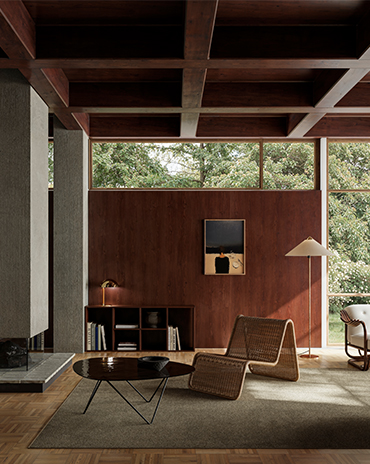
Summer finds that evoke a sense of rest and relaxation
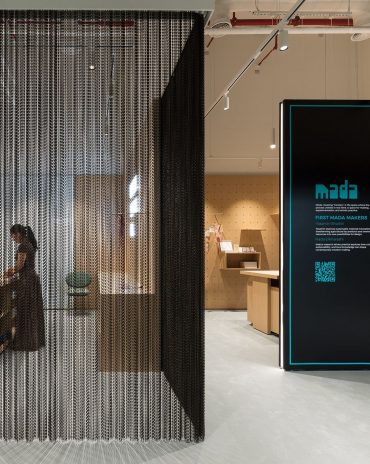
Doha Design District’s new platform, ‘Mada and Sada’, is less about what creativity produces and more about what makes it possible.
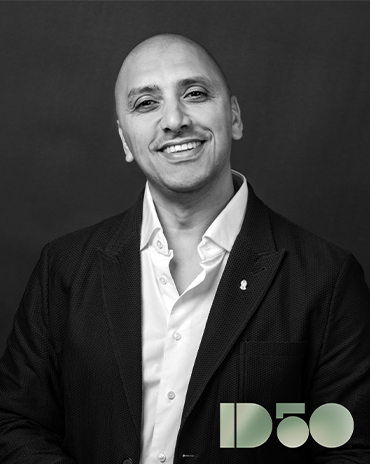
Meet Waleed Arafa, Founder and Principal, Dar Arafa Architecture
Meet Reem Al Qamzi, Founder, Rqitects
Meet Firas Alsahin, Co-Founder and Design Director, 4SPACE Design
Meet Kristina Zanic, Founder, Kristina Zanic Consultants
Meet Ghida Chehab, Founder, Studio Baab
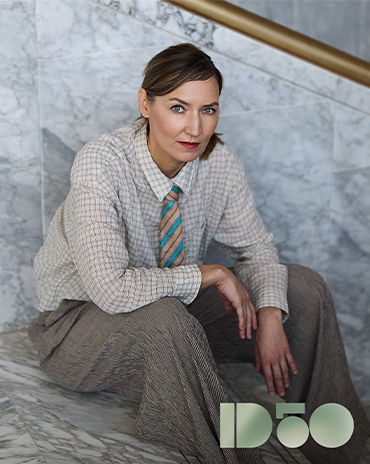
Meet Agata Kurzela, Creative Director, Agata Kurzela Studio
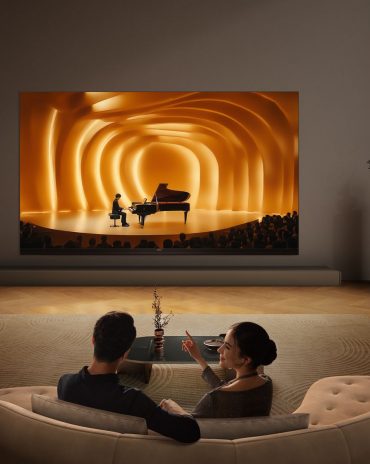
We take you through the design aspects of the TCL X11L
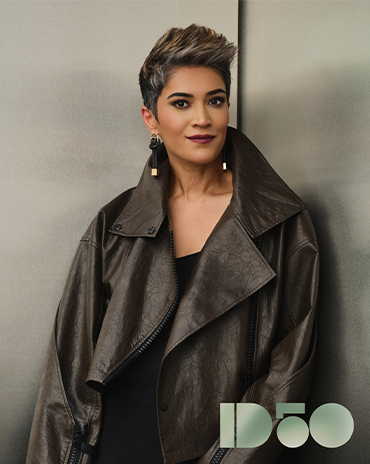
Meet Pallavi Dean, Founder and Creative Director, Roar
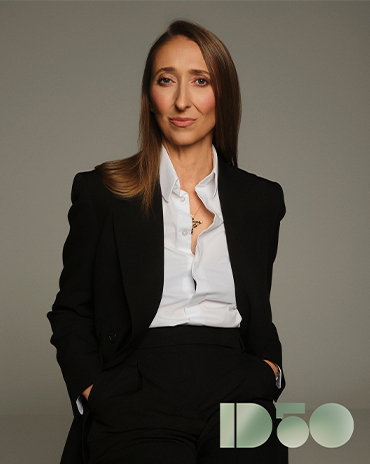
Meet Vera Dieckmann, Founder and Creative Director, XO Atelier
Marco Maximus, Design Director, KEANE