




We interview Tanuj Goenka, Director of Kerry Hill Architects (KHA) on the development of the latest Aman Residences in Dubai



The Aman brand is often described as a sanctuary for the senses. How did Kerry Hill Architects (KHA) interpret and evolve this ethos in the context of Dubai’s urban density and visual stimulation?
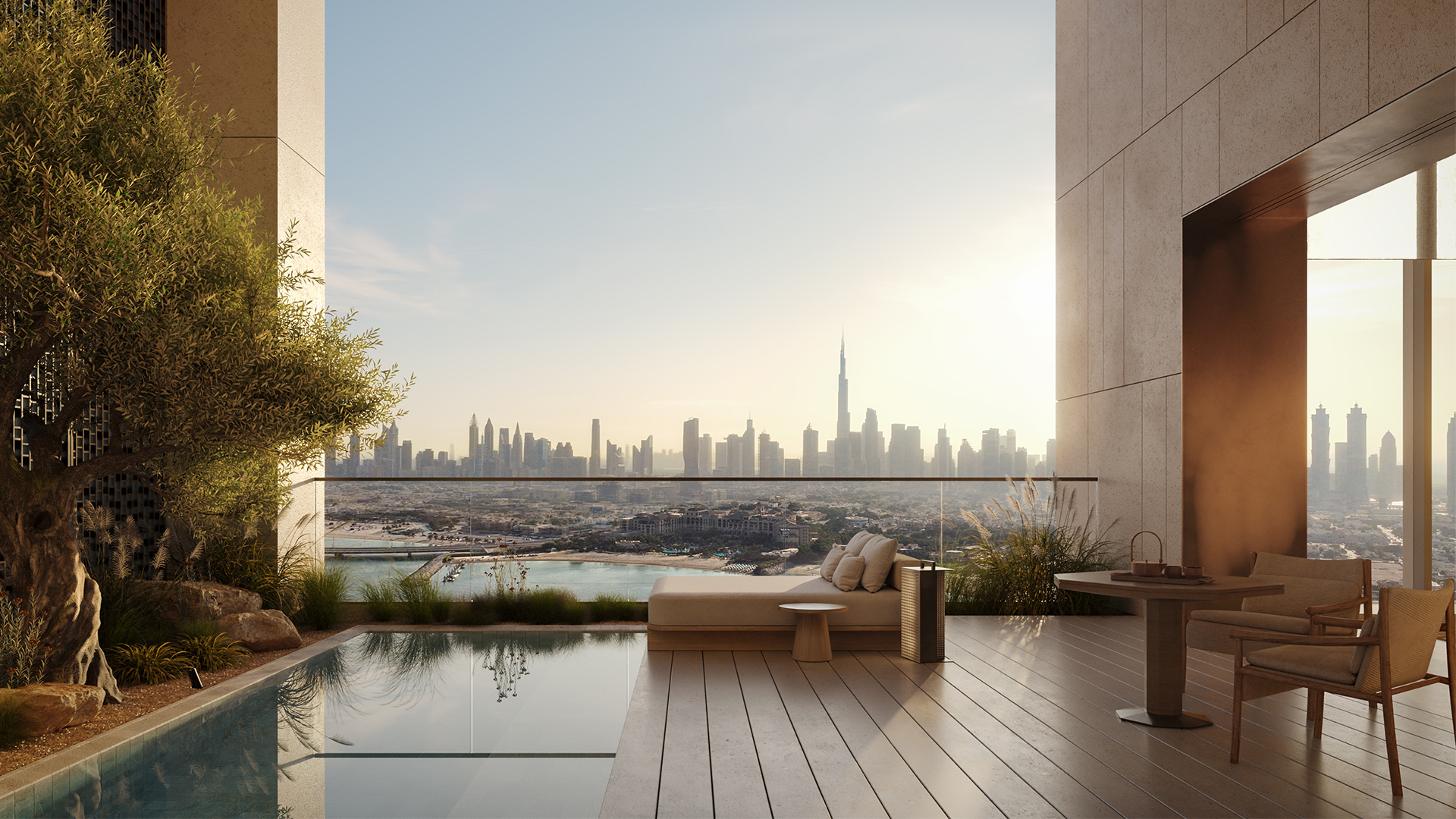
The creation of Aman Dubai as a garden oasis was fundamental in establishing it as a sanctuary within the city. Set on the edge of a lush, planted peninsula, the architecture was designed to offer residents a true sense of arrival – one that evokes retreat, renewal and a journey home. This sense of sanctuary is heightened through a deep connection to its surroundings: embracing sea views and breezes on one side, and vistas of the shimmering city framed by verdant gardens on the other. The contrast between Dubai’s dynamism and the calm of nature grounds the project in a refined sense of place.
In a city where architectural expression often leans toward the extravagant, how does Aman Residences stand apart through restraint and purity of form?
Aman Residences embodies a quiet elegance through pared-down forms and a refined abstraction of regional experiences.
Expansive double-height living spaces and terraces frame dramatic views and invite social connection, while more intimate rooms provide sanctuaries for rest and contemplation. Natural materials – stone, timber, bronze – are used with a deliberate restraint and were chosen for their inherent character and ability to age gracefully. This thoughtful simplicity amplifies the rhythms of living and the presence of nature, rather than competing with them.
Dubai is synonymous with speed and spectacle; how did you slow things down in the spatial experience of Aman?
Drawing from the traditions of Middle Eastern architecture, the design centres on courtyards, gardens and carefully composed thresholds – transitional moments that mark the shift from public to private, from movement to stillness.
These spatial sequences – through galleries, paths and planted courtyards – guide residents on a journey that allows for pause, reflection and reconnection with the natural world. The architecture is not about creating spectacle, but rather about quieting the senses and inviting presence.
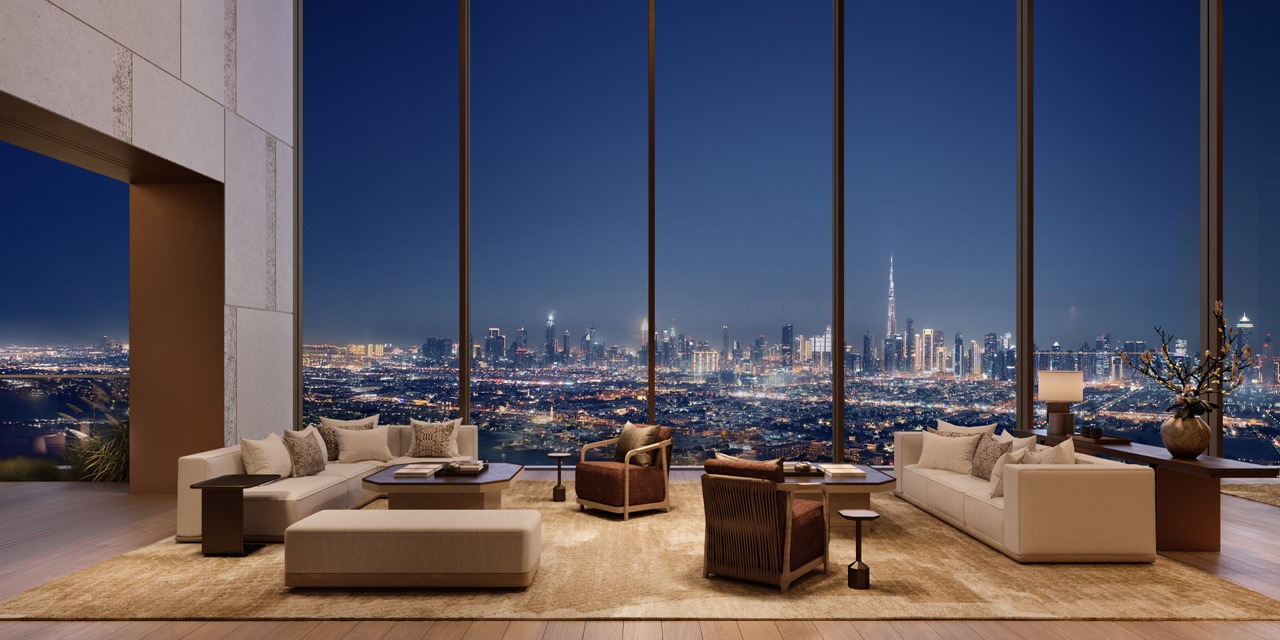
Can architecture truly shape behaviour and emotional state? If so, what design decisions within Aman Dubai were made specifically to foster serenity and reflection?
The connection to the natural world can have a profound effect on our emotional state. At Aman Dubai, the architecture is designed to foster this connection – this is not a hermetically sealed environment, but one that opens up to embrace the garden, the sea breezes and the expansive views beyond.
Throughout the residences, there is a deliberate relationship with nature, allowing the outside world to permeate and soften the experience of the interiors. Just as the architecture opens itself to its environment, many of the interior elements also reflect a deeply human quality. For example, the use of cast-bronze tables and lamps – each bearing subtle imperfections – carries the mark of the maker and invites quiet contemplation through their tactile, crafted presence.
This layered sensitivity to place, material and craft contributes to an atmosphere of serenity, shaping how residents feel, move and reflect within the space.
Do you think the growing fatigue from overstimulation is driving a wider movement toward ‘sanctuary architecture’?
There is a growing recognition of the need for spaces that restore rather than overwhelm. As our environments become faster, brighter and more saturated, a quiet urgency has emerged for architecture that offers relief – spaces that slow us down, invite reflection and reconnect us with nature. This shift toward what some describe as ‘sanctuary architecture’ is not simply a trend, but a return to foundational values: stillness, clarity and presence. Aman has long embodied these principles. Long before the language existed to define it, Aman spaces were conceived to heighten sensory awareness, cultivate calm and honour the surrounding landscape.
At Aman Residences, Dubai, that ethos takes on new resonance. The design curates sensory quietness through natural light, framed views and materials that breathe. In a city shaped by velocity and spectacle, it offers a moment of pause – a place to exhale.
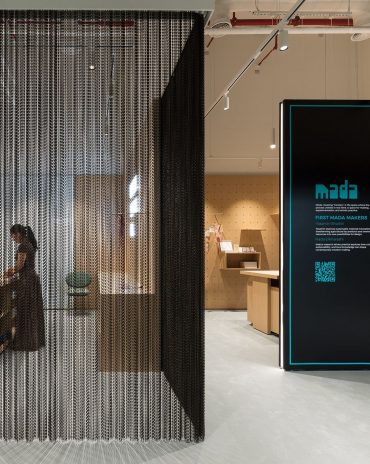
Doha Design District’s new platform, ‘Mada and Sada’, is less about what creativity produces and more about what makes it possible.
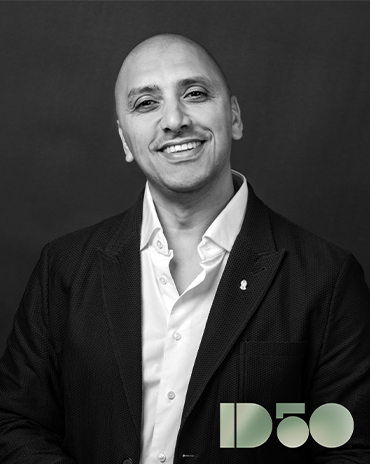
Meet Waleed Arafa, Founder and Principal, Dar Arafa Architecture
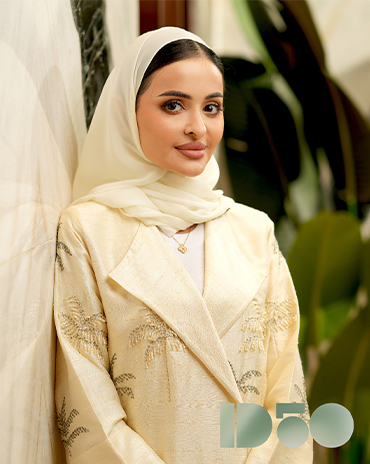
Meet Reem Al Qamzi, Founder, Rqitects
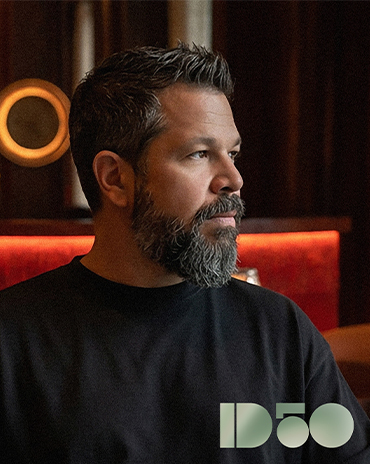
Meet Firas Alsahin, Co-Founder and Design Director, 4SPACE Design
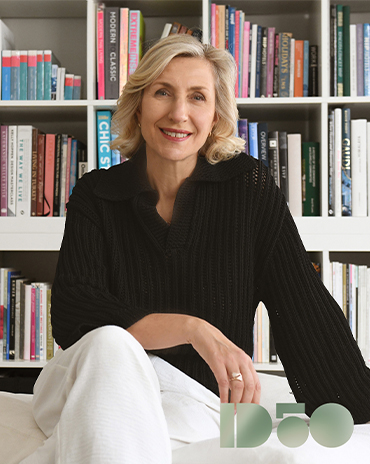
Meet Kristina Zanic, Founder, Kristina Zanic Consultants

Meet Ghida Chehab, Founder, Studio Baab
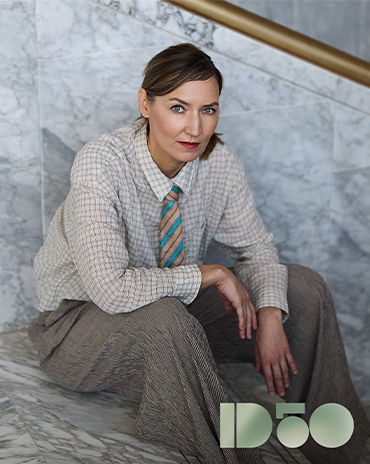
Meet Agata Kurzela, Creative Director, Agata Kurzela Studio
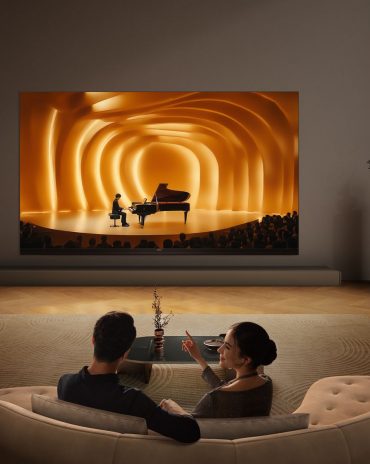
We take you through the design aspects of the TCL X11L

Meet Pallavi Dean, Founder and Creative Director, Roar
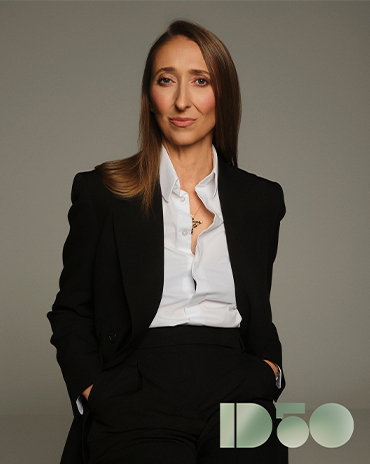
Meet Vera Dieckmann, Founder and Creative Director, XO Atelier
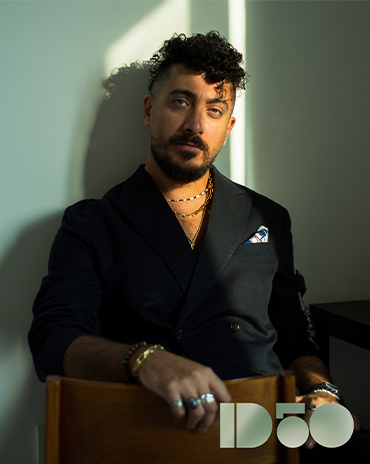
Marco Maximus, Design Director, KEANE
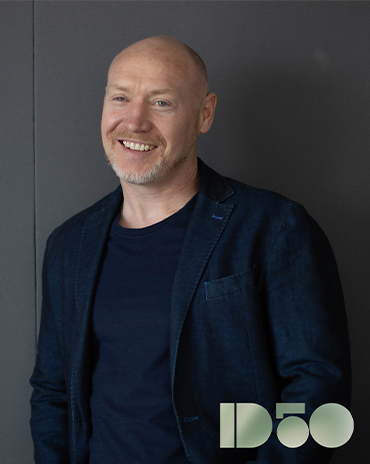
Meet Michael Magill, Global Design Lead and Managing Director, RSP Dubai