




Ahead of entering the second half of the decade, identity caught up with some of the region’s leading design experts to understand what’s on the design horizon
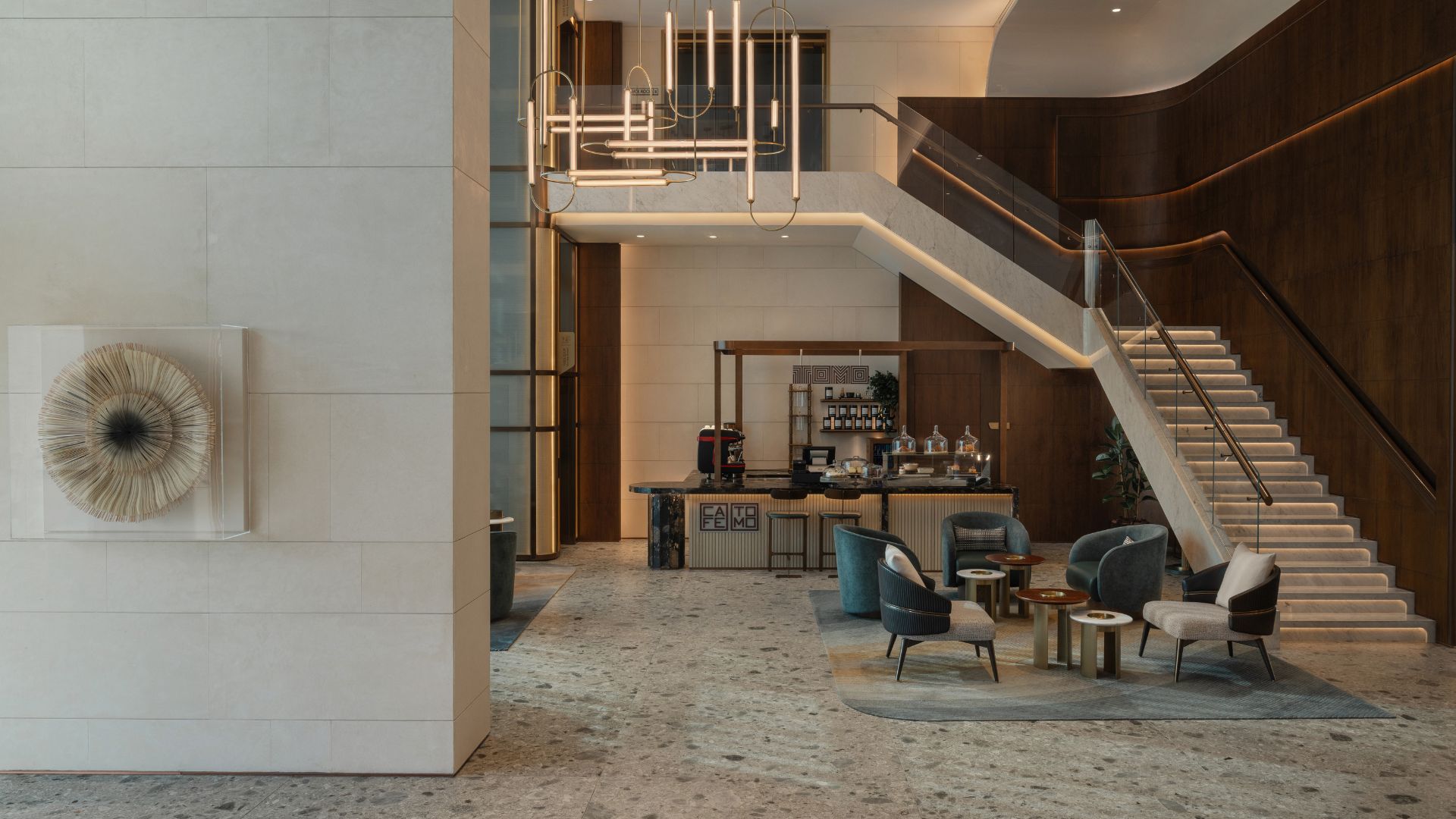



As another new year begins, we took the time to consider how the design landscape will change in the Middle East and beyond.
Architect and interior designer Sneha Divias, founder of Sneha Divias Atelier, a boutique interior architecture studio based in Dubai, believes that 2026 will be defined not by distinct visual trends, but by a shift in intent. “Spaces will move further away from aesthetic statements and toward meaning, longevity and emotional intelligence. Design will increasingly respond to how people live, work and recover – reflecting societal priorities rather than seasonal trends. In essence, the most defining ‘trend’ of 2026 will be timelessness: spaces designed to remain relevant as society evolves,” she says.
Ali Mohammadioun is co-founder and Senior Architect at Dubai-based boutique architecture and interior design firm E Plus A Atelier. He concurs with Divias, noting that spaces will be experience-led and adaptable: “Human and imperfect design will take precedence over polished uniformity, and motion and interaction will be core design elements. Economic pressures are favouring longevity, restraint and value-driven design, while clients are seeking meaningful, experience-focused outcomes rather than trends. Already, we see brands are prioritising authenticity and purpose over polish.”
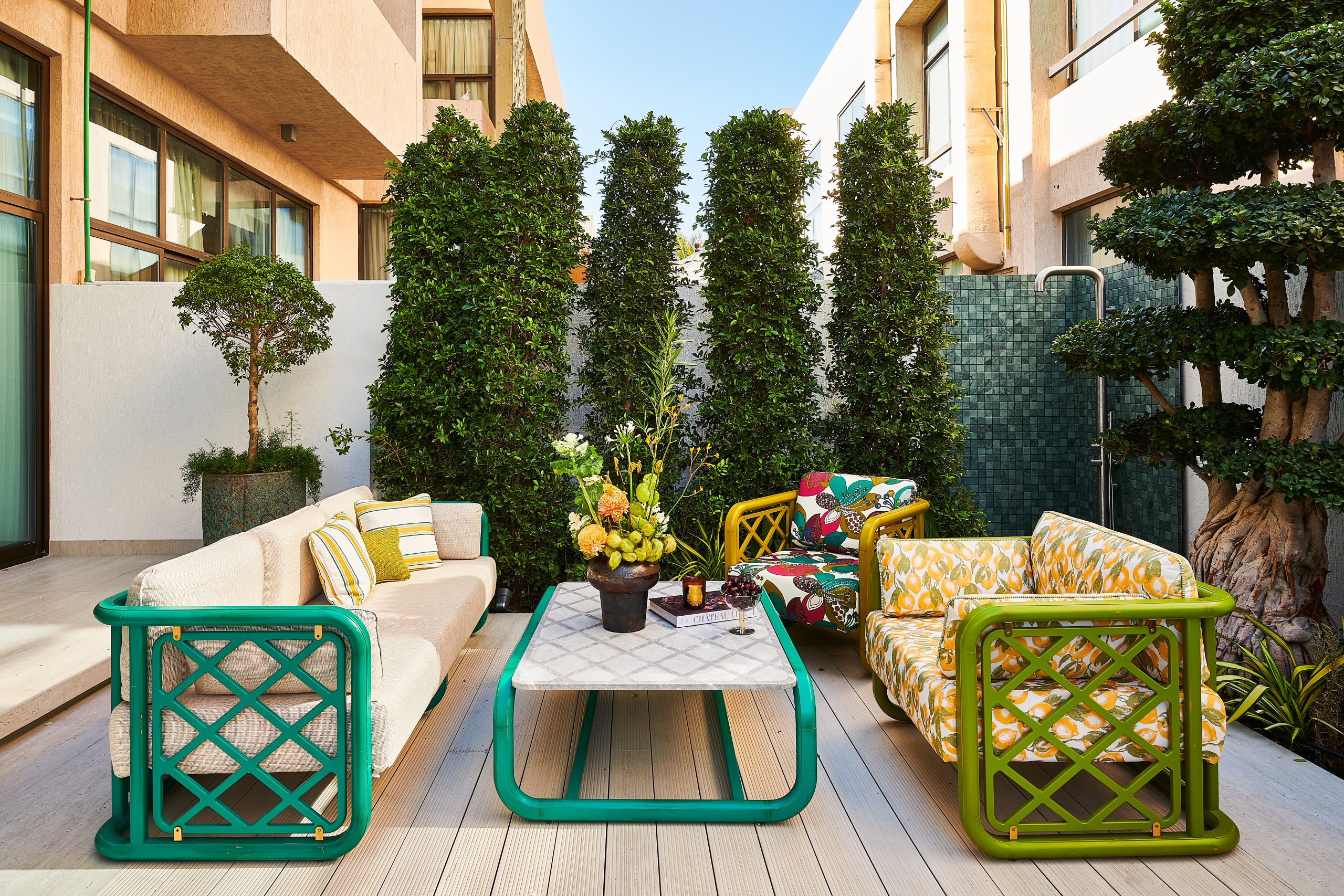
Villa 5 was transformed by E Plus A Atelier from a generic house to a warm, distinctive home full of personal expression, artistic curiosity and layered emotional significance.
The focus on experience and longevity is also is noted by Pooja Shah Mulani, Managing Partner at LW Design, an international hospitality architecture and interior design company. “Clients today prioritise experiences that are emotionally intelligent, contextually rooted and operationally sound. Their expectations are driving designers to create spaces that are not only visually compelling but creatively, technically and financially balanced. As a result, 2026 becomes a year where diversified experience design takes centre stage.”
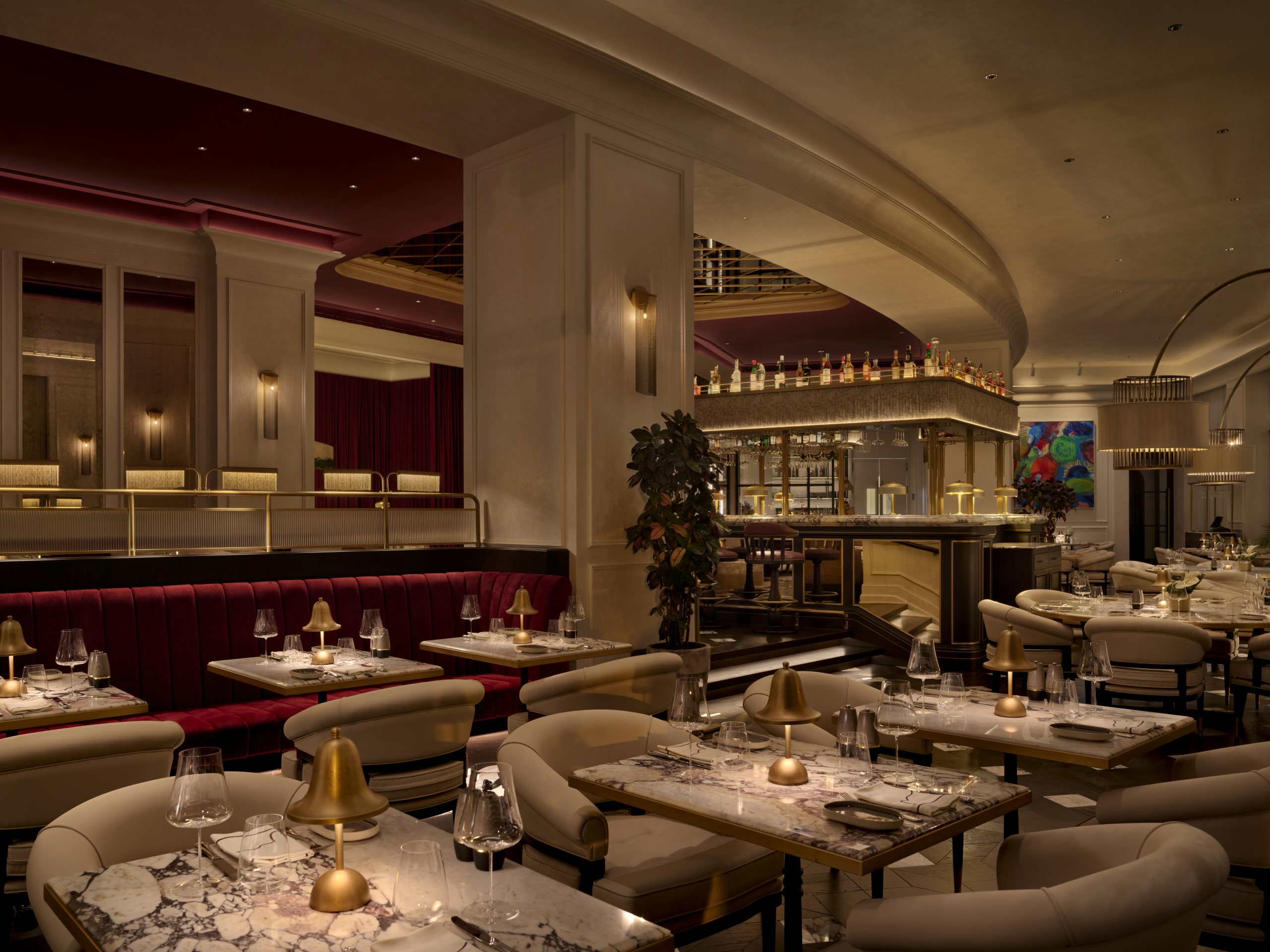
MonteVerdi restaurant in Instanbul, designed by LW, proudly reconnects the space with its past, paying homage to
the location’s legacy and long-standing clientele.
“The biggest opportunity lies in the disappearance of boundaries – between sectors, geographies and disciplines,” states Mulani, adding, “The balance between form and function is becoming increasingly non-negotiable. A space must perform as beautifully as it looks, and the guest journey – the emotional arc from arrival to departure – sits at the centre of that performance.” Mohammadioun agrees: “Form and function are increasingly integrated – designs must be beautiful, meaningful and highly adaptable to changing lifestyles,” he says.
Yet this integration does not mean uniformity – far from it, as Mohammadioun explains: “Culture is driving more emotional, inclusive and identity-led design.” Mulani adds that “Narrative and storytelling will remain critical, visible everywhere. Materials, colours and FF&E [furniture, fixtures and equipment] are becoming more bespoke, created specifically for each environment so that every piece contributes to the identity and contextual depth of the project.”
In the Middle East, says Divias, design is increasingly not just about visual impact, but about creating places where people feel a sense of belonging, even within a rapidly evolving, cosmopolitan context. “Design here is moving beyond iconic gestures toward environments that encourage interaction, shared experiences and informal gathering. Whether in residential, hospitality or workplace projects, spaces that support community – through thoughtful planning, human scale and intuitive flow – are becoming essential,” she observes. “What is particularly compelling in the Middle East is the coexistence of deep-rooted traditions of hospitality with a globally connected mindset. This creates an opportunity for design to act as a bridge: honouring cultural values while accommodating diverse lifestyles. As a result, the region is no longer simply absorbing global influences; it is shaping them – exporting ideas around generosity of space, social connectivity and emotional warmth to the wider design world.”
Divias and Mohammadioun both see sustainability becoming even more deeply embedded into design. “Sustainability will be a baseline expectation. Circularity, sourcing transparency and ethical production will increasingly influence client decisions, especially in high-end projects. Brand behaviour is already moving in this direction. We see fewer loud declarations and more emphasis on narrative, provenance and responsibility,” notes Divias.
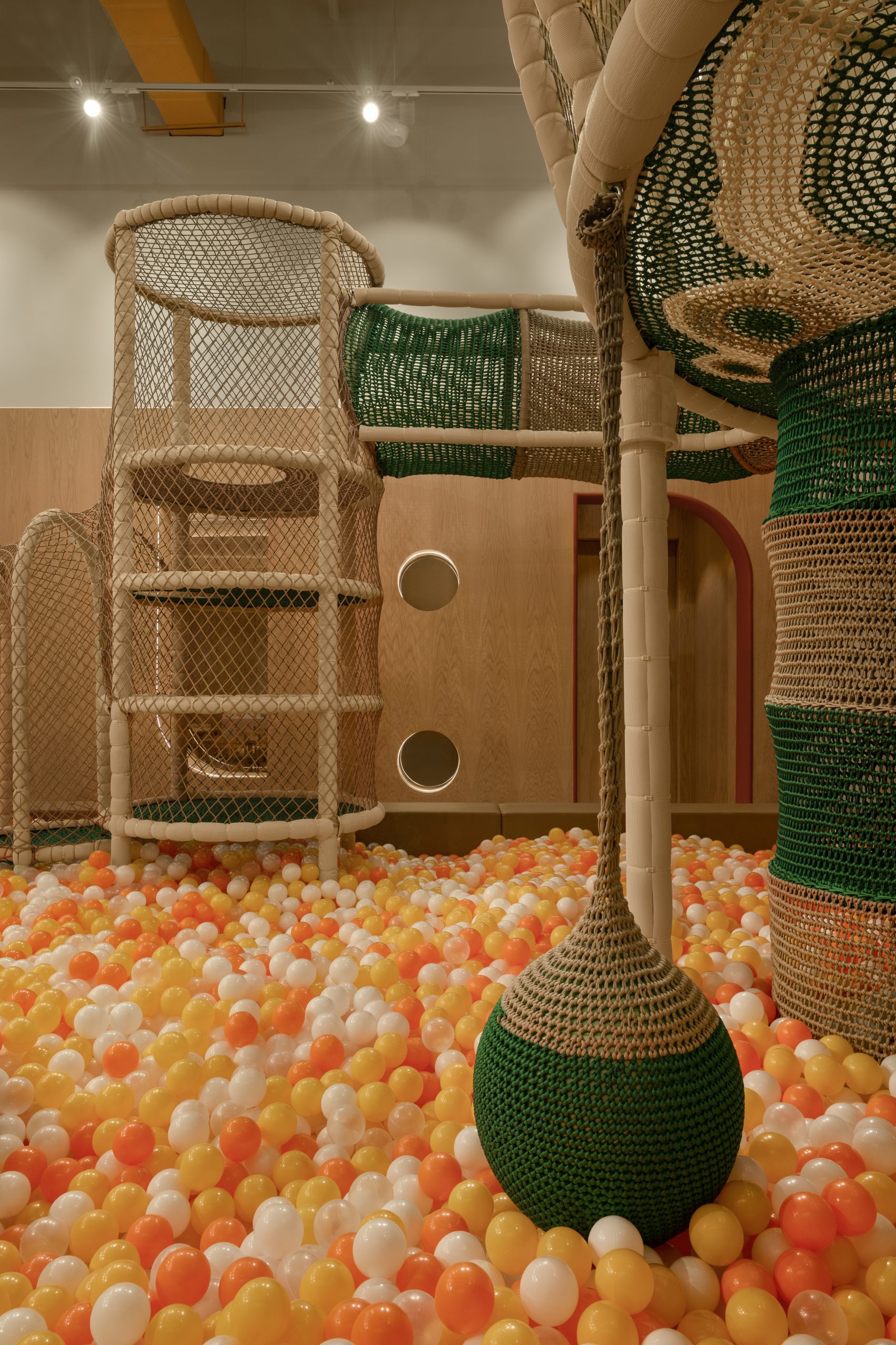
Sneha Divias Titter Totter
“Embedded sustainability as a design principle will be manifested in rich textures and material expression,” adds Mohammadioun. “Materials and finishes will favour natural, tactile textures and sustainable, responsibly sourced options, while overly polished or synthetic aesthetics may fade. At the same time, sustainable design innovations will feel futuristic, not just responsible.”
For Mulani, wellbeing will be the defining trend of 2026 – and beyond. “Holistic and experiential wellbeing will see wellness not treated as a standalone amenity but woven seamlessly into daily living. It is already reshaping the core principles of luxury hospitality, where guests expect environments that support body, mind and the natural environment simultaneously. This is moving the industry away from isolated spa moments and toward spaces that carry balance, restoration and sensory clarity from morning to night. The next decade will see the continued dissolution of traditional hospitality boundaries – and twenty years from now, it may be startling to realise how narrowly wellness was once defined.”
Divias agrees, adding, “In the medium term, I expect a deeper integration between architecture, interior design and wellbeing. Homes, workplaces and hospitality spaces will increasingly be designed as ecosystems – supporting mental clarity, physical health and adaptability over time.”
As technological advances accelerate, our experts see its influence on design growing. “Technology will continue to reshape client expectations, enabling personalised, immersive experiences and accelerating trend discovery,” states Mohammadioun. “I believe we will see human-tech integration in all experiences, with AI acting as a co-creator – yet guided by intuition and authorship – to produce unexpected, inspiring and personalised aesthetics. Design will adapt in real time to mood, context or environment, with materials that think and respond – resulting in immersive, multi-sensory experiences that go beyond screens and spaces.” Divias agrees, adding that while technology will shape how clients discover design and make decisions, its role within spaces will become more discreet. “As clients become more discerning, they expect spaces to age well, perform better and feel personal. Technology will support this quietly – through smarter planning, better materials and enhanced comfort – without becoming visually dominant. The biggest developments will be invisible: materials that self-regulate temperature, spaces that adapt to different stages of life, and design decisions informed by data without feeling technological. The future belongs to technology that supports living, not one that dominates aesthetics. What will delight us is a return to human-scale design – spaces that feel calm, grounded and emotionally resonant in a fast-paced world.”
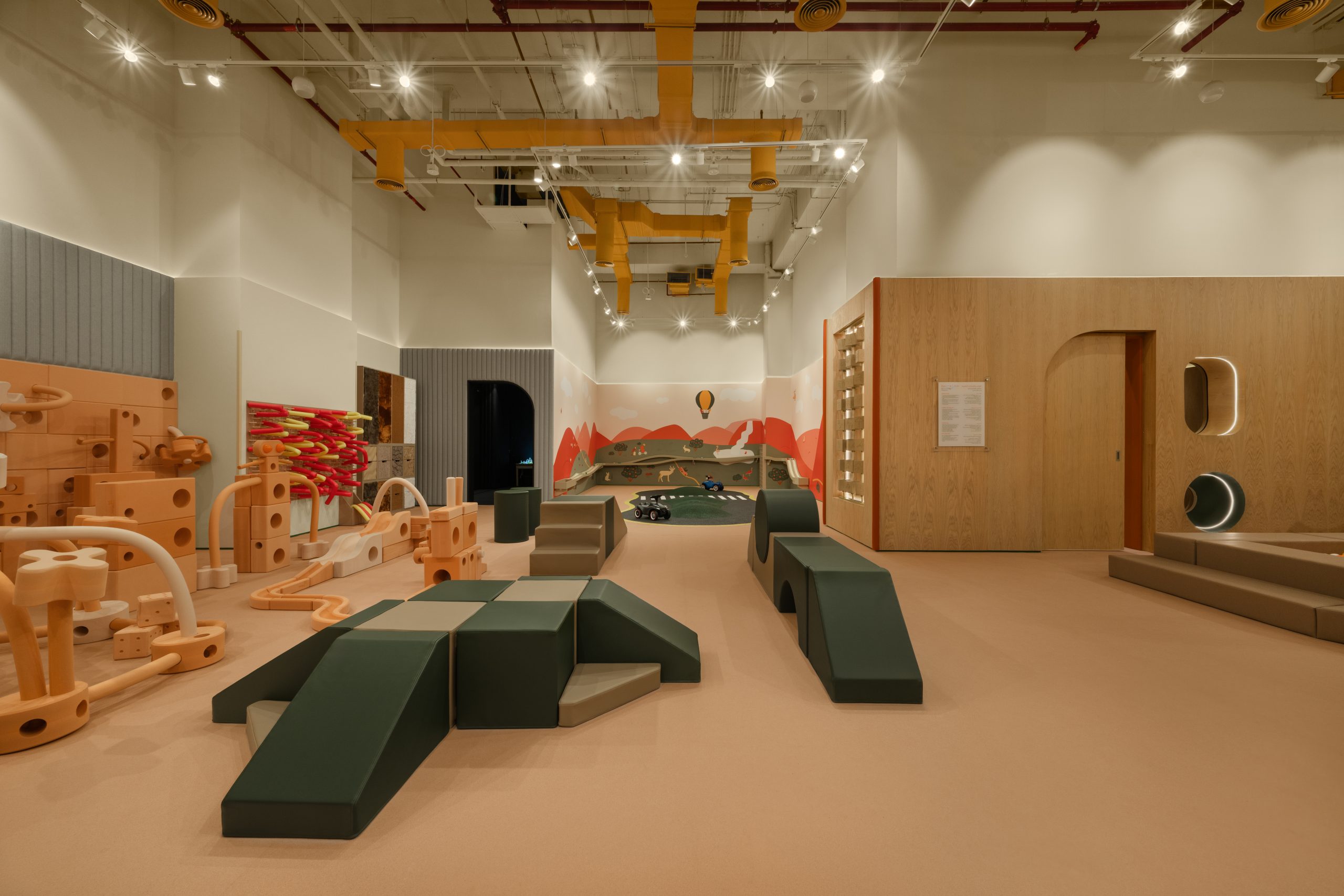
Sneha Divias Titter Totter
Forecasting design trends is inherently difficult, not least because design does not exist in isolation, as Divias explains: “Design mirrors how society feels, behaves and evolves. For me, good design is not about anticipating what will look new, but about understanding what will continue to feel relevant. That perspective makes the future less about trends – and more about continuity, responsibility and meaning.” Mohammadioun concurs, adding, “By focusing on underlying human needs, rather than fleeting aesthetics, I can anticipate trends that feel relevant, lasting and meaningful.” The pace of change, particularly in the Middle East, presents challenges – but also opportunities. “In this region, the pace of development and cultural exchange is exceptionally fast, and this has heightened the importance of community and belonging. As cities become increasingly multicultural and transient, there is a growing need for spaces that foster social connection – places where people feel grounded, welcomed and part of something larger than themselves,” notes Divias. This sentiment is echoed by Mulani, who adds: “The industry is in a state of rapid evolution, shaped by global behaviour, shifting client priorities and expanding geographies. To approach the future with clarity, I focus on the constant threads within our work… [and on] recognising broader movement with confidence.” Heading into 2026, it seems the old adage – ‘the only constant is change’ – is more relevant than ever, yet the principles of good design remain unaltered: considering how to meet the needs of society and using this understanding to create objects and spaces that meet the needs of their users, both now and in the future.
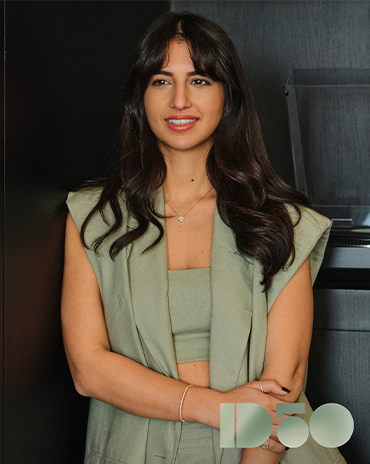
Meet Ghida Chehab, Founder, Studio Baab
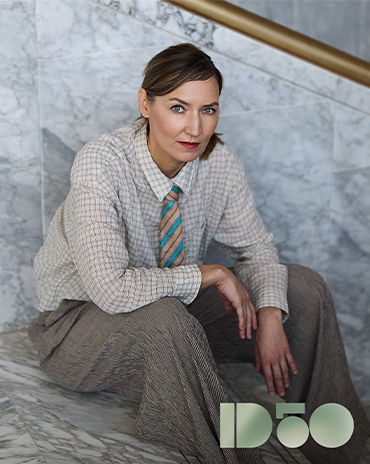
Meet Agata Kurzela, Creative Director, Agata Kurzela Studio
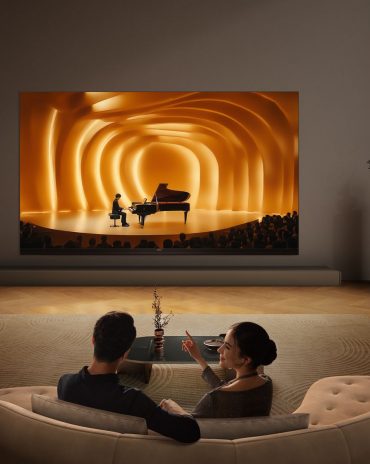
We take you through the design aspects of the TCL X11L
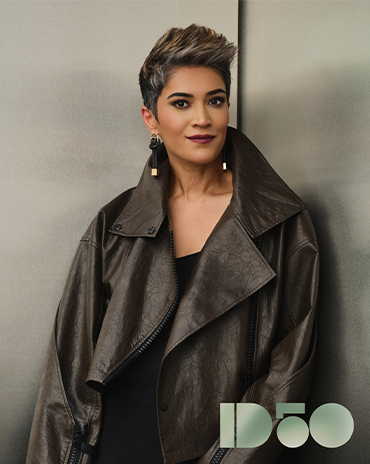
Meet Pallavi Dean, Founder and Creative Director, Roar
Meet Vera Dieckmann, Founder and Creative Director, XO Atelier
Marco Maximus, Design Director, KEANE
Meet Michael Magill, Global Design Lead and Managing Director, RSP Dubai
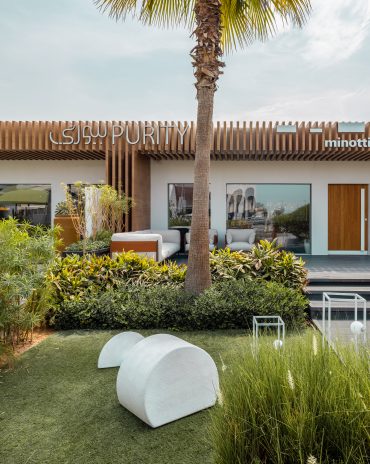
For more than two decades, Purity has helped shape the language of high-end interiors in the UAE
Bruno Gomes, Director, Concept Design Department, Dewan Architects + Engineers
Shazad Azam, Founder and Chief Operating Officer, International Design Associates (IDA)
Kerem Cengiz, Managing Director, LWK+ PARTNERS, Middle East
Samer Charara, Director and Studio Chair, Woods Bagot